
Embarking on a journey from the bustling metropolis of Los Angeles to the serene shores of Hawaii is a quintessential American dream vacation. While the allure of pristine beaches, lush landscapes, and vibrant local culture is undeniable, a common question often arises for prospective travelers: “How long is the flight from LA to Hawaii?” Understanding the duration of this trans-Pacific Ocean journey is crucial for planning your perfect escape, allowing you to prepare adequately and maximize your time in paradise. This comprehensive guide will delve into typical flight times, factors influencing your travel, tips for a comfortable journey, and how to seamlessly transition from the West Coast to the Aloha State.

Understanding the Flight Duration from Los Angeles to Hawaii
The flight from Los Angeles, California, to various islands in Hawaii is a direct, non-stop experience for most commercial flights. While it traverses a significant stretch of the Pacific Ocean, the flight is considerably shorter than many international destinations, making Hawaii an accessible tropical getaway from the continental United States.
Average Flight Times and Influencing Factors
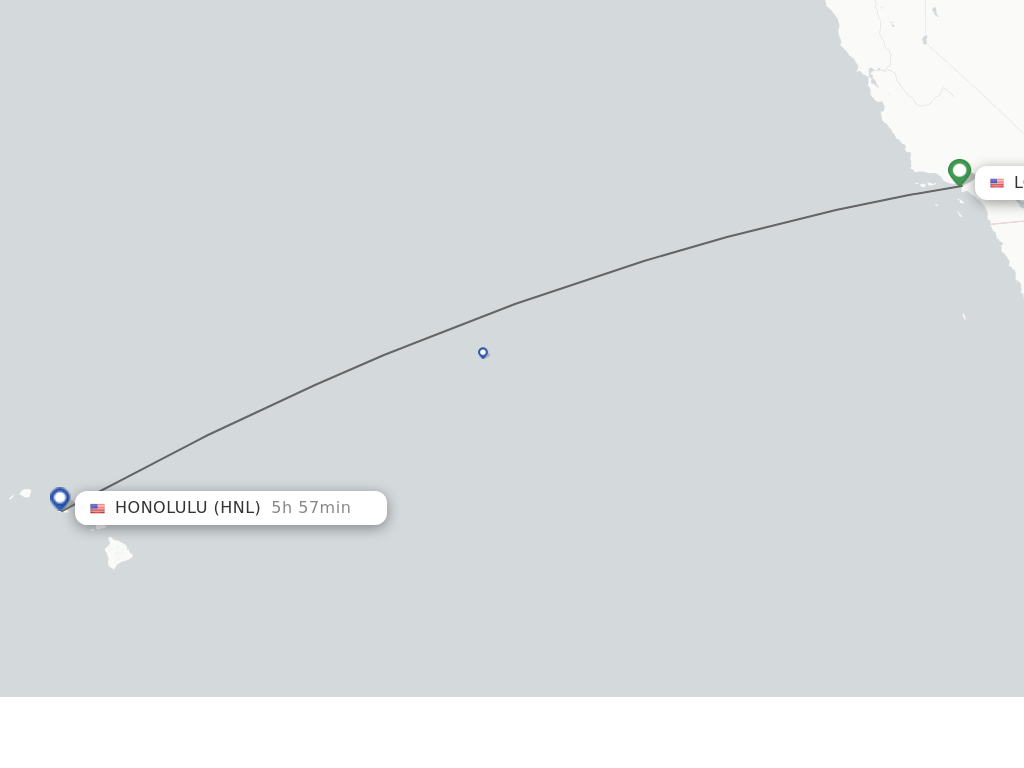
For most direct flights from Los Angeles International Airport (LAX) to the main Hawaiian islands, the average flight time typically ranges from 5 hours and 20 minutes to 6 hours and 15 minutes. This duration can vary slightly depending on several key factors:
- Specific Destination Island: Hawaii comprises several major islands, each with its own airport. Flights to Oahu (Honolulu) and Maui (Kahului) tend to be on the shorter end, while flights to the Big Island (Kona or Hilo) or Kauai (Lihue) might add an extra 15-30 minutes due to the slightly longer distance.
- LAX to Daniel K. Inouye International Airport (HNL) in Honolulu, Oahu: Approximately 5 hours 20 minutes to 5 hours 45 minutes.
- LAX to Kahului Airport (OGG) in Maui: Approximately 5 hours 30 minutes to 6 hours.
- LAX to Kona International Airport (KOA) on the Big Island: Approximately 5 hours 45 minutes to 6 hours 15 minutes.
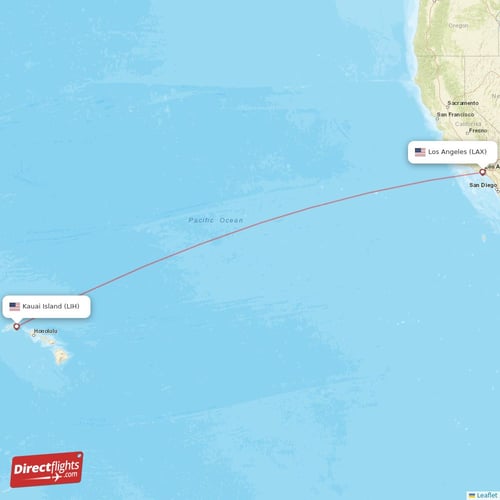
- LAX to Lihue Airport (LIH) on Kauai: Approximately 5 hours 45 minutes to 6 hours 15 minutes.
- Aircraft Type: Modern, fuel-efficient aircraft flown by major airlines like Hawaiian Airlines, United Airlines, Delta Air Lines, American Airlines, Southwest Airlines, and Alaska Airlines are designed for optimal speed and comfort on long-haul routes. Slight variations in cruising speed can affect the overall journey time.
- Winds and Weather Conditions: Tailwinds can significantly reduce flight times, sometimes shaving off 20-30 minutes, especially on the westbound journey to Hawaii. Conversely, strong headwind conditions can extend the flight duration. Air traffic control and weather patterns along the route can also play a minor role.
- Airline and Route Optimization: While most flights are direct, airlines may have slightly different flight paths or scheduling that marginally alter the advertised duration. When booking your flight, it’s always wise to check the specific flight duration provided by your chosen carrier.
Major Airports: LAX and Hawaiian Gateways
Your journey will almost certainly begin at Los Angeles International Airport (LAX), one of the busiest airports in the world and a primary hub for trans-Pacific Ocean travel from the United States. LAX offers numerous daily flights to Hawaii from various airlines, providing travelers with flexibility in terms of departure times and airline choices. Navigating LAX requires planning, so ensure you arrive with ample time before your scheduled departure, especially during peak travel seasons.
Upon arrival, Hawaii offers several international airports catering to the major islands:
- Daniel K. Inouye International Airport (HNL) on Oahu: The largest and busiest airport, serving the capital city of Honolulu and popular attractions like Waikiki Beach and Pearl Harbor.
- Kahului Airport (OGG) on Maui: The main gateway to Maui’s stunning beaches, the Road to Hana, and Haleakala National Park.
- Kona International Airport (KOA) and Hilo International Airport (ITO) on the Big Island: KOA serves the drier Kona side, while ITO is closer to Hawaii Volcanoes National Park and the lush Hilo district.
- Lihue Airport (LIH) on Kauai: The entry point to the Garden Isle, renowned for its dramatic Na Pali Coast and verdant landscapes.
Choosing your arrival airport often dictates which island you’ll explore first, though inter-island flights are readily available for those wishing to island-hop. These short flights, typically 20-45 minutes, extend your overall travel time but open up a world of diverse Hawaiian experiences.
Preparing for Your Journey: Making the Most of Your Flight
A flight of 5-6 hours is long enough to warrant some preparation to ensure comfort and enjoyment. Think of it as a significant chunk of your day, similar to driving from Los Angeles to San Francisco, or spending an entire day at Disneyland or Universal Studios Hollywood. Strategic planning can transform your travel time into a relaxing prelude to your vacation.
Pre-Flight Essentials and In-Flight Comfort Tips
To make your flight as comfortable as possible, consider these tips and essentials:
- Choose Your Seat Wisely: If possible, select a seat with extra legroom (exit row or bulkhead) or a window seat for views of the Pacific Ocean (especially on approach to Hawaii). Aisle seats offer easier access for stretching or restroom breaks.
- Pack a Comfort Kit: Include items like a neck pillow, eye mask, earplugs/noise-canceling headphones, and a light blanket or shawl. The cabin temperature can fluctuate, and personal comfort items make a big difference.
- Entertainment is Key: Load your devices with movies, TV shows, podcasts, audiobooks, or e-books. Many airlines offer in-flight entertainment, but having your own ensures you have content you enjoy. Don’t forget portable chargers or power banks.
- Stay Hydrated: Air travel can be dehydrating. Drink plenty of water before, during, and after your flight. Limit alcohol and caffeine intake.
- Dress in Layers: Comfortable, loose-fitting clothing is ideal. Layers allow you to adjust to temperature changes in the cabin.
- Move Around: To prevent stiffness and promote circulation, get up and walk around the cabin periodically if it’s safe to do so. Perform simple in-seat stretches.
- Snacks: While airlines often provide meal service or snacks, bringing your own healthy options can cater to specific dietary needs or preferences.
- Pre-Book Activities and Car Rentals: Especially for popular Hawaiian attractions or during peak season, securing your car rental and certain tours (e.g., Pearl Harbor, Luaus) in advance is highly recommended. This allows you to hit the ground running upon arrival.
Navigating Time Zones and Arrival Logistics
Hawaii observes Hawaii Standard Time (HST), which does not follow Daylight Saving Time. This means there is a significant time difference between Los Angeles (Pacific Time) and Hawaii:
- During Daylight Saving Time (March-November): Hawaii is 3 hours behind Los Angeles. If it’s 3 PM in LA, it’s 12 PM in Honolulu.
- During Standard Time (November-March): Hawaii is 2 hours behind Los Angeles. If it’s 3 PM in LA, it’s 1 PM in Honolulu.
This time difference, while seemingly beneficial on the westbound journey (you “gain” hours), can contribute to mild jet lag. Upon arrival, try to adjust to the local time as quickly as possible. Expose yourself to daylight, stay active, and avoid naps that are too long.
Upon landing at your chosen Hawaiian airport, the transition is generally smooth. You’ll collect your luggage and proceed to ground transportation. Many visitors opt for rental cars to explore the islands independently, while shuttles and rideshares are also available. Keep in mind that Hawaii has strict agricultural inspection rules for outgoing flights to the mainland to prevent the spread of invasive species, so be mindful of what you’re bringing back.
Beyond the Flight: Experiencing the Magic of Hawaii
Once you’ve safely landed and adjusted to the rhythm of island life, the true adventure begins. Hawaii is a mosaic of unique experiences, catering to every type of traveler, from adrenaline junkies to those seeking ultimate relaxation.
Discovering Hawaii’s Diverse Islands and Attractions
Each of Hawaii’s main islands offers a distinct character and a wealth of attractions:
- Oahu: The Gathering Place
- Landmarks: Explore the historical significance of Pearl Harbor, hike up to Diamond Head for panoramic views of Waikiki Beach, and delve into Polynesian culture at the Polynesian Cultural Center.
- Activities: Surf the legendary North Shore waves, snorkel at Hanauma Bay, or enjoy the vibrant nightlife and food scene in Honolulu.
- Maui: The Valley Isle
- Landmarks: Drive the scenic Road to Hana, witness a breathtaking sunrise from Haleakala National Park’s summit, and explore the charming town of Lahaina.
- Activities: Go whale watching (seasonal), snorkel with sea turtles at Molokini Crater, or relax on the golden sands of Ka’anapali Beach. Maui Nui also includes the smaller islands of Molokai and Lanai, offering even more secluded experiences.
- The Big Island of Hawaii: Diverse Landscapes
- Landmarks: Witness active volcanoes at Hawaii Volcanoes National Park (home to Kilauea and Mauna Loa), stargaze from Mauna Kea, and discover black sand beaches.
- Activities: Snorkel with manta rays, explore coffee farms in Kona, or hike through lush rainforests to stunning waterfalls.
- Kauai: The Garden Isle
- Landmarks: Marvel at the majestic cliffs of the Na Pali Coast, explore the “Grand Canyon of the Pacific” at Waimea Canyon, and discover hidden beaches.
- Activities: Kayak the Wailua River, zipline through canopies, or take a scenic helicopter tour for unparalleled views.
Accommodation Choices and Lifestyle Experiences
Hawaii offers a vast spectrum of accommodation options to suit every preference and budget, a core aspect of planning any travel experience. Whether you’re planning a luxury travel escape, a budget travel adventure, a family trip, or even a business stay, there’s a perfect place for you.
- Resorts and Hotels: From world-renowned five-star resorts with extensive amenities like spa services, multiple pools, and gourmet dining, to comfortable mid-range hotels offering convenient access to beaches and attractions. Many offer family-friendly suites or romantic villas.
- Vacation Rentals: Options range from cozy apartments and condos to sprawling villas with private pools, ideal for families or groups seeking a home-away-from-home experience and perhaps a more immersive local culture feel. These often come with fully equipped kitchens, perfect for those on a budget travel plan.
- Boutique Hotels and B&Bs: For a more intimate and personalized stay, boutique hotels and bed-and-breakfasts offer unique charm and often provide deeper insights into Hawaiian lifestyle and hospitality.
When selecting your accommodation, consider the reviews, comparison sites, and proximity to the activities and landmarks you plan to visit. Whether you envision a luxury travel experience at a beachfront resort or a more adventurous budget travel stay in a charming apartment, Hawaii has options to make your dream trip a reality. For those planning an extended or long-term stay, vacation rentals often provide the best value and comfort.
Planning Your Hawaiian Adventure: Tips for an Unforgettable Trip
A trip to Hawaii requires thoughtful planning to ensure a smooth and memorable experience. From budgeting to respecting the environment, these guides and tips will help you craft your ideal island getaway.
Budgeting and Booking Your Dream Getaway
- Flights: Airfare is often one of the largest expenses. Use comparison websites and consider flying during the shoulder seasons (spring and fall) for potentially lower prices. Booking in advance, typically 3-6 months, can also yield better deals.
- Accommodation: As mentioned, there’s a wide range. Balance desired amenities with your budget travel goals. Look for packages that bundle flights and hotels or consider apartments for self-catering options. Read reviews thoroughly before committing.
- Transportation: Car rentals are highly recommended for exploring most islands. Factor in rental costs and fuel. Public transport is limited outside of Oahu’s major areas.
- Food: Dining out in Hawaii can be expensive. Balance fine dining with local eateries, food trucks, and grocery shopping to prepare some of your own meals, especially if staying in a vacation rental or suite with kitchen facilities.
- Activities: Many incredible Hawaiian experiences are free (beaches, hiking trails). Budget for paid attractions like luaus, surfing lessons, snorkeling tours, or submarine rides.
For those planning a family trip, consider kid-friendly resorts with dedicated children’s activities and suites that offer separate living areas. For a business stay, look for hotels or resorts with robust Wi-Fi, meeting facilities, and proximity to business districts, often found in Honolulu.
Embracing Local Culture and Sustainable Tourism
Hawaii is much more than just beautiful scenery; it’s a place rich in history, traditions, and the deeply ingrained spirit of Aloha. To truly appreciate your visit, immerse yourself in the local culture:
- Learn a Few Hawaiian Words: “Aloha” (hello, goodbye, love), “Mahalo” (thank you), “E komo mai” (welcome) are great starters.
- Attend a Luau: A quintessential Hawaiian experience with traditional food, music, and hula dancing.
- Visit Cultural Sites: Explore landmarks like ancient temples (heiau), museums, and historical sites to understand the islands’ past and vibrant Polynesian heritage.
- Support Local Businesses: Choose locally owned restaurants, shops, and tour operators to contribute directly to the Hawaiian economy.
Practicing responsible and sustainable tourism is vital to preserve Hawaii’s natural beauty and resources for future generations.
- Respect the ‘Aina (Land): Stay on marked trails, don’t disturb natural habitats, and never take sand, rocks, or shells from beaches.
- Protect Marine Life: Use reef-safe sunscreen, maintain a respectful distance from sea turtles and monk seals, and never touch coral.
- Reduce Waste: Minimize single-use plastics and properly dispose of your trash.
- Be Mindful of Local Customs: Respect local communities and their way of life.
In conclusion, the flight from Los Angeles to Hawaii is a manageable journey of roughly 5.5 to 6 hours, marking the gateway to an extraordinary travel experience. By understanding the logistics, preparing for the flight, and embracing the spirit of Aloha upon arrival, you can ensure your transition from the mainland to the islands is as smooth and enjoyable as the paradise awaiting you. From the moment you depart LAX to your first breath of fragrant Hawaiian air, your adventure promises to be a memorable one, filled with stunning nature, rich culture, and unforgettable experiences.
LifeOutOfTheBox is a participant in the Amazon Services LLC Associates Program, an affiliate advertising program designed to provide a means for sites to earn advertising fees by advertising and linking to Amazon.com. Amazon, the Amazon logo, AmazonSupply, and the AmazonSupply logo are trademarks of Amazon.com, Inc. or its affiliates. As an Amazon Associate we earn affiliate commissions from qualifying purchases.