
The question “Is Hawaii an island?” seems simple at first glance, but the answer is more nuanced and fascinating than a mere yes or no. To truly understand Hawaii, one must delve into its geography, history, and the vibrant tapestry of its culture. In essence, Hawaii is not just an island; it is a state within the United States comprising an archipelago of numerous islands, each with its own distinct character, allure, and array of experiences waiting to be discovered by travelers. This unique composition makes Hawaii one of the world’s most sought-after travel destinations, offering everything from bustling cityscapes and luxurious resorts to pristine natural wonders and profound cultural insights.
The Hawaiian Archipelago: A Land of Many Islands
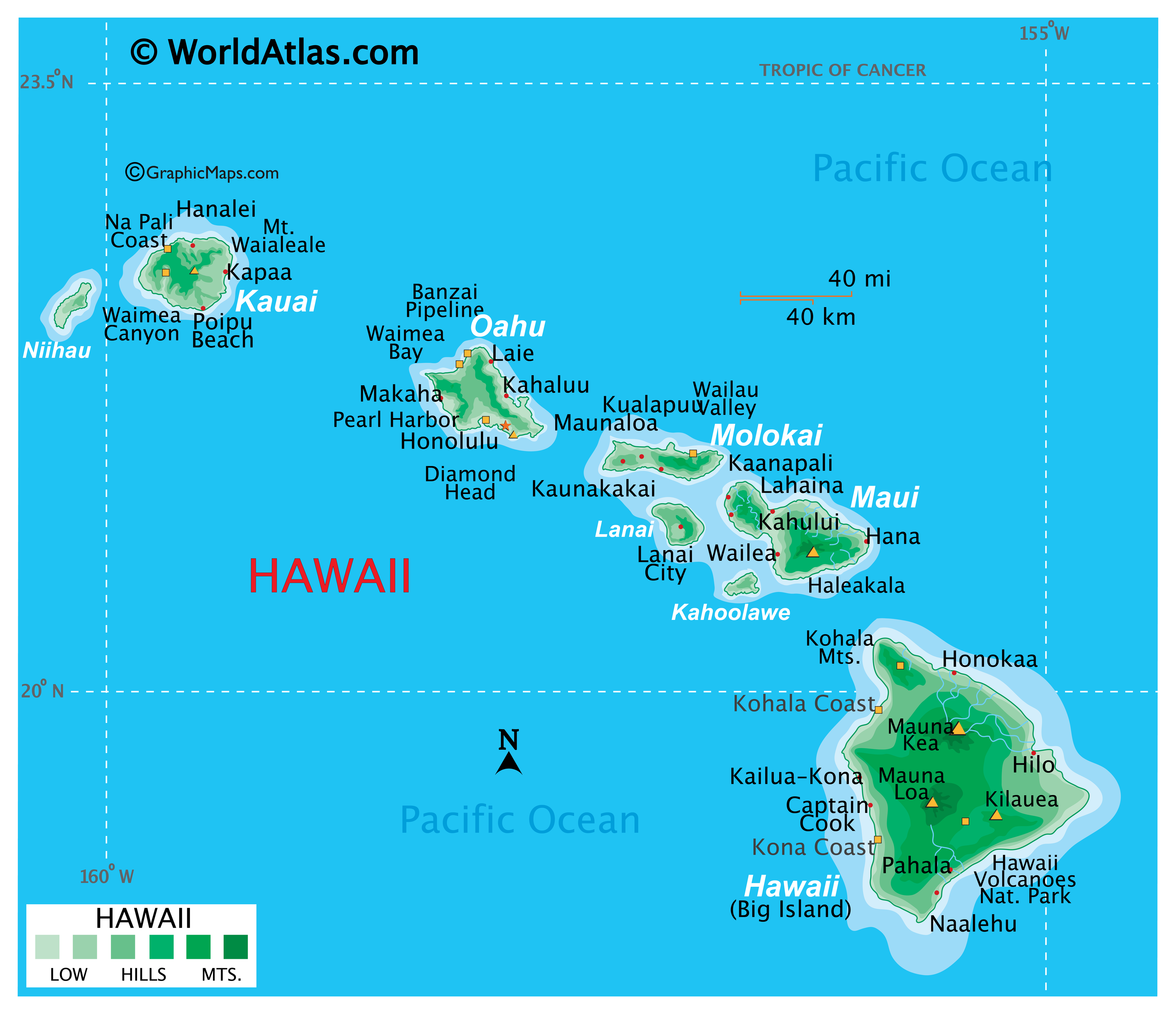
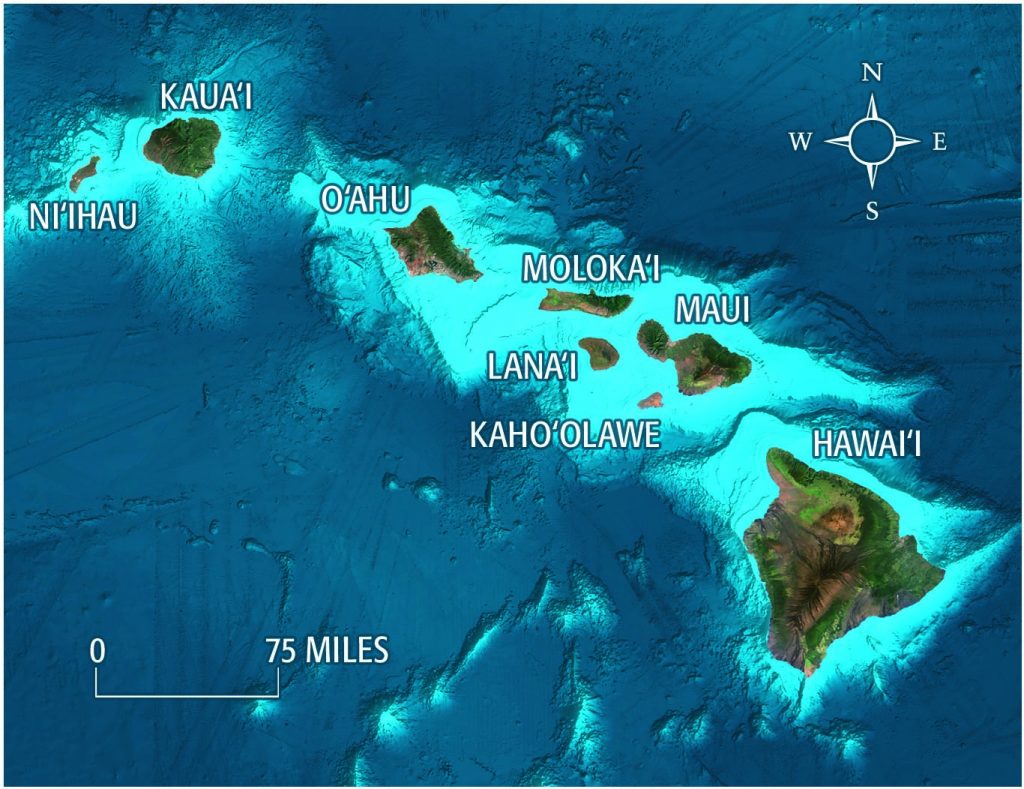
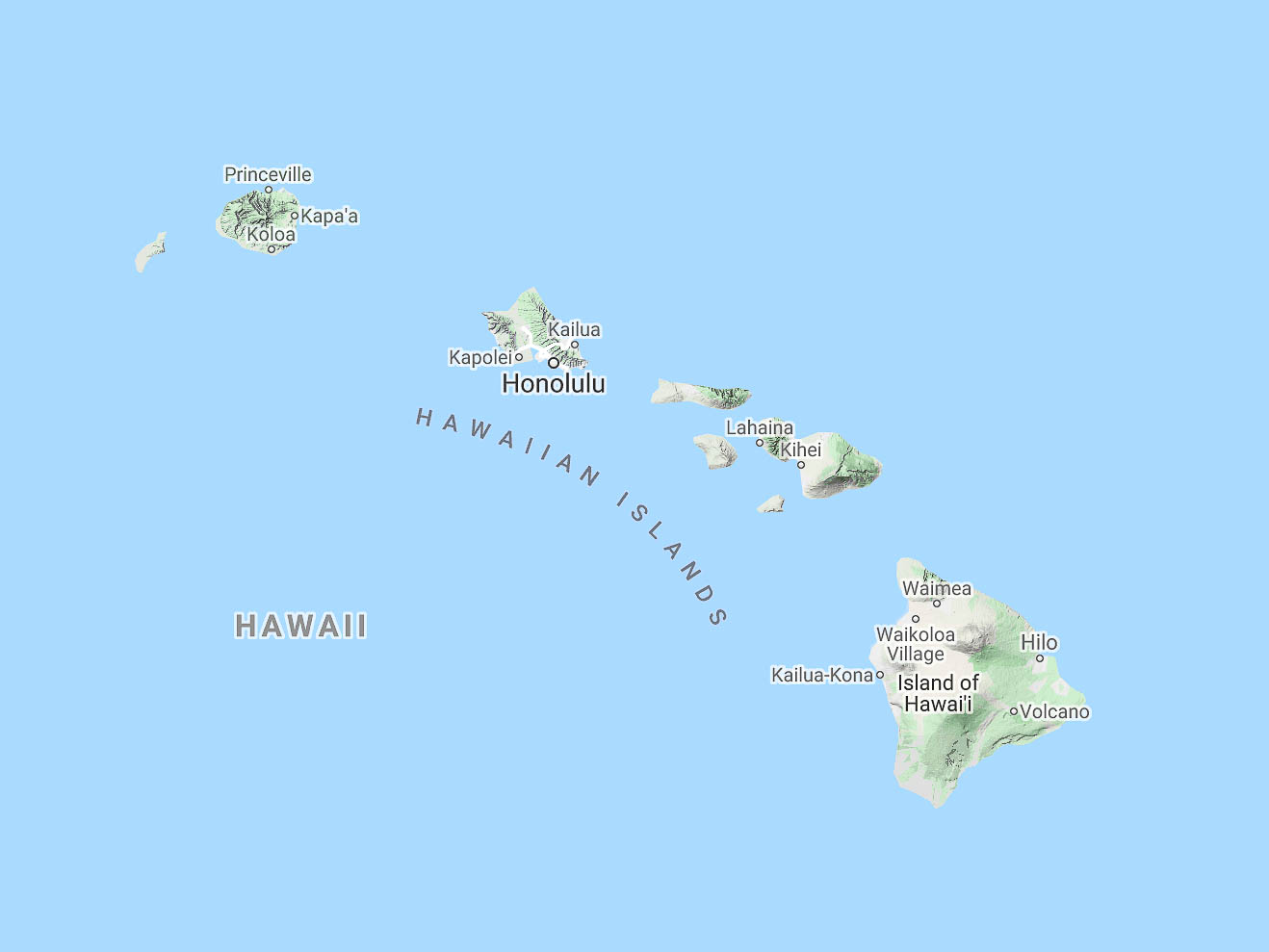
Geographically, Hawaii is an archipelago, a chain of islands, islets, and atolls stretching across roughly 1,500 miles (2,400 km) in the central Pacific Ocean. Formed by volcanic activity over millions of years, these islands are the exposed peaks of massive underwater mountains. While the entire chain consists of hundreds of islands, only eight are considered the “main” Hawaiian Islands, and of these, seven are inhabited.
The primary islands, from northwest to southeast, are:
- Niihau: Known as the “Forbidden Isle,” privately owned and largely inaccessible to outsiders, preserving ancient Hawaiian culture.
- Kauai: The “Garden Isle,” famous for its lush rainforests, dramatic cliffs of the Na Pali Coast, and the breathtaking Waimea Canyon. It’s a paradise for nature lovers and adventurers.
- Oahu: The “Gathering Place,” home to the state capital Honolulu and the iconic Waikiki Beach. Oahu blends vibrant city life with historical sites like Pearl Harbor and world-renowned surf breaks on the North Shore.
- Molokai: The “Friendly Isle,” characterized by its rural charm, strong Hawaiian heritage, and the highest sea cliffs in the world. It offers a glimpse into traditional Hawaii.
- Lanai: The “Pineapple Isle,” a luxurious retreat known for its pristine beaches, championship golf courses, and exclusive resorts, offering a quieter, more upscale experience.
- Maui: The “Valley Isle,” celebrated for its stunning beaches, the scenic Road to Hana, and the majestic sunrise views from the summit of Haleakala National Park. Maui is a favorite for honeymooners and families alike.
- Kahoolawe: The “Target Isle,” uninhabited and primarily used as a training ground by the United States military, now a cultural reserve focused on environmental restoration.
- Hawaii Island (Big Island): The “Orchid Isle” or “Big Island,” by far the largest, continually growing thanks to active volcanoes within Volcanoes National Park. It boasts incredible diversity, from black sand beaches to snow-capped peaks like Mauna Kea.
So, while there is an island named Hawaii (the Big Island), the state itself is a collection of these diverse islands. This distinction is crucial for travelers planning their visit, as each island offers a uniquely different Hawaiian experience.
The Heartbeat of Oahu and Honolulu
For many visitors, their Hawaiian journey begins and often centers around Oahu, particularly its capital city, Honolulu. This bustling metropolis is the gateway to the islands, featuring the renowned crescent of Waikiki Beach, framed by the iconic Diamond Head crater. Waikiki offers a dynamic mix of world-class dining, shopping, and entertainment, alongside opportunities for surfing, paddleboarding, and relaxing on golden sands. Beyond the beach, Oahu holds immense historical significance, most notably at Pearl Harbor, a poignant reminder of World War II history. The island is also home to the Polynesian Cultural Center, which provides an immersive journey into the cultures of the Pacific Islands. Other must-see landmarks include the only royal palace in the United States, Iolani Palace, and the panoramic views from the Nu’uanu Pali Lookout.
Exploring the Allure of the Hawaiian Islands
Hawaii’s appeal as a travel destination stems from its remarkable blend of natural beauty, vibrant culture, and diverse activities. From adventurous pursuits to serene relaxation, the islands cater to every type of traveler.
Unforgettable Destinations and Iconic Landmarks
Each Hawaiian island boasts a unique set of attractions that draw visitors from across the globe.
- Maui: Beyond Haleakala, visitors flock to the historic whaling town of Lahaina, now a lively hub for dining and shopping. The island’s pristine beaches, such as Ka’anapali and Wailea, are perfect for sunbathing, swimming, and snorkeling. The Maui Ocean Center offers an intimate look at the rich marine life surrounding the islands.
- Kauai: The Na Pali Coast State Wilderness Park is a spectacle of emerald cliffs, cascading waterfalls, and secluded beaches, best explored by boat, helicopter, or a challenging hike. The “Grand Canyon of the Pacific,” Waimea Canyon, provides awe-inspiring vistas of its colorful strata.
- Hawaii Island: The active volcanoes of Kilauea within Volcanoes National Park offer a rare chance to witness geological forces at work, creating new land. The island also features unique natural phenomena like the Punalu’u Black Sand Beach and the impressive Akaka Falls State Park. The town of Kailua-Kona is a popular base for water activities and exploring coffee plantations.
Diverse Activities for Every Traveler
The range of activities in Hawaii is as varied as its landscapes.
- Adventure and Nature: Surfing lessons are a rite of passage, especially in Waikiki or on Maui’s calmer breaks. Snorkeling and diving in the clear, warm waters reveal vibrant coral reefs and an abundance of marine life, including Hawaiian green sea turtles and colorful fish. Hiking trails abound, from coastal paths to challenging treks through volcanic terrain or lush rainforests. Whale watching tours (seasonal, typically November to May) offer incredible encounters with humpback whales.
- Culture and Relaxation: A traditional luau is an immersive experience, combining delicious Hawaiian food, hula dancing, and storytelling. Exploring local markets, art galleries, and small towns provides insight into the local culture and craftsmanship. For ultimate relaxation, spa treatments utilizing traditional Hawaiian techniques and ingredients are readily available at resorts.
- Food and Drink: Hawaii’s cuisine is a fusion of Polynesian, Asian, and American influences. Must-try dishes include poke, kalua pig, fresh seafood, and tropical fruits. Don’t forget to sample Kona coffee, grown exclusively on the Big Island, and local craft beers or cocktails.
Crafting Your Perfect Hawaiian Stay
Planning a trip to Hawaii involves considering where to stay, what kind of experience you’re seeking, and how to make the most of your budget and time.
From Luxury Resorts to Boutique Stays
Accommodation in Hawaii caters to every preference and budget, from sprawling luxury resorts to charming boutique hotels, and convenient vacation rentals.
- Luxury Resorts: For those seeking indulgence, Hawaii offers world-class resorts with every amenity imaginable. Properties like the Four Seasons Resort Maui at Wailea, the Grand Hyatt Kauai Resort & Spa, and The Ritz-Carlton Kapalua provide exquisite service, gourmet dining, championship golf courses, and stunning beachfront access. These resorts often feature elaborate pool complexes, rejuvenating spas, and tailored experiences that define luxury travel. On Oahu, Aulani, A Disney Resort & Spa caters specifically to families with its themed pools and character experiences, while the historic Moana Surfrider, A Westin Resort & Spa offers classic elegance right on Waikiki Beach.
- Boutique Hotels and Mid-Range Options: Many travelers prefer the personalized service and unique charm of boutique hotels, often found in smaller towns or less crowded areas. These properties can offer a more authentic local experience. Mid-range hotels provide comfortable amenities without the high price tag of luxury resorts, often with good locations and essential facilities.
- Vacation Rentals: For longer stays, families, or groups, vacation rentals such as apartments, condos, and private villas are an excellent choice. They offer more space, privacy, and the option for self-catering, which can significantly reduce food costs. Platforms for booking accommodation allow for comparison of various options, complete with reviews from previous guests to ensure a suitable choice.
Tailoring Your Trip: Luxury, Budget, and Family Travel
Hawaii’s diverse offerings mean that any travel lifestyle can find its niche.
- Luxury Travel: Beyond opulent resorts, luxury travelers can arrange private helicopter tours over volcanoes, enjoy exclusive chef-prepared meals, embark on private yacht charters, or indulge in high-end shopping in Honolulu and Wailea. The serene beauty of Lanai, with its two Four Seasons resorts, is particularly appealing for those seeking an exclusive, tranquil escape.
- Budget Travel: While Hawaii can be expensive, budget-conscious travelers can still enjoy its wonders. Opting for hostels, guesthouses, or camping (where permitted), utilizing public transportation or ride-sharing, and cooking some meals can help cut costs. Many of Hawaii’s best attractions—its beaches, hiking trails, and scenic viewpoints—are free or low-cost. Visiting local farmers’ markets for fresh produce and trying local plate lunches are also economical and authentic experiences.
- Family Trips: Hawaii is a fantastic destination for families, offering endless activities for all ages. Kid-friendly resorts with dedicated children’s programs, safe swimming beaches, and attractions like the Maui Ocean Center or the Kualoa Ranch on Oahu (famous for movie filming locations) ensure everyone has a memorable time. Many accommodations offer suites or villas, perfect for families needing more space.
- Business Stays: For business travelers, major cities like Honolulu offer conference facilities, business-friendly hotels, and convenient access to the airport. Even within a business trip, there are opportunities to experience the local culture and natural beauty, turning a work trip into a bleisure (business + leisure) experience.
Essential Tips for Your Hawaiian Adventure
To ensure a smooth and enjoyable Hawaiian getaway, a few practical considerations are paramount.
Planning Your Inter-Island Journeys
Given that Hawaii is an archipelago, inter-island travel is a key aspect of exploring multiple islands. Regular flights operate between the main inhabited islands, with services provided by airlines like Hawaiian Airlines and Southwest Airlines. Booking these flights in advance is advisable, especially during peak seasons. While inter-island ferries are limited (the only regularly scheduled ferry operates between Maui and Lanai), flying is generally the quickest and most efficient way to hop from one island paradise to another. Renting a car on each island is highly recommended for flexibility and to explore off-the-beaten-path attractions.
Respecting the Local Culture and Environment
The spirit of Aloha is deeply ingrained in Hawaiian culture. Visitors are encouraged to embrace this spirit of respect, love, and compassion. Learning a few basic Hawaiian phrases, showing respect for sacred sites, and understanding local customs can greatly enhance your experience. Sustainable tourism is also vital. This includes minimizing your environmental footprint, respecting wildlife (especially endangered species like the Hawaiian monk seal), supporting local businesses, and leaving no trace behind in natural areas. Many tour operators and resorts emphasize eco-friendly practices, and choosing these options contributes to preserving Hawaii’s pristine environment for future generations.
Best Time to Visit and What to Pack
Hawaii enjoys a tropical climate year-round, with average temperatures ranging from the mid-70s to mid-80s Fahrenheit (24-30°C). There isn’t a “bad” time to visit, but the peak tourist seasons are generally December through April and June through August. Shoulder seasons (late spring and fall) offer pleasant weather and fewer crowds.
Packing essentials include swimwear, light clothing, comfortable walking shoes for exploring, hiking sandals, sun protection (reef-safe sunscreen is crucial), a hat, and sunglasses. A light jacket or sweater may be useful for cooler evenings or visits to higher elevations like Haleakala or Mauna Kea. Don’t forget a reusable water bottle to stay hydrated and reduce plastic waste.
In conclusion, the question “Is Hawaii an island?” dissolves into a grander understanding: Hawaii is a magnificent collection of islands, each a world unto itself. From the volcanic landscapes of the Big Island to the bustling energy of Oahu and the serene beauty of Kauai, this archipelago offers an unparalleled travel experience. Whether you seek adventure, relaxation, cultural immersion, or simply breathtaking scenery, Hawaii’s diverse islands promise a journey filled with unforgettable moments and the enduring spirit of Aloha.
LifeOutOfTheBox is a participant in the Amazon Services LLC Associates Program, an affiliate advertising program designed to provide a means for sites to earn advertising fees by advertising and linking to Amazon.com. Amazon, the Amazon logo, AmazonSupply, and the AmazonSupply logo are trademarks of Amazon.com, Inc. or its affiliates. As an Amazon Associate we earn affiliate commissions from qualifying purchases.