
Embarking on a journey to the enchanting Hawaiian Islands often conjures images of pristine beaches, lush tropical landscapes, and the warm embrace of the Pacific Ocean. As a top-tier travel destination renowned for its unparalleled natural beauty and vibrant local culture, Hawaii beckons millions of visitors annually. However, one common question frequently surfaces in the minds of prospective travelers: “Is Hawaii humid?” The short answer is yes, Hawaii is undeniably humid. But to truly understand what this means for your vacation experience, it’s essential to delve deeper into the unique meteorological phenomena that shape the climate of this tropical paradise. From the gentle caress of trade winds to the varying microclimates across its diverse islands, the humidity in Hawaii is an integral part of its charm and something every traveler should be prepared for. Understanding the nuances of its weather patterns will not only help you pack appropriately but also enhance your overall enjoyment, ensuring a comfortable and memorable stay, whether you’re seeking luxury travel or a budget-friendly family trip.
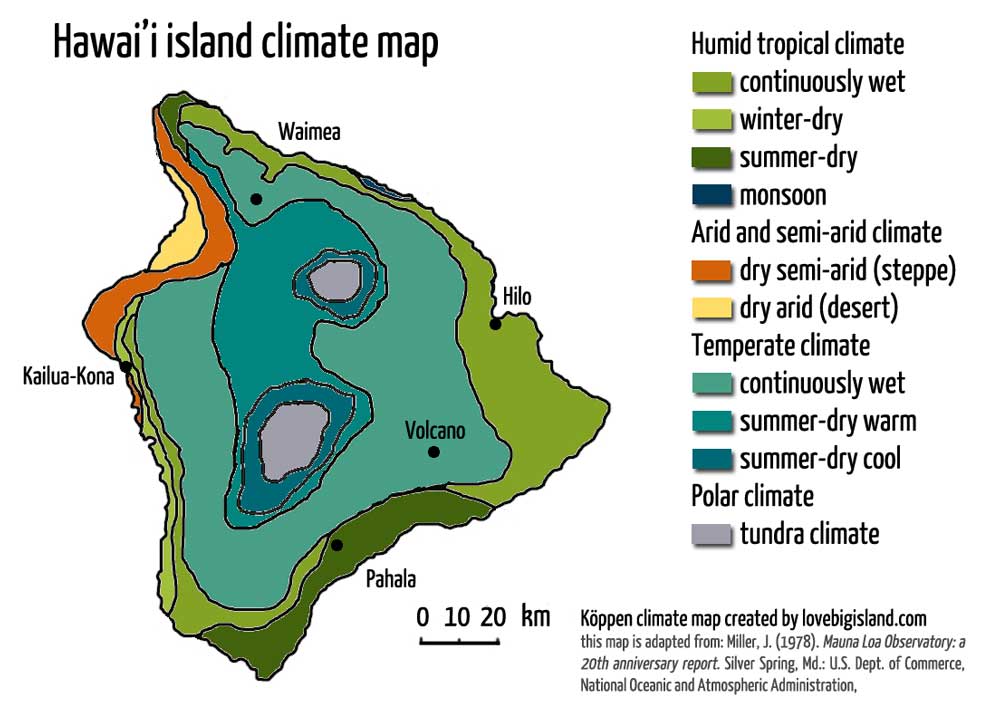
Understanding Hawaii’s Climate: A Tropical Paradise
Hawaii enjoys a tropical climate, characterized by warm temperatures year-round, abundant sunshine, and, as we’ve established, relatively high humidity. This consistent warmth is a major draw for tourists escaping colder climates, making it a perfect year-round destination. However, the exact “feel” of the humidity can vary significantly depending on several factors, including the time of year, elevation, and proximity to the coast.
The islands generally experience two main seasons: a dry season from May to October and a wet season from November to April. During the wet season, while rainfall is more frequent, it often comes in short, refreshing showers, typically localized and rarely lasting all day. The relative humidity during these months can be slightly higher, but the overall temperatures remain pleasant. Even during the dry season, the tropical nature of Hawaii ensures a consistent level of moisture in the air. This tropical climate fosters the incredibly lush landscapes, from the rainforests of the Big Island to the verdant cliffs of Kauai, which are major attractions for those exploring nature and adventure tourism.
Trade Winds: Nature’s Air Conditioner
One of the most defining characteristics of Hawaii’s climate, and a significant mitigating factor for its humidity, is the presence of the reliable northeast trade winds. These prevailing winds blow consistently across the islands for a substantial portion of the year, acting as a natural air conditioning system. The trade winds carry cooler, moist air from the ocean, moderating temperatures and providing a refreshing breeze that can make even humid days feel more comfortable. They are particularly noticeable on the windward (northeastern) sides of the islands, where they often bring more rainfall, contributing to the lushness of these areas.
When the trade winds are strong, the humidity, while still present, is less oppressive. The constant air movement helps to evaporate perspiration, making the heat feel less stifling. Conversely, during periods when the trade winds weaken or disappear, a phenomenon known as “kona winds” can occur. These winds, coming from the south or southwest, bring warmer, more stagnant air, leading to noticeably higher perceived humidity levels and sometimes more widespread rainfall. Such periods, though less frequent, can make the atmosphere feel heavier and more muggy. Understanding the role of trade winds is crucial when choosing your accommodation and planning activities, as properties on the windward side might offer different air quality experiences than those on the leeward side.
Regional Climate Variations Across the Islands
Despite their relatively small size, each of Hawaii’s main islands—Oahu, Maui, Kauai, and the Big Island—boasts a remarkable diversity of microclimates. This variation is primarily due to the islands’ volcanic topography, with towering mountains creating distinct windward and leeward sides.
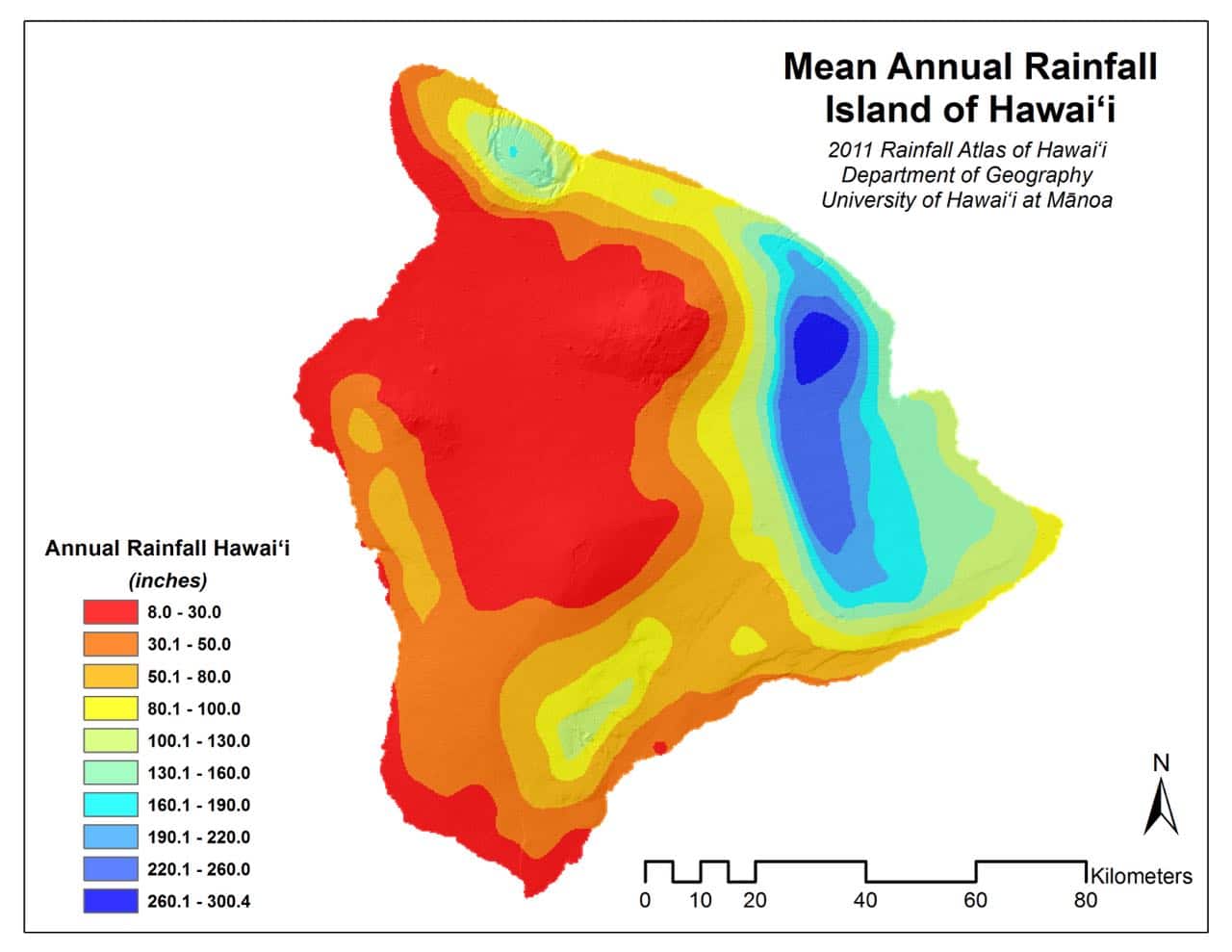
- Windward Sides: These eastern and northeastern coasts, directly exposed to the trade winds, tend to be wetter and greener. Areas like Hilo on the Big Island or parts of the Na Pali Coast on Kauai receive significantly more rainfall, leading to lush rainforests and dramatic waterfalls. While humidity levels here are objectively high, the frequent breezes and rainfall can make them feel less oppressive than one might expect. These areas are fantastic for nature lovers and adventurers, offering hiking trails and scenic drives like Maui’s Road to Hana.
- Leeward Sides: The western and southwestern coasts, shielded by the mountains, are typically drier, sunnier, and often hotter. Popular tourist destinations such as Waikiki in Honolulu on Oahu, Lahaina and Wailea on Maui, Kona on the Big Island, and Poipu on Kauai fall into this category. Here, while rainfall is minimal, the humidity can sometimes feel more pronounced due to less consistent wind and higher temperatures. However, these areas are perfect for sunbathing, water sports, and enjoying the vibrant resort scene, making them prime spots for luxury travel and family trips.
- High Elevations: As you ascend the slopes of Hawaii’s volcanic peaks, such as Mauna Kea or Haleakala National Park, the climate changes dramatically. Temperatures drop significantly, and humidity often decreases, sometimes leading to arid, almost desert-like conditions at very high altitudes, particularly above the cloud line. This offers a stark contrast to the tropical warmth at sea level and provides unique experiences like stargazing or witnessing breathtaking sunrises.
These regional differences mean that your experience with humidity will vary significantly depending on which part of which island you choose to explore. When planning your trip, consider what kind of climate you prefer for your chosen activities, from exploring landmarks like Diamond Head to relaxing on Lanikai Beach.
Humidity Levels and Their Impact on Your Hawaiian Experience
Understanding the actual humidity levels in Hawaii and how they might affect your personal comfort is key to a truly enjoyable vacation. While the statistics might suggest high humidity, the tropical environment and consistent trade winds often make it feel less intense than comparable humidity levels in, say, a continental summer.
What to Expect: Daily Humidity Ranges
Throughout the year, Hawaii’s relative humidity typically ranges from 60% to 80%. In the mornings, especially in lush, windward areas, it can creep up towards the higher end of this scale, sometimes exceeding 85%. As the sun rises and temperatures increase, and with the help of the trade winds, humidity generally drops to around 60-70% during the day. Nights often see an increase in humidity again as temperatures cool.
For comparison, many people find humidity levels above 70% to be uncomfortable, especially when combined with high temperatures. However, Hawaii’s average temperatures are consistently warm but rarely sweltering, typically ranging from 75°F to 85°F (24°C to 29°C) at sea level. This combination of moderate heat and consistent airflow from the trade winds often prevents the air from feeling utterly stagnant or suffocating, which can be the case in other humid climates.
It’s worth noting that perceptions of humidity are highly subjective. Some travelers, particularly those from arid climates, might find the constant moisture a significant adjustment. Others, accustomed to humid environments, might not find it bothersome at all. For those sensitive to humidity, strategically planning your activities for cooler parts of the day or choosing accommodation with good air conditioning can make a world of difference.
The Feel of Humidity: Comfort vs. Discomfort
The “feel” of humidity is not just about the percentage number; it’s also about temperature, air movement, and individual acclimatization. In Hawaii, the humidity typically manifests as a pervasive dampness in the air, rather than a heavy, stifling blanket. This means:
- Hair and Skin: Expect your hair to react to the moisture, possibly becoming frizzier than usual. Skin might feel slightly sticky, and perspiration can be constant, even with minimal exertion. This is where lightweight, breathable clothing becomes essential.
- Drying Times: Clothes, towels, and swimsuits take longer to air dry. If you’re staying in an apartment or villa, a dehumidifier might be a welcome amenity, especially during longer stays. Many resorts and hotels provide excellent laundry services, which can be convenient.
- Indoor vs. Outdoor: While outdoors, the natural breezes usually help mitigate the feeling of humidity. Indoors, particularly in spaces without adequate ventilation or air conditioning, the air can feel heavier. This is a critical consideration when booking your hotel or apartment.
Despite these points, the constant warmth and the refreshing trade winds often make the humidity a manageable aspect of the Hawaiian experience, rather than a major deterrent. Many find that once they acclimate, the slight dampness simply becomes part of the tropical ambiance, enhancing the sensory experience of a truly unique destination.
Adapting to the Hawaiian Climate: Tips for a Comfortable Stay

A little preparation goes a long way in ensuring your trip to Hawaii is as comfortable as it is memorable, especially when considering the tropical humidity. From selecting the right accommodation to embracing local lifestyle choices, these tips will help you navigate the climate with ease.
Accommodation Choices for Cooler Comfort
The type of accommodation you select can significantly impact your comfort level in a humid climate. When browsing hotels, resorts, suites, or villas in Hawaii, prioritize properties that offer:
- Air Conditioning: This is perhaps the most crucial amenity for escaping the humidity, especially during periods of stagnant air. Ensure your room has individually controlled AC for personalized comfort. Most modern hotels like the Grand Hyatt Kauai Resort & Spa, The Royal Hawaiian, a Luxury Collection Resort, [Four Seasons Resort Oahu at Ko Olina](https://lifeoutofthebox.com/four- Seasons-resort-oahu-at-ko-olina), or the Andaz Maui at Wailea Resort offer excellent air conditioning.
- Good Ventilation and Ceiling Fans: Even with AC, ceiling fans can help circulate air and create a pleasant breeze, enhancing comfort. If you opt for a more rustic or budget-friendly stay without AC, good cross-ventilation and fans are indispensable.
- Proximity to the Ocean: Staying closer to the coast, especially on windward sides or areas with consistent trade winds, can provide natural relief from the humidity due to sea breezes. Consider locations like Kaanapali Beach on Maui or Princeville on Kauai for such benefits.
- Pools and Water Features: Easy access to a swimming pool or the ocean is a fantastic way to cool off and refresh during a humid day. Many resorts boast impressive amenities centered around water activities, catering to all ages.
- Reviews and Comparison: Before booking, always check recent reviews for mentions of room comfort, AC effectiveness, and overall air quality, particularly from travelers sensitive to humidity. Use comparison sites to find the best deals on comfortable accommodations.
Lifestyle and Activities in a Humid Environment
Embracing the Hawaiian lifestyle means adapting your daily routine to the climate.
- Hydrate Constantly: Drink plenty of water throughout the day, even if you don’t feel thirsty. Dehydration can exacerbate the feeling of discomfort from humidity. Enjoy refreshing local drinks like fresh fruit juices or Kona coffee.
- Plan Activities Strategically: Schedule more strenuous activities, such as hiking Hawaii Volcanoes National Park or the Kalalau Trail, for the cooler mornings or late afternoons. Midday is perfect for water-based activities like snorkeling at Molokini Crater, surfing, or simply relaxing by the pool or ocean.
- Embrace Casual Wear: Most places in Hawaii have a relaxed dress code. Opt for casual, lightweight, and breathable fabrics.
- Seek Shade: When outdoors, make good use of natural shade from palm trees or beach umbrellas. Many attractions and destinations offer shaded areas for visitors to rest.
- Enjoy Local Cuisine: The food in Hawaii is typically light and fresh, perfect for a warm climate. Indulge in fresh seafood, poke, and tropical fruits like Maui Gold Pineapple.
Packing Essentials for Tropical Weather
Thoughtful packing can significantly enhance your comfort in Hawaii’s humid climate.
- Lightweight, Breathable Clothing: Pack clothes made from cotton, linen, rayon, or moisture-wicking synthetic fabrics. Avoid heavy denim or synthetic materials that don’t breathe well. Think shorts, sundresses, t-shirts, and loose-fitting tops.
- Swimsuits: Pack several, as they take time to dry.
- Sun Protection: A wide-brimmed hat, sunglasses, and reef-safe sunscreen are non-negotiable. The sun’s rays are intense, and staying protected also helps manage body temperature.
- Comfortable Footwear: Sandals, flip-flops, and breathable walking shoes are ideal.
- Rain Gear: A lightweight, packable rain jacket or umbrella is useful, especially if you plan to visit windward or rainforest areas. Brief showers are common.
- Moisture-Wicking Accessories: Consider a quick-dry towel for the beach or pool, and perhaps a small, portable fan if you are particularly sensitive to heat and humidity.
- Hair Products: If frizz is a concern, bring your preferred anti-frizz serums or styling products.
By making conscious choices about your accommodation, adapting your daily plans, and packing smart, you can fully embrace the tropical charm of Hawaii without letting the humidity dampen your spirits.
Beyond Humidity: Exploring Hawaii’s Diverse Attractions
While humidity is a characteristic of Hawaii’s climate, it’s merely one facet of what makes this destination so unique. The islands offer an incredible array of attractions, experiences, and guides that consistently rank it among the world’s top travel destinations. From majestic natural landmarks to rich cultural experiences, there’s always something to captivate every type of traveler.
From Pristine Beaches to Lush Rainforests
Hawaii’s natural beauty is unparalleled, and much of it thrives because of the very climate we’ve been discussing.
- Beaches: The islands are famed for their stunning beaches, ranging from the golden sands of Waikiki Beach on Oahu to the black sands of Punalu’u on the Big Island and the unique red sands of Kaihalulu on Maui. These coastal havens are perfect for swimming, sunbathing, surfing, and snorkeling amidst vibrant marine life, including Molokini Crater, a popular snorkeling spot.
- Volcanic Landscapes: Witness the raw power of nature at Hawaii Volcanoes National Park on the Big Island, home to active volcanoes. Or ascend to the dormant crater of Haleakala National Park on Maui for spectacular sunrises and stargazing. These landmarks offer profound insights into geological processes and stunning panoramic views.
- Lush Interiors: Venture inland to discover dense rainforests, dramatic waterfalls, and verdant valleys. Kauai, known as the “Garden Isle,” is particularly famous for its lush landscapes and iconic sights like the Waimea Canyon and the Na Pali Coast. Explore the Wailua River by kayak or take a scenic drive through Maui’s Road to Hana to experience these natural wonders firsthand.
- Botanical Gardens: The humidity supports an incredible array of plant life, making Hawaii home to numerous botanical gardens showcasing exotic flora from around the world. These provide a tranquil escape and a deeper appreciation for the islands’ biodiversity.
Culinary Delights and Local Culture
Hawaii offers a rich tapestry of tourism experiences beyond its natural beauty, deeply rooted in its Polynesian heritage and diverse immigrant history.
- Food and Drink: The Hawaiian food scene is a fusion of flavors, from traditional Hawaiian luau feasts to Asian-inspired dishes and fresh seafood. Don’t miss out on local specialties like poke, lau lau, shaved ice, and world-renowned Kona coffee. Many resorts and urban centers like Honolulu offer exceptional dining experiences, catering to various budgets and palates.
- Cultural Experiences: Immerse yourself in the vibrant local culture through hula performances, visits to historical sites like Pearl Harbor or Iolani Palace, and exploring museums like the Bishop Museum. The Polynesian Cultural Center on Oahu offers an immersive journey through the cultures of Polynesia.
- Shopping and Entertainment: From luxury boutiques in areas like Ala Moana Center in Honolulu and Wailea on Maui to local artisan markets and the Dole Plantation, Hawaii provides diverse shopping and entertainment opportunities. The lively nightlife in Waikiki offers everything from live music to beachfront bars.
- Adventure Sports: Beyond relaxation, Hawaii is a playground for adventure seekers. Surfing, paddleboarding, snorkeling, scuba diving, zip-lining, helicopter tours, and hiking are just a few of the adrenaline-pumping activities available.
In essence, the humidity in Hawaii is not a flaw but a feature of its unique tropical ecosystem. It’s part of what cultivates the breathtaking landscapes, the refreshing rain showers, and the consistently warm climate that makes it a year-round paradise.
Conclusion
So, is Hawaii humid? Absolutely. As a tropical archipelago nestled in the heart of the Pacific Ocean, humidity is a fundamental aspect of its climate, supporting the incredible biodiversity and lushness that define its iconic landscapes. From the invigorating trade winds that provide natural cooling to the distinct microclimates found across Oahu, Maui, Kauai, and the Big Island, the experience of humidity in Hawaii is diverse and multifaceted.
Far from being a deterrent, the humidity is an integral part of the immersive Hawaiian experience. With a little foresight and planning, travelers can easily adapt to and thrive in this tropical environment. By choosing accommodation with appropriate amenities like air conditioning, packing lightweight and breathable clothing, staying hydrated, and scheduling activities strategically, you can ensure your comfort throughout your visit.
Hawaii truly offers an unparalleled blend of natural wonders, rich local culture, and endless opportunities for adventure and relaxation. The persistent warmth and moisture in the air are merely a backdrop to the vibrant tourism scene, the world-class hotels, the historic landmarks, and the unforgettable lifestyle experiences that await you. So, embrace the tropical air, soak in the stunning views, and let the magic of Hawaii envelop you in its warm, humid, and utterly captivating embrace. Your journey to this paradise will undoubtedly be a cherished memory, regardless of the moisture in the air.
LifeOutOfTheBox is a participant in the Amazon Services LLC Associates Program, an affiliate advertising program designed to provide a means for sites to earn advertising fees by advertising and linking to Amazon.com. Amazon, the Amazon logo, AmazonSupply, and the AmazonSupply logo are trademarks of Amazon.com, Inc. or its affiliates. As an Amazon Associate we earn affiliate commissions from qualifying purchases.