
The question “Is Hawaii part of the USA?” might seem straightforward to many, but it often sparks curiosity, particularly given the archipelago’s unique geographical location in the middle of the Pacific Ocean, thousands of miles from the North American mainland. The short answer is an unequivocal yes: Hawaii is the 50th state of the United States of America. However, its journey to statehood is a rich tapestry woven with indigenous monarchy, complex political maneuvers, and a cultural identity unlike any other state in the Union. This unique background, combined with its stunning natural beauty and vibrant Polynesian roots, makes Hawaii a destination of endless fascination, offering travelers an experience that feels both distinctly American and wonderfully exotic.
Understanding Hawaii’s place in the United States isn’t just a matter of political fact; it’s key to appreciating its diverse culture, planning your travel logistics, and truly immersing yourself in what makes this island paradise so special. From its historical landmarks that tell tales of ancient kingdoms and pivotal world events to its modern tourism infrastructure, Hawaii embodies a fascinating duality. It offers the familiarity and conveniences of domestic travel for US citizens, while simultaneously transporting visitors to a world of lush rainforests, volcanic landscapes, and an Aloha Spirit that is profoundly its own. For anyone considering a trip, delving into Hawaii’s status as a state provides a foundational understanding that enhances every aspect of the travel experience, from booking accommodation to exploring local culture.
The Definitive Answer: Hawaii’s Place in the Union
Yes, Hawaii has been a fully integrated state of the United States of America since August 21, 1959. It is the southernmost state and the only US state located entirely within the tropics. Its admission to the Union marked a significant moment in American history, completing the country’s continental and insular expansion. Despite its geographical isolation, Hawaii’s statehood means that it operates under US federal law, uses the US Dollar as its currency, and its citizens are full US citizens with all associated rights and responsibilities. This status simplifies travel and business for mainland Americans and provides a unique blend of island paradise and modern infrastructure.
The implications of this statehood are vast, particularly for travelers. When planning a trip to Hawaii, US citizens do not need a passport, and there are no customs or immigration procedures to navigate. Flights from the continental United States are considered domestic, streamlining the travel process considerably. This ease of access, combined with its exotic allure, makes Hawaii a perpetually popular destination, whether for luxury getaways, adventurous family trips, or long-term stays. The state’s tourism industry is robust, supported by a framework that caters to both domestic and international visitors while adhering to American standards of safety, quality, and service.
A Brief History: From Kingdom to Statehood
The history of Hawaii is a captivating saga that begins with Polynesian navigators settling the islands over a thousand years ago, establishing a sophisticated society based on oral traditions, intricate social structures, and deep respect for the land and sea. For centuries, the islands thrived as independent chiefdoms. In the late 18th century, King Kamehameha I unified the islands into the sovereign Kingdom of Hawaii. This period saw the rise of a distinct Hawaiian monarchy, which maintained diplomatic relations with major world powers, including the United States.
However, the late 19th century brought increasing external pressures. American and European business interests, particularly in the sugar industry, grew influential. In 1893, a group of primarily American and European businessmen, supported by the US military, overthrew Queen Liliuokalani, the last reigning monarch of Hawaii. This led to the establishment of the Republic of Hawaii, which then sought annexation by the United States. In 1898, during the Spanish-American War, Hawaii was officially annexed by the US and became a territory. Over the next six decades, Hawaii played a crucial strategic role, especially during World War II with the attack on Pearl Harbor. Finally, after years of debate and a plebiscite where over 90% of Hawaiian residents voted for statehood, Hawaii was admitted as the 50th state on August 21, 1959, officially uniting its distinct culture and geography with the rest of the nation.
Geographical Context: The Pacific Paradise
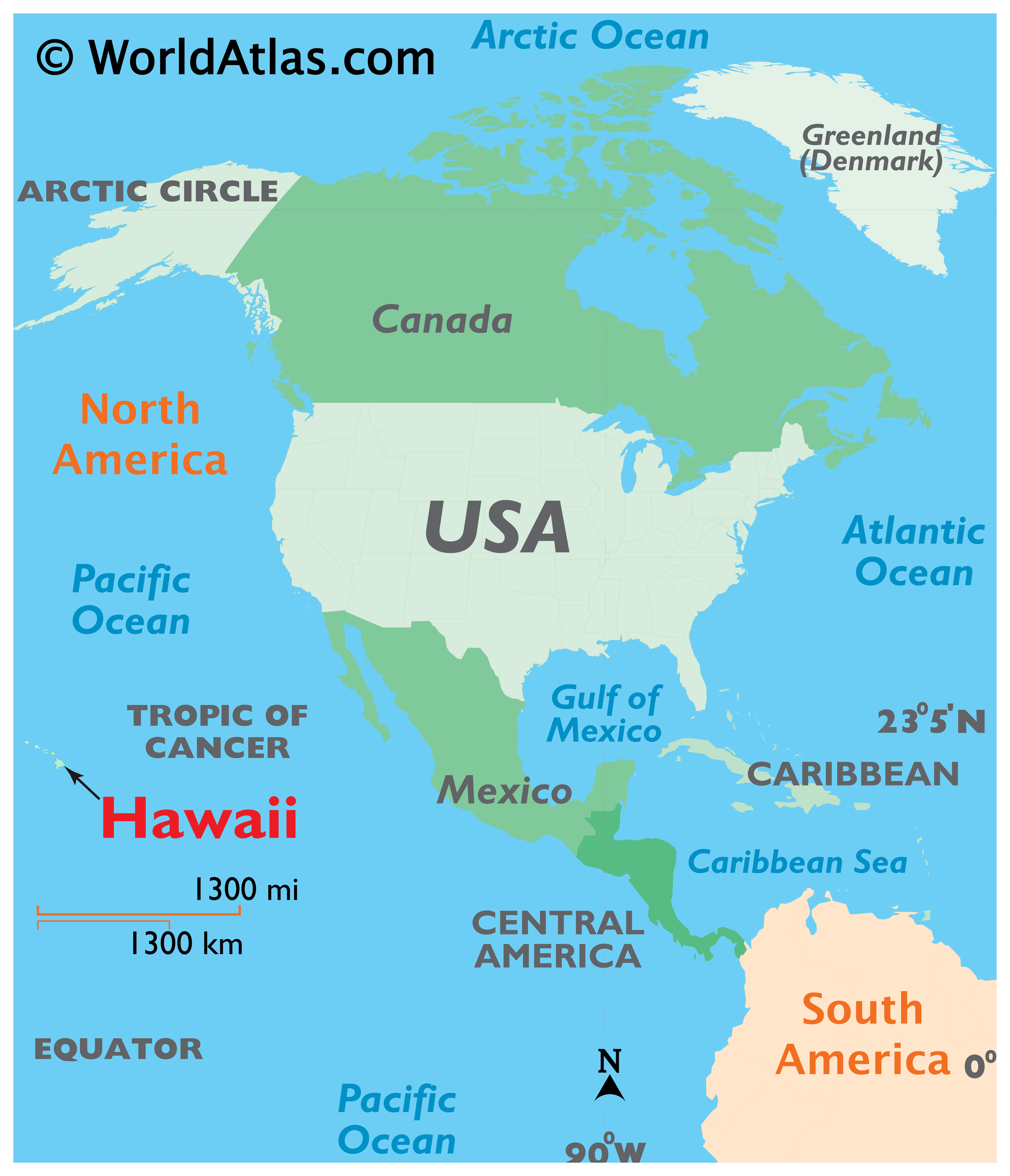
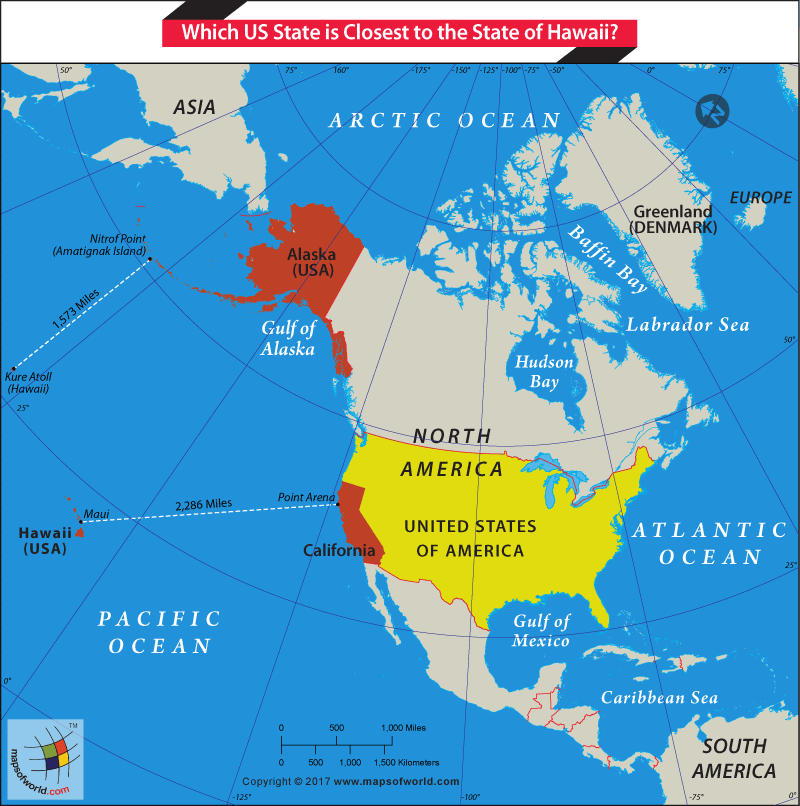
Hawaii is a remote archipelago consisting of eight main islands – Oahu, Maui, Kauai, the Island of Hawaii (often called the Big Island), Molokai, Lanai, Niihau, and Kahoolawe – along with numerous smaller islets and atolls. It stretches over 1,500 miles, making it the widest state in the United States. Located roughly 2,400 miles southwest of California, 3,850 miles east of Japan, and 4,900 miles northeast of Australia, its isolation in the central Pacific Ocean is a defining characteristic. This geographical distance contributes to its unique ecosystems, endemic species, and distinct cultural development, setting it apart from other US states like Florida or Alaska.
The islands are volcanic in origin, formed by a hotspot in the Earth’s mantle, resulting in a dramatic and varied landscape. From the active volcanoes of the Big Island to the lush cliffs of the Na Pali Coast State Park on Kauai and the iconic beaches of Oahu, each island offers a distinct natural experience. This diverse geography supports a wide array of attractions, from world-class surfing breaks to incredible hiking trails, making it a dream destination for outdoor enthusiasts. The climate is tropical, with consistent warm temperatures and distinct wet and dry seasons, ensuring year-round appeal for those seeking sun and adventure.
What Makes Hawaii Unique Within the USA?
Even as a full-fledged state, Hawaii stands out from the other 49. Its uniqueness stems from a blend of historical isolation, Polynesian heritage, and the subsequent influx of diverse immigrant populations, creating a cultural mosaic unlike anywhere else in the United States. This distinct identity is palpable in its language, cuisine, traditions, and the renowned Aloha Spirit that defines local interactions. For travelers, this means an experience that transcends a typical American vacation, offering a deeper dive into a vibrant and respectful island lifestyle.
The cultural tapestry of Hawaii is a major draw for tourism, providing rich experiences that range from participating in a traditional Luau to exploring historical sites and natural landmarks. The preservation of Hawaiian traditions, storytelling, and dance gives visitors a window into a past that pre-dates American influence, enriching their understanding of the islands beyond just their scenic beauty. This cultural depth contributes significantly to the overall travel experience, making Hawaii not just a destination, but an immersive cultural journey.
A Melting Pot of Cultures: Beyond American
Hawaii’s cultural identity is a vibrant fusion, primarily rooted in indigenous Hawaiian traditions but profoundly shaped by waves of immigration. After Western contact, workers from China, Japan, the Philippines, Korea, Portugal, and other Pacific islands arrived to work on the sugar and pineapple plantations. These diverse groups brought their languages, culinary traditions, religions, and customs, which gradually blended with the existing Hawaiian culture, creating a truly unique “local” identity.
While English is the official language, many residents speak Hawaiian Pidgin, a creole language reflecting this rich heritage. The Hawaiian language, once nearly extinct, has also seen a resurgence and is taught in schools and used in official capacities. This cultural blend is most evident in Hawaiian cuisine, which is a delicious amalgamation of Asian, Polynesian, and American influences. Staples like poke, lomi salmon, kalua pig, and poi are testaments to this fusion, offering a gastronomic adventure for any visitor. Annual festivals and holidays, such as Kamehameha Day and Prince Kuhio Day, celebrate this unique heritage, providing deep insights into the island’s soul.
Natural Wonders and Iconic Landmarks
Beyond its cultural distinctiveness, Hawaii is renowned for its unparalleled natural beauty and a host of iconic landmarks. Each island boasts its own set of breathtaking landscapes and attractions. On Oahu, the capital island, visitors flock to the world-famous Waikiki Beach, the historical significance of the Pearl Harbor National Memorial, and the panoramic views from Diamond Head State Monument. The Iolani Palace in Honolulu stands as a powerful reminder of the sovereign Hawaiian monarchy, being the only official residence of royalty in the United States.
Maui captivates with the sunrise at the summit of Haleakala National Park, the scenic twists of the Road to Hana, and the pristine shores of Kaanapali Beach. Kauai, the “Garden Isle,” is home to the majestic Na Pali Coast State Park, best viewed by helicopter or boat, and the breathtaking Waimea Canyon State Park, often called the “Grand Canyon of the Pacific.” The Big Island offers the dramatic landscapes of Hawaii Volcanoes National Park, where visitors can witness active lava flows from Kilauea or explore the immense shield volcano of Mauna Loa, and the towering peak of Mauna Kea, a prime spot for stargazing. These landmarks are not just tourist attractions; they are integral to the identity and allure of Hawaii, providing a diverse range of experiences for every type of traveler.
Planning Your Hawaiian Escape: Travel, Accommodation, and Experiences

Visiting Hawaii is a dream for many, and its status as a US state significantly influences travel planning. The convenience of domestic travel for US citizens, coupled with a world-class tourism infrastructure, makes it an accessible paradise. However, maximizing your experience requires thoughtful consideration of destinations, accommodation options, and how to best engage with the local culture and environment. From luxury resorts to budget-friendly apartments, and from adventurous tours to relaxing beach days, Hawaii caters to a wide spectrum of lifestyle choices and travel preferences.
The main topics of the website – travel, hotels, tourism, accommodation, landmarks, and lifestyle – are all incredibly relevant when planning a Hawaiian getaway. The state’s commitment to sustainable tourism also encourages visitors to engage respectfully with the natural environment and local communities, ensuring that the Aloha Spirit endures for future generations.
Top Destinations and Tourist Attractions
Each of Hawaii’s main islands offers a distinct flavor and a myriad of attractions.
- Oahu: The Gathering Place – Home to the capital city of Honolulu and the bustling hub of Daniel K. Inouye International Airport, Oahu balances urban vibrancy with natural beauty. Beyond Waikiki Beach and Pearl Harbor National Memorial, explore the surfing mecca of the North Shore, hike to Diamond Head State Monument, or visit the historical Iolani Palace.
- Maui: The Valley Isle – Known for its luxurious resorts and stunning landscapes, Maui is a favorite for couples and families. Highlights include the magnificent sunrise from Haleakala National Park, the epic coastal drive of the Road to Hana, and world-class snorkeling at Molokini Crater. The primary airport is Kahului Airport.
- Kauai: The Garden Isle – Lush and dramatic, Kauai offers unparalleled natural beauty. Don’t miss the awe-inspiring cliffs of the Na Pali Coast State Park, the “Grand Canyon of the Pacific” at Waimea Canyon State Park, and picturesque beaches like Poipu Beach. Fly into Lihue Airport.
- The Island of Hawaii (Big Island): – The largest and geologically youngest island, offering incredible diversity from active volcanoes in Hawaii Volcanoes National Park to snow-capped Mauna Kea and black sand beaches. The island has two main airports: Kona International Airport on the west side and Hilo International Airport on the east.
Lesser-visited islands like Lanai and Molokai offer even more secluded and authentic Hawaiian experiences for those seeking an escape from the crowds.
Diverse Accommodation Options
Hawaii’s tourism industry is well-developed, offering an extensive range of accommodation options to suit every budget and travel style.
- Luxury Resorts: For those seeking an opulent lifestyle experience, Hawaii boasts world-class resorts with lavish amenities. Examples include the Four Seasons Resort Maui at Wailea, the Grand Hyatt Kauai Resort & Spa, and iconic properties like The Royal Hawaiian in Waikiki. These offer everything from private villas and gourmet dining to spa services and concierge-planned experiences.
- Hotels: Mid-range hotels, such as the Hilton Hawaiian Village Waikiki Beach Resort, offer comfortable stays with a variety of amenities, often catering to families and business travelers.
- Apartments and Vacation Rentals: For a more local feel, longer stays, or larger groups, booking an apartment or vacation rental through platforms like Airbnb or VRBO is an excellent option. This provides the flexibility of cooking your own meals and often more space.
- Budget-Friendly Options: Hostels, smaller guesthouses, and camping (with permits) are available for budget-conscious travelers, particularly on the outer islands, offering opportunities for affordable long-term stays.
- Family-Friendly Resorts: Many resorts, like Disney’s Aulani Resort on Oahu, are specifically designed with families in mind, offering kids’ clubs, multiple pools, and family-oriented activities.
When booking, consider the island you’re visiting, your budget, and the type of experience you desire, whether it’s beachfront luxury, a quiet retreat, or a vibrant urban stay.
Embracing the Local Lifestyle and Tourism
Experiencing Hawaii goes beyond simply visiting landmarks; it involves immersing yourself in the local lifestyle and participating in its unique tourism offerings. Activities abound: learn to surf in Waikiki, hike through a lush rainforest in Kauai, snorkel with vibrant marine life in Maui, or witness the power of a volcano on the Big Island. A traditional Luau is a must-do to experience Hawaiian food, music, and hula dance. Exploring local markets like KCC Farmers Market on Oahu offers a taste of local produce and crafts.
Sustainable tourism is increasingly important in Hawaii. Visitors are encouraged to practice responsible travel, respecting the ‘aina (land) and kai (ocean), supporting local businesses, and learning about Hawaiian culture and history. This commitment to responsible travel ensures that Hawaii’s natural beauty and cultural integrity are preserved for generations to come, enriching the experience for everyone who visits.
Practicalities of Visiting Hawaii as a US State
Understanding Hawaii’s statehood is not just an academic exercise; it significantly impacts the practical aspects of planning and enjoying your trip. From travel documentation to currency and communication, the fact that Hawaii is part of the USA simplifies many logistical elements, especially for American travelers. This allows visitors to focus more on the unparalleled experiences the islands offer, rather than navigating complex international travel requirements.
However, while many aspects are simplified, some unique considerations remain, particularly regarding inter-island travel, environmental stewardship, and respecting the local way of life. By being aware of these practicalities, travelers can ensure a smooth, enjoyable, and respectful journey through this incredible US state.
Travel Logistics and Entry Requirements
For US citizens traveling from the continental United States, visiting Hawaii is considered domestic travel. This means you do not need a passport; a valid government-issued photo ID (like a driver’s license) is sufficient for air travel. There are no immigration checks or customs declarations required upon arrival from other US states. This ease of entry is a significant advantage, removing a common barrier for international destinations.
For international visitors, the same US visa and passport requirements apply as for entry to any other US state. Flights typically land at Daniel K. Inouye International Airport (Honolulu on Oahu), Kahului Airport on Maui, Lihue Airport on Kauai, or Kona International Airport or Hilo International Airport on the Big Island. Inter-island travel is also straightforward, with short flights connecting the major islands, similar to domestic flights within any other state. The currency used is the US Dollar, and English is widely spoken, though learning a few Hawaiian phrases like “aloha” (hello/goodbye/love) and “mahalo” (thank you) is always appreciated and adds to the cultural immersion.
Budgeting and Lifestyle Choices
Planning your budget for a Hawaiian vacation requires careful consideration, as the cost of living and tourism can be higher than in many parts of the continental United States. This is due to the remote location, requiring most goods to be shipped to the islands.
- Luxury Travel: For those desiring a high-end lifestyle, Hawaii delivers with ultra-luxury resorts, private villas, gourmet dining, and exclusive experiences. Think private yacht charters, helicopter tours, and world-class spas.
- Budget Travel: It is possible to visit Hawaii on a tighter budget by utilizing vacation rentals or hostels, cooking some of your own meals, taking advantage of free natural attractions like beaches and hiking trails, and exploring local eateries for more affordable dining. Advanced booking of flights and accommodation can also yield significant savings.
- Family Trips: Hawaii is an ideal destination for family trips, with numerous kid-friendly resorts and activities like snorkeling, surfing lessons, and exploring tide pools. Many resorts offer family packages and amenities.
- Business Stays: While primarily a leisure destination, Hawaii, particularly Honolulu, also caters to business travelers with modern convention centers and business-friendly hotels.
Regardless of your budget or lifestyle, thoughtful planning, from transportation to dining and activities, will ensure a memorable Hawaiian experience. The unique blend of American infrastructure and distinct island culture makes Hawaii an unparalleled destination within the United States.
In conclusion, Hawaii is unequivocally part of the USA, a reality that simplifies travel for American citizens while offering a travel experience that feels wonderfully distinct. Its rich history, vibrant multiculturalism, and stunning natural landscapes ensure that a visit to the Aloha State is far more than just another trip; it’s an immersion into a unique slice of America that continues to captivate and inspire. From the convenience of domestic flights and familiar currency to the profound beauty of its landmarks and the warmth of its Aloha Spirit, Hawaii offers a travel destination unlike any other, seamlessly blending the comforts of home with the allure of a truly exotic paradise.
LifeOutOfTheBox is a participant in the Amazon Services LLC Associates Program, an affiliate advertising program designed to provide a means for sites to earn advertising fees by advertising and linking to Amazon.com. Amazon, the Amazon logo, AmazonSupply, and the AmazonSupply logo are trademarks of Amazon.com, Inc. or its affiliates. As an Amazon Associate we earn affiliate commissions from qualifying purchases.