
The question of whether Hawaii is part of the United States might seem surprising to some, but it’s a query often posed by those planning international travel or simply curious about the unique geography and political status of this island paradise. The answer, unequivocally, is yes. Hawaii stands proudly as the 50th state of the United States, a vibrant and distinctive jewel nestled in the heart of the Pacific Ocean. Its unique blend of indigenous culture, stunning natural beauty, and modern American conveniences makes it an unparalleled travel destination, drawing millions of visitors each year. Understanding Hawaii’s journey to statehood and what that entails for travelers is key to appreciating its enduring allure as a part of the American fabric. From seamless travel logistics for U.S. citizens to the blend of cultures that defines the Aloha State, Hawaii’s place in the Union is a story of history, geography, and unparalleled hospitality. This article will delve into the historical context of Hawaii’s statehood, explore the practical implications for travelers, and highlight the incredible experiences that await in this quintessential American destination.
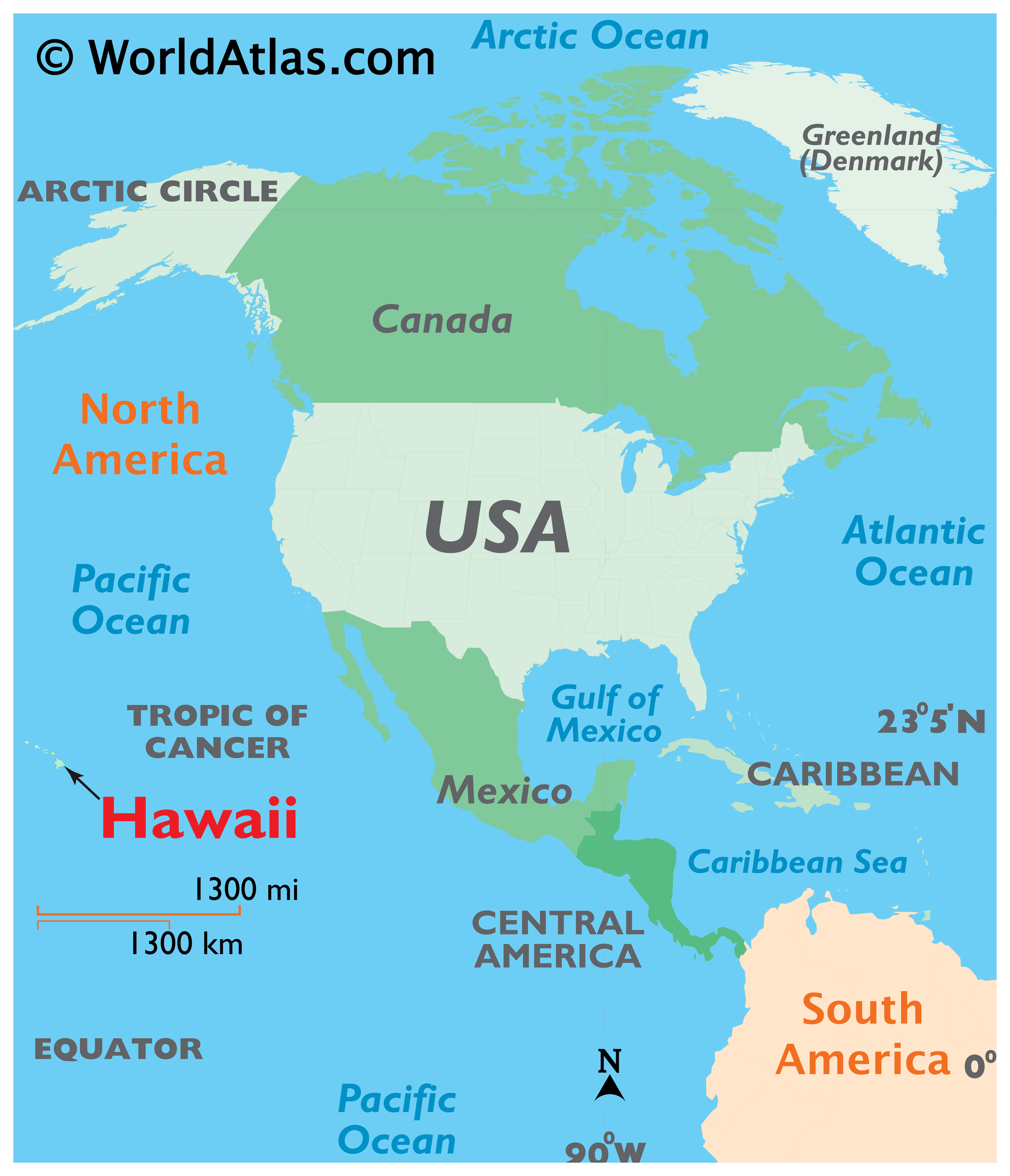
A Resounding Yes: Hawaii’s Place in the Union
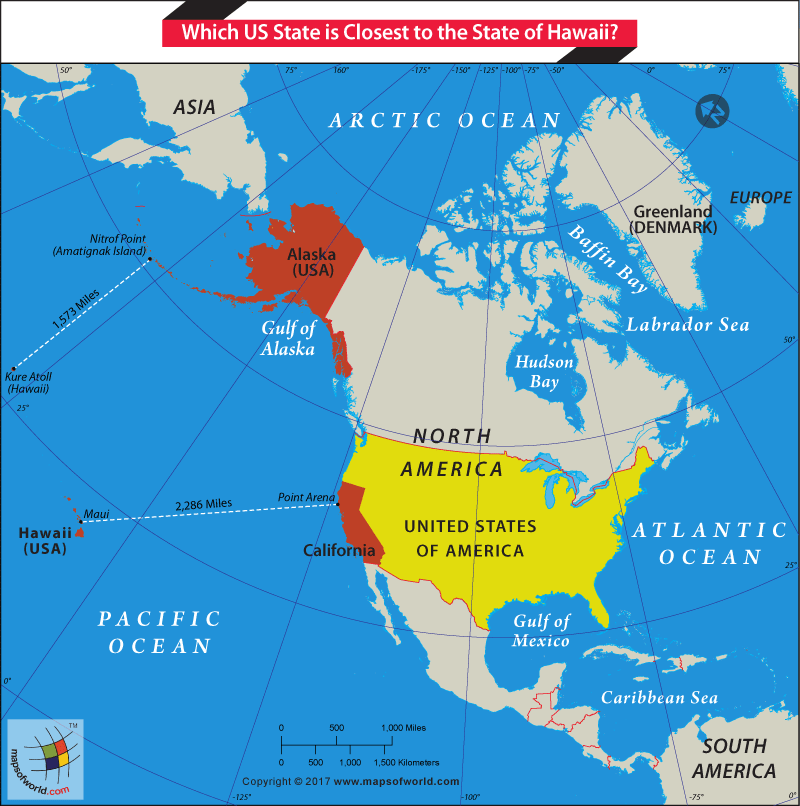
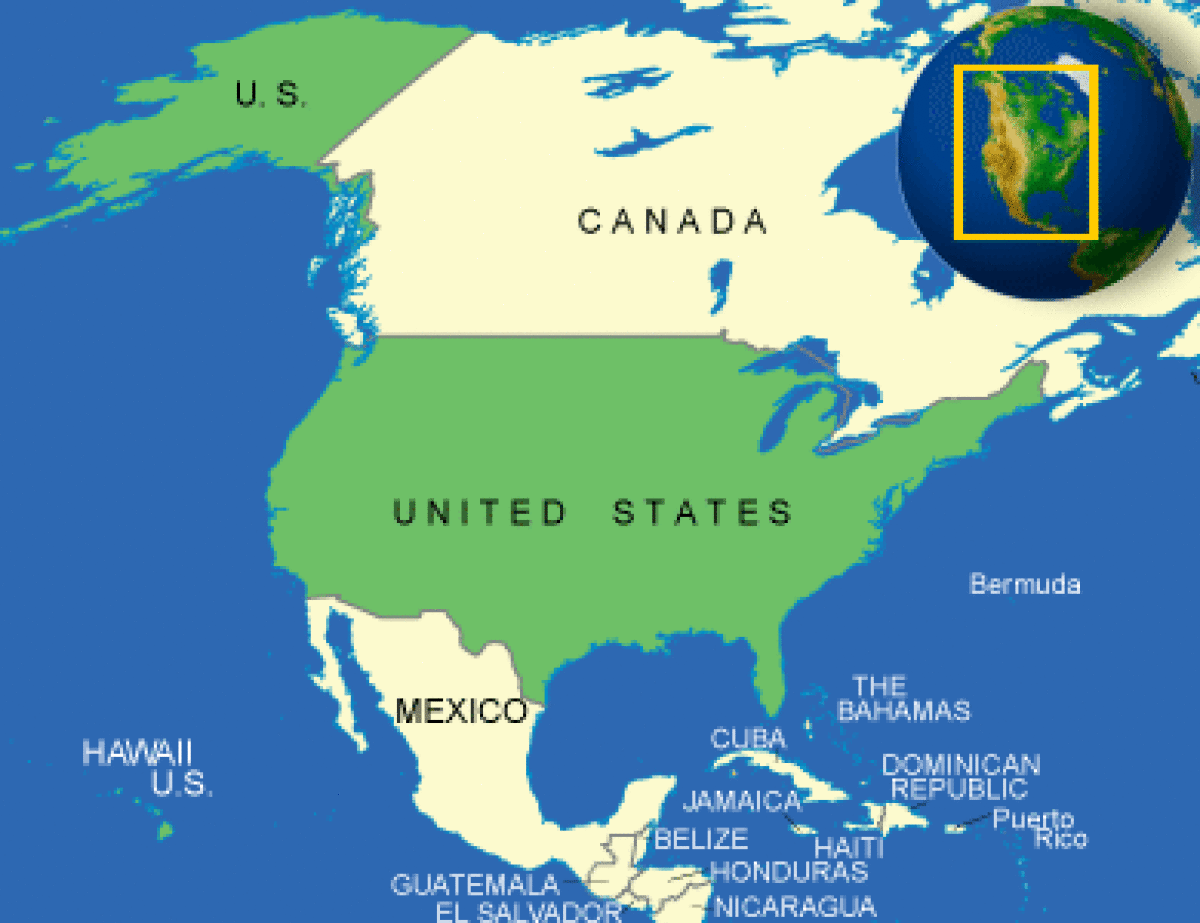
The assertion that Hawaii is indeed a part of the United States is not just a geographical fact but a historical one, solidified by its statehood in the mid-20th century. This island chain, more than 2,000 miles southwest of the continental U.S. mainland, represents the only state located entirely in Oceania and the only one composed entirely of islands. Its journey from an independent kingdom to a U.S. state is a fascinating narrative, deeply intertwined with global politics and local aspirations. For travelers, this status means experiencing the best of both worlds: the exotic appeal of a tropical island coupled with the safety, infrastructure, and familiarity of an American destination.
A Brief History of Annexation and Statehood
The history of Hawaii is rich and complex, predating its connection to the United States by centuries. Originally settled by Polynesian voyagers, the islands were unified into a single, sovereign kingdom by King Kamehameha I in 1810. For most of the 19th century, the Hawaiian Monarchy maintained its independence, developing diplomatic ties with various global powers, including the United States. However, by the late 1800s, American business interests, particularly in the sugar industry, grew significantly on the islands, leading to increased political influence.
In 1893, a group of American and European businessmen, with the support of the U.S. minister to Hawaii, overthrew Queen Liliuokalani, the last monarch of Hawaii. This led to the establishment of the Republic of Hawaii in 1894. Just four years later, amidst the Spanish-American War and growing American imperial ambitions, the United States formally annexed Hawaii as a territory in 1898. For over six decades, Hawaii operated as a U.S. territory, gradually adopting American laws and institutions while retaining much of its distinct cultural identity.
The quest for statehood gained momentum after World War II, fueled by the contributions of Hawaiian citizens to the war effort and a desire for full representation in the federal government. Finally, on August 21, 1959, Hawaii was admitted into the Union as the 50th state. This historic event marked a pivotal moment, granting Hawaiian citizens full voting rights, representation in Congress, and solidifying its position as an integral part of the United States. This history not only shapes Hawaii’s governance and economy but also imbues it with a unique cultural depth that travelers can explore.
Geographical and Political Context
Hawaii’s geographical isolation in the central Pacific Ocean is a defining characteristic, setting it apart from all other U.S. states. Comprising eight main islands—Hawaii Island (the Big Island), Maui, Oahu, Kauai, Molokai, Lanai, Niihau, and Kahoolawe—it stretches across a vast oceanic expanse. Despite its remote location, Hawaii functions seamlessly within the American political system. Residents participate in federal elections, sending representatives and senators to Washington D.C.. The state adheres to federal laws, and its judicial system is integrated into the broader U.S. legal framework. This political integration ensures a stable and familiar environment for both residents and visitors, bridging the vast geographical distance with robust institutional connections. The presence of major military installations, such as Pearl Harbor Naval Base, further underscores Hawaii’s strategic importance and deep ties to the United States.
What Statehood Means for Travelers to the Aloha State
For anyone considering a trip to the tropical paradise, Hawaii’s status as a U.S. state has numerous practical and cultural implications that significantly enhance the travel experience. It simplifies logistics, ensures familiar standards, and offers a unique blend of American and indigenous Hawaiian influences that are hard to find anywhere else in the world.
Seamless Travel and Accessibility
One of the most significant advantages for U.S. citizens traveling to Hawaii is the sheer ease of access. There is no need for a passport, no currency exchange required (the U.S. dollar is the official currency), and no complex visa applications. Travel is essentially domestic, much like flying from New York to California. Major airlines offer frequent flights from various mainland cities to Honolulu International Airport on Oahu, Kahului Airport on Maui, Kona International Airport on the Big Island, and Lihue Airport on Kauai, among others. This domestic classification means straightforward security procedures, familiar consumer protections, and the assurance of American legal standards. Infrastructure is well-developed, with reliable roads, telecommunications, and emergency services. This convenience allows travelers to focus entirely on enjoying their vacation, free from the common anxieties associated with international travel.
A Blend of Cultures: American and Hawaiian
While undeniably American, Hawaii retains a vibrant and distinct culture rooted in its Polynesian heritage. This blend is what makes the Aloha State truly special. Visitors will encounter traditional Hawaiian language (though English is universally spoken), music, dance (hula), and culinary traditions existing harmoniously alongside contemporary American influences. From the architecture in Honolulu to the local cuisine, this cultural fusion is palpable. The concept of “Aloha,” embodying love, peace, compassion, and respect, permeates daily life and interactions, offering a unique spiritual dimension to the American experience. This cultural richness provides travelers with opportunities for genuine immersion, whether through attending a traditional luau, visiting historical sites, or simply interacting with locals who proudly share their heritage. The state’s commitment to preserving its natural beauty and cultural practices ensures that visitors can experience both the convenience of a U.S. destination and the exotic charm of a Polynesian paradise.
Exploring Hawaii: Destinations, Attractions, and Accommodations
Hawaii’s status as a U.S. state makes it an accessible dream destination, but it’s the incredible diversity of its islands and the wealth of experiences they offer that truly draw visitors. Each island presents its own unique character, from bustling cityscapes to serene natural wonders, ensuring there’s something for every type of traveler.
Iconic Islands and Their Charms
The main Hawaiian Islands each boast distinct attractions and landscapes:
-
Oahu: The Gathering Place
Home to the state capital, Honolulu, Oahu is the most populated and developed island. It offers a dynamic mix of urban excitement and natural beauty. Iconic sights include the world-famous Waikiki Beach, where visitors can learn to surf or relax on golden sands. History buffs can pay their respects at Pearl Harbor, a profound historical landmark. For breathtaking views, a hike up Diamond Head Crater is a must-do. The island’s North Shore is legendary for its massive winter waves, attracting professional surfers and spectators alike. -
Maui: The Valley Isle
Known for its romantic ambiance and diverse landscapes, Maui is a favorite for honeymoons and family trips. The scenic Road to Hana winds through lush rainforests, past cascading waterfalls, and stunning coastal views. Witnessing the sunrise from the summit of Haleakala National Park‘s dormant volcano is an unforgettable experience. Maui also boasts excellent beaches like Ka’anapali and Wailea, perfect for swimming, snorkeling, and whale watching in winter. The historic whaling town of Lahaina offers charming shops and dining.
-
Kauai: The Garden Isle
Kauai lives up to its nickname with its verdant, dramatic landscapes. The stunning Na Pali Coast, with its towering sea cliffs and secluded beaches, is best explored by boat, helicopter, or a challenging hike. Waimea Canyon, often called the “Grand Canyon of the Pacific,” offers panoramic vistas. Poipu on the south shore is popular for its sunny beaches and resorts, while Princeville in the north is known for its luxurious accommodations and golf courses. -
Big Island (Hawaii Island): The Orchid Isle
The largest of the islands, the Big Island is still growing thanks to the active volcanoes within Hawaii Volcanoes National Park. Visitors can witness lava flows (when active and safe), explore lava tubes, and hike across solidified lava fields. The island is also incredibly diverse, featuring black sand beaches, lush rainforests near Hilo, and the dry, sunny coffee farms of Kona.
Accommodations for Every Traveler
As a premier U.S. travel destination, Hawaii offers an extensive range of accommodations, catering to every budget and travel style.
-
Luxury Resorts: For those seeking unparalleled indulgence, Hawaii is home to world-class resorts offering lavish amenities. The Four Seasons Resort Maui at Wailea and the Grand Hyatt Kauai Resort & Spa are renowned for their impeccable service, stunning oceanfront locations, exquisite dining, and opulent suites. Other notable options include the historic Royal Hawaiian in Waikiki, The Ritz-Carlton, Kapalua on Maui, and Disney’s Aulani Resort on Oahu, perfect for families. These properties often feature multiple pools, spas, golf courses, and direct beach access.
-
Boutique Hotels: Travelers looking for a more intimate and unique experience can find charming boutique hotels that reflect local character and offer personalized service. These might be found tucked away in Honolulu’s trendy neighborhoods, along Maui’s lesser-known coasts, or amidst Kauai’s lush landscapes.
-
Budget-Friendly Options: While Hawaii can be an expensive destination, budget-conscious travelers have several options. Vacation rentals, such as apartments and villas booked through platforms like Airbnb or VRBO, can offer more space and cost savings, especially for longer stays or groups. Hostels are available in more urban areas like Honolulu, and some hotels, particularly those further from the prime beach zones, offer more economical rates. Booking well in advance and traveling during the shoulder seasons can also help secure better deals on accommodation.
Culinary Delights and Cultural Experiences
No trip to Hawaii is complete without indulging in its incredible culinary scene and immersing oneself in its rich culture.
-
Food: Hawaiian cuisine is a delicious fusion of Polynesian, Asian, and American influences. Must-try dishes include fresh poke (marinated raw fish), plate lunches (a hearty meal typically with rice, macaroni salad, and an entrée), and shave ice (a finely shaved ice dessert topped with flavorful syrups and often ice cream or red beans). A traditional luau, featuring kalua pig cooked in an imu (underground oven), poi, and other local delicacies, accompanied by hula dancing and live music, is a quintessential Hawaiian experience. The islands also boast a thriving farm-to-table movement, with fresh seafood and locally grown produce readily available.
-
Activities: Hawaii is an adventurer’s playground. Opportunities for surfing, snorkeling, scuba diving, kayaking, and paddleboarding abound. Inland, hiking trails lead to spectacular waterfalls, volcanic craters, and lush botanical gardens. Helicopter tours offer unparalleled aerial views of the islands’ dramatic landscapes. Cultural activities like hula lessons, lei making, and visits to ancient Hawaiian temples (heiau) provide deeper insights into the island’s heritage.
-
Respecting Local Culture: Visitors are encouraged to engage with local culture respectfully. Learning a few Hawaiian phrases, understanding the significance of sacred sites, and supporting local businesses contributes to a more authentic and enriching travel experience while honoring the traditions of the Aloha State.
Planning Your American Paradise Getaway
With Hawaii’s unambiguous status as a U.S. state, planning a trip becomes much simpler for American travelers, yet some preparation is still advisable to ensure a smooth and memorable vacation.
Practical Tips for a Smooth Trip
-
Best Time to Visit: Hawaii enjoys a mild, tropical climate year-round, but generally, the shoulder seasons (April-May and September-November) offer pleasant weather with fewer crowds and potentially better deals on flights and accommodations. Peak season runs from mid-December to March and during summer months.
-
Inter-Island Travel: To experience the diversity of Hawaii, inter-island flights are essential. Hawaiian Airlines and Southwest Airlines offer frequent and relatively short flights between the major islands, making island hopping convenient. It’s recommended to book these flights in advance, especially during peak travel times.
-
Packing Essentials: Pack light, breathable clothing, swimsuits, reef-safe sunscreen (required by law in Hawaii), insect repellent, a hat, sunglasses, and comfortable walking shoes. Depending on your activities, consider bringing hiking boots and a light jacket for higher elevations like Haleakala.
-
Budgeting (Luxury vs. Budget Travel): While Hawaii is often perceived as a luxury destination, it can be enjoyed on various budgets. Luxury travelers can indulge in high-end resorts and fine dining, while budget travelers can opt for vacation rentals, local eateries, and free natural attractions. Transportation costs can be minimized by renting a car for a portion of the trip or utilizing public transport where available (like Oahu’s TheBus). Planning activities, accommodation, and dining in advance can help manage costs effectively.
The Enduring Allure of Hawaii as a US Destination
In conclusion, the answer to “Is Hawaii part of the United States?” is an emphatic yes. Its journey from a sovereign kingdom to the 50th state is a testament to its resilience and unique identity. For travelers, this status transforms a seemingly exotic locale into an accessible and secure American adventure. Hawaii’s position in the United States means that visitors can easily plan their trips, rely on familiar regulations, and enjoy robust infrastructure, all while immersing themselves in a culture that is both profoundly American and distinctly Polynesian.
From the sun-drenched shores of Waikiki to the volcanic landscapes of the Big Island, and the lush cliffs of the Na Pali Coast, Hawaii offers a kaleidoscope of experiences. It is a destination where adventure meets relaxation, history intertwines with vibrant modern life, and the spirit of Aloha welcomes everyone. Whether you seek luxurious resort stays at properties like the Hilton Hawaiian Village Waikiki Beach Resort, budget-friendly exploration, or a deep dive into local traditions, Hawaii continues to stand as a premier U.S. travel destination, promising unforgettable memories in an American paradise.
LifeOutOfTheBox is a participant in the Amazon Services LLC Associates Program, an affiliate advertising program designed to provide a means for sites to earn advertising fees by advertising and linking to Amazon.com. Amazon, the Amazon logo, AmazonSupply, and the AmazonSupply logo are trademarks of Amazon.com, Inc. or its affiliates. As an Amazon Associate we earn affiliate commissions from qualifying purchases.