
The question “Is Hawaii Polynesian?” delves deep into the very essence of the archipelago, revealing a rich tapestry of history, culture, and identity that profoundly shapes its appeal as a global travel destination. For those planning a journey to these enchanting islands, understanding this fundamental connection isn’t just an academic exercise; it’s a gateway to a more immersive and authentic experience. From its ancient origins rooted in daring voyages across the Pacific Ocean to its vibrant contemporary culture, Hawaii stands as a proud, integral part of Polynesia.
The Polynesian triangle, a vast expanse of the Pacific Ocean, connects Hawaii to other iconic island nations like New Zealand (Aotearoa) and Easter Island (Rapa Nui). Within this triangle, a shared heritage of language, mythology, social structures, and seafaring prowess binds these seemingly disparate lands. Hawaii, specifically, represents the northernmost apex of this cultural region, distinguishing itself from its neighbors Melanesia and Micronesia. This article will explore the undeniable Polynesian identity of Hawaii, tracing its historical roots, celebrating its cultural manifestations, and guiding travelers on how to experience this profound heritage during their visits.

The Ancient Roots: A Journey Across the Pacific
The story of Hawaii’s Polynesian identity begins millennia ago with one of humanity’s most extraordinary feats of exploration and settlement. Long before European navigators ventured across the globe, Polynesian ancestors embarked on epic voyages, guided by an intimate knowledge of the stars, currents, and winds.
Navigating the Stars: Polynesian Wayfinding
Imagine setting sail on a double-hulled canoe, not for a short coastal trip, but for thousands of miles across an uncharted ocean, carrying your entire civilization – plants, animals, and people – to an unknown destination. This was the reality for the ancient Polynesian voyagers. Originating perhaps from Southeast Asia, they gradually spread eastward, settling islands like Tahiti and the Marquesas Islands before making their monumental journey north to Hawaii.
These master navigators employed sophisticated techniques that baffle modern minds. They read subtle swells reflected off distant islands, observed the flight patterns of birds, and understood the complex patterns of stars and planets with unparalleled precision. Their canoes, marvels of engineering for their time, were capable of carrying significant numbers of people and provisions, allowing for the successful colonization of new lands. The first documented settlers of Hawaii are believed to have arrived from the Marquesas Islands around 300-500 CE, followed by a second wave from Tahiti around the 11th century. This history of ingenious exploration is proudly celebrated today, with modern replicas of ancient voyaging canoes like the Hōkūleʻa and Hawaiʻi Loa undertaking goodwill voyages around the world, rekindling the spirit of their ancestors. For travelers interested in this incredible heritage, visiting cultural centers or museums that showcase traditional canoes and navigation techniques offers a profound glimpse into Hawaii’s earliest Polynesian roots.
The Birth of a Kingdom: Early Hawaiian Society
Upon arrival, the Polynesian settlers meticulously adapted their way of life to the unique Hawaiian environment. They brought with them staple crops like taro, breadfruit, and sweet potato, along with animals such as pigs, chickens, and dogs. Over centuries, a distinct Hawaiian culture evolved, albeit one deeply rooted in its Polynesian origins.
Society was highly structured, led by a hereditary class of chiefs, or Aliʻi Nui, who traced their lineage back to the gods. A complex system of laws and taboos, known as Kapu, governed every aspect of life, from resource management to social interactions. This hierarchical structure, common across many Polynesian societies, ensured stability and communal well-being. Land was managed communally, and sophisticated irrigation systems were developed for agriculture, demonstrating an advanced understanding of their environment. The unification of the islands under King Kamehameha I in the late 18th century marked the zenith of this independent Polynesian kingdom, a legacy that still resonates in the pride and identity of the Native Hawaiians today. Travelers can explore this historical context by visiting significant historical sites and museums dedicated to preserving the story of the Hawaiian Kingdom and its Polynesian founders.
Cultural Tapestry: Weaving Polynesian Heritage into Modern Hawaii
Despite centuries of foreign influence, colonization, and the eventual integration into the United States, Hawaii’s Polynesian heritage remains vibrant and palpable. It’s not merely a historical footnote but a living, breathing part of daily life, influencing everything from language to art to the welcoming spirit that defines the islands.
Language, Legends, and the Rhythmic Hula
At the heart of Hawaii’s Polynesian identity is its language, Hawaiian Language or ʻŌlelo Hawaiʻi. Closely related to other Polynesian languages like Tahitian and Maori, it serves as a direct link to the ancestral voyagers. While suppressed for many years, a powerful revitalization movement has brought ʻŌlelo Hawaiʻi back into schools and daily conversations. Learning a few basic Hawaiian words, like “Aloha” (hello/goodbye/love) and “Mahalo” (thank you), is a respectful way for visitors to engage with the local culture.
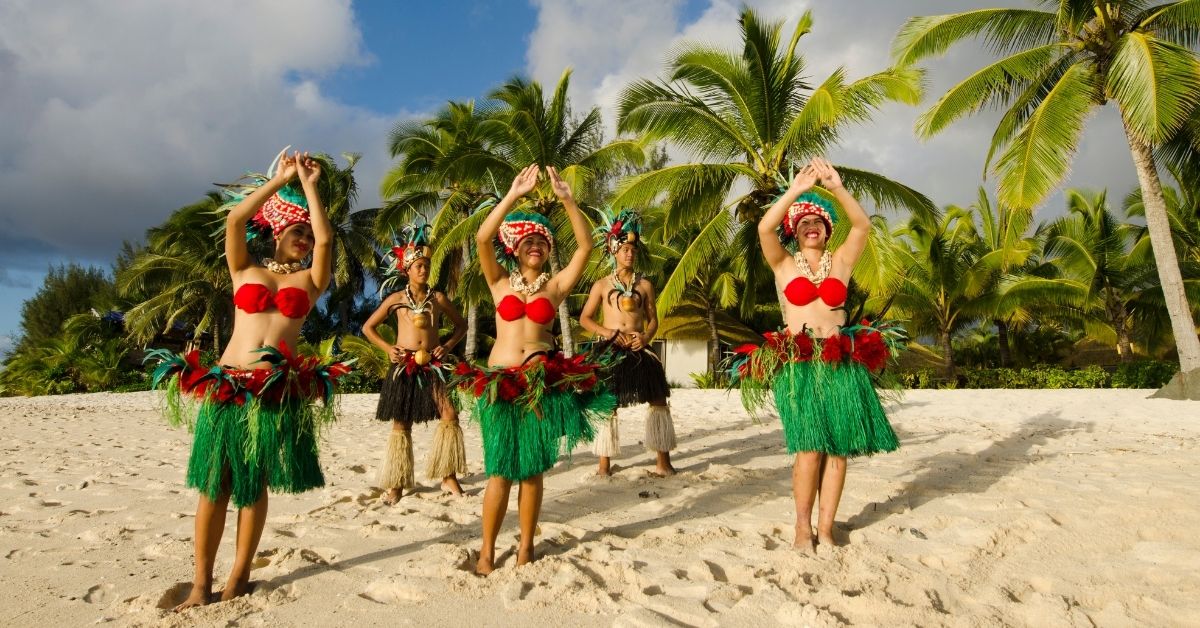
Equally central is the hula, a storytelling dance that embodies the heart and soul of Hawaiian culture. Far more than just entertainment, hula is a sacred art form, conveying ancient legends, historical events, and profound emotions through intricate movements, chants (mele), and traditional instruments. Performed by trained dancers under the guidance of a Kumu Hula (hula master), it connects the present generation to their ancestors. There are two main styles: kahiko, the ancient, powerful style accompanied by percussion and chants, and ʻauana, the more modern, graceful style often performed to contemporary music. Experiencing a live hula performance, especially one that explains the stories behind the movements, is an unforgettable cultural experience for any traveler.
Preserving the Past: Landmarks and Cultural Experiences
Hawaii’s commitment to preserving its Polynesian heritage is evident in numerous landmarks and dedicated cultural sites. The Polynesian Cultural Center on Oahu is a prime example, offering an immersive journey through various Polynesian island cultures, including Hawaii, Tahiti, Fiji, Samoa, and New Zealand. Visitors can learn about traditional crafts, watch cultural performances, and even try their hand at ancient skills.
Beyond curated experiences, historical landmarks across the islands tell their own stories. In Honolulu, the Iolani Palace, the only official residence of royalty in the United States, stands as a powerful symbol of the Hawaiian Kingdom and its Polynesian rulers, particularly King David Kalākaua and Queen Liliʻuokalani. While sites like Pearl Harbor and the USS Arizona Memorial offer crucial insights into more recent history, they exist alongside ancient temples (heiau) and sacred sites that underscore the islands’ deeper Polynesian roots. Exploring these landmarks, often with knowledgeable local guides, provides a profound connection to the historical and cultural narrative of Hawaii.
Experiencing Polynesia Today: Travel and Tourism in the Islands
For millions of travelers each year, Hawaii is a dream destination, renowned for its stunning natural beauty, perfect beaches, and warm hospitality. What many may not realize is that their travel experience is inextricably linked to the islands’ deep Polynesian identity.
From Ancient Traditions to Luxury Resorts
The spirit of Aloha, a cornerstone of Hawaiian hospitality, is a direct inheritance from Polynesian values. It encompasses love, peace, compassion, and a profound respect for others and the land (Aina). This philosophy permeates the welcoming atmosphere travelers encounter, from the moment they step off the plane in Honolulu or Maui.
Many luxury resorts and hotels across Oahu, Maui, Kauai, and the Big Island integrate Polynesian and Hawaiian design elements, artwork, and even architectural styles. For example, the Four Seasons Resort Maui at Wailea or The Ritz-Carlton, Kapalua in Maui often feature lush, tropical landscaping inspired by ancient Hawaiian gardens, and offer cultural activities alongside their modern amenities. Even family-focused destinations like Disney’s Aulani Resort on Oahu are meticulously designed to tell stories of Hawaiian mythology and feature local artists and cultural practitioners. Choosing an accommodation that embraces and showcases local culture, whether it’s a grand resort, a charming boutique hotel, or a vacation villa, enhances the entire experience and offers a deeper connection to the destination. Travelers seeking unique experiences can often find guides who share the cultural significance of natural landmarks, from volcanic peaks to sacred valleys.
Embracing Local Culture: Food, Festivals, and Art
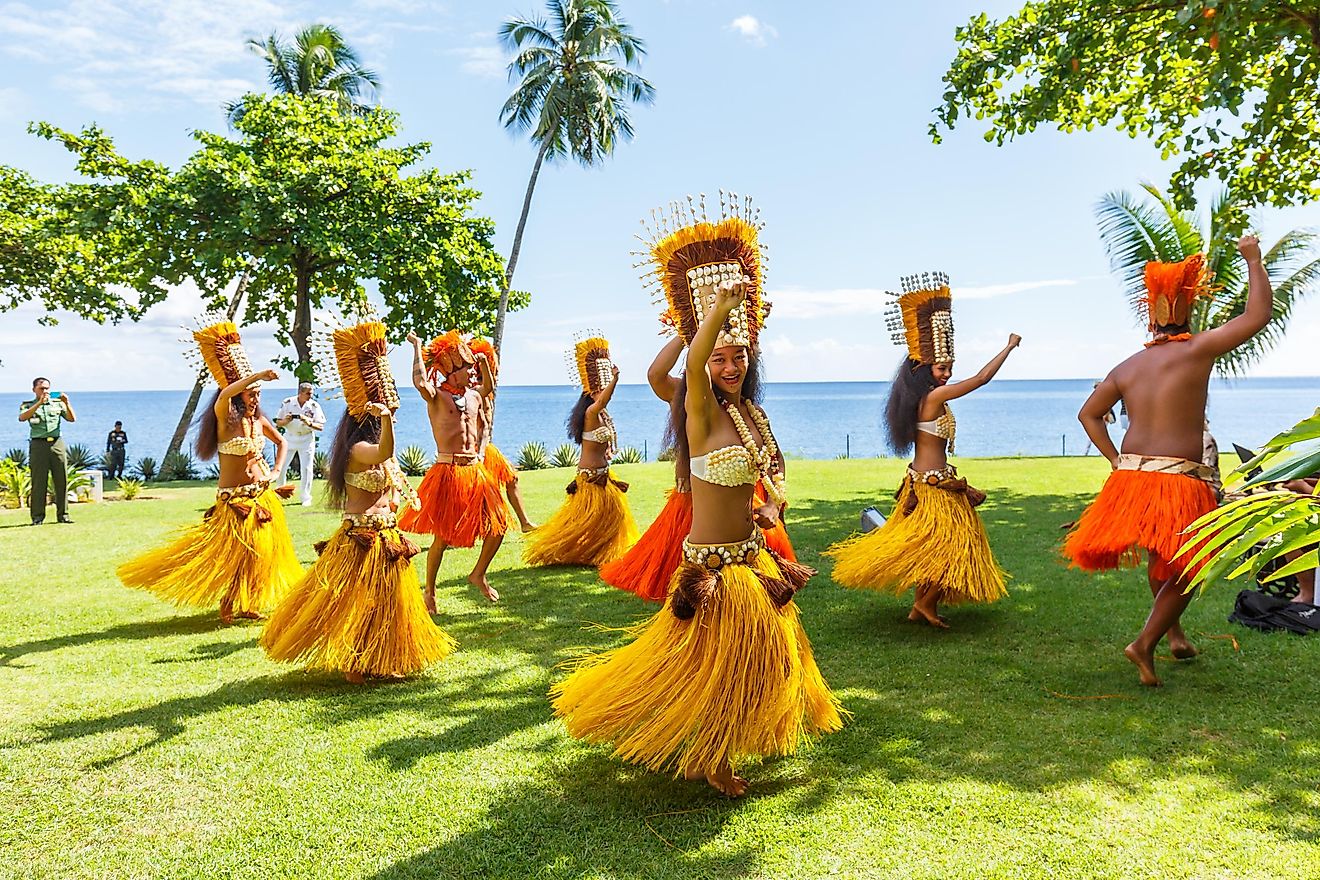
One of the most enjoyable ways for visitors to connect with Hawaii’s Polynesian identity is through its vibrant local culture, especially its food and festivals. The traditional luau is a quintessential Hawaiian experience, offering a feast of classic dishes like kalua pig (slow-roasted pork), poi (pounded taro), lomi salmon, and fresh poke, all accompanied by captivating hula and fire knife dancing. While some luau are primarily tourist-oriented, many strive to preserve the authenticity and meaning of these communal gatherings.
Throughout the year, Hawaii hosts numerous festivals that celebrate its Polynesian heritage. The annual Makahiki festival, an ancient harvest celebration, is revived in various forms, offering insights into traditional games and practices. The Merrie Monarch Festival in Hilo on the Big Island is perhaps the most prestigious hula competition in the world, drawing performers and enthusiasts from across the globe and serving as a powerful testament to the enduring strength of Hawaiian culture. Local art markets and galleries also offer opportunities to discover contemporary Hawaiian art, jewelry, and crafts, often infused with traditional Polynesian motifs and storytelling. Engaging with these cultural elements not only enriches a trip but also supports the local communities and their efforts to maintain their unique identity.
The Enduring Spirit: Why Hawaii Remains Polynesian
In conclusion, the answer to “Is Hawaii Polynesian?” is an emphatic yes. From its very genesis, through centuries of isolation and subsequent global interaction, Hawaii has retained its profound connection to the broader Polynesian world. The intrepid voyages of its ancestors, the development of its unique yet undeniably Polynesian culture, and the ongoing efforts of the Native Hawaiians to preserve their language, traditions, and arts all confirm this identity.
For travelers, recognizing and respecting this heritage transforms a simple vacation into a meaningful cultural journey. Whether you are exploring ancient temples, watching a mesmerizing hula performance, savoring local cuisine, or simply appreciating the spirit of Aloha, you are experiencing the living legacy of Polynesia. As a premier travel destination, Hawaii offers not just stunning landscapes and luxurious amenities, but also a rich, authentic cultural experience that invites visitors to delve deeper into the heart of the Pacific Ocean’s most remarkable kingdom. By embracing its Polynesian roots, Hawaii offers a travel experience unlike any other, a true blend of paradise and profound cultural heritage that resonates long after the journey ends.
LifeOutOfTheBox is a participant in the Amazon Services LLC Associates Program, an affiliate advertising program designed to provide a means for sites to earn advertising fees by advertising and linking to Amazon.com. Amazon, the Amazon logo, AmazonSupply, and the AmazonSupply logo are trademarks of Amazon.com, Inc. or its affiliates. As an Amazon Associate we earn affiliate commissions from qualifying purchases.