
Hawaii, a breathtaking archipelago in the heart of the Pacific Ocean, is renowned globally for its stunning natural beauty, vibrant culture, and perhaps most famously, its idyllic climate. When travelers dream of a Hawaiian escape, visions of sun-drenched beaches, swaying palm trees, and balmy breezes often come to mind. While these are certainly hallmarks of the islands, the question “What is the weather in Hawaii?” reveals a fascinating complexity far beyond a simple sunny forecast. The reality is that Hawaii boasts an astonishing array of microclimates, each offering a unique atmospheric experience that can vary dramatically even within a few miles. Understanding this climatic diversity is key to planning the perfect trip, selecting the right accommodation, and making the most of your travel experience.
From the arid, sun-baked leeward coasts to the lush, perpetually misted windward valleys, and from sea-level warmth to the alpine chill of volcanic summits, Hawaii’s weather is a dynamic tapestry. This article delves into the nuances of Hawaiian weather, guiding you through its diverse patterns, seasonal shifts, and how these factors impact your island adventure. Whether you’re considering a relaxing beach vacation, an adventurous hiking expedition, or a cultural immersion, knowing what to expect from the skies above will enhance every moment of your journey through the United States’ 50th state.
Understanding Hawaii’s Diverse Microclimates
The Hawaiian Islands are often described as having 10 of the world’s 14 climate zones, a testament to their incredible environmental diversity. This phenomenon is primarily due to a combination of factors: the islands’ volcanic topography, the prevailing trade winds, and their position in the subtropics. Each island—be it Oahu, Maui, Kauai, or the Big Island (Hawaii Island)—acts as a massive obstacle to the consistent northeast trade winds, forcing moisture-laden air upwards, where it cools and condenses, leading to rainfall. This process creates distinct weather patterns across very short distances, making it possible to experience a tropical downpour and brilliant sunshine within an hour’s drive.
The Leeward vs. Windward Sides
The most significant distinction in Hawaiian weather is between the “windward” and “leeward” sides of each island. The windward sides (typically the east and northeast coasts) are the first to encounter the incoming trade winds. Here, the air is forced to rise over the mountains, resulting in frequent rainfall and creating lush, verdant landscapes. These areas are characterized by dense rainforests, cascading waterfalls, and vibrant flora. Average temperatures on the windward side are generally pleasant, ranging from the mid-70s to low 80s Fahrenheit (24-28°C) year-round, but with higher humidity and more consistent precipitation. Cities like Hilo on Hawaii Island and the eastern regions of Kauai (e.g., Princeville) exemplify these conditions, offering a more tranquil, green experience often sought by those interested in nature-based tourism.
In contrast, the leeward sides (typically the west and southwest coasts) are sheltered by the mountains. By the time the trade winds descend on these sides, most of their moisture has been wrung out, leading to significantly drier, sunnier, and warmer conditions. These are the classic postcard settings for a Hawaiian vacation, featuring expansive white-sand beaches, calm waters, and abundant sunshine. Temperatures here often hover in the low to mid-80s Fahrenheit (28-30°C), with less humidity. Iconic destinations like Waikiki in Honolulu on Oahu, Lahaina and Wailea on Maui, and Kailua-Kona on Hawaii Island are perfect examples of leeward paradise. For visitors prioritizing beach activities and consistent sunshine, choosing hotels or resorts on the leeward side is often the ideal choice, offering predictable warmth for swimming, sunbathing, and watersports.
Volcanic Influence on Weather Patterns
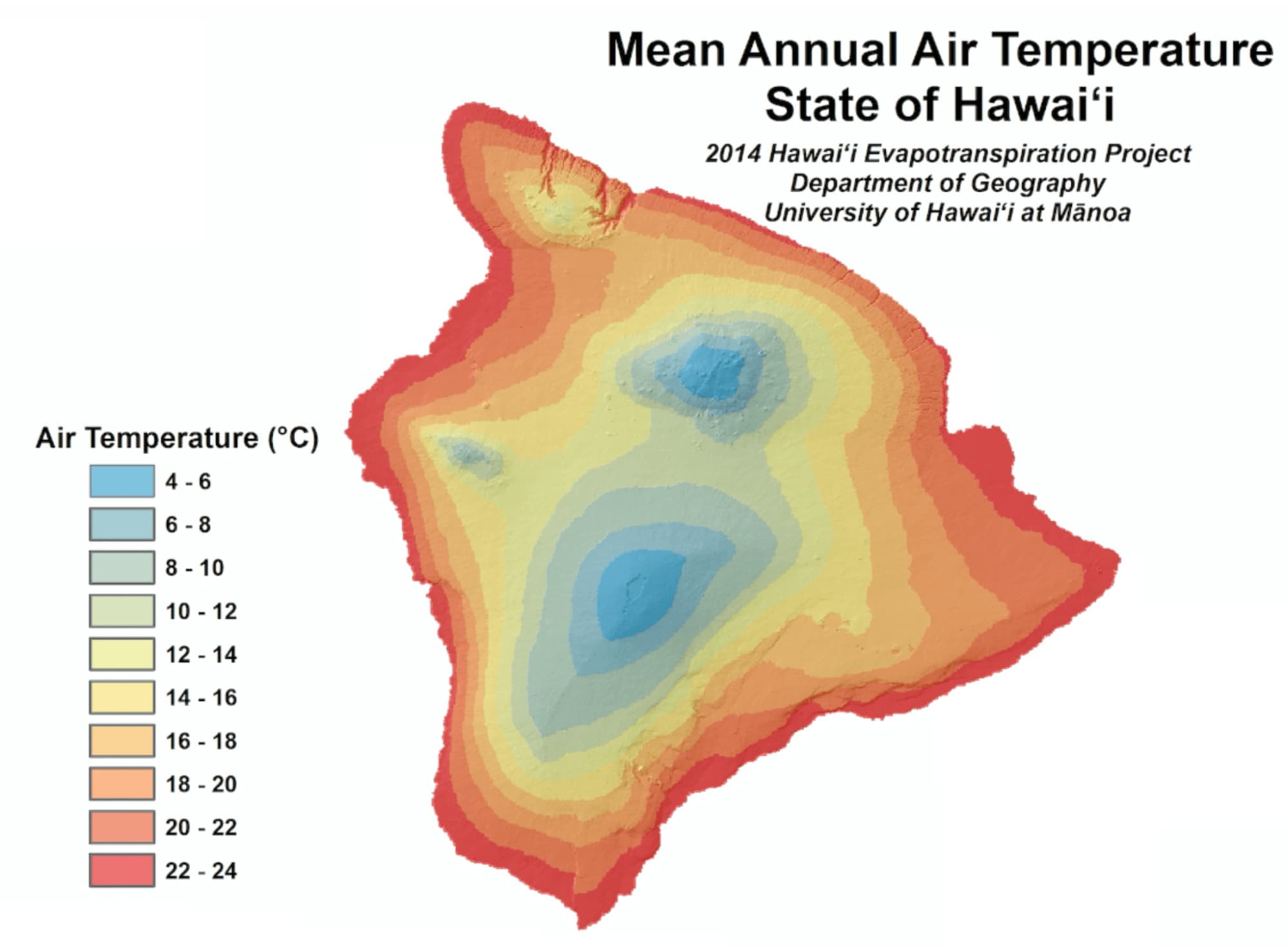
Beyond the windward/leeward dynamic, the sheer altitude of Hawaii’s volcanoes introduces another layer of climatic complexity. On Hawaii Island, for instance, you can journey from sea-level beaches to the sub-alpine and even alpine climates of Mauna Kea and Mauna Loa. Temperatures drop significantly with elevation, and precipitation patterns change. While the lower slopes might be wet and tropical, the summit of Mauna Kea often experiences freezing temperatures, and it’s not uncommon to find snow caps during winter months. This remarkable contrast means that within a single day, one could surf in the morning near Kailua-Kona and witness snowfall from the summit of Mauna Kea in the afternoon.
This altitudinal variation directly impacts activities like stargazing at the observatories on Mauna Kea or exploring Hawaii Volcanoes National Park. Proper layering is essential for high-altitude excursions, emphasizing the need for comprehensive packing regardless of your general island destination. The volcanic topography also creates unique valley breezes and localized showers that can pop up unexpectedly, adding to the adventurous spirit of exploring Hawaii’s diverse landmarks and natural wonders.
Seasonal Variations and Best Times to Visit
While Hawaii enjoys a remarkably consistent, pleasant climate year-round, there are subtle but noticeable seasonal shifts that can influence your travel plans. Unlike temperate regions with four distinct seasons, Hawaii essentially has two primary seasons: a drier, slightly warmer summer, and a wetter, slightly cooler winter. Both seasons offer ample opportunities for an incredible vacation, but understanding their characteristics can help you decide when to book your trip based on your preferences for crowds, activities, and specific weather conditions.
Winter’s Cooler Embrace (November to April)
Hawaii’s “winter” season, generally from November to April, is characterized by slightly cooler temperatures and increased rainfall, particularly on the windward sides. Average daytime temperatures range from the low to mid-70s Fahrenheit (23-26°C), dropping to the low 60s (16-18°C) at night. While still wonderfully warm for most visitors, this period sees more frequent trade wind showers, and occasionally, larger storm systems from the north Pacific Ocean can bring heavier rainfall and stronger winds, especially in January and February.
Despite the increased chance of rain, winter is also when the famous North Shore swells on Oahu come alive, making it the peak season for professional surfing competitions at legendary spots like Banzai Pipeline and Waimea Bay. This is a prime time for surf enthusiasts to visit, and even for non-surfers, witnessing the power of these waves is an awe-inspiring experience. Winter also coincides with the humpback whale migration season, making it the best time for whale watching tours, especially off the coast of Maui.
From a tourism perspective, winter is generally considered peak season, particularly during holiday periods like Christmas, New Year’s, and Spring Break. This means higher prices for hotels and flights, and larger crowds at popular attractions such as Diamond Head, Pearl Harbor, or the Maui Ocean Center. If you’re planning a trip during this period, early booking for accommodation and activities is highly recommended to secure your preferred options and potentially better rates. Resorts like The Royal Hawaiian in Waikiki or the Four Seasons Resort Maui at Wailea often see their highest occupancy during these months.
Summer’s Sunny Embrace (May to October)

Hawaii’s “summer” season, from May to October, is drier, sunnier, and slightly warmer, making it a favorite for many travelers seeking consistent beach weather. Average daytime temperatures typically range from the low to upper 80s Fahrenheit (27-31°C), with nighttime lows in the mid-70s (24-25°C). Humidity can be higher, but the consistent trade winds often provide a refreshing breeze. Rainfall is minimal, especially on the leeward coasts, ensuring long stretches of sunny days perfect for beach activities, snorkeling, and diving. The ocean temperatures are also at their warmest, making water sports even more inviting.
This period is ideal for those planning extensive beach time, exploring natural landmarks like the Na Pali Coast on Kauai via boat tours, or hiking in dryer areas like Waimea Canyon. The calmer waters are also perfect for beginners learning to surf or paddleboard. Summer is less crowded than winter, particularly outside of the peak summer vacation weeks (late June to early August), which can translate to better deals on accommodation and fewer people at popular spots. For families, resorts like Aulani, A Disney Resort & Spa on Oahu are excellent choices, offering numerous amenities and activities well-suited for the sunny weather.
The shoulder months of May, early June, September, and October are often considered the sweet spot for a Hawaiian vacation. You’ll find pleasant weather, fewer crowds, and potentially more affordable rates for hotels and flights. This period offers a fantastic balance for those looking for a luxury travel experience without the peak season rush, or for budget travelers seeking value.
Preparing for Hawaii’s Climate: Travel and Accommodation Tips
Given Hawaii’s diverse microclimates and seasonal shifts, being prepared is crucial for an enjoyable trip. Your packing choices and accommodation selection should reflect the specific activities you plan and the particular island regions you intend to explore. A little foresight can ensure you’re comfortable whether you’re lounging on a sunny beach, exploring a misty rainforest, or scaling a volcanic peak.
Packing Essentials for Every Island
Regardless of when or where you travel in Hawaii, certain items are universally recommended:
- Layered Clothing: This is perhaps the most important tip. Even if you’re staying on a sunny leeward coast, evenings can be cooler, and venturing inland or to higher elevations will almost certainly require warmer layers. Pack lightweight, breathable fabrics for daytime, along with a light jacket, sweater, or hoodie.
- Rain Gear: A lightweight, packable rain jacket or umbrella is a must, especially if you plan to visit any windward areas or rainforests (e.g., along the Hana Highway on Maui or Kualoa Ranch on Oahu). Even on sunny days, passing showers can occur.
- Sun Protection: The Hawaiian sun is intense. Bring high SPF reef-safe sunscreen (required by law in Hawaii), a wide-brimmed hat, sunglasses, and rash guards for extended water activities.
- Footwear: Pack versatile shoes. Sandals or flip-flops for the beach are essential, but also bring comfortable walking shoes or hiking boots if you plan to explore trails or more rugged terrain. Water shoes can be useful for rocky beaches or exploring tide pools.
- Swimsuits: Multiple swimsuits are a good idea, as you’ll likely be in and out of the water frequently.
- Reusable Water Bottle: Stay hydrated and help reduce plastic waste.
- Insect Repellent: Especially if you’re venturing into lush, vegetated areas.
For those planning to visit high-altitude areas like Mauna Kea on Hawaii Island, be sure to pack heavy coats, gloves, and hats, even in summer. The temperature difference between sea level and 10,000+ feet is dramatic.
Choosing the Right Accommodation
Your choice of accommodation can significantly influence your weather experience. Most visitors prefer the sunny, drier leeward coasts, where many of the large resorts and hotels are concentrated.
- Leeward Resorts: If constant sunshine and beach access are your priority, focus on destinations like Waikiki (Oahu), Wailea or Kaanapali (Maui), Poipu (Kauai), or Kailua-Kona (Hawaii Island). Resorts such as Hilton Hawaiian Village Waikiki Beach Resort or Grand Hyatt Kauai Resort & Spa offer excellent amenities, pools, and easy access to calm, sunny beaches. These areas typically have a more consistent lifestyle focused on leisure and watersports.
- Windward Escapes: For those who appreciate lush greenery, cooler temperatures, and a more serene, often rainier environment, consider staying on the windward side. These areas often feature charming villas or apartments tucked away in rainforests, offering a different kind of Hawaiian experience. While rainfall is more frequent, it often comes in short, refreshing bursts, creating a vibrant, mystical atmosphere.
- Strategic Stays: Some travelers opt for a split stay, experiencing both the sunny leeward and lush windward sides of an island, or even island hopping to sample diverse climates and destinations. For example, beginning your trip at the Turtle Bay Resort on Oahu’s North Shore to experience the more rugged, windward side, then transitioning to a Waikiki suite for a classic beach experience. When booking accommodation, always check the specific location’s typical weather patterns and reviews to match your expectations.
Weather’s Impact on Activities and Experiences
The unique weather patterns across Hawaii profoundly influence the types of activities and experiences available, often making it possible to tailor your day to the prevailing conditions. From thrilling water sports to serene cultural explorations, the weather dictates the rhythm of island life and adventure.
Surfing, Snorkeling, and Beach Days
For beach lovers and water sports enthusiasts, Hawaii’s weather is paramount. The leeward coasts, with their consistently sunny and dry weather, offer ideal conditions for swimming, snorkeling, and stand-up paddleboarding almost year-round. Calm, clear waters are typically found in areas like Hapuna Beach on Hawaii Island or Ka’anapali Beach on Maui during the summer months.
Surfing conditions, however, are highly seasonal. Winter brings massive swells to the north shores of all islands, particularly Oahu, creating world-class waves that attract professional surfers and spectators alike. If you’re hoping to catch a glimpse of the Pipe Masters or other major competitions, plan your visit for between November and February. Conversely, summer typically offers smaller, gentler waves, making it the perfect time for beginner surfers to take lessons on the south shores, such as in Waikiki. Snorkeling and diving are generally excellent year-round, but specific sites might be clearer or calmer depending on the local wind and swell conditions. Always check local forecasts and surf reports before heading out to the water.
Hiking, Sightseeing, and Cultural Exploration
Hawaii’s diverse landscapes offer incredible opportunities for hiking and sightseeing, but weather can significantly impact these plans.
- Rainforest Hikes: For lush, green rainforest trails and spectacular waterfalls, the windward sides are your best bet. Destinations like Iao Valley on Maui or the trails near Hanalei on Kauai thrive in the rainier climate. Be prepared for muddy trails and pack appropriate footwear and rain gear. While rainy, these areas offer a unique, vibrant nature experience.
- Volcanic Landscapes: Exploring the volcanic terrains, such as Hawaii Volcanoes National Park, can mean encountering a range of weather conditions. The coastal entry point might be warm and sunny, while higher elevations can be cool, misty, and even foggy. Always check the park’s specific weather forecast and be prepared for rapid changes.
- Cultural Sites and Cities: Cultural sites and city explorations, like visiting Pearl Harbor or wandering through downtown Honolulu, are less weather-dependent. However, a sunny day enhances the experience, and a sudden downpour can make outdoor activities less comfortable. Planning indoor attractions or those with good shelter for rainier days is a smart strategy. Many local food tours and indoor attractions are excellent alternatives when the weather isn’t cooperating for outdoor adventures.
- Scenic Drives: Drives like the Hana Highway on Maui are famed for their breathtaking views, but the experience is greatly enhanced on clear, sunny days. During heavy rain, some sections might be prone to landslides or reduced visibility, so checking road conditions and forecasts is always wise.
In essence, Hawaii’s weather is an integral part of its charm and allure. Far from being monotonous, it offers a spectrum of experiences for every type of traveler. By understanding these fascinating climatic variations, you can strategically plan your itinerary, pack wisely, and choose your accommodation to perfectly align with the Hawaiian adventure you envision. Whether you seek perpetual sunshine or the mystical allure of a tropical downpour, Hawaii truly delivers a unique weather experience that enhances its status as a world-class travel destination.
LifeOutOfTheBox is a participant in the Amazon Services LLC Associates Program, an affiliate advertising program designed to provide a means for sites to earn advertising fees by advertising and linking to Amazon.com. Amazon, the Amazon logo, AmazonSupply, and the AmazonSupply logo are trademarks of Amazon.com, Inc. or its affiliates. As an Amazon Associate we earn affiliate commissions from qualifying purchases.