
The allure of Hawaii is undeniable. A tropical paradise nestled in the heart of the Pacific Ocean, this archipelago offers a unique blend of stunning natural beauty, vibrant culture, and endless adventure. But for many aspiring travelers, the biggest question isn’t if they should go, but when is the best time to visit Hawaii? The answer, like the islands themselves, is multifaceted, depending heavily on what you seek from your dream vacation. From weather patterns and crowd levels to special events and budgeting, understanding the nuances of Hawaii’s seasons is key to crafting the perfect getaway.
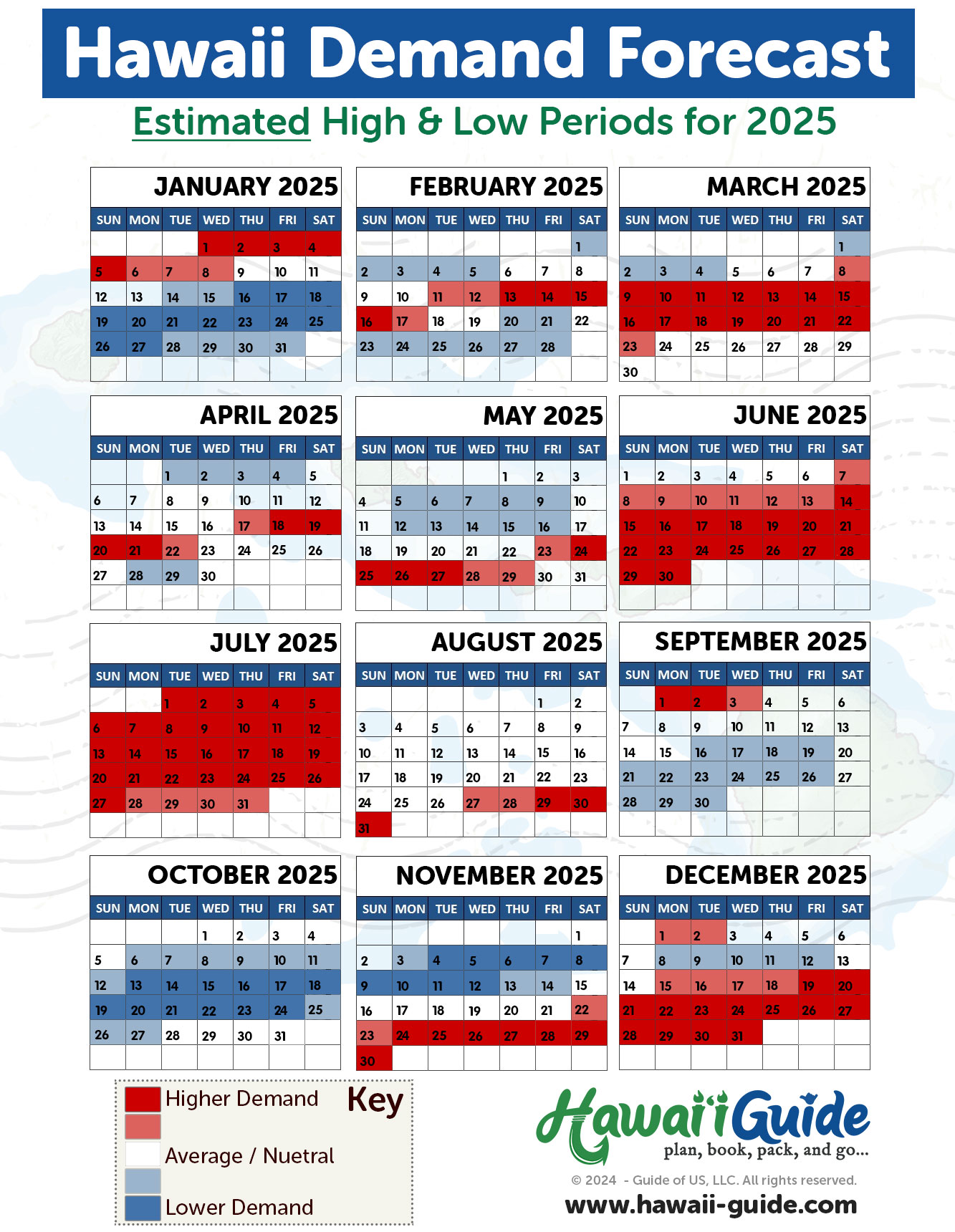
Understanding Hawaii’s Seasons: Weather, Crowds, and Costs
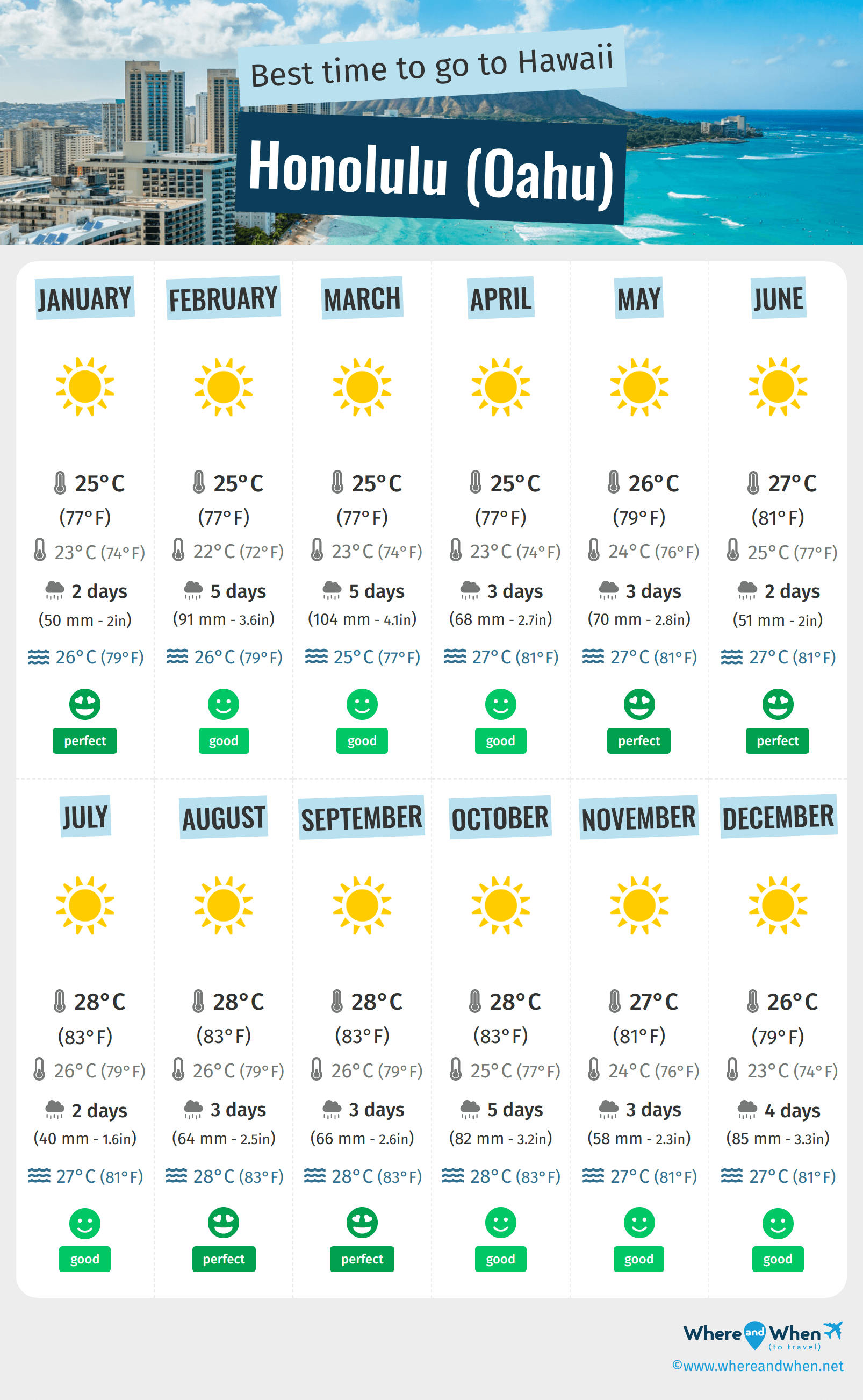
Hawaii’s climate is famously consistent, offering warmth and sunshine year-round. However, subtle shifts in temperature, rainfall, and ocean conditions create distinct seasons that influence everything from the availability of certain activities to the price of flights and accommodations. Generally, the islands experience two main seasons: a drier, warmer summer (May to October) and a slightly cooler, wetter winter (November to April).
Peak Season: Winter’s Allure and Higher Demands
The winter months, particularly from December to March, mark Hawaii’s peak tourist season. This is when visitors from colder climates, primarily the United States and Canada, flock to the islands seeking respite from the snow and ice.
Weather: While still warm, winter sees slightly cooler temperatures, averaging in the mid-70s to low 80s Fahrenheit (24-28°C). Rainfall is more frequent, especially on the windward (eastern and northern) sides of the islands, though sun showers are often brief and quickly give way to sunshine. The trade winds can also be stronger during this period, leading to larger swells on north-facing beaches – a paradise for professional surfers but potentially challenging for casual swimmers.
Crowds & Costs: Expect significantly higher prices for flights, hotels, and car rentals. Popular destinations like Waikiki on Oahu or Kaanapali on Maui will be bustling, and reservations for popular restaurants and attractions are essential. Major holidays such as Thanksgiving, Christmas, and New Year’s see the highest demand and premium pricing.
Why visit: Despite the crowds and costs, winter is prime time for certain experiences. It’s the absolute best season for whale watching, as thousands of humpback whales migrate from Alaska’s colder waters to calve and breed in Hawaii’s warm, shallow seas. North Shore Oahu comes alive with world-class surfing competitions, drawing spectators and pro athletes alike.
Shoulder Seasons: The Sweet Spot (Spring and Fall)
The periods of April to May and September to November are often considered the shoulder seasons. These months offer a fantastic balance of pleasant weather, fewer crowds, and more reasonable prices, making them ideal for many travelers.
Weather: Temperatures are comfortably warm, typically in the mid-70s to high 80s Fahrenheit (24-31°C). Rainfall is less frequent than in winter, and the ocean conditions are generally calmer, perfect for swimming, snorkeling, and diving.
Crowds & Costs: You’ll find better deals on airfare and accommodation during these times, especially if you book in advance. Tourist hotspots are less congested, allowing for a more relaxed and authentic experience. Major resorts like the Four Seasons Resort Maui at Wailea or the Grand Hyatt Kauai Resort and Spa might offer attractive packages, catering to both luxury and mid-range travelers.
Why visit: Shoulder seasons are perfect for nearly all activities, from hiking the Na Pali Coast on Kauai to exploring the volcanic landscapes of Hawaii Volcanoes National Park on the Big Island. Water sports enthusiasts will appreciate the calm waters, while those seeking cultural immersion can still catch local festivals without battling peak-season crowds.
Off-Peak Season: Summer’s Sunshine and Family Fun
Summer, spanning from June to August, is technically the off-peak season for international travelers but a popular time for families from the United States due to school holidays.
Weather: These are Hawaii’s warmest and driest months, with temperatures often in the high 80s to low 90s Fahrenheit (31-33°C). The humidity can be higher, but the consistent trade winds often provide a cooling breeze. Ocean conditions are typically at their calmest, making it ideal for beach activities across all islands.
Crowds & Costs: While not as expensive as winter, summer can still see significant crowds, especially with families. Prices will be moderate, but savvy travelers can often find good deals, particularly if they avoid the absolute peak of the school summer break. Resorts catering to families, such as Aulani, A Disney Resort & Spa on Oahu, will be quite busy.
Why visit: Summer is fantastic for general beach relaxation, snorkeling, paddleboarding, and kayaking. It’s an excellent time for family trips, with plenty of activities geared towards children, from luaus to exploring famous landmarks like Pearl Harbor. The long, sunny days provide ample opportunity for exploring the islands’ natural beauty, from Diamond Head in Honolulu to the lush landscapes along Maui’s Road to Hana.
Tailoring Your Hawaii Trip to Your Interests
Beyond general weather and crowd considerations, your specific interests and desired experiences should heavily influence your timing. Hawaii offers a vast array of activities, and certain seasons are undeniably better for particular pursuits.
Best Time for Water Sports: Surfing, Snorkeling, and Diving
- Surfing: For experienced surfers seeking massive waves, winter (November to March) is the time to head to the North Shores of Oahu, Maui, and Kauai. Legendary breaks like Banzai Pipeline and Waimea Bay roar to life. For beginner or intermediate surfers, the calmer south shores offer consistent, smaller waves year-round, but summer provides the gentlest conditions everywhere.
- Snorkeling and Diving: The summer months (May to September) boast the calmest and clearest ocean conditions across most of the islands, making it the prime time for exploring vibrant coral reefs and marine life. Popular spots like Molokini Crater off Maui or Kealakekua Bay on the Big Island are particularly inviting. While possible year-round, winter can bring stronger currents and choppier waters, especially on exposed coasts.
Best Time for Hiking & Nature Exploration
Hawaii’s volcanic landscapes, lush rainforests, and stunning coastal trails are accessible all year. However, the shoulder seasons (April-May, September-November) are arguably the best. During these periods, rainfall is generally lower than in winter, meaning trails are less muddy and slippery. Temperatures are also pleasant, avoiding the hotter, more humid conditions of summer. This is ideal for treks up Diamond Head or through the verdant Waimea Canyon on Kauai. Be aware that some high-elevation hikes, like those on Mauna Kea on the Big Island, can experience colder temperatures and even snow in winter.
Best Time for Cultural Festivals & Events
To truly immerse yourself in Hawaii’s rich local culture, timing your visit with one of its many festivals is a must.
- Merrie Monarch Festival (April): Held in Hilo on the Big Island, this week-long festival celebrates ancient and modern hula, attracting dancers and enthusiasts from around the world. It’s a profound dive into Hawaiian heritage.
- Aloha Festivals (September): This statewide celebration, spanning multiple islands throughout September, showcases Hawaiian music, dance, and history through parades, street parties, and cultural performances. It’s an excellent way to experience the vibrant spirit of the islands.
- Kona Coffee Cultural Festival (November): For coffee aficionados, this festival on the Big Island celebrates the world-renowned Kona coffee with farm tours, tastings, and cultural events.
- Ironman World Championship (October): While not a cultural festival, this grueling triathlon in Kona draws athletes and spectators globally, creating an electric atmosphere on the Big Island in October.
Best Time for Whale Watching
Without a doubt, the best time for whale watching is during the winter months, specifically from mid-December to May, with the peak occurring from January to March. During this period, thousands of North Pacific Humpback Whales migrate to Hawaii’s warm, shallow waters to breed, give birth, and nurse their calves. Maui is particularly renowned for its whale-watching opportunities, with many tours departing from Lahaina and Ma’alaea Harbor, offering incredible sightings of these magnificent creatures breaching and playing.
Budgeting & Accommodation Considerations
Your travel budget and desired type of accommodation are significant factors in deciding when to visit Hawaii. The islands offer a spectrum of choices, from opulent luxury resorts to charming boutique hotels and budget-friendly vacation rentals.
Finding the Right Stay: Resorts, Villas, and Budget Options
- Luxury Travel: If you dream of staying at world-class resorts like The Ritz-Carlton, Kapalua on Maui, the Four Seasons Resort Hualalai on the Big Island, or The Kahala Hotel & Resort on Oahu, consider the shoulder seasons (April-May and September-November) for slightly lower rates and better availability. These resorts often feature suites, villas, and apartments with unparalleled amenities, from private pools to concierge services, catering to an exclusive lifestyle. Booking well in advance is always recommended, regardless of the season.
- Mid-Range & Family Trips: Resorts like Hyatt Regency Maui Resort and Spa or Hilton Hawaiian Village Waikiki Beach Resort offer excellent value with a wide range of amenities perfect for family trips. The shoulder seasons or even summer (outside of peak school holiday weeks) provide a good balance of cost and experience. Many travelers opt for vacation apartments or larger suites to accommodate families comfortably.
- Budget Travel: For those on a tighter budget, targeting the off-peak summer months or finding deals during the fringes of the shoulder season can yield significant savings. Staying in smaller towns, opting for guesthouses, or booking accommodations with kitchenettes (like many condos and apartments) can help manage costs. Comparing different accommodation options on platforms that review and compare prices is crucial for budget travelers.
Flight & Hotel Booking Tips
Regardless of when you plan to go, flexibility is your best friend.
- Book Early: For peak season travel (winter holidays), book flights and accommodations at least 6-12 months in advance to secure the best rates and availability, especially for popular resorts and villas.
- Be Flexible with Dates: If your schedule allows, flying mid-week (Tuesday-Thursday) often results in cheaper airfares. Avoiding major holidays and school breaks can also lead to substantial savings.
- Consider Package Deals: Bundling flights and hotels can sometimes offer better value than booking them separately. Keep an eye out for travel guides and promotions from various airlines and travel agencies.
- Utilize Loyalty Programs: If you’re part of hotel or airline loyalty programs, you might be able to use points or find exclusive deals.
- Think Long-Term Stays: For those planning an extended vacation, particularly during the shoulder or off-peak seasons, some vacation rental properties or apartments might offer discounted rates for longer stays.
Hawaii’s Unique Charm: Beyond the Seasons
While weather and crowds are important, Hawaii’s timeless appeal lies in its unparalleled natural beauty and vibrant local culture, which can be enjoyed year-round.
Exploring Local Culture and Cuisine
The rich Polynesian heritage of Hawaii is a constant source of fascination. From traditional luaus featuring kalua pig and poi to contemporary farm-to-table restaurants showcasing fresh local ingredients, the food scene is an adventure in itself. Exploring farmers’ markets, trying local plate lunches, or indulging in shave ice are experiences that transcend seasonal timing. Engaging with local communities, visiting cultural centers like the Polynesian Cultural Center on Oahu, and learning a few Hawaiian phrases are ways to deepen your connection to the islands at any time of year. Each island, from bustling Oahu to serene Kauai and the adventurous Big Island, offers its own distinct cultural flavor.

Must-Visit Landmarks and Attractions
Hawaii is dotted with iconic landmarks that are stunning regardless of the season. The dramatic cliffs of the Na Pali Coast on Kauai, the historic solemnity of Pearl Harbor on Oahu, the otherworldly landscapes of Hawaii Volcanoes National Park (home to Kilauea volcano) on the Big Island, and the sunrise from Haleakala Crater on Maui are experiences that draw visitors year-round. While winter might bring a chance of rain, it often results in spectacular rainbows and lush, vibrant greenery, making the natural landscapes even more picturesque. Conversely, the clear skies of summer offer unobstructed views and ideal conditions for stargazing from Mauna Kea.
Ultimately, the “best” time to visit Hawaii is deeply personal, shaped by your preferences for weather, budget, activities, and crowd tolerance. Whether you seek the thrill of winter swells and whale sightings, the tranquil balance of spring and fall, or the sunny, calm waters of summer, Hawaii consistently delivers an unforgettable experience. By considering these factors and planning strategically, you can ensure your trip to these enchanting islands perfectly aligns with your vision of paradise.
LifeOutOfTheBox is a participant in the Amazon Services LLC Associates Program, an affiliate advertising program designed to provide a means for sites to earn advertising fees by advertising and linking to Amazon.com. Amazon, the Amazon logo, AmazonSupply, and the AmazonSupply logo are trademarks of Amazon.com, Inc. or its affiliates. As an Amazon Associate we earn affiliate commissions from qualifying purchases.