
Hawaii, with its reputation as a tropical paradise, often conjures images of endless sunshine, pristine beaches, and clear blue waters. While this idyllic picture holds true for much of the year, discerning travelers and first-time visitors alike often ponder a crucial question: “When is rainy season in Hawaii?” Understanding the islands’ weather patterns is key to planning a successful and enjoyable getaway, ensuring your travel experience aligns with your expectations. Far from being a deterrent, Hawaii’s wetter months offer a unique perspective on its lush landscapes, often coming with the added benefit of fewer crowds and potentially more affordable accommodation options.
Understanding Hawaii’s Climate: More Than Just “Rainy Season”
Hawaii’s climate is famously mild and consistent year-round, characterized by warm temperatures and gentle trade winds. However, like any tropical destination, it experiences distinct periods of increased rainfall. It’s important to remember that “rainy season” in Hawaii doesn’t typically mean continuous, day-long downpours across all islands simultaneously. Instead, it often translates to localized showers, intermittent rainfall, and an overall greener, more vibrant environment. The complex interplay of trade winds, volcanic topography, and ocean currents creates diverse microclimates across each island, making weather predictions a nuanced affair.
The Official “Wet Season” Demystified
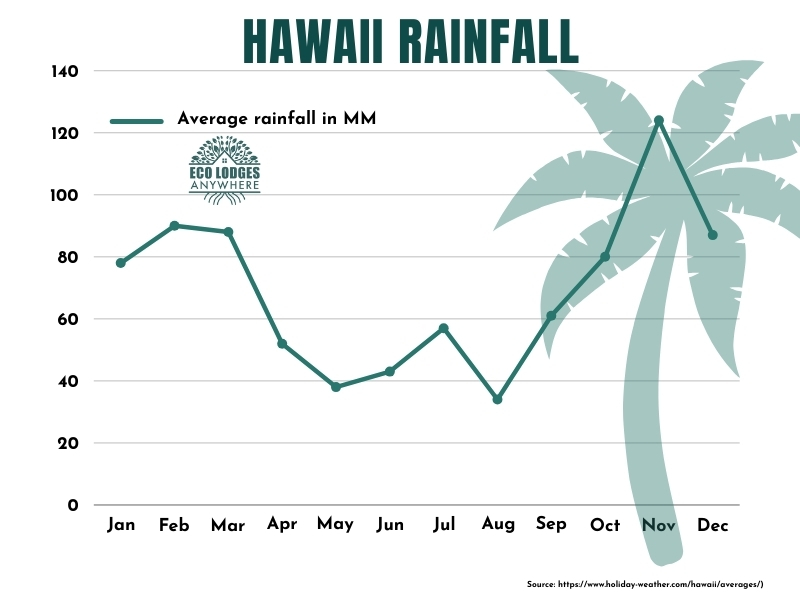
Broadly speaking, Hawaii’s wet season, or “winter,” runs from November to April. During these months, the islands tend to receive more rainfall, and temperatures are slightly cooler, though still remarkably pleasant. Average daytime temperatures typically range from the mid-70s to low 80s Fahrenheit (24-28°C), while nights can dip into the mid-60s (18-20°C). This period is also characterized by larger ocean swells, particularly on the north shores of islands like Oahu and Maui, making it prime time for professional surfing competitions but potentially less ideal for casual swimming on those specific coasts.
Despite the “wet season” label, it’s rare for an entire day or even an entire week to be washed out. Most rain events are short, often lasting only an hour or two, and are frequently followed by sunshine. These quick showers are often referred to as “liquid sunshine” by locals, as they nourish the islands’ flora, leading to breathtaking waterfalls and incredibly lush scenery. If you’re looking to witness the full splendor of Hawaii’s natural beauty, including vibrant rainbows and cascading waterfalls, the rainy season can be an excellent time to visit.
Windward vs. Leeward: A Tale of Two Coasts
One of the most critical aspects of understanding Hawaii’s rainfall is the distinction between its windward and leeward sides. The windward side of an island is the one facing the prevailing trade winds (typically the north and east coasts). These areas receive the brunt of the incoming moisture, leading to higher annual rainfall and incredibly verdant landscapes. Think of the lush tropical rainforests of Kauai’s North Shore or the verdant valleys on Hawaii Island’s (also known as the Big Island) Hilo side.
Conversely, the leeward side (typically the south and west coasts) is sheltered from the trade winds by the island’s mountains. These areas are significantly drier and sunnier, even during the wet season. Waikiki on Oahu, Kihei and Wailea on Maui, and Kona on the Big Island are prime examples of leeward regions renowned for their consistently sunny weather, even when other parts of the island might be experiencing rain. This geographical phenomenon means that even in the midst of the rainy season, you can often “chase the sun” by simply driving a short distance from a wet windward coast to a dry leeward one. This makes Hawaii an incredibly versatile destination, as your perfect sun-drenched beach day is often just around the corner.
What to Expect During Hawaii’s Wetter Months
Embracing the rainy season in Hawaii requires a slight shift in mindset and careful planning, but it opens up a world of unique experiences that dry-season travelers might miss.
Typical Weather Patterns and Rainfall Intensity
During the wet season, the islands are more likely to experience cold fronts and low-pressure systems, which can bring more widespread and prolonged rain. However, the most common pattern remains isolated, brief showers, often occurring in the late afternoon or overnight. These short bursts of rain rarely disrupt an entire day’s plans. Instead, they cool down the air, refresh the landscape, and often lead to spectacular rainbows stretching across the sky.
The intensity of rain varies greatly by location. Mountainous areas and the aforementioned windward coasts will naturally see heavier and more frequent precipitation. Coastal resorts on the leeward side, however, might only experience a few short showers per week. Flash flood warnings can occur, especially in valleys and near streams, so it’s always wise to stay informed about local weather advisories, particularly if you plan on hiking or exploring remote areas. The good news is that Hawaiian weather forecasts are typically very accurate for immediate, localized conditions.
Embracing the Verdant Beauty and Fewer Crowds
One of the most compelling reasons to visit during the rainy season is the transformation of the landscape. The islands burst into vibrant shades of green, waterfalls swell to impressive torrents, and the air feels incredibly fresh and clean. This is the ideal time for nature lovers and photographers to capture Hawaii’s raw, untamed beauty. Lush hiking trails, like those found in Waimea Canyon on Kauai or through the rainforests of East Maui along the Road to Hana, become even more spectacular.
Furthermore, the wet season falls outside of the peak holiday periods (summer and Christmas/New Year), which means fewer tourists. This translates to less crowded beaches, easier access to popular landmarks and attractions, and a more relaxed, authentic Hawaiian experience. You’ll find it easier to book dinner reservations at sought-after restaurants, and the overall atmosphere is often more peaceful. For those on a budget travel plan, off-peak seasons can often mean significant savings on flights and hotels, offering a luxurious experience without the premium price tag.
Planning Your Hawaiian Getaway: Tips for Rainy Season Travel
Strategic planning can turn a rainy season trip into an unforgettable adventure, allowing you to fully immerse yourself in Hawaiian tourism and culture.
Accommodation Choices: Resorts with Rainy Day Amenities
When selecting your accommodation during the wet season, consider choosing a resort or hotel that offers a comprehensive range of indoor amenities and activities. Many of Hawaii’s premier resorts are designed to cater to all weather conditions, providing guests with luxurious options even if the sun isn’t shining.
Look for properties with:
- Indoor/Covered Pools and Hot Tubs: Perfect for a relaxing swim or soak regardless of the weather.
- World-Class Spas: Indulge in massages, facials, and other treatments at places like the Grand Hyatt Kauai Resort & Spa or The Ritz-Carlton, Kapalua.
- Gourmet Dining Options: Enjoy exquisite Hawaiian cuisine at on-site restaurants, from casual to fine dining, often with covered outdoor seating or stunning indoor views.
- Kids’ Clubs and Activity Centers: For families, these provide supervised fun and entertainment for children, giving parents some downtime.
- Shopping Arcades and Boutiques: Many larger resorts feature their own shops, perfect for souvenir hunting or a bit of retail therapy. For example, the Moana Surfrider, A Westin Resort & Spa in Waikiki offers a blend of historic charm and modern amenities.
- Cultural Workshops: Participate in lei making, hula lessons, or ukulele classes, often offered indoors.

Consider booking a suite or a villa with a covered lanai (balcony) where you can enjoy the fresh air and lush views even during a shower, perhaps with a good book and a cup of local Kona coffee. Resorts like the Four Seasons Resort Oahu at Ko Olina or the Fairmont Orchid, Hawaii on the Big Island exemplify the kind of luxury and comprehensive facilities that ensure a fantastic experience, rain or shine.
Activities and Attractions: Beyond the Beach
While beach activities might be temporarily paused, Hawaii offers a wealth of indoor and sheltered attractions:
- Museums and Cultural Centers: Immerse yourself in Hawaiian history and culture at the Bishop Museum or Iolani Palace in Honolulu. On Maui, the Maui Ocean Center provides an incredible underwater journey.
- Aquariums: Explore marine life without getting wet.
- Shopping: From high-end boutiques at Ala Moana Center on Oahu to local artisan markets, there are plenty of retail opportunities. Whalers Village in Kaanapali on Maui combines shopping with dining and entertainment.
- Art Galleries: Discover local Hawaiian artists and their unique interpretations of island life.
- Luaus: Most luaus have covered dining areas, ensuring the show goes on rain or shine.
- Scenic Drives: A rainy day can be perfect for a leisurely drive along the coast or through lush valleys, stopping at viewpoints when the rain lets up.
- Food Tours and Cooking Classes: Explore Hawaii’s diverse culinary scene indoors.
Even outdoor landmarks like Diamond Head on Oahu can still be visited, though you might want to wait for a break in the rain for the best views. The key is flexibility and having a backup plan.
Packing Essentials and Travel Hacks
Packing smart is crucial for a rainy season trip:
- Waterproof Gear: A lightweight rain jacket or umbrella is a must.
- Water-Resistant Footwear: Sandals are great, but closed-toe, water-resistant shoes are better for exploring wet trails or city streets.
- Quick-Drying Clothes: Opt for breathable fabrics that dry quickly.
- Swimsuits (Plenty!): You’ll still spend time in pools and during sunny breaks.
- Bug Spray: Mosquitoes can be more prevalent in lush, wet areas.
- Waterproof Bag/Pouch: To protect electronics, especially if you plan on hiking near waterfalls.
- Flexibility: The most important item to bring is a flexible attitude and a willingness to adapt your plans.
Consider renting a car for at least part of your trip. This gives you the freedom to explore different parts of an island and chase the sun, easily moving from a rainy windward side to a sunny leeward side. Booking popular activities and tours in advance is always a good idea, but during the wet season, it’s also wise to check their rain policies for cancellations or rescheduling.
Island-Specific Considerations for Your Trip
Each Hawaiian island offers a distinct experience, and their microclimates mean rainfall patterns can differ significantly.
Oahu: Urban Adventures and Shelter from Showers
Oahu, home to Honolulu and Waikiki, is generally drier on its leeward (south and west) coasts. This means that even in the wet season, areas like Waikiki tend to experience less rain, often brief passing showers. The windward (north and east) coasts, however, are greener and wetter, with places like the North Shore seeing more rain, especially in winter.
Oahu excels in offering a wide array of indoor attractions. If it rains, you can visit Pearl Harbor, the Bishop Museum, Iolani Palace, or shop at Ala Moana Center. The Dole Plantation offers covered areas and indoor activities alongside its outdoor attractions. For lifestyle travelers seeking a blend of city life and natural beauty, Oahu provides excellent options for entertainment regardless of the weather.
Maui: Diverse Landscapes and Microclimates
Maui is famous for its incredible diversity, from the arid south to the lush east. The leeward resorts of Lahaina, Kaanapali, Kihei, and Wailea typically remain sunny, even during the wet season. However, exploring the “backcountry” of Maui, such as the Road to Hana or the slopes of Haleakala National Park, means encountering much wetter conditions, particularly on the windward side.
Rainy days on Maui can be spent at the Maui Ocean Center, exploring the shops and galleries of Lahaina, or enjoying the amenities of your resort. If the sun breaks, take a scenic drive to a dry beach like Big Beach in Makena.
Kauai: The Garden Isle’s Lush Majesty
Kauai lives up to its “Garden Isle” nickname thanks to abundant rainfall. It is generally the wettest of the main Hawaiian islands, especially on its north shore around Princeville and the Na Pali Coast. Even its dry season can see more rain than other islands’ wet seasons. However, the south shore, including Poipu, is considerably drier and sunnier year-round.
Visiting Kauai during the wet season offers unparalleled views of its emerald valleys and dramatic waterfalls, like those visible from the Waimea Canyon lookout. While some hikes might be muddy or closed due to heavy rain, indoor options include the National Tropical Botanical Garden‘s visitor centers or local art galleries. Staying on the Poipu side provides a better chance for consistently sunny weather for beachgoers.
Big Island: Volcanoes and Variable Weather
The Big Island presents the most dramatic weather contrasts. Its windward side, particularly the Hilo district, is one of the wettest places on Earth, receiving over 100 inches of rain annually. This fuels the incredible growth of rainforests and supports countless waterfalls. In stark contrast, the leeward Kona side is famously sunny and dry.
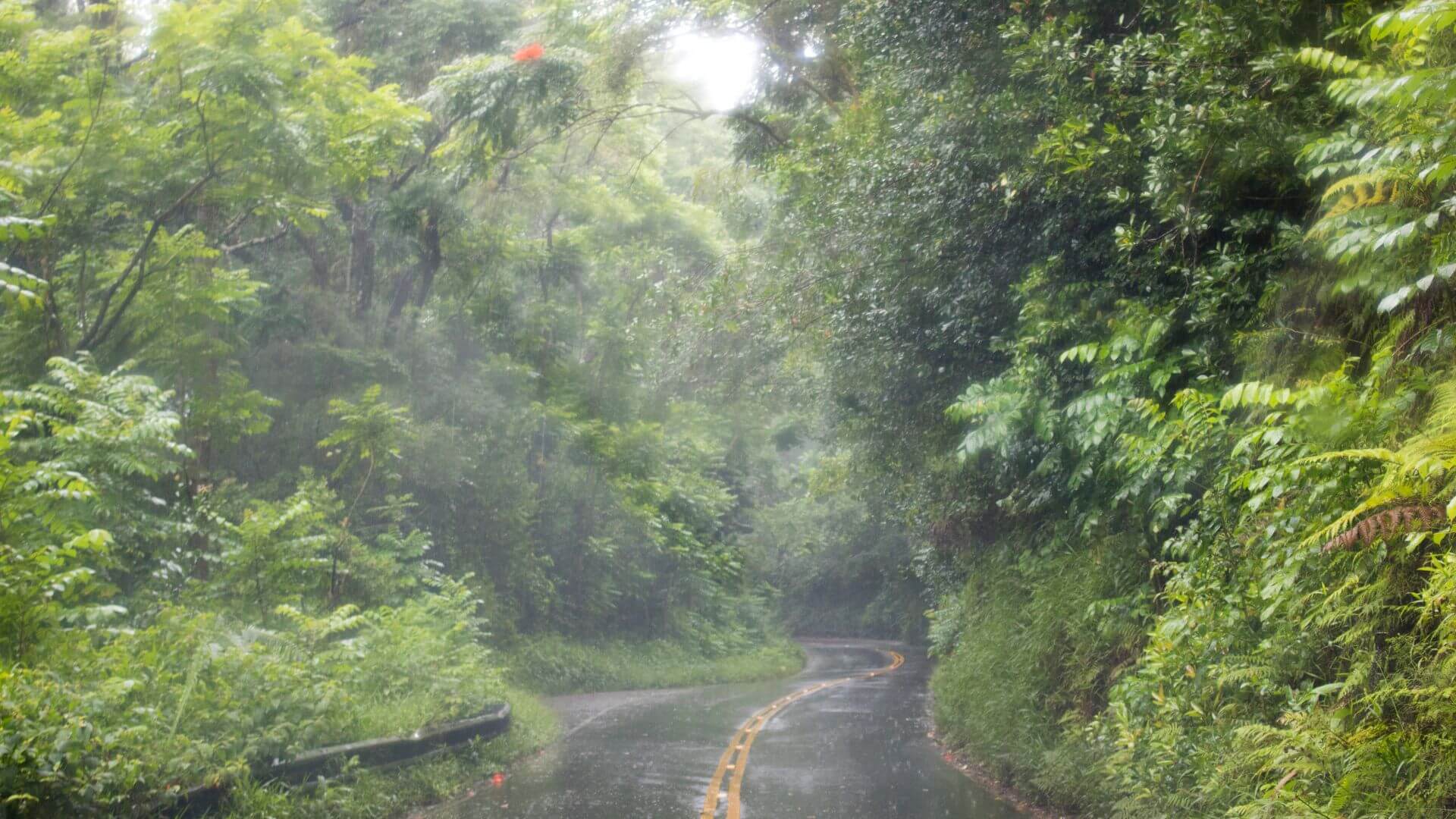
During the wet season, the Hilo area experiences frequent showers, but these often occur in the afternoon or evening. This is the perfect time to visit Hawaii Volcanoes National Park, where rain often enhances the dramatic volcanic landscape, creating mist and steam. The Kona coast remains a reliable choice for sunshine and beach activities. Travelers can effectively plan a dual-coast trip, enjoying the lushness of Hilo and the sunshine of Kona by simply driving across the island.
Making the Most of Your Rainy Season Visit
Ultimately, the answer to “When is rainy season in Hawaii?” is from November to April, but it’s a far more nuanced picture than a simple designation suggests. Rather than being a time to avoid, the wetter months can offer a truly unique and rewarding Hawaiian experience. The reduced crowds contribute to a more authentic and intimate atmosphere, allowing for deeper engagement with local culture and attractions without the hustle and bustle of peak season. The vibrant greenery, dramatic waterfalls, and frequent rainbows provide spectacular photo opportunities and a sense of natural wonder that is heightened by the rain.
By choosing your island and specific coast wisely, booking hotels or resorts with excellent indoor amenities, and embracing a flexible attitude, you can transform a “rainy season” trip into an extraordinary adventure. It’s a chance to see a different, yet equally beautiful, side of this incredible archipelago, proving that even a little rain can’t dim the Aloha spirit.
LifeOutOfTheBox is a participant in the Amazon Services LLC Associates Program, an affiliate advertising program designed to provide a means for sites to earn advertising fees by advertising and linking to Amazon.com. Amazon, the Amazon logo, AmazonSupply, and the AmazonSupply logo are trademarks of Amazon.com, Inc. or its affiliates. As an Amazon Associate we earn affiliate commissions from qualifying purchases.