
Hawaii, the archipelago of pristine beaches, volcanic landscapes, and vibrant culture, consistently ranks high on travel wish lists. Its allure is undeniable, promising an escape to paradise. However, many travelers often perceive a trip to the Aloha State as an expensive endeavor. While it’s true that Hawaii can be pricey, with a bit of savvy planning and an understanding of its unique travel seasons, experiencing this dream destination on a budget is entirely achievable. The key lies in knowing when to go, as timing your visit can significantly impact the cost of flights, accommodation, and even daily expenses.
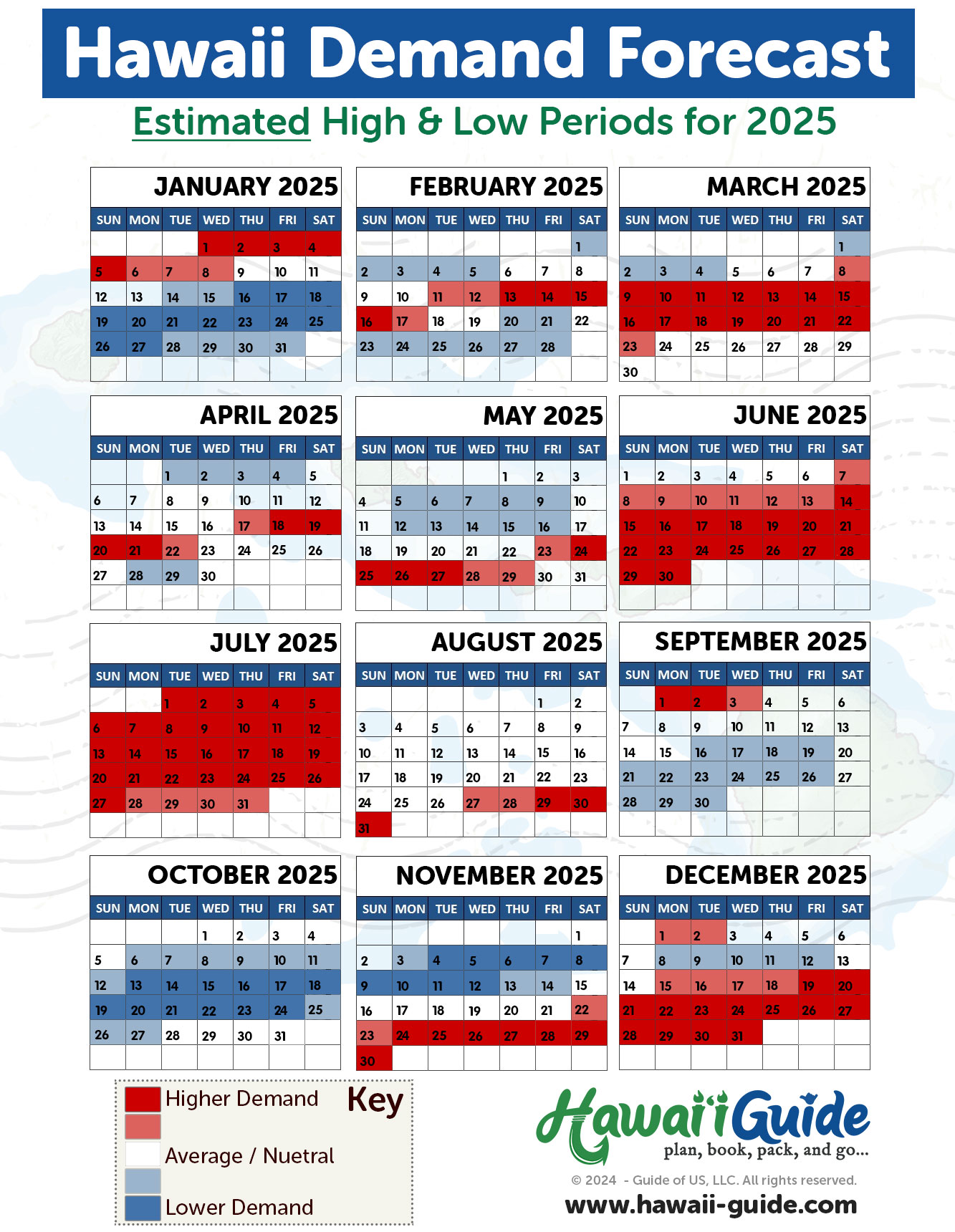
This guide will delve into the seasonal fluctuations that govern Hawaii’s travel costs, offering insights into the cheapest times to visit and practical strategies to maximize your savings without compromising on the quintessential Hawaiian experience. From deciphering peak and off-peak periods to exploring island-specific nuances and smart booking tactics, we’ll equip you with the knowledge to make your Hawaiian getaway both memorable and affordable.
Understanding Hawaii’s Seasons: High vs. Low
Like many popular tourist destinations, Hawaii experiences distinct high and low seasons, largely dictated by weather patterns, school holidays, and major events. These seasons directly influence demand, and consequently, prices across the board.
The Peak Seasons: When Prices Soar
Hawaii has two primary peak seasons when prices for flights, hotels, and popular activities reach their zenith:
- Winter (Mid-December to Mid-April): This is arguably the most expensive time to visit. Travelers from colder climates flock to Hawaii seeking warmth and sunshine, particularly during the holiday season (Christmas, New Year’s), President’s Day week, and spring break periods. The weather is generally superb during this time – warm, sunny, and dry, making it ideal for beach activities and exploring. However, demand skyrockets, driving up costs for everything from airfare to resort rates. Whale watching season also peaks from January to March, drawing additional crowds, particularly to islands like Maui.
- Summer (Mid-June to Mid-August): The summer months, coinciding with school holidays across the United States, see another surge in visitors, especially families. While not as consistently expensive as the winter holidays, prices remain elevated due to high demand. The weather is consistently hot and sunny, perfect for water sports and outdoor adventures. However, popular attractions can be crowded, and booking well in advance is essential to secure desirable accommodation and activities.
During these peak times, expect to pay a premium. If your travel dates are fixed within these windows, planning far ahead and employing other budget-saving strategies becomes even more critical.
The Shoulder Seasons: Best of Both Worlds?
For many budget-conscious travelers, the shoulder seasons offer the sweet spot – a balance of pleasant weather, fewer crowds, and more manageable prices. These periods fall just outside the peak demand windows:
- Spring (Mid-April to Early June): As spring break crowds dissipate and before summer vacations begin, Hawaii enters a delightful shoulder season. The weather remains excellent, with warm temperatures and less rain than the winter months, yet prices for flights and accommodation begin to drop. This period offers an ideal opportunity to enjoy Hawaii’s beauty without the peak season rush or exorbitant costs. You’ll find more availability for popular tours and restaurants, and beaches will be less crowded.
- Fall (September to Mid-December, excluding Thanksgiving week): After the summer rush subsides and before the Christmas holiday surge, the fall shoulder season emerges as another prime time for affordable travel. September, October, and the first half of November often present some of the best deals. The weather is still wonderfully warm, though some islands might experience slightly more rain later in the fall. Hurricanes are a rare but potential concern during this time, though most pass without direct impact. This period is particularly attractive for couples or travelers without school-aged children, as the crowds are significantly thinner.
The shoulder seasons often provide the best value proposition, allowing travelers to experience Hawaii at a comfortable pace with noticeable savings.
The Low Season: Unbeatable Deals (If You Don’t Mind a Little Rain)
If your primary goal is to find the absolute cheapest time to go to Hawaii, then targeting the low season is your best bet. This typically includes:
- Late Fall (Mid-November, excluding Thanksgiving week): Immediately following the autumn shoulder season and just before the holiday peak, the latter half of November (excluding the specific Thanksgiving week) can offer surprising deals.
- Early Winter (First Two Weeks of December): The first two weeks of December, before the Christmas and New Year’s rush, are often the quietest and most affordable. This tiny window can yield significant savings on flights and hotels.
The main drawback during these low-season periods can be the weather. While [Hawaii](https://lifeoutofthebox.com/hawaii]’s temperatures remain consistently warm year-round, November and December mark the beginning of the rainy season. This doesn’t mean constant downpours; rather, you might experience more frequent, short showers, especially on the windward (eastern) sides of the islands. However, the leeward (western) sides, such as Kona on the Big Island or Kihei on Maui, tend to remain drier. If you don’t mind a few passing showers and appreciate fewer crowds, the low season offers unparalleled value.
Deconstructing the Costs: Flights, Accommodation, and Activities
To truly grasp the “cheapest time,” it’s essential to understand how different components of your trip contribute to the overall cost and how seasonality impacts each.
Flights: Timing Your Airfare Purchase
Airfare often represents one of the largest expenses for a Hawaiian vacation. Here’s how to tackle it:
- Best Booking Window: Generally, the sweet spot for booking flights to Hawaii is 2-4 months in advance for domestic flights and 3-6 months for international ones. Booking too early or too late can result in higher prices.
- Flexibility is Key: If you have flexibility with your travel dates, aim for mid-week flights (Tuesday, Wednesday) or early morning departures, which are typically less expensive than weekend or evening flights. Flying during the shoulder or low seasons (late April to early June, September to early December) will almost always yield better prices.
- Consider Alternative Airports: If you’re flying from the mainland United States, look at departing from major West Coast hubs like Los Angeles (LAX) or San Francisco (SFO), which often have more direct and competitive flights.
- Set Price Alerts: Use tools like Google Flights, Skyscanner, or Kayak to set price alerts for your desired dates and destinations. These tools will notify you when fares drop, allowing you to snatch up deals. Airlines like Southwest Airlines, Hawaiian Airlines, Alaska Airlines, United Airlines, and Delta Air Lines frequently offer promotions.
Accommodation: Beyond Just Hotels

After flights, accommodation is typically the next biggest expense.
- Hotels vs. Vacation Rentals: While luxury resorts and hotels are plentiful, consider vacation rentals through platforms like Airbnb or VRBO. These can be particularly cost-effective for longer stays or groups, often including kitchen facilities that allow for self-catering.
- Resort Fees and Hidden Costs: Be aware that many resorts in Hawaii charge mandatory daily resort fees, which can add $30-$50+ per night to your bill. Always factor these into your budget. Parking fees are another common add-on.
- Location Matters: Staying slightly outside prime tourist areas like Waikiki on Oahu or Lahaina on Maui can lead to significant savings. Look for apartments or smaller hotels in local neighborhoods.
- Booking Strategies: Book accommodation as far in advance as possible, especially if traveling during shoulder seasons when good deals can be snapped up quickly. Consider travel packages that bundle flights and hotels for potential savings.
Activities and Food: Smart Savings on the Ground
Daily expenses for activities and food can quickly add up, but there are many ways to enjoy Hawaii without breaking the bank.
- Embrace Free Activities: Hawaii is rich in natural beauty, offering countless free activities. Spend days at the beach, hike scenic trails like Diamond Head on Oahu, explore botanical gardens, or simply watch the sunset. Snorkeling in public bays, visiting local markets, and driving scenic routes are also fantastic free options.
- Eat Like a Local: Avoid overpriced tourist restaurants. Seek out local plate lunch spots, food trucks, farmers’ markets, and grocery stores. Poke bowls, kalua pig, and fresh fruit can be delicious and affordable. Many vacation rentals offer kitchenettes, allowing you to prepare some meals and save significantly on dining out.
- Look for Deals: Check local coupon books or websites for discounts on activities, tours, and attractions. Sometimes bundling activities together through a package deal can also save money.
- Public Transportation/Car Rentals: On Oahu, TheBus offers an extensive and affordable public transportation network, especially in Honolulu and Waikiki. On other islands, a rental car is almost essential for exploring, but booking in advance can secure better rates. Consider smaller, more fuel-efficient cars.
Island-Specific Considerations for Budget Travelers
While the general seasonal trends apply across the board, each Hawaiian island has its unique characteristics that can influence budget travel.
Oahu: A Mix of Urban and Natural Beauty
Oahu, home to Honolulu and Waikiki, is often the most accessible and can be the most budget-friendly if you plan carefully.
- Transportation: As mentioned, Oahu has the most robust public transportation system, potentially allowing you to skip a rental car for part or all of your trip if you plan to stay mainly in Honolulu and explore nearby attractions like Pearl Harbor or Diamond Head.
- Accommodation Variety: Beyond Waikiki’s resorts, Oahu offers more varied accommodation options, including hostels, budget hotels, and numerous vacation rentals outside the main tourist hub.
- Free Activities: From the beaches of the North Shore to hiking trails and historic sites, Oahu has an abundance of free or low-cost activities.
Maui: Luxury with Budget Possibilities
Maui is often perceived as the most luxurious and expensive island, but budget travel is still possible.
- Accommodation: Look for lodging in areas like Kihei or Kahului, which tend to be more affordable than the resort-heavy areas of Kaanapali or Wailea. Vacation rentals are particularly popular on Maui.
- Car Rental: A rental car is almost a necessity for exploring Maui’s diverse landscapes, from the Road to Hana to Haleakala National Park. Factor this cost in.
- Self-Catering: With many excellent local markets, preparing some of your own meals can be a huge money-saver.
Kauai: The Garden Isle’s Serenity
Kauai offers dramatic natural beauty, but its somewhat remote nature can affect costs.
- Accommodation: Areas like Kapaa on the east side often provide more affordable lodging options compared to the north shore (Princeville) or south shore (Poipu).
- Activities: Many of Kauai’s best attractions, like hiking along the Na Pali Coast (partially accessible by trail) or exploring Waimea Canyon, are free or have minimal entrance fees.
- Ferry Absence: There are no inter-island ferries between Kauai and other islands, so inter-island travel requires flights, adding to the cost if you plan to island-hop.
Big Island (Hawaii Island): Diverse Landscapes, Diverse Costs
The Big Island lives up to its name, offering a vast array of climates and activities.
- Accommodation Split: The wet, lush Hilo side often has more budget-friendly accommodation than the drier, sunnier Kailua-Kona side. Decide which climate and activities are more important to you.
- Car Rental Essential: Due to its sheer size, a rental car is indispensable for exploring the Big Island, especially if you want to visit Volcanoes National Park, diverse beaches, and coffee plantations.
- Free Attractions: Volcanoes National Park offers incredible value, with hiking, lava tube exploration, and potentially viewing volcanic activity for a single entrance fee. Many beaches and scenic drives are also free.

Smart Strategies for Year-Round Savings
Beyond timing your visit, several enduring strategies can help reduce costs regardless of the season.
- Be Flexible with Dates: Even within a chosen “cheapest” season, having a flexible 3-5 day window can lead to significant savings on flights and accommodation.
- Book in Advance: This cannot be stressed enough, especially for flights and popular accommodation. The earlier you book, the more likely you are to secure better rates before demand drives them up.
- Consider Package Deals: Sometimes, bundling your flight and hotel through a travel agency or online platform can be cheaper than booking each component separately.
- Travel Insurance: While not a direct saving, investing in good travel insurance can protect you from unforeseen circumstances (illness, flight cancellations, lost luggage), preventing potentially huge unexpected costs.
- Loyalty Programs and Credit Card Points: If you have accumulated airline miles or hotel points, Hawaii is an excellent destination to redeem them for free or heavily discounted flights and stays.
- Length of Stay vs. Daily Cost: Sometimes, staying for a slightly longer period (e.g., 8-10 days instead of 5-7) can reduce your average daily cost if flight prices are a fixed high cost. This allows you more time to explore slowly and utilize self-catering options.
- Travel with a Group: Sharing the cost of accommodation, car rentals, and even groceries with friends or family can drastically cut individual expenses.
In conclusion, while Hawaii can certainly accommodate a luxury lifestyle, it is far from an exclusive destination for the wealthy. The cheapest time to go to Hawaii largely falls within the shoulder seasons (late April to early June and September to mid-December, excluding Thanksgiving week), with the first two weeks of December often presenting the absolute best deals. By understanding these seasonal shifts, adopting smart booking strategies for flights and accommodation, and embracing budget-friendly activities and dining, your dream trip to Hawaii can become an affordable reality. Careful planning, flexibility, and a willingness to explore beyond the most obvious tourist traps are your best allies in unlocking the Aloha State’s magic without draining your wallet.
LifeOutOfTheBox is a participant in the Amazon Services LLC Associates Program, an affiliate advertising program designed to provide a means for sites to earn advertising fees by advertising and linking to Amazon.com. Amazon, the Amazon logo, AmazonSupply, and the AmazonSupply logo are trademarks of Amazon.com, Inc. or its affiliates. As an Amazon Associate we earn affiliate commissions from qualifying purchases.