
For travelers dreaming of an unforgettable encounter with nature’s giants, knowing “When is Whale Season In Hawaii?” is the key to planning the perfect trip. The Hawaiian Islands transform into one of the world’s most spectacular winter playgrounds for Humpback Whales, drawing visitors from across the globe eager to witness these majestic creatures. This comprehensive guide will navigate you through the prime viewing times, the best locations, essential Travel tips, and how to integrate this incredible experience into a broader Hawaiian adventure, touching upon Accommodation, Tourism, and Lifestyle elements to ensure a truly memorable vacation.

Understanding the Annual Migration: When Humpbacks Grace Hawaiian Waters
The annual migration of Humpback Whales to Hawaii is one of nature’s most impressive feats. These gentle giants undertake an epic journey of thousands of miles from their feeding grounds in the cold, nutrient-rich waters of Alaska to the warm, shallow, protected bays around the Hawaiian Islands. Their purpose in making this arduous trip is primarily for breeding, calving, and nursing their young in an environment safe from predators and conducive to their offspring’s development.
The Peak of Whale Season In Hawaii
While the first few Humpback Whales might be spotted as early as October and some stragglers linger into May, the widely recognized and most reliable Whale Season In Hawaii officially runs from mid-December to mid-May. Within this window, the absolute peak viewing months are typically January, February, and March. During these three months, the waters surrounding Hawaii teem with thousands of whales, offering daily opportunities for breathtaking sightings.
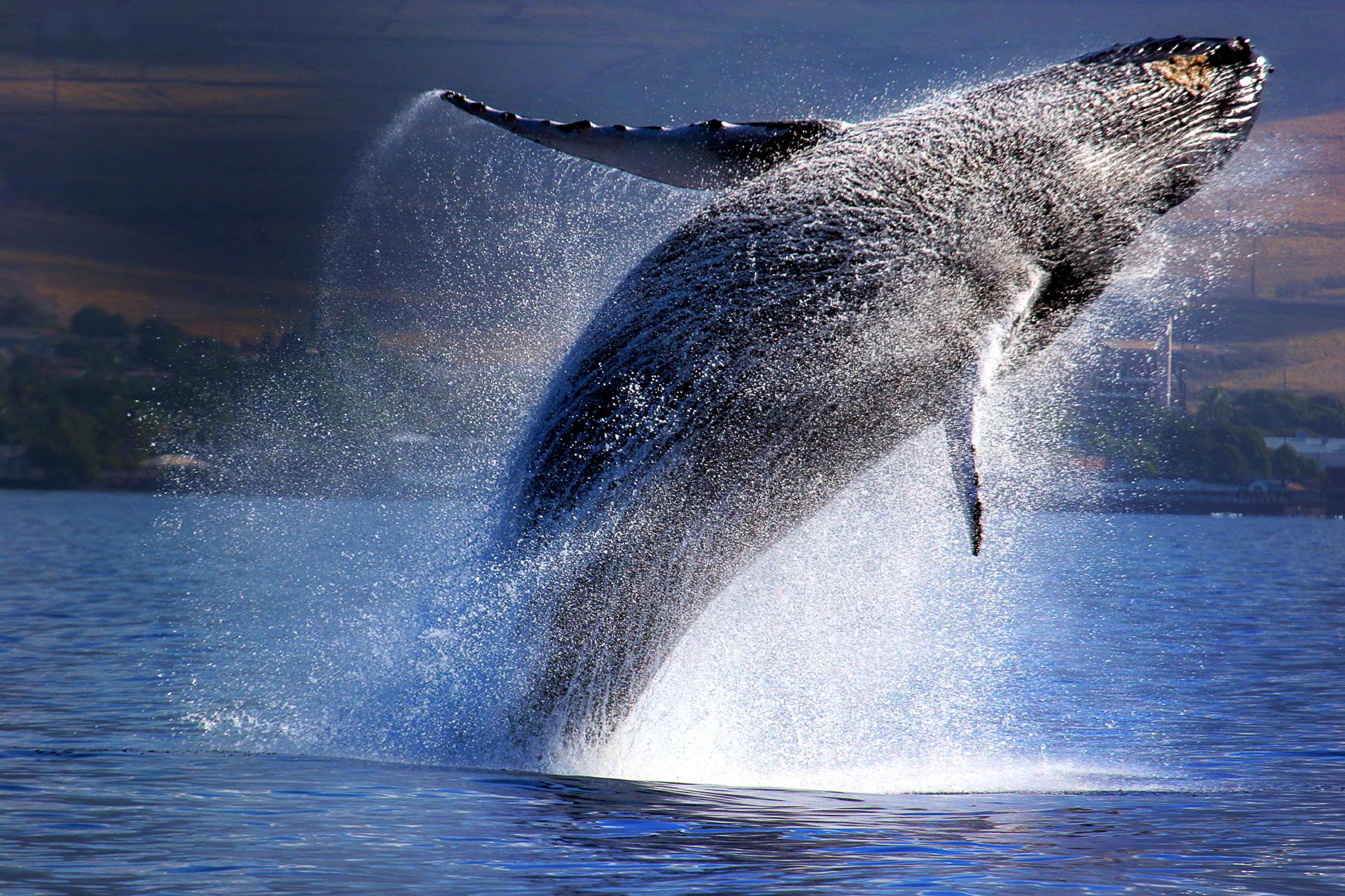
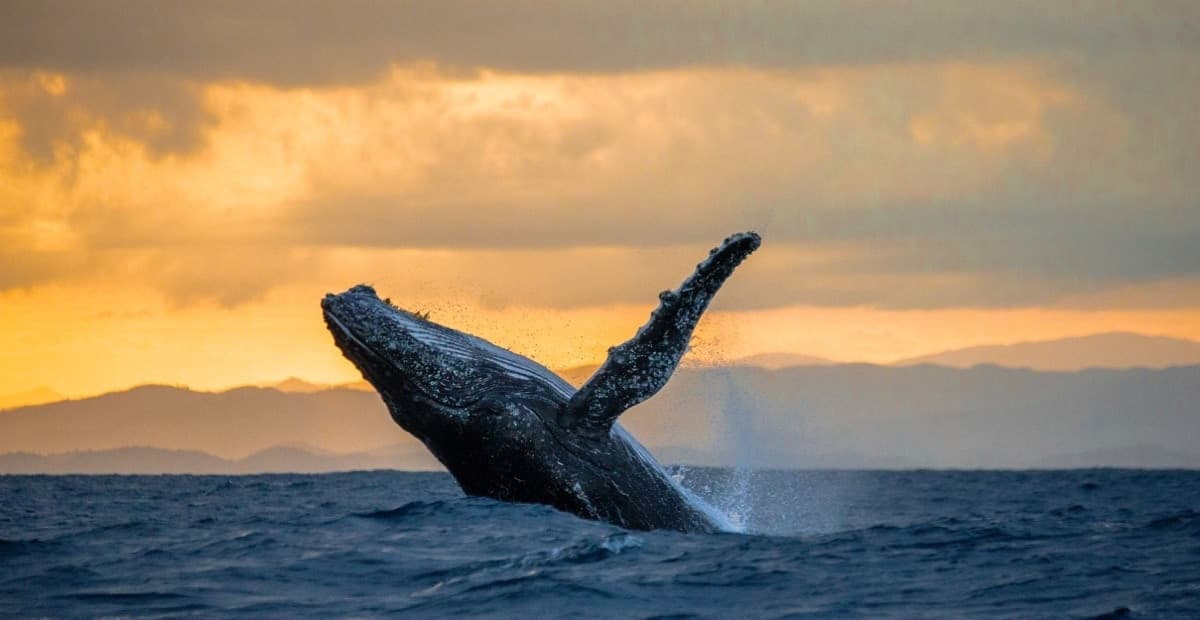
It’s during this time that visitors can witness a full spectrum of Humpback Whale behaviors: powerful breaches where whales launch their massive bodies out of the water, dramatic tail slaps and fin slaps, spy-hopping to survey their surroundings, and the endearing sight of mothers tending to their newborn calves. The calm, clear waters also make it easier for surface observations, and the sheer number of whales significantly increases your chances of multiple encounters. For those planning a trip specifically centered around whale watching, aiming for these peak months will maximize your experience.
Why Hawaii? The Perfect Winter Nursery
The Hawaiian archipelago provides an ideal sanctuary for Humpback Whales for several compelling reasons. The warm, tropical waters offer a comfortable environment for newborn calves, who lack the thick blubber layer needed to survive in colder seas. The relatively shallow depths of certain channels, particularly the Au’au Channel between Maui, Lana’i, and Moloka’i, create a protected nursery where mothers can safely give birth and nurse their young without the immediate threat of predators like orcas. The clear visibility of the waters also allows mothers to keep a watchful eye on their curious calves. This unique combination of conditions makes Hawaii an indispensable part of the Humpback Whale life cycle, underscoring the importance of responsible Tourism to protect this fragile ecosystem.
Top Islands for Whale Watching in Hawaii
While Humpback Whales can be seen from almost any island during peak season, certain locations offer superior viewing opportunities due to their geographical features and the concentration of whales. Choosing the right island can significantly enhance your whale watching experience.
Maui: The Heart of Whale Watching
Often hailed as the world’s premier destination for Humpback Whale viewing, Maui stands out. The reason is the aforementioned Au’au Channel, a relatively shallow, protected body of water situated between Maui, Lana’i, and Moloka’i. This channel acts as a natural magnet for whales, making sightings incredibly frequent and often very close to shore.
- Best Spots in Maui:
- Ma’alaea Harbor: This is Maui’s primary departure point for whale watching tours, with numerous operators offering daily excursions.
- Lahaina: Historic Lahaina also hosts many tour boats and offers excellent shore viewing opportunities, especially from coastal restaurants and viewpoints.
- Kaanapali Beach & Napili Bay: Along Maui’s West Maui coast, many Hotels and Resorts offer balconies and oceanfront vantage points for direct viewing. Consider a stay at the Hyatt Regency Maui Resort and Spa or The Ritz-Carlton, Kapalua for luxury oceanfront access.
- Wailea & Makena: On the South Maui coast, resorts like the Four Seasons Resort Maui at Wailea provide stunning views, and it’s not uncommon to see whales from the beaches.
Oahu: Urban Splendor Meets Wild Encounters
Oahu, home to Honolulu and the iconic Waikiki Beach, might be more known for its surf and city life, but it also offers excellent whale watching opportunities. While the concentration might not be as high as Maui, the sheer convenience for many visitors makes it a popular choice.
- Best Spots in Oahu:
- Diamond Head & Makapu’u Lighthouse: These eastern shore Landmarks provide elevated viewpoints ideal for shore-based whale spotting.
- Koko Head: Another popular hiking spot with panoramic ocean views.
- Boat Tours: Numerous operators depart from Kewalo Basin Harbor or Ko Olina Marina, offering excursions that often combine whale watching with stunning coastal views of the island. Staying at Hotels like the Hilton Hawaiian Village Waikiki Beach Resort or The Kahala Hotel & Resort puts you in prime position for boat tour access or even distant sightings from your ocean-view room.
Big Island of Hawaii: A Diverse Landscape for Whales
The Big Island presents a unique backdrop for whale watching, with its dramatic volcanic landscapes and diverse marine environments. The western side, particularly the Kona Coast, offers the best conditions.
- Best Spots on the Big Island:
- Kailua-Kona: This bustling town is the main hub for whale watching tours, with boats departing frequently from Kailua Pier.
- Kohala Coast: The resort-lined Kohala Coast also provides excellent opportunities for shore viewing from its beaches and Hotels like the Mauna Lani, Auberge Resorts Collection.
- Kealakekua Bay: While famous for snorkeling and historical significance, the bay’s sheltered waters can sometimes attract whales, offering a serene viewing experience.
Kauai: The Garden Isle’s Majestic Views
Kauai’s rugged beauty and lush landscapes extend to its marine life. While slightly less concentrated than Maui, the island offers a wilder, more serene whale watching experience, often combined with breathtaking coastal scenery.
- Best Spots in Kauai:
- Poipu: On the sunny south shore, Poipu beaches and Resorts (e.g., Grand Hyatt Kauai Resort & Spa) are prime for shore viewing.
- Na Pali Coast: Catamaran and rafting tours along the iconic Na Pali Coast offer a dual spectacle of stunning cliffs and potential whale encounters.
- Koke’e State Park: High vantage points within the park can offer distant, panoramic views of the ocean, sometimes revealing whale activity.
Experiencing the Whales: Tours, Ethics, and Responsible Tourism
Witnessing Humpback Whales in their natural habitat is an awe-inspiring experience that requires a thoughtful approach. Engaging in responsible Tourism ensures the safety of both the whales and the observers, preserving these magnificent creatures for future generations.
Choosing Your Whale Watching Experience
There are primarily two ways to watch whales in Hawaii: from a boat or from shore.
- Boat Tours: This is the most popular and often the most rewarding option. Reputable tour operators offer various vessels, from large catamarans with multiple viewing decks to smaller rafts that provide a more intimate, eye-level perspective. Many tours include hydrophones to listen to the whales’ ethereal songs, adding another dimension to the experience. When selecting a tour, look for companies that adhere to marine wildlife viewing guidelines, which include maintaining a respectful distance from the whales (typically 100 yards or 91 meters, by federal law) and operating in an environmentally conscious manner. Organizations like the Pacific Whale Foundation offer educational and eco-friendly tours.
- Shore Viewing: For a more relaxed and often free option, simply finding a good elevated viewpoint along the coast can yield surprising results. Bring a pair of binoculars, patience, and a keen eye. Look for tell-tale signs like spouts (the mist from their blowholes), breaches, or tail lobs. Many coastal Resorts and public parks offer excellent vantage points. This can be a wonderful way to enjoy the Hawaiian scenery while keeping an eye out for marine life, perfect for those on a Budget Travel plan.
Practicing Ethical and Responsible Whale Watching
Humpback Whales are protected under federal and state law, and it’s crucial for visitors to understand and respect these regulations.
- Maintain Distance: Never approach a whale within 100 yards. This applies to boats, swimmers, paddleboarders, and drones. If a whale approaches you, it’s considered a “passive encounter,” but you should still maintain a safe distance and avoid disturbing the animal.
- No Harassment: Do not feed, touch, or attempt to interact with the whales. Loud noises or sudden movements can also disturb them.
- Support Eco-Tourism: Choose tour operators who are certified in responsible wildlife viewing and prioritize conservation. Many eco-tour companies also have marine biologists on board who provide educational commentary, enriching your understanding of these magnificent creatures.
- Leave No Trace: Always pack out what you pack in, and avoid contributing to marine pollution, which poses a significant threat to all marine life.
By following these guidelines, you contribute to the conservation efforts that protect the Humpback Whales and their vital Hawaiian habitat, ensuring that future generations can also experience the wonder of their annual migration.
Planning Your Hawaiian Adventure: Beyond the Whales
While whale watching is a powerful draw, a trip to Hawaii during Whale Season In Hawaii also coincides with the islands’ peak Tourism season. This means excellent weather, a vibrant atmosphere, and a plethora of other Activities and Experiences to enjoy. Integrating whale watching into a broader Hawaiian vacation plan requires consideration of Accommodation, Local Culture, and other Attractions.
Finding the Perfect Accommodation
Hawaii offers a diverse range of Accommodation options to suit every Lifestyle and budget, from luxurious Resorts to charming vacation Villas and budget-friendly Apartments.
- Luxury Resorts: If a Luxury Travel experience is what you seek, Hawaii boasts world-class Resorts with stunning ocean views, lavish Suites, and top-tier Amenities. Many offer direct access to beaches, fine dining, spas, and concierge services that can arrange private whale watching excursions. Consider properties like the Fairmont Kea Lani on Maui or The Royal Hawaiian, a Luxury Collection Resort on Oahu for an opulent stay.
- Mid-Range Hotels & Condos: For Family Trips or longer stays, mid-range Hotels and condominiums provide comfortable lodging with good value, often including kitchenettes and multi-room layouts. These are excellent for families who appreciate the flexibility of self-catering.
- Budget Travel Options: Don’t let the perception of Hawaii being expensive deter you. Hostels, smaller boutique Hotels, and vacation rentals on platforms like Airbnb can offer more affordable options, especially if booked well in advance. Staying slightly off the main tourist strips can also help save costs.
- Booking Tips: Given that Whale Season In Hawaii coincides with peak travel, it’s crucial to book your Accommodation, flights, and popular tours several months ahead. Comparison websites and early Booking can secure better rates and availability.
Exploring Hawaiian Local Culture and Cuisine
Beyond the natural wonders, Hawaii’s rich Local Culture and delicious Cuisine are integral to the travel experience.
- Cultural Experiences: Immerse yourself in the Aloha Spirit by attending a traditional Luau, learning about ancient Hawaiian history at sites like Pu’uhonua o Honaunau National Historical Park on the Big Island, or taking a Hula lesson. The Polynesian Cultural Center on Oahu offers an immersive journey through the diverse cultures of the South Pacific.
- Foodie Adventures: Sample local delicacies like Poke, fresh seafood, Shave Ice, and tropical fruits. Explore farmer’s markets for authentic flavors or indulge in farm-to-table dining experiences that showcase Hawaii’s agricultural bounty. Don’t forget to try world-renowned Kona Coffee straight from its source.
Must-See Landmarks and Attractions
Even during Whale Season In Hawaii, dedicate time to explore the islands’ other incredible Attractions and Landmarks.
- National Parks & Natural Wonders: Hike through the stunning volcanic landscapes of Haleakala National Park on Maui for an unforgettable sunrise, or explore the Hawaii Volcanoes National Park on the Big Island to witness active volcanoes. The Na Pali Coast of Kauai is a breathtaking spectacle, best seen by boat or helicopter, while Oahu’s Diamond Head offers panoramic views of Waikiki.
- Historical Sites: Pay respects at Pearl Harbor on Oahu, a poignant reminder of a pivotal moment in history. Visit Iolani Palace, the only official residence of royalty in the United States.
Combining the thrill of whale watching with the diverse cultural, culinary, and natural Attractions of Hawaii during its peak season creates a truly enriching and unforgettable travel experience. Whether you’re seeking Luxury Travel, a Family Trip, or an adventurous solo journey, the islands offer something spectacular for everyone.
In conclusion, knowing “When is Whale Season In Hawaii?” is the first step toward an extraordinary marine wildlife encounter. From the gentle giants of the Pacific Ocean to the vibrant culture and stunning landscapes, Hawaii in winter promises a journey of discovery and wonder that will linger in your memories long after you’ve returned home. Remember to plan, book early, and embrace responsible Tourism to make the most of your magical Hawaiian escape.
LifeOutOfTheBox is a participant in the Amazon Services LLC Associates Program, an affiliate advertising program designed to provide a means for sites to earn advertising fees by advertising and linking to Amazon.com. Amazon, the Amazon logo, AmazonSupply, and the AmazonSupply logo are trademarks of Amazon.com, Inc. or its affiliates. As an Amazon Associate we earn affiliate commissions from qualifying purchases.