
The enduring chill of Stanley Kubrick’s masterpiece, The Shining, has captivated audiences for decades, leaving an indelible mark on cinematic history and the horror genre. Beyond its psychological terror and iconic performances, one question frequently arises among fans and travelers alike: “What hotel was The Shining filmed at?” The answer, much like the film itself, is more complex and layered than a single location, weaving together inspiration, exterior grandeur, and intricate studio artistry to create the unforgettable Overlook Hotel. This journey takes us from the serene mountains of Colorado to the snow-capped peaks of Oregon, and even across the Atlantic to the meticulous soundstages of England, offering a fascinating glimpse into the world of film production and the real-life establishments that became legends.
The Inspiration Behind Stephen King’s Terrifying Tale
Before The Shining ever flickered across a cinema screen, it existed as a terrifying novel by the undisputed master of horror, Stephen King. The spark for this chilling narrative was ignited during a real-life stay that would forever link a particular hotel to the supernatural.
The Stanley Hotel: A Real-Life Haunting in Colorado
In 1974, a then-struggling writer named Stephen King and his wife, Tabitha, spent a night at the Stanley Hotel in Estes Park, Colorado. They arrived late in the season, just before the hotel was due to close for the winter, finding themselves to be the only overnight guests. This eerie solitude, coupled with the grand, Victorian architecture and the remote setting amidst the majestic Rocky Mountains, proved to be a potent catalyst for King’s imagination. He roamed the empty corridors, dined alone in the vast, silent hall, and experienced a vivid dream that night about his son being chased through the hotel by a fire hose – a dream that directly inspired a key scene in his novel.
The Stanley Hotel, built in 1909 by entrepreneur F.O. Stanley (inventor of the Stanley Steamer automobile), was designed as a luxurious resort to cater to the wealthy and offer a respite from tuberculosis. Its opulent design, featuring an impressive main building, a concert hall, and a sprawling estate, quickly established it as a landmark in American hospitality. Over the years, the hotel garnered a reputation for paranormal activity, with numerous guests and staff reporting encounters with ghosts, unexplained phenomena, and disembodied voices. Room 217, where Stephen King stayed, is particularly notorious for its spectral guest, a former head housekeeper named Elizabeth Wilson, who reportedly tidies up guests’ belongings.
While the interior and overall design of the Stanley Hotel served as the primary inspiration for the novel’s Overlook Hotel, Stanley Kubrick ultimately chose not to film there for the movie due to its remote location and various logistical challenges. However, the Stanley Hotel remains forever intertwined with The Shining’s genesis, a literary landmark that draws countless visitors each year hoping to experience its chilling atmosphere and perhaps encounter a spectral resident. It’s a testament to the power of a place to ignite creativity and become a destination in its own right, offering historical tours, ghost hunts, and even a “The Shining”-themed party for brave guests.
The Cinematic Vision: Filming Locations for Stanley Kubrick’s Masterpiece
When it came to translating Stephen King’s novel to the big screen, Stanley Kubrick had his own distinct vision for the Overlook Hotel. He sought a specific aesthetic and a controlled environment that only meticulous set design and strategic location scouting could provide.
Timberline Lodge: The Iconic Exterior of the Overlook Hotel
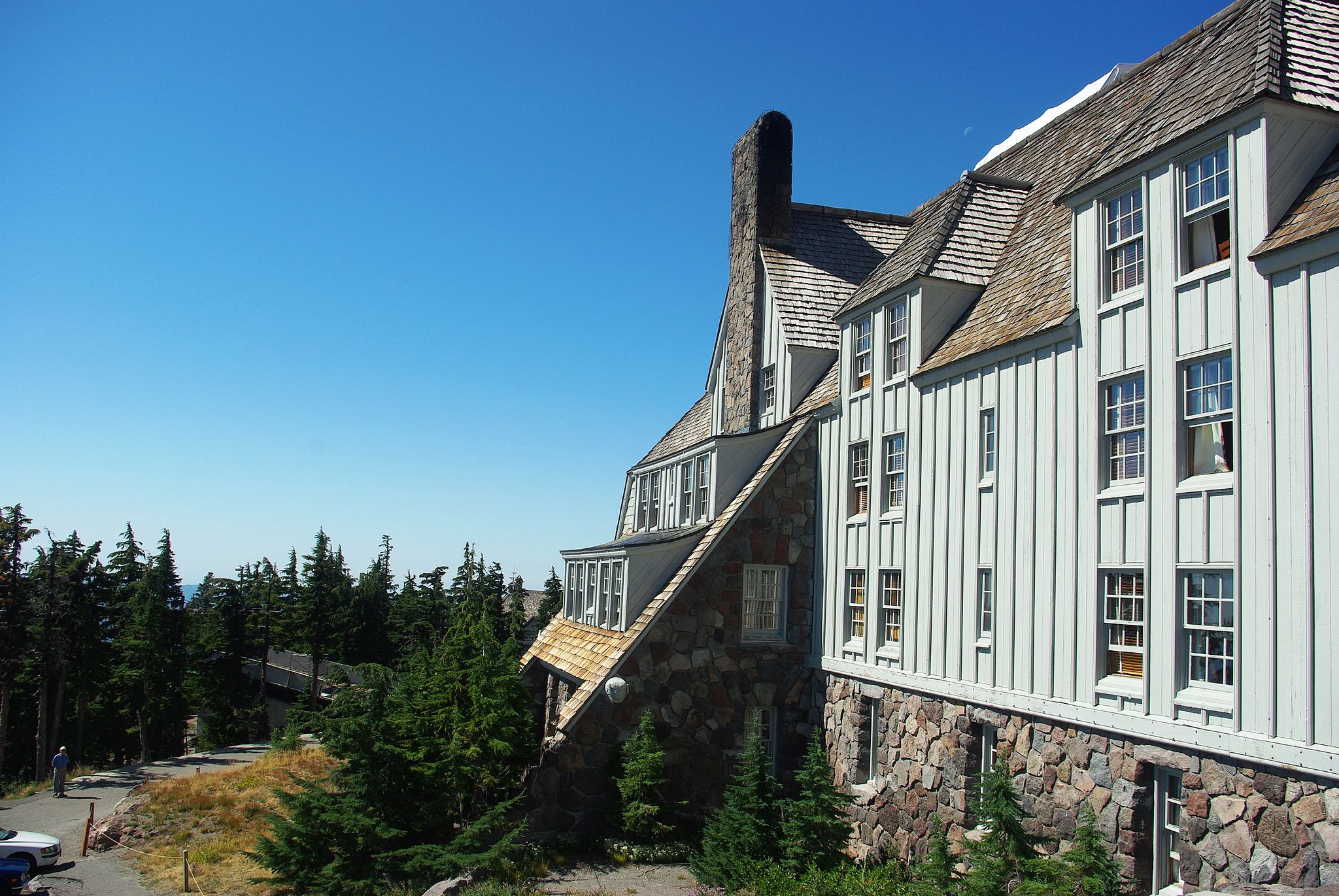
For the iconic exterior shots of the Overlook Hotel that feature so prominently in the film’s opening sequence and establishing shots, Stanley Kubrick selected the magnificent Timberline Lodge. This historic resort, nestled high on the south side of Mount Hood in Oregon, perfectly embodied the remote grandeur and isolated beauty he envisioned for the terrifying hotel.
Constructed in 1937 as a Works Progress Administration (WPA) project during the Great Depression, the Timberline Lodge is a marvel of rustic architecture and craftsmanship. Its striking stone and timber façade, steep gables, and imposing presence against the backdrop of the Cascade Range immediately convey a sense of timelessness and formidable isolation. The lodge operates as a year-round mountain resort, famous for its skiing and snowboarding opportunities, as well as its stunning views and hiking trails.
When the film crew arrived, they utilized the exterior of the lodge for all the breathtaking aerial shots and ground-level views that make the Overlook Hotel seem like an isolated sentinel in the vast wilderness. Interestingly, the management of Timberline Lodge requested that Kubrick change the room number 217 (from Stephen King’s novel and the actual haunted room at The Stanley Hotel) to 237 for the film. They were concerned that guests would be reluctant to stay in the real room 217 if it were featured in such a terrifying movie. The change was made, and room 237 in The Shining became infamous, though no real room 237 exists at Timberline Lodge. The lodge now embraces its cinematic fame, offering “The Shining” souvenirs and drawing film buffs who wish to walk in the footsteps of Jack Torrance and experience the awe-inspiring scenery of the Pacific Northwest.
The Elaborate Sets of Elstree Studios and the Ahwahnee Hotel Influence
While Timberline Lodge provided the iconic exterior, the vast, labyrinthine interiors of the Overlook Hotel that audiences remember so vividly were almost entirely constructed on soundstages at Elstree Studios in Hertfordshire, England. Stanley Kubrick was known for his meticulous attention to detail and his desire for complete creative control, which filming on elaborate sets allowed.
The sets, designed by Roy Walker and his team, were based on a combination of different real-world hotel designs, creating a unique and disorienting space that felt both grand and claustrophobic. The most significant influence for the interior aesthetics came from the Ahwahnee Hotel (now known as the Majestic Yosemite Hotel) located within Yosemite National Park in California. Opened in 1927, the Ahwahnee Hotel is renowned for its magnificent architecture, combining elements of Art Deco, Native American, and Middle Eastern influences, with colossal stone fireplaces, towering ceilings, and grand public spaces.

Kubrick’s team meticulously recreated key features of the Ahwahnee, such as the grand lounge with its distinctive windows and the expansive lobby. The iconic red-and-orange geometric carpet patterns, which appear throughout the hotel’s corridors (most famously where Danny Torrance rides his tricycle), were entirely original designs, but they echo the strong patterns found in historic resorts. The sets at Elstree Studios were massive, sprawling constructions, allowing Kubrick to employ his signature tracking shots and create the unsettling sense of endless, twisting corridors.
The decision to build elaborate sets, rather than use existing hotel interiors, gave Kubrick unparalleled control over lighting, sound, and spatial relationships, all critical elements in crafting the film’s pervasive atmosphere of dread. The long, grueling shoot, famous for its multiple takes and psychological toll on actors like Shelley Duvall and Jack Nicholson, was a testament to his pursuit of perfection. The result is an interior that feels simultaneously grand and oppressive, a character in itself that plays a pivotal role in the horror unfolding within its walls.
Beyond the Film: The Lasting Legacy of The Shining’s Locations
The cultural impact of The Shining extends far beyond its initial release, cementing the real-life locations it drew upon as significant landmarks for film tourism and a unique type of accommodation experience.
Visiting the Real-Life Overlook Hotels
For fans of The Shining and travelers seeking unique experiences, visiting the real-life inspirations for the Overlook Hotel offers a captivating blend of history, natural beauty, and a touch of the macabre.
The Stanley Hotel in Estes Park, Colorado, remains a premier destination for those fascinated by the paranormal. It’s registered on the National Register of Historic Places and offers a range of experiences, from luxurious stays in elegantly appointed rooms and suites to more budget-friendly options in its Lodge. The hotel capitalizes on its connection to The Shining with daily ghost tours, a hedge maze (inspired by the film, though not present when King stayed), and an annual “The Shining” Ball. Guests can dine in fine restaurants, relax in the grand lounge, or explore the quaint mountain town of Estes Park, a gateway to Rocky Mountain National Park. For accommodations, options range from historic rooms to modern apartments nearby, making it accessible for various travel styles, from luxury to family trips.
Meanwhile, Timberline Lodge on Mount Hood, Oregon, appeals to outdoor enthusiasts and history buffs. It’s an active resort offering superb skiing, snowboarding, and hiking opportunities amidst breathtaking scenery. Visitors can book rooms, suites, or even bunk beds in the historic lodge, experiencing its rustic charm and original craftsmanship. Dining at the lodge’s award-winning restaurants, such as the Ram’s Head Bar, provides stunning views. The lodge also serves as a base for exploring the diverse landscapes of the Pacific Northwest, including the vibrant city of Portland a short drive away. While less focused on paranormal activities, the lodge fully embraces its film connection, offering merchandise and a unique opportunity to stand where the iconic Overlook Hotel exterior was filmed.
And for those intrigued by the interior design influence, a visit to the Majestic Yosemite Hotel (formerly Ahwahnee Hotel) in Yosemite National Park, California, offers a glimpse into the grandeur that inspired Kubrick’s sets. This magnificent landmark hotel provides a luxury travel experience in one of America’s most famous national parks, boasting unparalleled views and access to natural wonders. While it has no direct film connection to The Shining, its architectural splendor and rich history make it a destination worth experiencing for its own merits, connecting visitors to a piece of American design heritage.
The Enduring Allure of Horror Tourism
The phenomenon surrounding The Shining’s filming locations is a prime example of “horror tourism” or “set jetting,” where fans travel to real-world places that served as backdrops for their favorite scary stories. This niche within the broader tourism sector thrives on the desire to connect with fictional worlds in tangible ways, to feel a shiver of recognition, or to experience the atmosphere that once sparked an author’s or filmmaker’s vision.
These locations aren’t just hotels; they’re cultural landmarks. They represent a unique intersection of film history, architectural heritage, and often, paranormal folklore. Visiting them allows travelers to delve deeper into the narrative, appreciate the artistry behind the movie, and experience a different facet of travel – one that blends thrill-seeking with appreciation for historical accommodation. From ghost tours that highlight eerie occurrences to cinematic tours that retrace famous scenes, these destinations offer specialized guides and experiences tailored to enthusiasts. This trend underscores how popular culture can transform ordinary places into extraordinary attractions, driving tourism and creating new “experiences” for a diverse range of visitors, from solo adventurers to family trips looking for something a bit different.

Planning Your Own Cinematic Journey: Tips for Exploring Iconic Filming Locations
Embarking on a journey to visit iconic filming locations, especially those with a chilling reputation like the inspirations behind The Shining, can be an incredibly rewarding travel experience. It blends the thrill of movie magic with the excitement of exploring new destinations, whether you’re seeking luxury travel or a more budget-conscious adventure.
First, research thoroughly. Understand the true connection of each location to the film – was it an inspiration, an exterior shot, or interior design influence? This helps manage expectations and guides your focus. For places like The Stanley Hotel and Timberline Lodge, consider booking your accommodation well in advance, especially during peak seasons or around special events like “The Shining” festivals. These historic hotels, while grand, can have limited availability due to their unique appeal and often a place on the National Register of Historic Places. Look into package deals that might include tours or dining experiences.
Next, plan your itinerary around the region. These hotels are often situated in areas of remarkable natural beauty. The Stanley Hotel is minutes from Rocky Mountain National Park in Colorado, offering hiking, wildlife viewing, and scenic drives. Timberline Lodge provides access to year-round skiing and hiking on Mount Hood, with the vibrant city of Portland, Oregon, just a drive away for diverse culinary and cultural experiences. The Majestic Yosemite Hotel is, of course, within Yosemite National Park, a world-renowned landmark for its natural splendor. Integrating these attractions into your trip allows for a more holistic travel experience, combining cinematic interest with broader tourism opportunities.
Consider your accommodation style. While staying at the historic hotels themselves offers the most immersive experience, they can be pricey. Explore alternative accommodation options nearby, such as charming bed and breakfasts, vacation rentals, or more modern hotels in Estes Park, Oregon mountain towns, or within easy driving distance of Yosemite. Many offer excellent amenities and are geared towards various lifestyles, from budget-friendly stays to luxury travel. Don’t forget to check reviews and compare options to find the best fit for your needs.
Finally, embrace the storytelling. Whether you believe in ghosts or not, the tales associated with these locations add a rich layer to your visit. Participate in ghost tours at The Stanley Hotel, inquire about the history of Timberline Lodge, or simply take time to appreciate the architectural grandeur of the Majestic Yosemite Hotel. These destinations are not just places; they are living testaments to art, history, and the power of imagination, making them unforgettable stops on any travel itinerary. By thoughtfully planning and approaching your journey with an open mind, you can uncover the fascinating layers behind The Shining’s enduring legacy and create your own cinematic adventure.
LifeOutOfTheBox is a participant in the Amazon Services LLC Associates Program, an affiliate advertising program designed to provide a means for sites to earn advertising fees by advertising and linking to Amazon.com. Amazon, the Amazon logo, AmazonSupply, and the AmazonSupply logo are trademarks of Amazon.com, Inc. or its affiliates. As an Amazon Associate we earn affiliate commissions from qualifying purchases.