
In the dynamic world of travel and accommodation, travelers are constantly encountering new terms and charges that can significantly impact their budget and overall experience. Among these, the “destination fee” has emerged as a particularly common, yet often misunderstood, charge. Far more than just a hidden fee, understanding what a destination fee hotel entails is crucial for anyone planning their next trip, whether it’s a bustling business stay, a relaxing family trip, or an adventurous exploration of new destinations. This article aims to demystify destination fees, explaining what they are, why hotels charge them, what they typically cover, and how to navigate them effectively when booking your stay. From luxury resorts in the Caribbean to boutique hotels in New York City, these fees are becoming an increasingly prevalent part of the modern lodging landscape, shaping how we approach accommodation booking and manage our travel expectations.

Understanding the “Destination Fee” Phenomenon
The concept of a destination fee, while relatively new compared to traditional hotel taxes or service charges, has swiftly become a staple in many popular travel hotspots. Often confused with resort fees, these charges are a distinct financial component of your accommodation costs, designed to bundle a range of services and amenities that the hotel deems essential or enhancing to the guest experience. For travelers exploring vibrant cities like Miami or cultural hubs in Europe, being aware of these fees before arrival can make all the difference in budget planning and avoiding unpleasant surprises.
What Exactly Is a Destination Fee?
A destination fee is a mandatory charge added by a hotel, typically on a per-night basis, that is separate from the advertised room rate and applicable taxes. Unlike a resort fee, which is predominantly found in resort-style properties and often tied to extensive recreational facilities like golf courses or spas, a destination fee is more commonly associated with urban hotels and city-center properties. Its primary purpose, according to hoteliers, is to cover a bundle of “value-added” services and amenities that are intended to enhance a guest’s stay in a specific destination. These fees are typically non-negotiable and are applied to every room reservation, regardless of whether a guest chooses to utilize the included services. The lack of transparency around these fees, often only disclosed in the fine print during the accommodation booking process or upon check-in, has been a consistent point of contention for many travelers. Understanding this distinction is vital for accurate comparison when evaluating hotels, from the high-rise suites of Tokyo to the historic charm of a hotel in Rome. The goal is to ensure that guests have a clearer picture of their total cost, especially when comparing different types of accommodation, be it a traditional hotel, a serviced apartment, or a cozy villa.
The Rationale Behind Destination Fees
Hotels implement destination fees for several strategic reasons, largely aimed at optimizing revenue and marketing their properties more competitively. One significant driver is the ability to present a lower base room rate, making a hotel appear more attractive in initial searches on booking platforms. By unbundling certain costs into a separate fee, hotels can potentially draw more attention from budget-conscious travelers, even though the total price, once the fee is added, might be comparable to or higher than hotels with a more inclusive upfront rate. This strategy is prevalent in highly competitive markets, where even a slight difference in the advertised nightly rate can influence a traveler’s decision.
Beyond competitive pricing, hotels justify destination fees by arguing that they cover a suite of services that guests expect and utilize, thereby providing tangible value. This approach allows them to offset operational costs associated with maintaining these amenities, which might otherwise lead to an increase in the base room rate. For instance, a hotel in London might include high-speed Wi-Fi, fitness center access, and local cultural experiences in its fee, positioning these as essential elements for a modern stay. This model also provides a more predictable revenue stream for hotels, helping them manage their finances more effectively. However, critics argue that many of the services covered by destination fees, such as Wi-Fi or access to a business center, were once complimentary inclusions, and charging separately for them represents a form of nickel-and-diming. This debate continues to shape traveler perception and influence industry discussions regarding transparency and fair pricing practices across the global tourism sector.
Services and Amenities Covered by Destination Fees
One of the primary selling points, and indeed the stated purpose, of a destination fee is to grant guests access to a range of services and amenities. While the specifics can vary wildly from one property to another, the underlying principle is to enhance the overall guest experience, whether for a quick business stay or an extended long-term stay. Understanding what these fees typically cover is essential for travelers to assess whether they truly represent value for money.
Common Inclusions
Many destination fees bundle together services that travelers have come to expect as standard, or at least highly desirable, during their stay. The most ubiquitous inclusion is high-speed internet access, often a non-negotiable for both leisure and business travelers. Without reliable Wi-Fi, staying connected, working remotely, or sharing travel experiences with friends and family can be a significant challenge. Another common feature is access to the hotel’s fitness center or gym, appealing to guests who prioritize their wellness routine even while traveling. Properties under major brands like Hilton or Marriott often highlight these facilities as a key amenity.
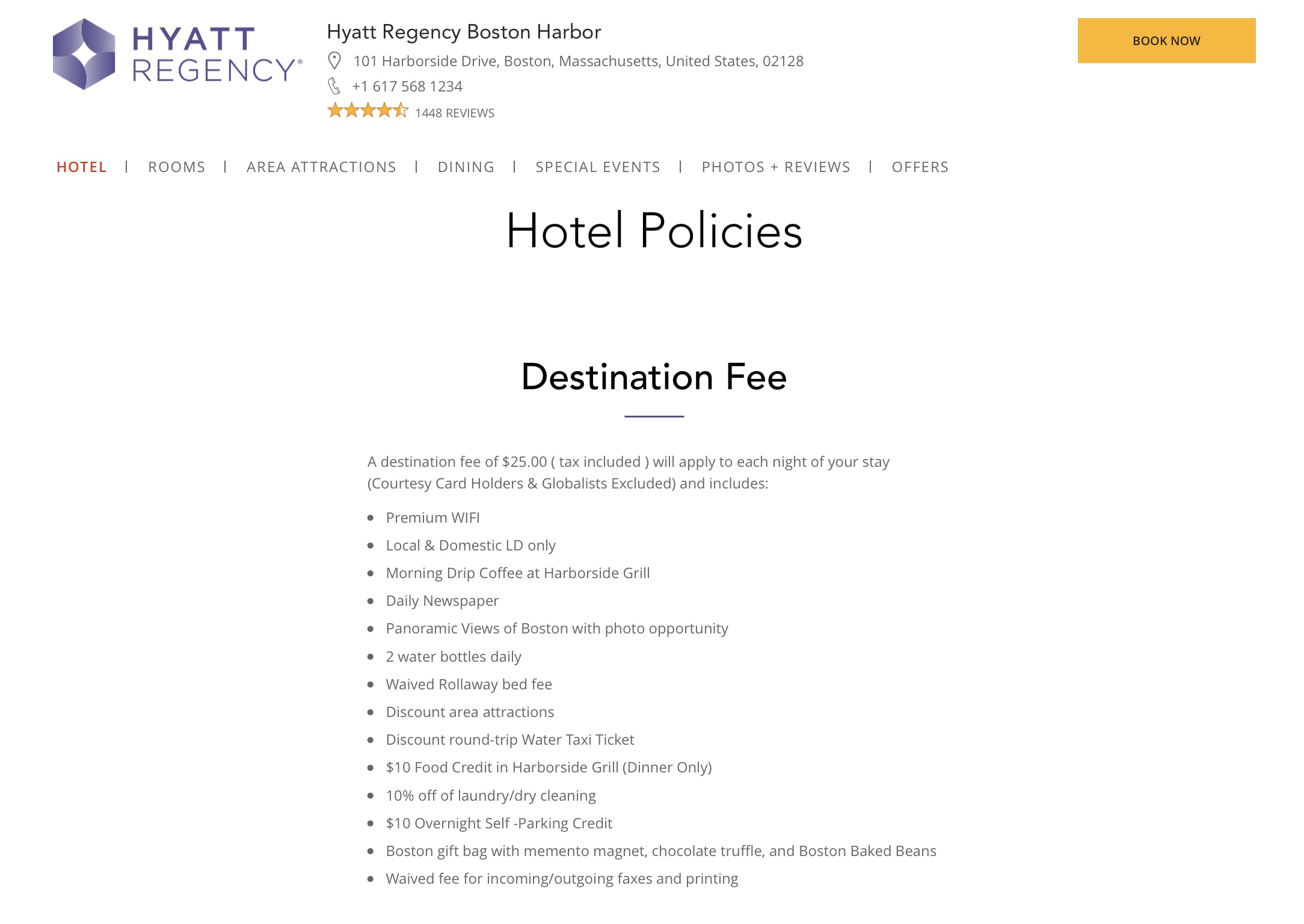
Beyond connectivity and fitness, destination fees frequently cover items such as complimentary bottled water in the room, local and toll-free phone calls, and access to business center services, including printing and faxing. Some hotels might also include a daily newspaper or in-room coffee and tea facilities as part of this package. In certain urban environments, a shuttle service to nearby attractions or transportation hubs can also be part of the deal, proving particularly useful in cities where public transport might be less accessible or navigating unknown areas is tricky. For instance, a hotel near the Empire State Building might include a shuttle to Times Square, adding significant convenience for tourists. The inclusion of these basic amenities is often presented as a convenience, saving guests the hassle of individual charges for each service.
Less Obvious Perks
While essential services form the core of most destination fee inclusions, many hotels also leverage these fees to offer unique, often locally-inspired, perks that aim to enrich the travel experience and connect guests more deeply with the local culture. These less obvious amenities can significantly contribute to the overall value proposition, especially for travelers keen on immersive tourism. For example, a destination fee might include access to curated local experiences such as guided walking tours of a city’s historic district, complimentary admission to a nearby museum or art gallery, or even a tasting session featuring local food and beverages. Imagine a hotel in Paris offering a free croissant and coffee experience at a local boulangerie, or a property in Las Vegas providing discounted tickets to a premier show.
Some hotels might include bike rentals, encouraging guests to explore the destination’s famous places or natural beauty spots at their own pace. This is particularly appealing in cities with extensive bike paths or scenic routes, like those surrounding Central Park. Other unique offerings could include premium entertainment streaming services in-room, discounts at on-site restaurants or bars, or access to exclusive lounges that provide light refreshments. Some upscale properties, such as a Waldorf Astoria or Four Seasons establishment, might even include personalized concierge services for booking activities or making reservations, providing an elevated level of luxury travel assistance. For family trips, specific inclusions might cater to children, such as access to a kids’ club or special activity kits. These tailored perks, when effectively utilized, can transform a standard hotel stay into a memorable experience, offering a glimpse into the local lifestyle and making the destination feel more accessible.
Navigating Destination Fees During Your Accommodation Booking
Effectively managing destination fees is paramount for any traveler looking to maintain a budget and avoid unexpected costs. From the initial search to the final payment, being proactive and informed can save money and prevent frustration. Whether you’re planning a budget travel adventure or a luxurious escape, understanding how these fees are presented and what your options are is a critical aspect of modern accommodation booking.

How to Identify Destination Fees
Identifying destination fees often requires a keen eye and diligent research, as their disclosure can sometimes be less than straightforward. The first place to look is on the hotel’s official website or reputable online travel agencies (OTAs) like Booking.com or Expedia. While some platforms are improving transparency, these fees are not always included in the initial “per night” price displayed. Instead, they might appear as a separate line item labeled “resort fee,” “facility fee,” “amenity fee,” or “destination charge” during the later stages of the booking process, often just before final payment.
Always make sure to click through to the “total price” breakdown before confirming your reservation. This detailed view will typically itemize the room rate, taxes, and any additional charges, including destination fees. Pay close attention to the fine print or any pop-up notifications that appear during the booking flow. If booking directly with a hotel, check their policies page or FAQ section, as detailed information might be listed there. It’s also advisable to read recent reviews from other travelers on platforms like TripAdvisor, as guests often mention unexpected fees in their feedback. For a particularly important trip, or if you’re unsure, a quick phone call to the hotel’s front desk can provide direct clarification on all mandatory charges. For example, when considering a stay at The Plaza Hotel in New York City, a call can confirm their exact fee structure. Being thorough in this initial research stage is the best defense against surprise charges.
Tips for Budget Travel and Avoiding Surprises
For budget-conscious travelers, destination fees can pose a significant challenge. However, with a strategic approach, it’s possible to minimize their impact or even avoid them. The golden rule is to always compare the total cost, not just the nightly room rate. When evaluating different accommodation options – be it hotels, apartments, or even hostels – ensure you factor in all taxes and fees. A seemingly cheaper room might end up being more expensive after a hefty destination fee is applied. Utilize comparison tools on booking sites, but double-check the final breakdown before committing.
Consider alternatives to traditional hotels that might not charge these fees. Serviced apartments, guesthouses, or vacation rentals (such as those found on Airbnb or Vrbo) often have a more transparent pricing structure, though they may have their own cleaning or service fees. If the destination fee’s inclusions don’t align with your travel style or needs – for example, if you won’t use the gym or local tours – it might be more cost-effective to choose a hotel without such a fee.
In some rare instances, particularly for business travelers who are not utilizing the included leisure amenities, it might be possible to negotiate with the hotel upon check-in, though this is becoming increasingly difficult as policies solidify. However, it never hurts to politely inquire if the fee can be waived or reduced if you genuinely won’t use any of the services. Sometimes, loyalty program members of brands like Hyatt or Sheraton might receive preferential treatment. For long-term stay accommodation, inquire if there’s a reduced or capped fee for extended durations. Prior planning and thorough research are your best allies in navigating these charges and ensuring your travel budget stays intact, whether you’re off to Orlando for Disneyland or a business trip to London.
When a Destination Fee Might Be Worth It
While destination fees are often met with traveler skepticism, there are specific scenarios where they can genuinely offer good value, especially depending on your lifestyle and travel needs. For instance, if you are planning a luxury travel experience where you intend to take full advantage of every amenity a high-end property offers, a destination fee might be a justifiable expense. Imagine staying at a resort like Bellagio Resort in Las Vegas, where the fee could cover access to exclusive pools, a premium fitness center, high-speed internet across multiple devices, and perhaps a daily credit for on-site activities or dining. If you were to purchase these services individually, the cost could easily exceed the destination fee.
Furthermore, for travelers who prioritize convenience and a seamless experience, especially those on a family trip or a demanding business stay, the bundled services can be incredibly beneficial. If the fee includes airport transfers, guided tours to local landmarks like the Colosseum in Rome, or engaging children’s activities, it simplifies planning and adds significant value. Moreover, some destination fees include perks that are truly unique and enhance the local culture experience, such as cooking classes, wine tastings, or exclusive access to local events. Before dismissing a hotel due to a destination fee, carefully evaluate the included services against your planned activities and needs. If the bundled amenities align perfectly with your itinerary and would otherwise be purchased separately, the fee could indeed represent a smart investment, contributing to a more enriched and stress-free travel experience.
The Broader Impact on Tourism and Lifestyle
The proliferation of destination fees has not only changed how individual travelers book accommodation but has also sparked broader discussions within the tourism industry and among consumers. These charges reflect evolving business practices in the hotel sector, impacting everything from regulatory oversight to how different travel lifestyles are catered to.
Traveler Perception and Industry Debate
The introduction and widespread adoption of destination fees have undoubtedly stirred strong reactions among travelers. For many, these fees represent a lack of transparency, a “hidden cost” that inflates the advertised price and can lead to frustration and a sense of being misled. This negative perception is particularly acute when the included services are basic amenities like Wi-Fi, which were once complimentary, or when guests do not utilize the services offered. Consumer advocacy groups and a segment of the traveling public argue that these fees are deceptive pricing practices, making it harder to accurately compare hotel costs across different properties and destinations. This issue has fueled a demand for clearer pricing regulations and upfront disclosure of all mandatory charges at the initial search stage, rather than deep within the booking process.
On the industry side, hoteliers often defend destination fees as a necessary means to generate additional revenue, maintain competitive base rates, and cover the rising costs of amenities that guests now expect. They argue that bundling these services provides better value than charging for each item individually. However, the debate within the industry itself is complex, with some hoteliers concerned that these fees erode trust and damage the industry’s reputation for hospitality. Regulatory bodies in countries like the United States have taken notice, with discussions and lawsuits challenging the legality and transparency of these charges. The ongoing dialogue highlights the tension between hotel revenue strategies and consumer expectations for clear, honest pricing in the global tourism landscape.
Impact on Different Travel Styles
Destination fees impact various travel styles differently, shaping the experiences of different segments of the traveling population. For budget travelers, these fees can be a significant hurdle. An extra $20-$50 per night can substantially inflate the total cost of a trip, potentially making an otherwise affordable hotel out of reach. These travelers are more likely to scrutinize what the fee covers and may opt for alternative accommodation options like hostels, guesthouses, or hotels that explicitly state “no resort/destination fees” to avoid surprises. The impact on budget travel can lead to difficult choices, sometimes forcing them to compromise on their preferred destinations or length of stay.
Conversely, for luxury travelers or those on a generous budget, the impact of a destination fee might be less pronounced. These travelers are often seeking an elevated experience and are more likely to utilize the premium amenities (like spa access, concierge services, or high-end fitness centers) that such fees might cover. For them, the fee can be perceived as part of the overall luxury package, a small price for convenience and enhanced services.
Business travelers often face these fees regardless of their desire for leisure amenities. While some companies may cover these costs, others might require employees to justify expenses, leading to administrative hurdles. For family trips, destination fees can be a mixed bag. If the fee includes child-friendly amenities, activities, or discounts on local attractions, it can be a boon. However, if a family doesn’t utilize these services, it adds an unwelcome expense to an already potentially costly trip to a destination like Orlando for Disneyland or another attraction. Ultimately, the perceived value and impact of destination fees are deeply personal, varying based on individual priorities, financial flexibility, and the specific nature of their travel.
In conclusion, destination fees are a complex and evolving aspect of the modern hotel industry. While they are often a source of frustration due to their perceived lack of transparency, they also represent a bundled offering of amenities and services designed to enhance a guest’s stay. For travelers, understanding these fees means going beyond the initial advertised room rate, scrutinizing the fine print, and comparing total costs. By doing so, you can make informed decisions that align with your budget, travel style, and expectations, ensuring your next accommodation booking contributes positively to your overall travel experiences.
LifeOutOfTheBox is a participant in the Amazon Services LLC Associates Program, an affiliate advertising program designed to provide a means for sites to earn advertising fees by advertising and linking to Amazon.com. Amazon, the Amazon logo, AmazonSupply, and the AmazonSupply logo are trademarks of Amazon.com, Inc. or its affiliates. As an Amazon Associate we earn affiliate commissions from qualifying purchases.