
Securing the ideal hotel room at the right price is fundamental to successful travel, profoundly impacting both your budget and the overall enjoyment of your journey. Whether planning a grand adventure, a critical business engagement, or a serene escape, the timing of your hotel reservation is as pivotal as the destination itself. This guide aims to demystify hotel pricing and equip you with strategic insights to pinpoint the perfect booking moment, ensuring significant savings and optimal availability.
The concept of a singular “best time” to book is a myth. Instead, it’s a dynamic interplay of location, seasonal demand, local events, and the specific accommodation type you seek. From the vibrant pulse of New York City to the tranquil shores of the Maldives, or the historical tapestry of Rome, each locale dictates its unique booking rhythms. Grasping these underlying forces is the first step toward becoming an astute traveler.
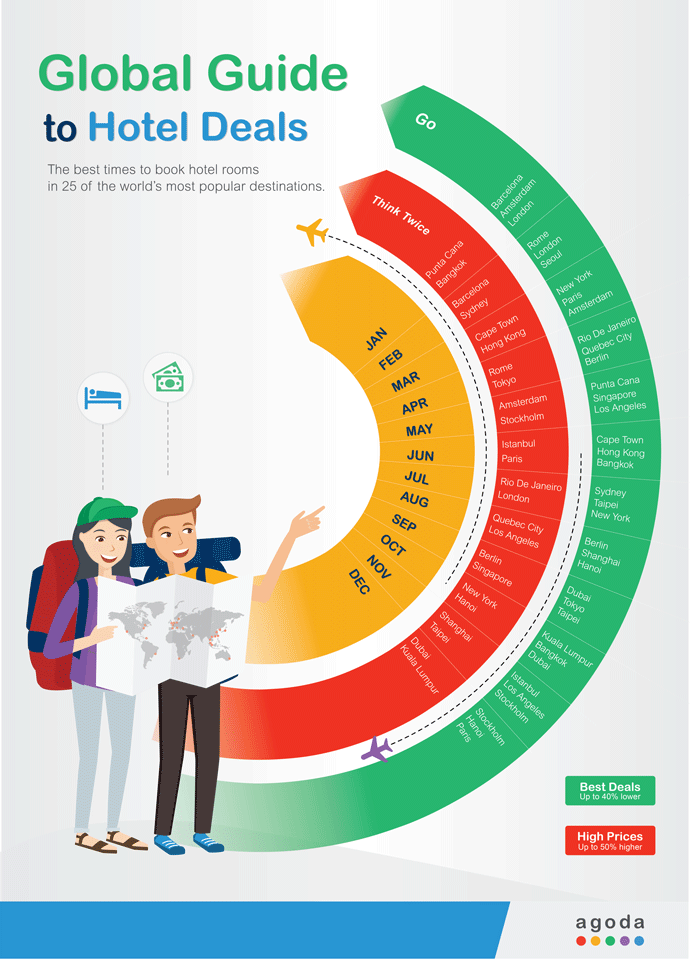
Decoding Hotel Pricing: Key Factors at Play
Hotel room rates are never static; they are governed by a sophisticated algorithm responsive to supply, demand, and a spectrum of external influences. Understanding these variables is crucial for anticipating price shifts and making informed booking decisions.
The Rhythms of Seasonality and Demand
Seasonality profoundly impacts hotel costs. Peak travel periods—encompassing summer holidays, school breaks, and major festivities like Christmas or New Year’s Eve—trigger a surge in demand. Destinations such as Paris in spring or summer, or ski resorts nestled in the Swiss Alps during winter, will inevitably command higher prices and offer limited availability. For such periods, booking 3-6 months in advance often becomes a necessity to secure a desired room at a reasonable rate.
Conversely, off-peak or shoulder seasons frequently present the most attractive deals. These periods, typically bridging peak and low seasons, offer a delightful balance: pleasant weather, fewer crowds, and considerably lower hotel rates. Visiting Barcelona in late autumn or early spring, for example, can yield substantial savings compared to the bustling summer months. Similarly, a trip to London in January or February, while cooler, nearly guarantees more affordable lodging and shorter queues at iconic sites like the Tower of London.
How Special Events Drive Up Costs
Beyond general seasonal trends, specific events create concentrated periods of sky-high demand. Major sporting spectacles like the Olympics, the Super Bowl, or a Formula 1 Grand Prix in a host city, alongside large conventions, concerts, or renowned cultural festivals (e.g., Oktoberfest in Munich or the Carnival of Venice in Venice), can dramatically inflate hotel prices months in advance.
When your travel plans intersect with such events, early booking is imperative. Hotels in close proximity to venues, perhaps a Marriott Hotel or a Hilton property, will be the first to sell out at premium rates. Planning 6-12 months ahead is often prudent, or consider accommodations slightly further afield. National holidays, both in the United States (like Thanksgiving or Memorial Day) and across Europe (such as Easter), also contribute to increased demand and higher prices.
Domestic vs. International Booking Nuances
Optimal booking lead time varies between domestic and international journeys. For domestic travel, especially within countries like Canada or Australia, a 1-3 month window is frequently sufficient. Cities like Sydney, famed for its Opera House, or Vancouver, offer ample accommodation options.
International trips typically demand longer lead times. Popular destinations across Asia, Europe, or the Caribbean fill quicker, triggering dynamic pricing earlier. A grand tour of Italy, encompassing sights like the Colosseum in Rome and the canals of Venice, or an exotic getaway to Thailand, benefits from booking 3-6 months out. For bucket-list adventures, like a safari in South Africa or an expedition to Machu Picchu in Peru, extending this to 6-12 months is often necessary to secure preferred lodges, guides, and flights.
Strategic Booking Windows: Maximizing Value
Understanding market forces is one thing; leveraging specific timing is another. Here’s how different booking windows can impact your hotel search.
The Optimal Booking Sweet Spot
For most leisure travelers, the 1-3 month period prior to check-in is widely considered the “sweet spot.” During this phase, hotels refine their inventory and adjust rates based on initial demand, offering a balance of selection and value. Many experts suggest that prices for domestic hotels often dip around 21-28 days out before gradually rising again in the final two weeks. This window is particularly effective for destinations with consistent tourism, where major chains like Hyatt Regency or an IHG property meticulously manage their inventory. It helps travelers avoid both early booking premiums and last-minute scarcity surcharges.
The Lure and Risk of Last-Minute Deals
The prospect of a last-minute bargain is tempting, promising significant savings for spontaneous travelers. Indeed, hotels often reduce prices in the final days or hours to fill unsold rooms. Platforms like HotelTonight capitalize on this model. However, relying solely on last-minute deals is a high-risk strategy. It suits highly flexible individuals or those visiting less popular areas during off-peak times. If you have specific needs—a family suite, a room with a particular view, or a luxury brand like Four Seasons or Ritz-Carlton—waiting until the last moment severely limits your options. Popular spots like Miami Beach or Las Vegas rarely offer deep last-minute discounts on prime rooms, especially on weekends. Furthermore, in areas with limited accommodation, you risk finding no availability or paying an exorbitant rate for the only room left.
Benefits of Booking Far in Advance
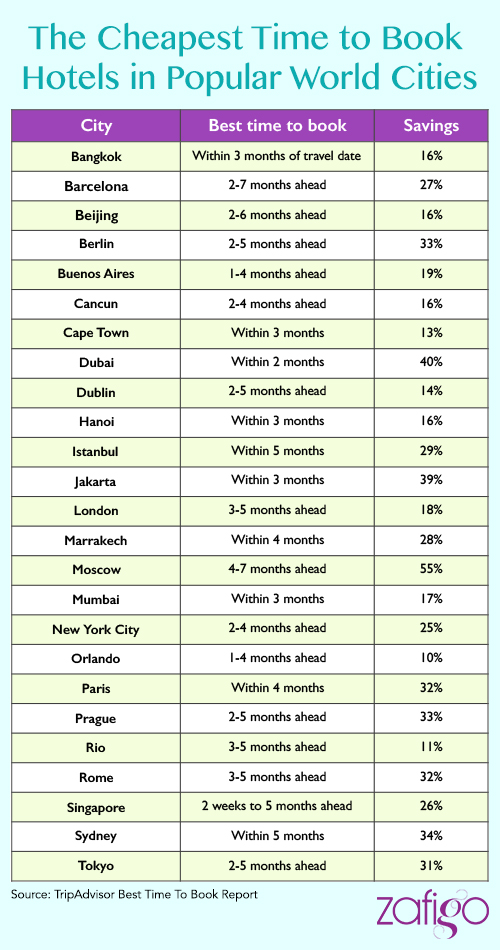
For peak seasons, highly sought-after destinations, or unique accommodations, early booking is unequivocally advantageous. Reserving 3-6 months (or even further out for truly exceptional trips) ensures you have the widest choice, especially for boutique hotels, private villas, or specific suites. This strategy is critical for family trips requiring specific room configurations or amenities, and for any travel coinciding with major events, ensuring peace of mind. Booking early also allows you to focus on other aspects of your trip. While you might forego a minor last-minute discount, the certainty of securing your preferred hotel and room, often at a favorable rate before demand peaks, usually outweighs this small risk. This is particularly true for destinations like Kyoto during cherry blossom season or the Amalfi Coast in summer.
Weekday vs. Weekend Price Differences
Hotel rates frequently fluctuate between weekdays and weekends. Business travelers typically occupy hotels from Monday to Thursday, especially in financial centers like Frankfurt or Singapore. Leisure travelers, conversely, favor weekend stays. In business-oriented cities, you might discover better deals on weekend nights when corporate demand wanes. Conversely, resort areas or cities known for nightlife might offer lower weekday rates. Always compare prices for your specific dates, as a minor schedule adjustment could lead to significant savings.
Smart Booking Tactics for Every Traveler
Beyond timing, several other strategies can optimize your hotel booking experience.
Leveraging Comparison Sites and Price Alerts
Price comparison websites such as Booking.com, Expedia, Kayak, and Google Hotels are indispensable tools. They enable you to compare rates across numerous hotels and platforms simultaneously. Many also provide price alert features, notifying you of drops for your chosen dates and destination. Setting these alerts early can provide a competitive edge. Always verify the total cost, including taxes and resort fees, as these can vary.
The Power of Loyalty Programs and Direct Bookings
While third-party sites are excellent for comparison, don’t overlook the benefits of booking directly. Major chains like Marriott Bonvoy, Hilton Honors, and World of Hyatt offer loyalty programs that include exclusive member rates, complimentary Wi-Fi, potential room upgrades, and points for future stays. Direct booking rates are often competitive, especially when factoring in loyalty perks. Additionally, direct reservations frequently come with more flexible cancellation policies, a significant advantage for uncertain plans. Subscribing to hotel newsletters can also unlock flash sales and special promotions.
Tailoring Your Approach by Accommodation Type
The “best time” also depends on your chosen accommodation:
- Standard Hotels & Resorts: Most susceptible to dynamic pricing.
- Boutique Hotels: Limited inventory means early booking is often wise, despite potentially less aggressive dynamic pricing.
- Vacation Rentals (e.g., Apartments, Villas): Platforms like Airbnb or Vrbo may have seasonal rate adjustments. For popular destinations or large groups, booking 4-6 months out is prudent for the best selection.
- Hostels: Generally budget-friendly with fewer drastic price shifts, but prime private rooms or dorms in popular locations (e.g., Berlin or Lisbon) benefit from earlier booking, especially in peak season.
Specialized Booking Advice for Specific Trips
Your specific travel needs and group size should further refine your booking strategy.
Family Vacations and Group Reservations
For family or group trips, early booking is paramount. Securing multiple or adjoining rooms, or larger suites, can be challenging, especially during peak season. Booking 6+ months out ensures you obtain desired configurations and often better group rates. Family-centric destinations such as Disneyland in Anaheim or Walt Disney World in Orlando often necessitate planning a year in advance for prime dates.
Business Travel Strategies
Business travelers typically have less date flexibility, dictated by meetings or conferences. While corporate rates exist, individual business travelers should aim to book 1-2 months ahead. Weekday travel in major business hubs like Tokyo or Hong Kong is almost always pricier. Consider extending a business trip into the weekend for leisure, as hotels might offer a better blended rate. Loyalty programs are particularly valuable for frequent business travelers.
Securing Luxury and Exclusive Stays
For luxury experiences at a St. Regis, a private villa in Tuscany, or an exclusive resort in the Seychelles, a different approach is warranted. These properties have limited inventory and cater to clientele who book far in advance. For iconic luxury accommodations, booking 6-12 months out is standard, especially for peak seasons or special occasions. While discounts are rare, early booking guarantees access to the most desirable rooms and bespoke services.

Conclusion: Master Your Hotel Booking Timing
Ultimately, there is no universal “best time” to book a hotel room. Success lies in understanding the interplay of variables and adapting your strategy to your specific travel requirements. For most leisure trips, targeting the 1-3 month “sweet spot” offers a favorable balance of availability and price. However, for popular peak seasons, significant events, or unique accommodations, booking 3-6 months (or even earlier) in advance is the most reliable and often most cost-effective approach. Last-minute deals, though alluring, carry inherent risks and are best suited for truly flexible travelers.
By combining an awareness of seasonality and demand, a keen eye on local events, intelligent use of comparison tools, and leveraging loyalty benefits, you can confidently navigate the world of hotel bookings. Remember, flexibility with your travel dates and even your destination can unlock further savings. Armed with these insights, you’re now poised to make smarter booking decisions, ensuring your next journey is both memorable and economically sound. Happy travels!
LifeOutOfTheBox is a participant in the Amazon Services LLC Associates Program, an affiliate advertising program designed to provide a means for sites to earn advertising fees by advertising and linking to Amazon.com. Amazon, the Amazon logo, AmazonSupply, and the AmazonSupply logo are trademarks of Amazon.com, Inc. or its affiliates. As an Amazon Associate we earn affiliate commissions from qualifying purchases.