
The hospitality landscape is a vast and intricate tapestry, woven with threads of iconic brands, global giants, and a continuous evolution of ownership and identity. Among the most recognizable names in this sphere is Sheraton, a brand synonymous with comfortable, reliable, and often luxurious accommodation for generations of travelers. For those planning a trip, exploring destinations, or simply curious about the world of hotels and tourism, understanding who stands behind such a prominent name can offer valuable insights.
Today, the answer to “Who owns Sheraton Hotels?” is unequivocally Marriott International. This colossal entity in the travel industry acquired the Sheraton brand as part of its landmark acquisition of Starwood Hotels & Resorts Worldwide in 2016. However, the journey of Sheraton to its current home within the Marriott portfolio is a rich narrative of growth, strategic shifts, and adaptation, reflecting the dynamic nature of global tourism and accommodation.

The Storied History and Evolution of a Hospitality Icon
The Sheraton brand has a deep-rooted history, tracing its origins back to the late 1930s. Its evolution through various ownership structures has shaped its identity and global footprint, making it a fascinating case study in the world of hotels.
Early Beginnings and Rapid Expansion
The story of Sheraton began in 1937 when its founders, Ernest Henderson and Robert Moore, acquired their first hotel in Springfield, Massachusetts. Just two years later, they purchased a second property in Boston, famously topping it with a large, illuminated sign bearing the name “Sheraton Hotel.” This marked the birth of a brand that would soon become a household name. The founders, recognizing the power of a consistent brand experience, decided to name all their subsequent hotels Sheraton and began a rapid expansion strategy.
Throughout the 1940s and 1950s, Sheraton grew exponentially, becoming the first hotel chain to be listed on the New York Stock Exchange in 1945. It also pioneered international expansion among hotel brands, acquiring two Canadian hotel chains in 1949 and making its mark in destinations across the United States and Canada. This period of aggressive growth established Sheraton as a major player, offering reliable accommodation options for both business and leisure travelers in an era of burgeoning post-war travel. Its properties, often situated in key urban centers and popular tourist attractions, became integral parts of the travel experience for many.
Changing Hands: The ITT and Starwood Eras
The mid-20th century saw Sheraton continue its impressive trajectory, yet the corporate landscape was shifting. In 1968, the brand was acquired by ITT Corporation, a massive conglomerate with interests ranging from telecommunications to defense. Under ITT’s ownership, Sheraton continued to expand its global reach, particularly into Europe, Latin America, and the Asia Pacific region. This era further cemented Sheraton’s reputation as a truly international brand, offering consistent service standards and comfortable amenities in a wide array of destinations.
However, the late 20th century brought another significant change. In 1998, ITT Sheraton was acquired by Starwood Hotels & Resorts Worldwide. This acquisition was a pivotal moment, as Starwood was itself an emerging powerhouse, building a diverse portfolio of brands catering to various segments of the luxury and upscale travel market. Alongside Sheraton, Starwood’s portfolio included other renowned names like Westin, W Hotels, St. Regis, The Luxury Collection, Le Méridien, Four Points by Sheraton, Aloft Hotels, and Element Hotels. Under Starwood’s stewardship, Sheraton underwent various revitalization efforts, aimed at modernizing its image and enhancing its guest experience to remain competitive in a rapidly evolving market. This period focused on aligning Sheraton with contemporary lifestyle trends while maintaining its core appeal of accessibility and comfort.
Marriott International: A Global Powerhouse in Hospitality
The most significant chapter in Sheraton’s ownership history began in 2016, with the monumental acquisition by Marriott International. This move reshaped the entire hospitality industry, creating the world’s largest hotel company.
The Landmark Acquisition of Starwood
In September 2016, Marriott International finalized its acquisition of Starwood Hotels & Resorts Worldwide for approximately $13 billion. This was not merely a corporate transaction; it was a seismic shift that consolidated an unprecedented number of iconic brands under a single umbrella. The combined entity boasted over 30 brands and more than 6,000 properties across 120 countries and territories. This mega-merger was driven by the desire to achieve greater scale, leverage combined loyalty programs, enhance distribution, and offer an unparalleled range of choices to travelers worldwide.
For Marriott, which had been founded by J. Willard Marriott in 1927 with a root beer stand in Washington D.C. and built into a global leader by his son, Bill Marriott, the acquisition of Starwood represented the culmination of decades of strategic growth. It brought together two highly complementary portfolios, filling gaps in market segments and geographical presence. The inclusion of Sheraton was particularly significant, as it added a vast network of full-service hotels that resonated deeply with a broad demographic of business and leisure travelers.
Integrating Sheraton into the Marriott Portfolio
Integrating a brand of Sheraton’s size and legacy into an already massive organization like Marriott was a complex undertaking. The process involved aligning operational standards, integrating technology systems, and, crucially, merging loyalty programs. The creation of Marriott Bonvoy became a cornerstone of this integration, offering members access to an expansive network of hotels, diverse experiences, and enhanced benefits. For Sheraton guests, this meant immediate access to a wider array of destinations and an enriched loyalty program that recognized their patronage across more brands.
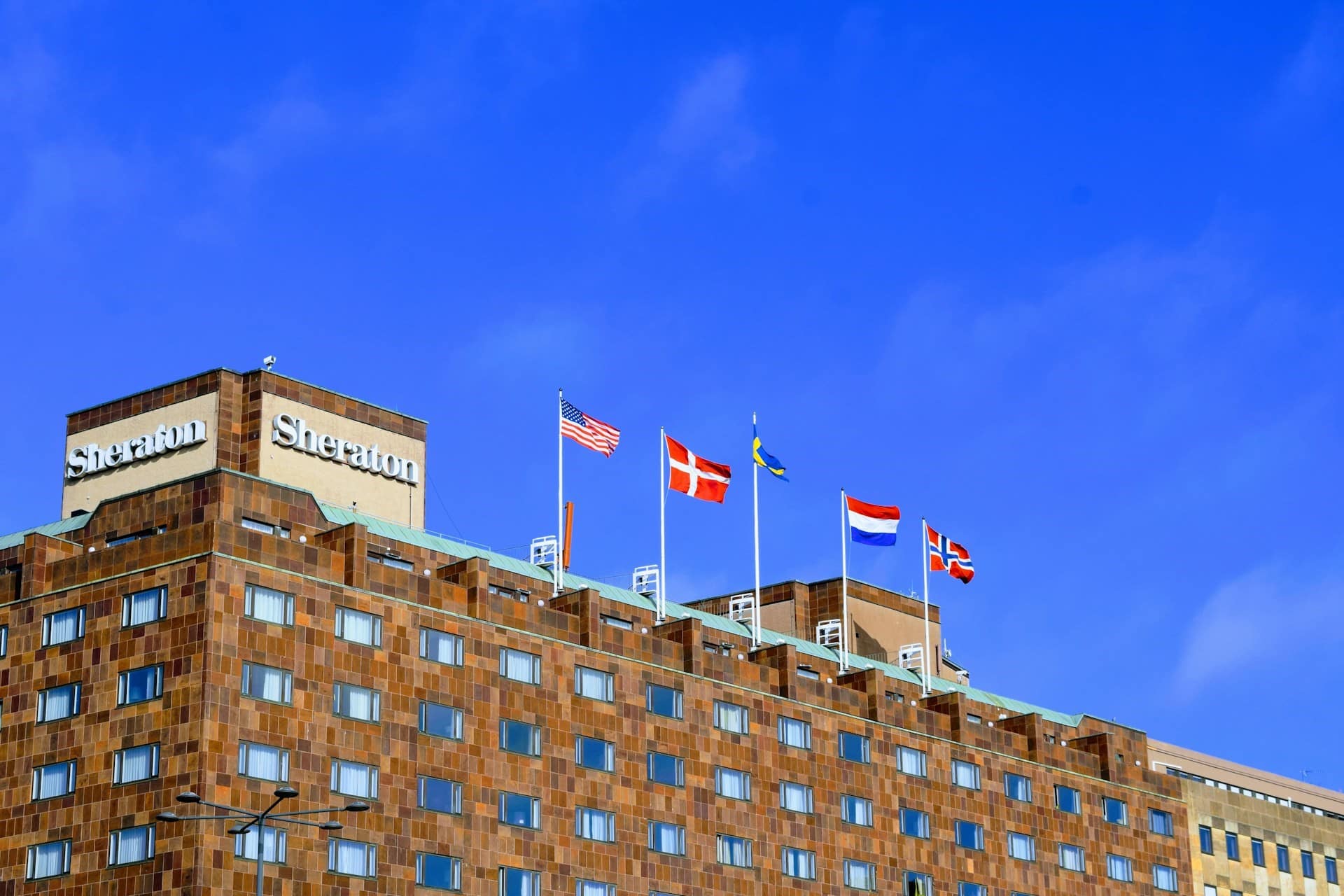
Post-acquisition, Marriott embarked on a multi-year revitalization strategy for Sheraton. This involved significant investment in renovations and redesigns of existing properties, focusing on modernizing public spaces, enhancing food and beverage offerings, and upgrading guest rooms to meet contemporary traveler expectations. The goal was to reclaim Sheraton’s position as a premium full-service brand, distinct within the vast Marriott family, and to offer a consistent, appealing experience across its global portfolio. This strategic focus aimed to ensure that Sheraton remained a competitive and attractive option for those seeking quality accommodation.
Sheraton Today: A Modern Brand Under Marriott’s Wing
Under Marriott International’s ownership, Sheraton continues to evolve, adapting to the latest trends in travel and hospitality while leveraging the formidable resources of its parent company.
Redefining the Guest Experience
The brand refresh initiated by Marriott has been central to Sheraton’s modern identity. This has involved transforming hotel lobbies into vibrant “public squares” — versatile spaces designed for working, socializing, and dining. Concepts like “The Community Table,” “Studios,” and “Coffee Bar Bar” have been introduced to foster a sense of connection and productivity, catering to the needs of both business travelers and digital nomads. Guest rooms have been redesigned with a focus on comfort, functionality, and smart technology, ensuring a seamless and enjoyable stay.
These enhancements align perfectly with the evolving definition of lifestyle travel. Modern travelers, whether on a family trip, a luxury getaway, or a budget-conscious adventure, seek more than just a place to sleep. They desire experiences, connectivity, and spaces that facilitate their work and leisure activities. Sheraton’s updated approach reflects this, offering amenities that support a holistic travel experience, from state-of-the-art fitness centers to diverse dining options featuring local flavors and international cuisine.
Sheraton’s Global Footprint and Appeal
With hundreds of properties spread across virtually every continent, Sheraton boasts an impressive global footprint. You can find Sheraton Hotels in bustling metropolises like New York City, London, Tokyo, and Dubai, often strategically located near major landmarks, business districts, and tourist attractions. The brand’s presence extends to popular resort destinations, offering travelers a blend of relaxation and convenience.
The enduring appeal of Sheraton lies in its ability to offer a consistent, quality experience. Whether you’re visiting for business, attending a conference, or exploring new cultures and destinations, Sheraton aims to provide a reliable base. Its properties frequently feature extensive meeting facilities, robust Wi-Fi, comfortable beds, and a range of services designed to make travel effortless. This reliability is a key factor for many travelers when choosing accommodation, making Sheraton a go-to option for a wide range of travel styles and purposes.
The Broader Impact: Why Brand Ownership Matters for Travelers and the Industry
Understanding the ownership of hotel brands like Sheraton extends beyond mere corporate curiosity; it has tangible implications for how we travel, where we stay, and the future of the hospitality industry.
Benefits for Travelers
For the individual traveler, being part of a larger ecosystem like Marriott International brings numerous advantages. The most prominent is the power of loyalty programs such as Marriott Bonvoy. Members can earn and redeem points across an incredible array of brands, from luxury offerings like Ritz-Carlton and St. Regis to upscale full-service hotels like Sheraton and JW Marriott, and even more budget-friendly options like Courtyard by Marriott. This flexibility allows travelers to accumulate rewards more quickly and enjoy elite status benefits across a broader spectrum of experiences, enhancing their overall travel lifestyle.
Furthermore, a large parent company often means more consistent brand standards and robust customer service infrastructure. Travelers can generally expect a certain level of quality and amenities, regardless of where in the world they encounter a Sheraton hotel. This consistency simplifies the booking process and provides peace of mind, especially when venturing into unfamiliar destinations. It also means that advancements in technology, sustainable tourism practices, and new service offerings developed at the corporate level are more likely to be rolled out across all relevant brands, including Sheraton, benefiting guests directly.
Market Influence and Future Trends
From an industry perspective, Marriott’s ownership of Sheraton solidifies its position as a market leader, giving it significant influence over pricing, distribution channels, and innovation within the hospitality sector. This scale allows Marriott to invest heavily in technology, digital booking platforms, and personalized guest experiences, which often set trends for the wider industry.
The focus on areas like sustainable travel, personalized stay options, and integrated digital services, evident in Sheraton’s ongoing transformation, reflects broader industry trends. As tourism continues to grow and evolve, driven by factors like increasing global connectivity and changing consumer preferences, major players like Marriott will continue to shape how we interact with hotels and explore new destinations. The evolution of brands like Sheraton under such ownership directly impacts the future of accommodation, ensuring that travelers have a diverse, quality selection of places to stay, no matter their destination or travel style.
In conclusion, while Sheraton Hotels began its journey as an independent pioneer, its path has led it through several significant ownership changes. Today, it stands as a proud and integral part of the Marriott International family, a relationship that ensures its continued relevance, modernization, and a robust presence in the global hospitality market, serving travelers around the world with its enduring legacy of comfort and service.
LifeOutOfTheBox is a participant in the Amazon Services LLC Associates Program, an affiliate advertising program designed to provide a means for sites to earn advertising fees by advertising and linking to Amazon.com. Amazon, the Amazon logo, AmazonSupply, and the AmazonSupply logo are trademarks of Amazon.com, Inc. or its affiliates. As an Amazon Associate we earn affiliate commissions from qualifying purchases.