
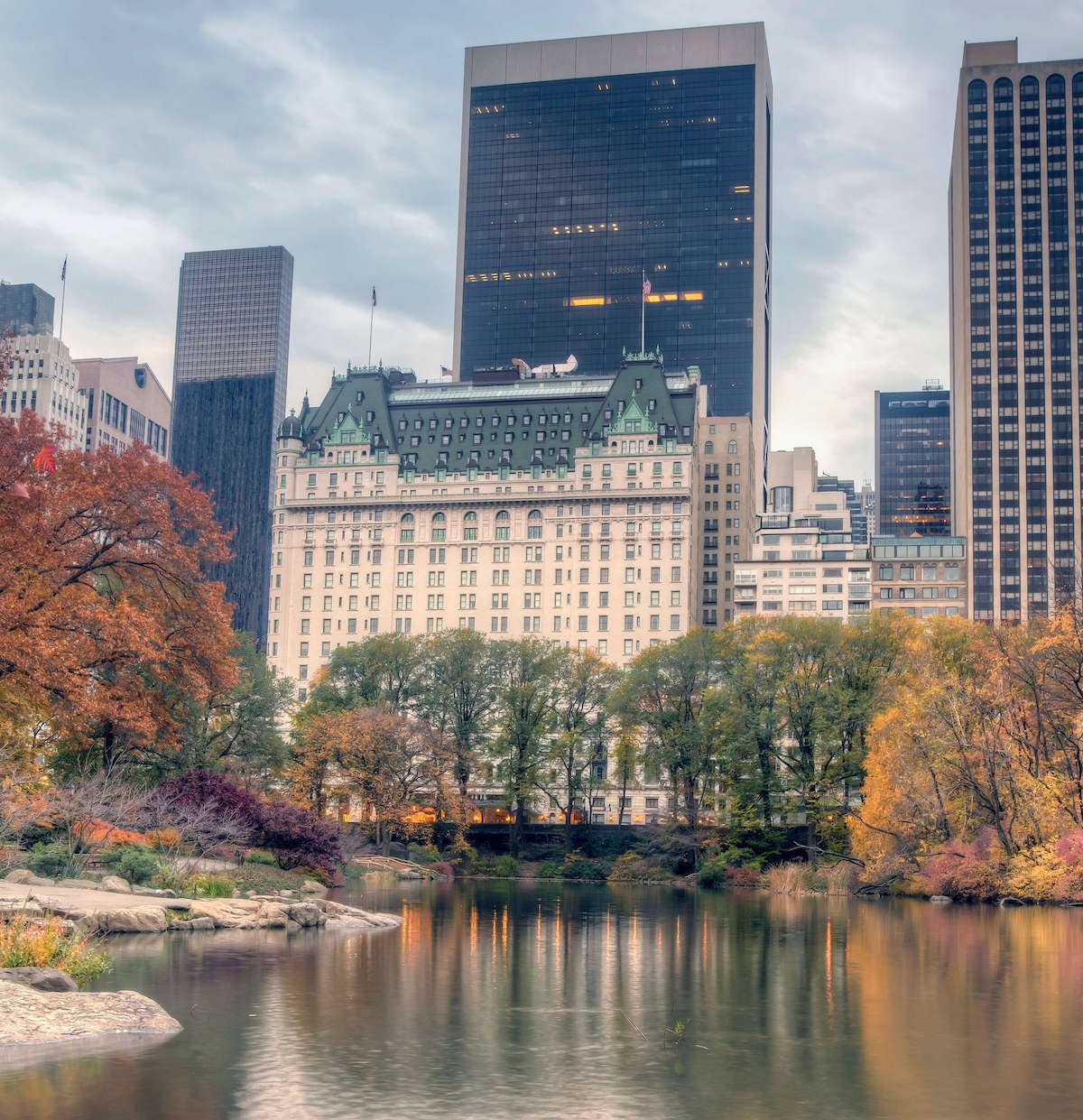
The Plaza Hotel in New York City is more than just a place to stay; it is a symbol of enduring luxury, architectural grandeur, and a living testament to the city’s vibrant history. Standing majestically at the intersection of Fifth Avenue and Central Park South, this iconic landmark has captivated the imaginations of travelers, celebrities, and even fictional characters for over a century. Its very name evokes images of opulent ballrooms, impeccable service, and a certain Gilded Age charm that is increasingly rare in the modern world. For anyone interested in travel, hotels, or the rich tapestry of tourism, the Plaza represents the pinnacle of sophistication.
However, behind the glittering chandeliers and the meticulously restored interiors lies a complex and fascinating story of ownership. Unlike many contemporary luxury hotels that are part of vast, monolithic chains from their inception, the Plaza has passed through the hands of numerous prominent individuals and powerful corporations, each leaving their indelible mark on its legacy. This journey of ownership reflects not only the changing tides of the hospitality industry but also the broader economic and cultural shifts that have shaped New York City and beyond. Understanding who owns the Plaza today, and who has owned it in the past, offers a unique lens through which to appreciate its enduring appeal and its pivotal role as a global icon. From real estate moguls to international investment groups, the custodians of this grand dame have faced the challenge of preserving its storied past while ensuring its continued relevance as a premier destination for accommodation and lifestyle experiences.
An Icon of Luxury and History: The Plaza’s Enduring Appeal
Opened in 1907, the Plaza Hotel was an instant sensation, immediately establishing itself as the premier destination for New York City’s elite and discerning travelers from around the world. Designed by the renowned architect Henry Janeway Hardenbergh, who also designed the Dakota Apartments, its French Renaissance château style with its distinctive mansard roof became an instant landmark. The vision was to create “the greatest hotel in the world,” and for many, it achieved just that, setting unprecedented standards for luxury, service, and architectural beauty. Its strategic location, overlooking Central Park and positioned on the prestigious Fifth Avenue, ensured its status as a focal point of urban sophistication.
A Glimpse into Grandeur: Architectural Splendor and Legacy
The architectural design of the Plaza Hotel is a significant part of its allure. The building stands as a testament to the Gilded Age’s embrace of European-inspired grandeur, featuring intricate details, opulent finishes, and a scale that commands attention. Its façade, crafted from white glazed terra cotta, gleams in the Manhattan skyline, a beacon for those seeking an elevated experience. Inside, the public spaces are equally magnificent. The Palm Court, with its lush greenery and stained-glass dome, offers an iconic setting for afternoon tea, a quintessential New York City experience. The Grand Ballroom, an extravagant setting for countless galas and weddings, showcases exquisite craftsmanship and timeless elegance. Each suite and guest room is designed to reflect a blend of classic aesthetics and modern comforts, featuring bespoke furnishings, marble bathrooms, and often, breathtaking views of Central Park or the city skyline. For travelers exploring destinations that marry history with unparalleled luxury, the Plaza offers not just a room, but an immersive journey into a bygone era of elegance. Its status as a designated New York City landmark and a National Historic Landmark underscores its architectural and cultural significance, ensuring its preservation for future generations to admire and experience.
The Plaza’s Place in Popular Culture
Beyond its physical grandeur, the Plaza Hotel holds a unique place in the collective consciousness through its numerous appearances in popular culture. It has served as a backdrop for some of the most memorable scenes in film and literature, cementing its image as a symbol of aspiration and romance. Perhaps one of its most famous literary connections is to F. Scott Fitzgerald’s classic novel, “The Great Gatsby,” where a pivotal and dramatic confrontation takes place in one of its suites. This literary association has forever linked the Plaza to the roaring twenties and the glamorous, yet ultimately tragic, American Dream.
In cinema, the Plaza’s presence is equally iconic. It played a starring role in “Home Alone 2: Lost in New York,” where young Kevin McCallister famously orders a massive room service feast. This film introduced the hotel to a new generation, showcasing its opulent interiors and impeccable service in a whimsical, family-friendly light. Other notable film appearances include “North by Northwest,” “Breakfast at Tiffany’s,” and “Scent of a Woman,” each utilizing the hotel’s distinctive atmosphere to enhance their narratives.
And then there’s Eloise, the mischievous six-year-old fictional character from Kay Thompson’s “Eloise at The Plaza” book series. Eloise’s adventures living in the “room on the top floor” with her Nanny, pet pug, and turtle, painted a vivid and charming picture of life within the hotel’s walls, making it a beloved fantasy destination for children worldwide. The hotel embraces this legacy, with an Eloise-themed suite and shop, offering unique experiences for families traveling to New York City. These cultural touchstones ensure that the Plaza remains not just a physical location, but a cherished part of our collective imagination, a truly unique blend of history and timeless entertainment.
Tracing the Ownership: A Journey Through Decades of Stewardship
The Plaza Hotel’s ownership history is a complex tapestry woven with ambition, financial shifts, and personal legacies. From its inception, the hotel was envisioned as an unparalleled venture, requiring substantial investment and a clear vision. Over the decades, it has been bought, sold, and reimagined by a succession of influential figures and entities, each contributing to its legendary status while navigating the evolving landscape of luxury travel and real estate.
From Founding Visionaries to Financial Titans
The initial development of the Plaza Hotel was a grand undertaking spearheaded by a consortium of wealthy investors, including prominent financier August Belmont Jr. The hotel opened its doors in 1907, costing an unprecedented $12 million to build, a sum that underscored its ambition to be the world’s most luxurious hotel. Its early years saw it thrive, becoming the preferred accommodation for industrialists, socialites, and dignitaries.
However, even iconic properties are not immune to economic fluctuations. The Great Depression, for instance, posed significant challenges, leading to periods of financial strain and changes in management. By the mid-20th century, the hotel continued to attract an elite clientele, but its maintenance and modernization required substantial capital. The ownership during this period often involved wealthy individuals or families who viewed it not just as a business, but as a prestigious asset and a symbol of their standing.
One of the most notable periods in the Plaza’s ownership came in 1988 when it was acquired by real estate magnate Donald Trump for $407 million. Trump famously declared the Plaza to be “a masterpiece” and “the most important building in New York,” vowing to restore its former glory. Under his ownership, his then-wife, Ivana Trump, took on the role of president, overseeing significant renovations aimed at enhancing its luxury offerings. Despite their efforts to revitalize the property, Trump’s tenure was marked by financial difficulties, ultimately leading to a complex restructuring and eventual sale. This era highlighted the immense challenge and capital required to maintain such a grand, historic property in the highly competitive New York City hotel market.
The Changing Hands of a Landmark
Following the Trump era, the Plaza Hotel continued its journey through various ownership structures. In 1995, it was sold to a partnership between Prince Al-Waleed bin Talal’s Kingdom Holding Company and the CDL Hotels International, a subsidiary of Singapore’s City Developments Limited. This marked a significant shift towards international investment in prime New York City real estate, a trend that would only intensify in the years to come.
Under this new ownership, major decisions were made that dramatically altered the hotel’s operational model. In 2004, the property was acquired by Elad Properties, an Israeli-owned real estate firm, for $675 million. Elad’s plan was ambitious and somewhat controversial: to convert much of the hotel into luxury condominiums and private residences, while retaining a smaller, but still opulent, hotel component. This transformation, completed in 2008, introduced a new chapter for the Plaza, blending its historic function as a public hotel with the exclusive world of high-end private apartments. The project involved extensive renovations, costing hundreds of millions of dollars, aimed at preserving the building’s historic features while upgrading it with contemporary luxury amenities. This hybrid model allowed the ownership to capitalize on the soaring value of prime Manhattan real estate, ensuring the economic viability of maintaining such an expansive and historic structure. The decision sparked debates among preservationists and those concerned about the shrinking number of traditional luxury hotel rooms in the city, yet it ultimately secured the building’s future.
The Current Custodians: Unveiling The Plaza’s Present Ownership
The story of the Plaza Hotel’s ownership continued to evolve after the condominium conversion, leading to its current configuration under prominent international investment. These recent transitions underscore the global appeal of such an iconic asset and the intense competition among global players to acquire a piece of New York City’s most prestigious real estate.

The Saga of Katara Hospitality and Sahara India Pariwar
In 2012, a significant portion of the Plaza Hotel (specifically the hotel rooms, retail space, and several banquet halls, as opposed to the residential condominiums) was acquired by Sahara India Pariwar, an Indian conglomerate led by Subrata Roy. The deal, valued at approximately $570 million, further diversified the international ownership of this American landmark. Sahara’s ownership, however, was fraught with challenges, largely due to legal and financial issues facing its chairman, Subrata Roy, in India. These difficulties put immense pressure on Sahara to divest its assets, including the Plaza.
After years of legal battles and financial maneuvers, the hotel component of the Plaza was eventually sold again in 2018. The buyer was Katara Hospitality, a leading hotel owner, developer, and operator based in Doha, Qatar. Katara Hospitality acquired the hotel for approximately $600 million, solidifying its portfolio of iconic international properties. This acquisition was a strategic move for Katara Hospitality, which specializes in acquiring, developing, and managing luxury hotels and resorts around the world. Their portfolio includes several historical and grand properties, making the Plaza a natural fit for their vision of preserving and enhancing global hospitality gems. As of the most recent public records, Katara Hospitality remains the owner of the hotel portion of the Plaza Hotel. The residential condominiums, which occupy a significant part of the building, are individually owned by various private parties, operating as a distinct entity from the hotel itself. This dual ownership structure, where a portion is private residences and another is a luxury hotel, is a unique aspect of the Plaza’s modern identity.
Management and Operations: Fairmont’s Role
While Katara Hospitality holds the ownership title for the hotel operations, the day-to-day management and branding of the Plaza Hotel are entrusted to Fairmont Hotels and Resorts. Fairmont, a renowned global hospitality company, is known for its portfolio of historic and architecturally significant properties, many of which are considered landmarks in their respective cities. Their expertise lies in managing high-end, full-service hotels that often combine historical preservation with contemporary luxury.
The partnership between Katara Hospitality and Fairmont is a synergistic one. Katara provides the financial backing and strategic vision for the asset, while Fairmont brings its operational excellence, global reservations system, and brand recognition to ensure the Plaza maintains its reputation for world-class service and luxury. This collaboration ensures that guests continue to experience the meticulous attention to detail, the refined amenities, and the exceptional guest services that have defined the Plaza for over a century. For travelers seeking booking information, reviews, or even a glimpse into the opulent suites and villas available, the Fairmont Hotels and Resorts platform serves as the primary gateway, providing comprehensive details on all the Plaza Hotel offers. This management structure ensures the hotel continues to thrive, balancing its historic grandeur with the demands of modern luxury tourism.
The Business of an Icon: Preserving Heritage While Ensuring Profitability
Owning and operating a historic landmark like the Plaza Hotel is a unique challenge that extends far beyond typical hotel management. It involves a delicate balance between preserving an invaluable heritage and ensuring financial viability in a fiercely competitive global market. Each owner, from early entrepreneurs to current international conglomerates, has grappled with this complex dynamic, shaping the hotel’s destiny in the process.
Balancing Preservation with Modern Amenities
The Plaza Hotel, as a National Historic Landmark, is subject to stringent preservation guidelines. This means that any renovations or modernizations must be carefully planned and executed to maintain its architectural integrity and historical character. The challenge for owners and operators like Katara Hospitality and Fairmont Hotels and Resorts is to seamlessly integrate cutting-edge amenities and luxurious comforts without compromising the hotel’s classic appeal. This often requires innovative engineering and design solutions to introduce smart room technology, state-of-the-art climate control, and modern communication systems while preserving original plasterwork, wood paneling, and period fixtures.
For guests seeking luxury travel experiences, the expectation is not just historical charm but also contemporary convenience. The Plaza delivers this by offering a range of services from high-speed internet and advanced entertainment systems to world-class dining options and a lavish spa and fitness center. The goal is to provide a truly seamless blend of old-world elegance and new-world functionality, ensuring that a stay at the Plaza is both a step back in time and a thoroughly modern indulgence. This continuous investment in preservation and modernization is crucial for the hotel to remain a top choice among discerning travelers, whether they are on a business stay or a family trip seeking a unique New York City experience. Maintaining its status as a premier destination often involves regular and significant capital expenditures, a testament to the dedication required to keep an icon shining brightly.
The Plaza’s Economic Impact on New York City
Beyond its direct operations, the Plaza Hotel has a substantial economic impact on New York City. As a major employer, it provides jobs across a wide spectrum of roles, from hospitality professionals and culinary experts to maintenance staff and administrative personnel. This employment contributes significantly to the local economy, supporting countless families and businesses.
Furthermore, the Plaza serves as a powerful magnet for tourism. Its international recognition draws visitors from all corners of the globe, eager to experience its legendary luxury and historical ambiance. These tourists, in turn, spend money on local attractions, restaurants, retail, and transportation, generating substantial revenue for the city. The hotel also hosts numerous high-profile events, conferences, and celebrations, attracting business travelers and event attendees who further contribute to the city’s economic vitality.
Its iconic status also enhances New York City’s global brand as a premier destination for luxury and culture. In a city brimming with incredible hotels and landmarks, the Plaza stands out, offering a benchmark for quality and historical significance. The ongoing success of the Plaza, therefore, is not just a triumph for its owners and management, but a continuous economic boon for the entire metropolis, reinforcing its position as a world leader in hospitality and tourism. This intricate relationship between the hotel’s operations and the city’s broader economic health makes its ownership and management crucial for urban prosperity.
Beyond Ownership: The Enduring Allure of The Plaza
While understanding who owns the Plaza Hotel provides crucial insights into its business and operational structure, it is the intangible qualities—its charm, its history, its sheer presence—that truly define its enduring allure. For over a century, the Plaza has offered more than just a place to sleep; it has offered a portal to an extraordinary lifestyle experience, a cornerstone of New York City culture, and a bucket-list destination for travelers worldwide.
Experiences at The Plaza: A Stay Like No Other
A stay at the Plaza Hotel transcends typical hotel accommodation; it is an immersion in a legacy of refined living. From the moment one steps into the grand lobby, the sense of history and luxury is palpable. Guests can choose from a variety of exquisite suites and rooms, each meticulously designed to offer unparalleled comfort and elegance, often with stunning views of Central Park or the vibrant cityscape of Fifth Avenue. The attention to detail, from the personalized service provided by Fairmont’s dedicated staff to the thoughtfully curated amenities, ensures that every aspect of the visit is memorable.
Dining at the Plaza is an experience in itself. The iconic Palm Court remains a coveted spot for its famous afternoon tea, a tradition upheld with grace and elegance. The Champagne Bar, situated in the historic lobby, offers a sophisticated setting for cocktails and light bites, reflecting the glamorous heritage of the hotel. For those seeking unique local culture and food experiences within the hotel, there are several distinct culinary offerings. Beyond dining, the Plaza also houses an exclusive collection of luxury boutiques, a world-class spa and fitness center, and even a dedicated Eloise at The Plaza shop, making it a destination in itself. Whether it’s for a romantic getaway, a family vacation, or a significant celebration, the hotel offers a range of activities and services designed to create lasting memories. It’s an ideal choice for those who value tradition, impeccable service, and a touch of Gilded Age glamour in their travels.

The Future of a Grand Dame
As the Plaza Hotel continues its second century of operation, its future under the stewardship of Katara Hospitality and Fairmont Hotels and Resorts appears bright. The current ownership has demonstrated a commitment to upholding the hotel’s legendary status while ensuring its continued relevance in a dynamic global market. This involves ongoing investments in maintenance, subtle modernization, and an unwavering focus on delivering the exceptional service that guests have come to expect.
The Plaza remains a cornerstone of New York City’s luxury landscape, a beacon for high-end tourism and a cherished historical landmark. Its unique position, combining the grandeur of a bygone era with the comforts of modern luxury, ensures its sustained appeal. For generations to come, the Plaza will undoubtedly continue to be a subject of fascination, not just for its magnificent architecture or its storied past, but for the question of who holds the reins of this irreplaceable New York City treasure. The story of its ownership is a continuous narrative of global ambition, strategic investment, and the timeless value placed upon truly extraordinary places. Ultimately, while the ownership may change, the enduring spirit and iconic status of the Plaza Hotel will always belong to the heart of New York City and the millions who dream of experiencing its unparalleled magic.
LifeOutOfTheBox is a participant in the Amazon Services LLC Associates Program, an affiliate advertising program designed to provide a means for sites to earn advertising fees by advertising and linking to Amazon.com. Amazon, the Amazon logo, AmazonSupply, and the AmazonSupply logo are trademarks of Amazon.com, Inc. or its affiliates. As an Amazon Associate we earn affiliate commissions from qualifying purchases.