
Nestled amidst the breathtaking grandeur of the Rocky Mountains in Estes Park, Colorado, stands a beacon of historic luxury and chilling mystery: the Stanley Hotel. More than just a grand resort offering opulent accommodation and scenic vistas, the Stanley Hotel has carved out a unique niche in the world of tourism and hospitality as one of America’s most famously haunted locations. Its spectral reputation draws countless travelers, paranormal enthusiasts, and horror fans annually, eager to experience its purported supernatural phenomena firsthand. But what exactly is it about this magnificent landmark that has fueled decades of ghost stories, strange occurrences, and a legendary association with one of the most terrifying tales ever told? The answer lies in a captivating blend of its early history, the vivid imagination of a renowned author, and an endless stream of unexplained events reported by guests and staff alike.
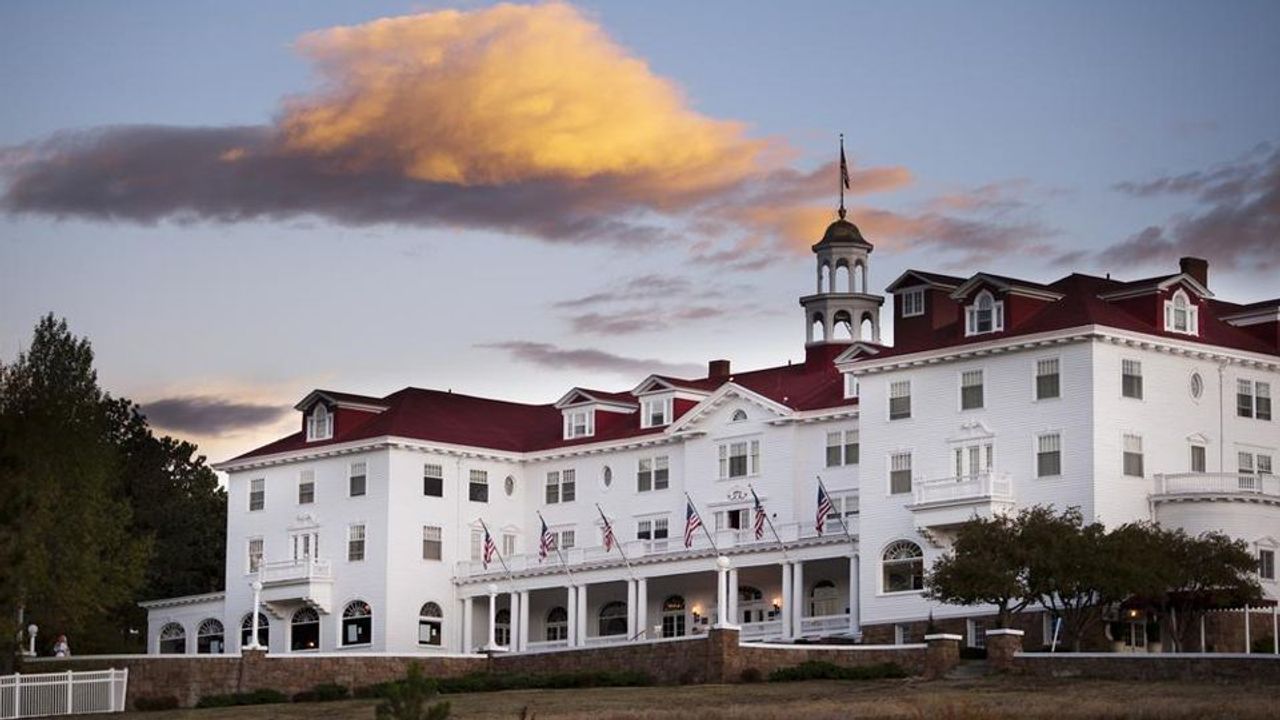
The allure of haunted hotels is a significant draw for a particular segment of lifestyle travelers seeking unique experiences. These aren’t just accommodations; they are destinations in themselves, offering a blend of history, intrigue, and the thrill of the unknown. The Stanley Hotel exemplifies this perfectly, transforming from a simple luxury resort into a cultural touchstone for paranormal tourism. Its elegant façade and panoramic views belie the chilling tales within, making it a truly unforgettable stop on any itinerary through the American West. From its stately architecture to its meticulously preserved interiors, every corner seems to whisper stories of a bygone era, many of them not of this world.
A Grand History Shrouded in Mystery: The Origins of the Stanley Hotel’s Eerie Reputation
The story of the Stanley Hotel’s hauntings begins not with spectral whispers but with the ambitious vision of an extraordinary individual: F.O. Stanley. A successful inventor and businessman, Stanley arrived in Estes Park, Colorado, in 1903 suffering from tuberculosis. The crisp, clean mountain air worked wonders for his health, and within a year, he had made a remarkable recovery. Grateful for the restorative power of the locale, and with a keen eye for opportunity, he decided to build a grand hotel that would cater to the discerning travelers of the East Coast, offering them a taste of sophistication amidst the wilderness.
Opened in 1909, the Stanley Hotel was a marvel of its time, boasting amenities like electricity, plumbing, and even an elevator – luxuries rarely found in the remote Rocky Mountains. It quickly became a premier destination, attracting high society from cities like Denver and beyond. However, even in its early days, subtle hints of the unusual began to surface, laying the groundwork for its future haunted legacy.
The Visionary Behind the Hotel: F.O. Stanley and His Dream
F.O. Stanley, along with his wife Flora Stanley, poured their hearts and souls into the hotel. They were often seen on the premises, interacting with guests, and ensuring every detail of their luxurious retreat was perfect. This deep personal connection to the property is often cited as a reason why their spirits, among others, are believed to linger within its walls. The hotel wasn’t just a business venture; it was a testament to F.O. Stanley’s resilience and his love for the majestic Colorado landscape.
It’s common for historic landmarks and grand old hotels to accumulate stories over their lifetime, but the Stanley Hotel seems to have collected more than its fair share of otherworldly narratives. The very essence of its existence, born from a man’s recovery and his desire to share the beauty of Estes Park, provides a poetic backdrop for the notion that a piece of him might forever remain. Guests often report seeing F.O. Stanley in the billiards room, his favorite spot, or hearing Flora Stanley playing the piano in the music room, her spectral melodies drifting through the lobby. These aren’t just isolated incidents; they are consistent accounts that have become woven into the fabric of the hotel’s identity, enhancing its appeal as a unique travel experience.
Early Anomalies and Unexplained Occurrences
Before the hotel achieved mainstream fame for its paranormal activities, subtle incidents began to set the stage. One of the earliest and most notable events occurred in 1911 in Room 217, the very room that would later gain infamy. During a fierce storm, the hotel’s chief housekeeper, Elizabeth Wilson, was lighting acetylene lanterns when there was an explosion. Miraculously, she survived with only broken ankles. However, it’s believed her spirit never truly left. Guests in Room 217 have since reported lights turning on and off, items moving on their own, and cold spots. Some even claim to feel a ghostly presence tidying up their belongings or gently pushing them out of bed if they are an unmarried couple. This incident provided a tangible origin for the belief that the hotel was home to more than just living guests.
Beyond Room 217, other anecdotes from the early days speak of unexplained sounds and disembodied voices. Staff members, accustomed to the quirks of old buildings, nevertheless found themselves baffled by doors opening and closing on their own, faint whispers echoing down empty hallways, and shadows moving at the periphery of their vision. These occurrences were often attributed to the “pioneer spirits” of the Rocky Mountains or simply the settling of an old building, but they collectively contributed to an atmosphere of intrigue that hinted at something deeper. Such tales, passed down through generations of hotel staff and local residents, formed a rich oral tradition, transforming the Stanley Hotel from merely a luxurious destination into a legendary site ripe for supernatural encounters. For those interested in historical tourism, these early accounts add an extra layer of fascination to their stay, turning a simple night’s accommodation into an immersive journey through time and mystery.
The Shining Connection: Stephen King’s Muse and the Popularization of the Paranormal
While the Stanley Hotel had its share of local ghost stories, it was a fateful stay by a then-up-and-coming author in 1974 that catapulted its haunted reputation onto the global stage. Stephen King, one of the most prolific and celebrated horror writers of all time, spent a night at the Stanley Hotel with his wife, Tabitha. This visit proved to be a pivotal moment for both the author and the hotel, forever intertwining their legacies.
At the time, the hotel was preparing to close for the winter, and the Kings were the only overnight guests. This eerie isolation, combined with the hotel’s grand, somewhat decaying elegance, deeply resonated with King’s creative mind. He wandered the deserted hallways, ate alone in the vast dining room, and felt a profound sense of solitude and unease. This experience, particularly a vivid dream he had that night, would become the genesis for one of his most iconic novels, cementing the Stanley Hotel’s status as an undisputed paranormal landmark.
A Fateful Stay in Room 217
Stephen King and his wife checked into Room 217, the very room where the housekeeper Elizabeth Wilson had experienced her accident decades earlier. The legend of the room’s supernatural activity was already well-established among staff. While staying there, King famously had a nightmare where his son was being chased through the hotel’s corridors by a fire hose. He woke up in a cold sweat, lit a cigarette, and looked out at the majestic mountains, fully formed with the plot for The Shining. The novel, published in 1977, featured the fictional “Overlook Hotel,” a remote and malevolent entity that mirrors many characteristics of the Stanley Hotel’s isolated grandeur and rumored dark energy.
The impact of King’s stay and the subsequent publication of The Shining (novel) was monumental. It didn’t just popularize the idea of a haunted hotel; it created a blueprint for modern horror literature and cinema, establishing a new level of psychological terror. For the Stanley Hotel, it meant an unprecedented surge in interest. Travelers, both horror aficionados and those simply curious, flocked to Estes Park, eager to stay in the very room that inspired such a terrifying masterpiece. Room 217 quickly became the most requested room in the hotel, its notoriety ensuring consistent demand for this unique accommodation experience. This cultural phenomenon transformed the hotel into a literary landmark as much as a historical one, appealing to a broad spectrum of lifestyle tourists who appreciate a good story alongside luxurious amenities.
From Novel to Iconic Horror Film
The legend of the Stanley Hotel and its Shining connection intensified with the release of Stanley Kubrick‘s cinematic adaptation of The Shining (film) in 1980. Although the film itself was not shot at the Stanley Hotel (exteriors were filmed at the Timberline Lodge in Oregon, and interiors were soundstages), its chilling portrayal of the Overlook Hotel solidified the image of a remote, snowbound, and deeply malevolent place in the public consciousness. Despite the filming location discrepancy, the spirit of the Stanley Hotel permeated the cinematic masterpiece, making it inextricably linked in the minds of millions.
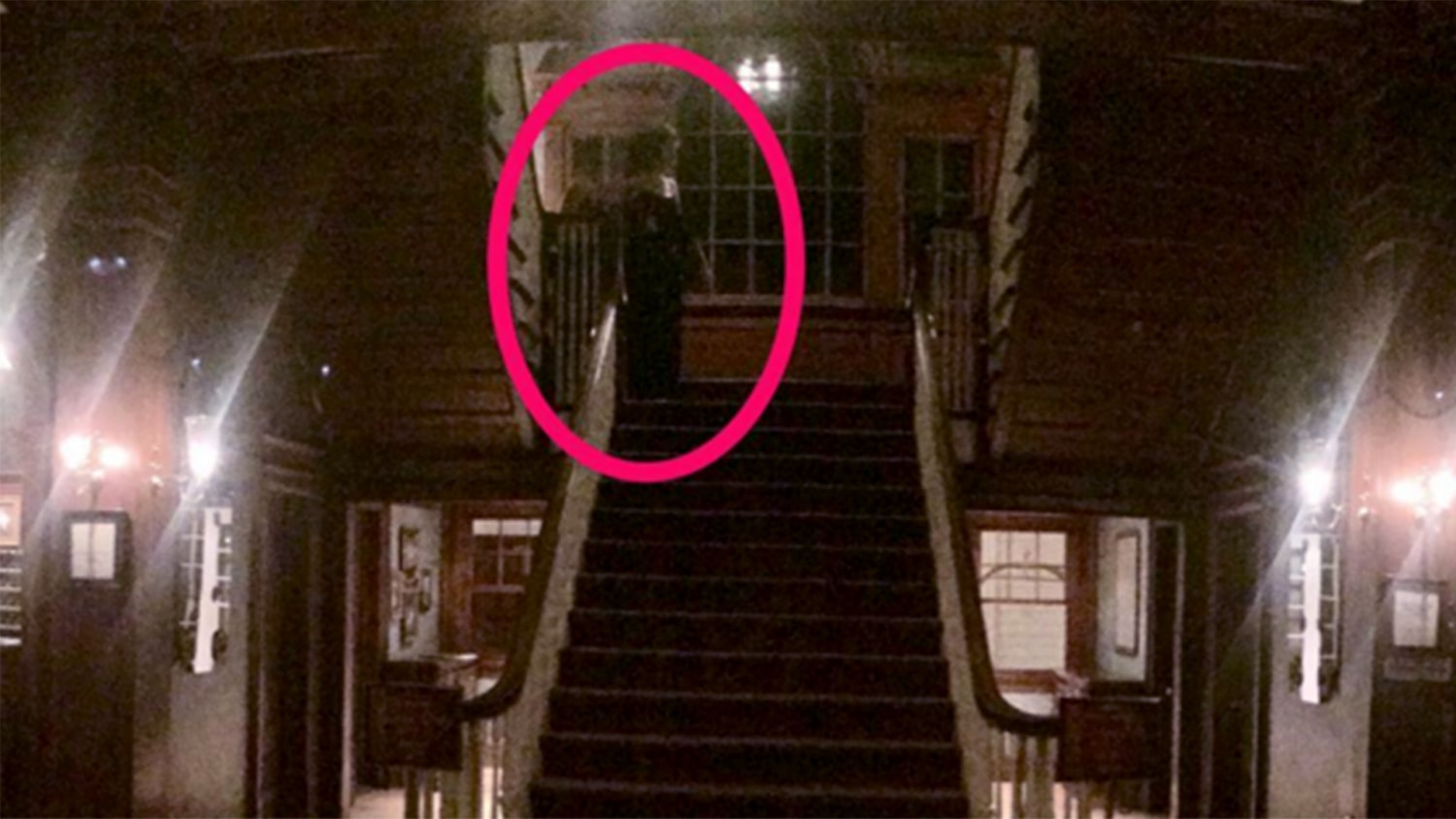
Recognizing the immense popularity of The Shining (film), the Stanley Hotel fully embraced its role as the inspiration. They even aired the Stanley Kubrick film on a continuous loop on one of their in-room television channels, further solidifying the connection for guests. Later, in 1997, a television miniseries adaptation of The Shining (novel), more faithful to Stephen King’s original text, was filmed at the Stanley Hotel, providing visual proof of its iconic architecture and further cementing its place in horror history. This miniseries allowed the hotel to be showcased directly to a wide audience on networks like Syfy, making it an even more desirable destination for fans of paranormal activity and horror fiction alike. The dual legacy of the book and films has ensured that the Stanley Hotel remains a top attraction, not just for its luxury and history, but for its thrilling link to the supernatural.
Documented Paranormal Activity: Stories from Guests and Staff
The Stanley Hotel’s reputation isn’t solely built on the back of Stephen King’s imagination; it is continually reinforced by a steady stream of alleged paranormal occurrences reported by both intrepid guests and long-serving staff members. These experiences range from the subtle and fleeting to the undeniably chilling, contributing to the hotel’s enduring mystique and its draw as a prime destination for ghost hunters and curious travelers alike.
The combination of the hotel’s long history, its isolated mountain setting, and the sheer volume of personal accounts has created a compelling narrative that even skeptics find hard to completely dismiss. Each year, visitors arrive armed with cameras, EMF meters, and an open mind, hoping to capture evidence or simply feel the presence of the spectral inhabitants. The hotel itself, understanding the appeal, encourages and documents many of these reports, further enhancing its status as a hub for paranormal investigation and tourism. This openness has made it a favorite location for television shows and documentaries dedicated to the supernatural.
Famous Hauntings and Apparitions
Among the most frequently reported spectral residents are the hotel’s founders, F.O. Stanley and Flora Stanley. F.O. Stanley is said to wander the billiards room and the reception area, sometimes appearing in photographs or leaving behind the faint scent of his pipe tobacco. [Flora Stanley](https://lifeoutofthebox.com/flora-stanley]’s presence is often heralded by the sound of phantom piano music emanating from the ballroom, particularly late at night, a spectral echo of her favorite pastime.
Room 217 remains a hotspot for activity, extending beyond the incident with Elizabeth Wilson. Guests report objects moving on their own, the feeling of a presence, and even being tucked into bed. The room’s reputation is so strong that even non-paranormal events become part of its lore; actor Jim Carrey famously checked out of the room after only a few hours during the filming of Dumb and Dumber (which had scenes filmed at the Stanley Hotel but not his accommodation), reportedly terrified by an unseen force.
The fourth floor is another significant area of activity, particularly rooms 401, 407, and 428. This floor, originally staff quarters and later guest rooms, is associated with the spirits of mischievous children who are said to play pranks, giggle in the hallways, and pull at guests’ clothes. Room 401, once home to a former chief housekeeper, is believed to be inhabited by her spirit, leading to reports of drawers opening and closing, and cold drafts. Room 428 is reportedly home to a friendly cowboy ghost who greets guests and occasionally moves luggage. These distinct personalities among the spectral residents make the hauntings feel more tangible and compelling, turning a stay into a potential interaction with history itself.
The Concert Hall, a separate building on the property, is also a hive of paranormal activity, with reports of shadowy figures, disembodied voices, and even physical touches. It’s believed to be home to a former groundskeeper, among others. The sheer volume and consistency of these reports across different locations within the hotel contribute significantly to its reputation, transforming it from a mere building into a living, breathing entity with its own distinct, ghostly inhabitants.
The Ongoing Allure for Ghost Hunters and Enthusiasts
The Stanley Hotel’s reputation has naturally attracted the attention of numerous paranormal investigators and television shows. Programs like Ghost Hunters and Ghost Adventures have conducted extensive investigations within its walls, often claiming to capture compelling evidence of supernatural phenomena. Their televised visits have introduced the hotel’s haunted lore to millions, further boosting its profile as a premier destination for those fascinated by the paranormal. These shows not only document alleged activity but also teach viewers about the history and background of the hotel, making it a comprehensive tourist experience.
This constant media exposure, coupled with consistent guest accounts, keeps the legend alive and thriving. The hotel actively encourages this interest, offering dedicated ghost tours and even hosting paranormal conventions. For many, a trip to the Stanley Hotel isn’t just about luxurious accommodation; it’s an opportunity to actively participate in the ongoing narrative of its hauntings, to perhaps capture their own evidence, or simply to immerse themselves in an atmosphere thick with history and mystery. This unique blend of luxury and the supernatural positions the Stanley Hotel as a must-visit landmark for a growing segment of lifestyle travelers interested in experiential tourism and the thrill of venturing into the unknown.
Experiencing the Supernatural: Tours, Events, and the Stanley Hotel as a Destination
The Stanley Hotel has skillfully leveraged its haunted reputation, transforming its paranormal appeal into a key aspect of its tourism and accommodation offerings. Far from shying away from its spectral residents, the hotel embraces them, providing a curated experience for guests eager to explore the eerie side of its history. This approach not only caters to a niche market but also enhances the overall travel experience, making a stay at the Stanley Hotel truly distinctive. It’s a prime example of how a landmark can evolve to offer unique attractions beyond its initial purpose.
For those planning a trip to Estes Park, Colorado, the Stanley Hotel is more than just a place to sleep; it’s an integral part of the local culture and a vibrant hub for entertainment and historical exploration. Its commitment to preserving its legacy, both luxurious and supernatural, ensures that every visitor leaves with stories to tell, whether they encountered a ghost or simply reveled in the opulent surroundings and stunning mountain views. This dual identity makes it a compelling choice for a wide range of travelers, from families looking for a unique outing to solo adventurers seeking a thrilling encounter.
Ghost Tours and Special Packages
One of the most popular attractions at the Stanley Hotel is its famous ghost tour. Expert guides lead visitors through the hotel’s most active areas, sharing compelling stories of its founders, mischievous children, and various apparitions. These tours are not just factual recounts; they are immersive storytelling experiences designed to send shivers down the spine while providing historical context. Guests can explore the Concert Hall, the infamous fourth floor, and other locations where paranormal activity is frequently reported. These tours often feature anecdotes from previous guests and staff, making the legends feel incredibly personal and immediate.
Beyond the regular tours, the Stanley Hotel also offers a variety of special packages designed for the truly dedicated ghost hunter. This can include late-night investigations, access to areas typically off-limits, and even the use of paranormal detection equipment. For a truly immersive experience, guests can book one of the notoriously active rooms, such as Room 217 or Room 401, for their accommodation. While there’s no guarantee of a ghostly encounter, the anticipation itself is a significant part of the thrill. These offerings transform the hotel into an interactive landmark, where visitors are not just observers but potential participants in the supernatural drama. It’s a testament to the hotel’s understanding of experiential tourism, providing memorable activities that go far beyond standard hotel amenities.
Beyond the Hauntings: A Luxury Travel Destination
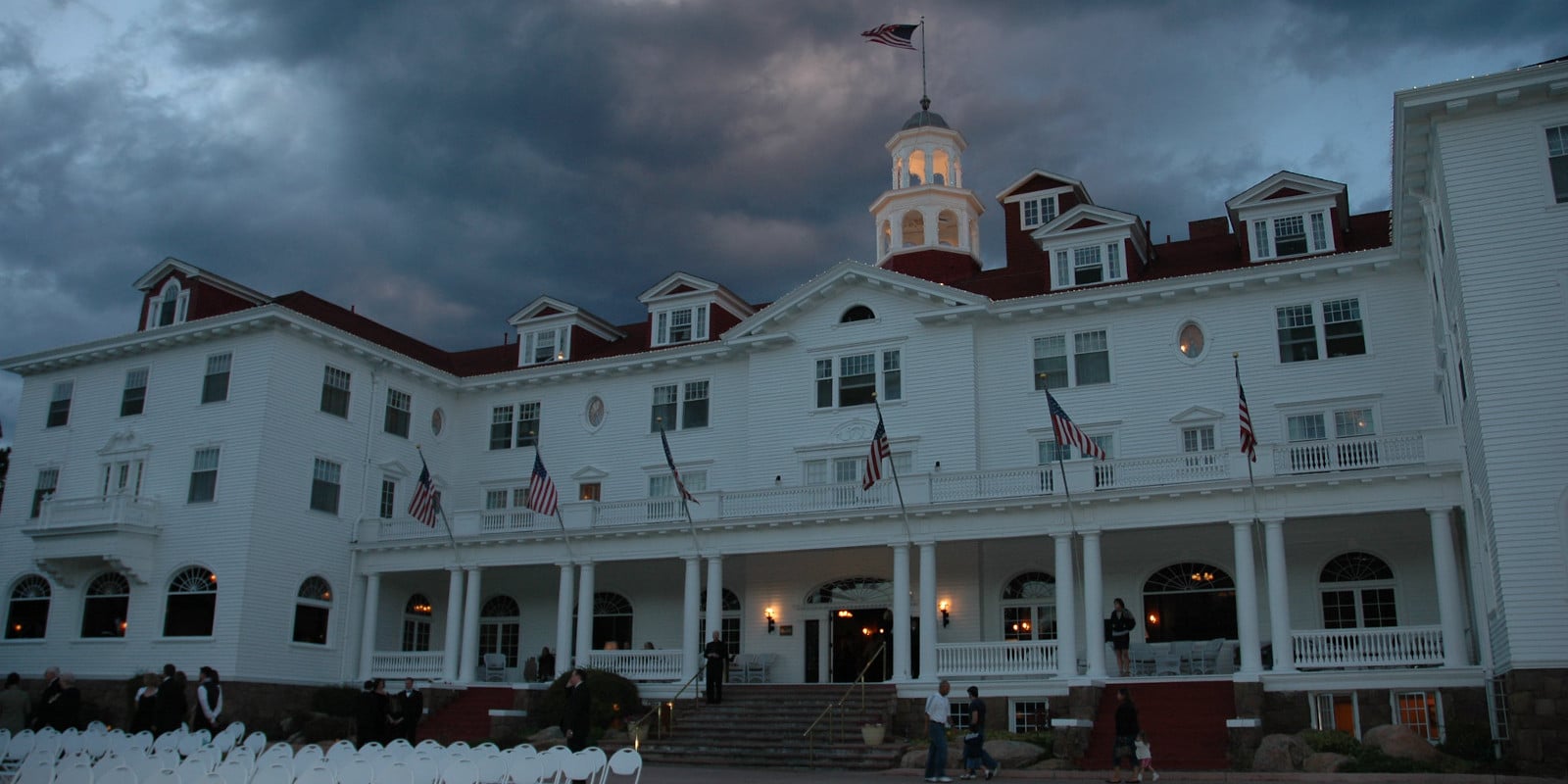
While the ghosts certainly draw a crowd, it’s important to remember that the Stanley Hotel is, at its core, a magnificent luxury hotel. Even if one is not keen on spectral encounters, the property offers a truly exceptional travel experience. Its beautifully maintained historic architecture, opulent interiors, and world-class service harken back to a golden age of travel. Guests can enjoy fine dining at Cascades Restaurant, relax with a craft cocktail at the Whiskey Bar, or simply take in the breathtaking views of the Rocky Mountains from their balcony.
The hotel also serves as an ideal base for exploring the natural wonders of Estes Park and the nearby Rocky Mountain National Park. Whether visitors are interested in hiking, wildlife viewing, or simply enjoying the tranquility of the mountains, the Stanley Hotel provides a luxurious retreat. It frequently hosts events, concerts, and weddings, making it a vibrant community hub. The hotel’s unique blend of historic charm, modern amenities, and undeniable paranormal allure ensures its place as a bucket-list destination for a diverse range of travelers. Its ability to balance its ghostly reputation with its status as a premium accommodation choice is a testament to its enduring appeal, cementing its legacy as a truly one-of-a-kind landmark in the world of travel and tourism.
LifeOutOfTheBox is a participant in the Amazon Services LLC Associates Program, an affiliate advertising program designed to provide a means for sites to earn advertising fees by advertising and linking to Amazon.com. Amazon, the Amazon logo, AmazonSupply, and the AmazonSupply logo are trademarks of Amazon.com, Inc. or its affiliates. As an Amazon Associate we earn affiliate commissions from qualifying purchases.