
Planning a trip to the Gem State and wondering about the financial specifics? When budgeting for any travel adventure, understanding the local tax landscape is crucial, and Idaho is no exception. As you envision exploring the majestic Rocky Mountains, floating down the Snake River, or discovering vibrant cities like Boise and Coeur d’Alene, you’ll inevitably encounter various expenses—from accommodations and dining to souvenirs and attractions. A key question often arises for savvy travelers: “Does Idaho have sales tax?” The straightforward answer is yes, Idaho does have a statewide sales tax. This article delves into the specifics of Idaho’s sales tax, how it impacts your travel budget, and offers tips for a seamless and enjoyable journey through this beautiful Pacific Northwest destination.
Understanding the state’s tax policies is vital whether you’re planning a luxurious resort stay in Sun Valley, a budget-friendly family camping trip in the Sawtooth National Recreation Area, or a business trip to Boise. We’ll explore the standard rate, what items and services are typically taxed, and any unique considerations that could affect your wallet, ensuring your focus remains on making unforgettable memories rather than unexpected costs.
Understanding Idaho’s Sales Tax for Travelers
For visitors to Idaho, the state’s sales tax is a fundamental aspect of budgeting. Unlike some states with complex county and city-specific sales taxes, Idaho maintains a relatively simple and consistent approach, which can be a relief for those unfamiliar with local tax intricacies.
The Standard Sales Tax Rate
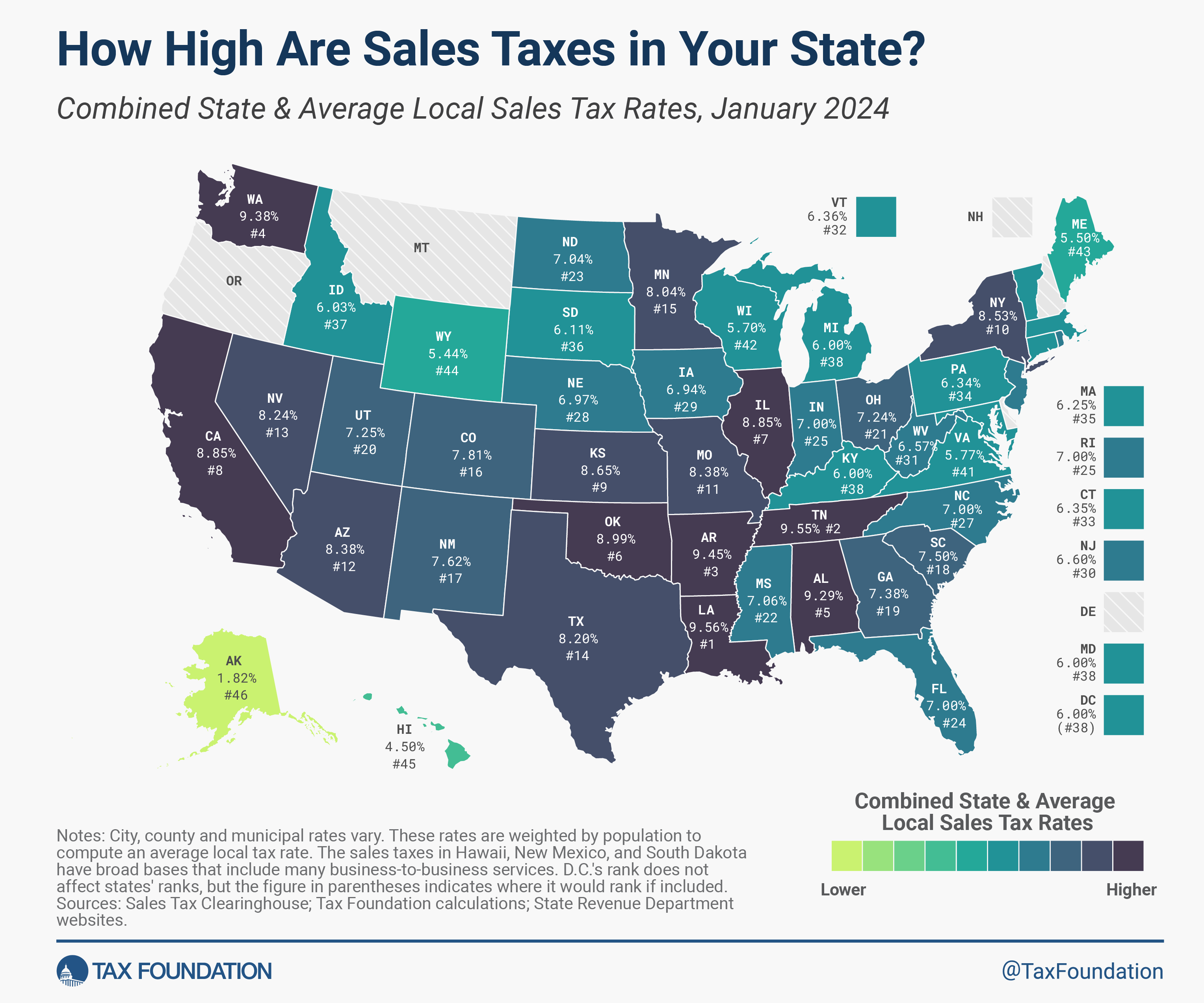
The statewide sales tax rate in Idaho is 6%. This rate applies uniformly across the entire state, meaning whether you’re purchasing items in Pocatello, enjoying a meal in Idaho Falls, or booking a guided fishing tour on Lake Coeur d’Alene, that 6% will generally be added to your taxable purchases. This consistency helps simplify financial planning for travelers who might visit multiple regions within the state. It’s a key piece of information to factor into your calculations for nearly every transaction you make during your visit.
What Goods and Services Are Taxed?
The 6% sales tax in Idaho applies to a broad range of goods and services that travelers commonly encounter. This includes, but is not limited to:
- Retail Purchases: Almost all tangible personal property purchased at retail is subject to sales tax. This covers everything from clothing and electronics to sporting goods you might need for outdoor adventures, and souvenirs to commemorate your trip.
- Dining Out: Meals and beverages purchased at restaurants, cafes, bars, and food trucks are fully subject to the 6% sales tax. Whether it’s a gourmet dinner in Boise’s thriving culinary scene or a quick bite from a roadside diner, expect to see the tax added to your bill.
- Accommodations: Hotel stays, motel rooms, bed and breakfast accommodations, and even vacation rentals (including those booked through platforms like Airbnb or VRBO) are subject to the 6% sales tax. This is a significant consideration, especially for longer stays or luxury accommodations where the tax can add a substantial amount to the total cost.
- Rental Cars: If you plan to rent a vehicle to explore Idaho’s vast landscapes, the rental fees will be subject to the 6% sales tax. This applies to daily, weekly, or monthly rentals.
- Entertainment and Attractions: Tickets for concerts, sporting events (like a Boise State University football game), amusement parks, museums, and many other recreational activities or entry fees will typically have the 6% sales tax applied. Guided tours, such as whitewater rafting trips down the Salmon River or scenic float trips through Hells Canyon, are also generally taxable.
Exemptions and Surprises
While the 6% sales tax covers most transactions, there are a few notable exemptions and specific tax considerations that can be beneficial for travelers to know:
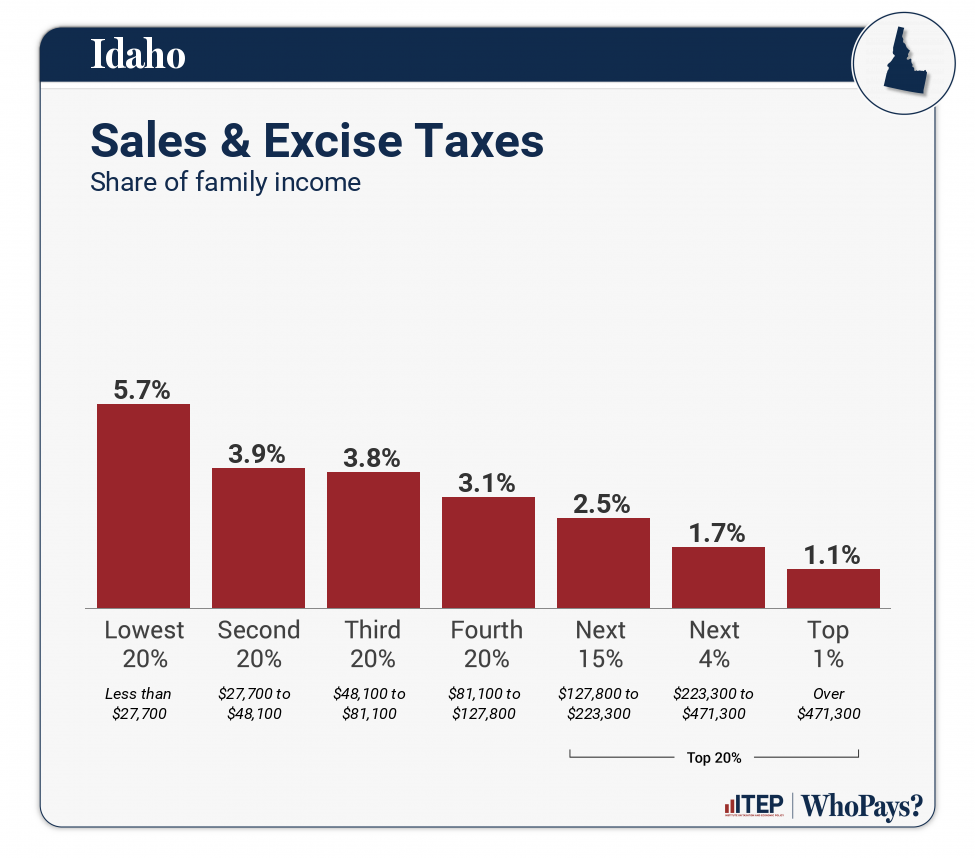
- Groceries: One of the most significant exemptions in Idaho is for groceries. Food products sold for home consumption are generally exempt from sales tax. This means if you stop at a grocery store to pick up snacks, ingredients for a picnic, or supplies for a cabin stay, you won’t pay sales tax on those items. This can be a considerable saving for families or budget-conscious travelers who prefer to prepare some of their own meals.
- Prescription Drugs: Medical necessities, including prescription drugs and certain medical devices, are also exempt from sales tax.
- No Local Sales Taxes: Unlike many other states, Idaho does not permit cities or counties to levy their own local sales taxes. This means the 6% state sales tax is generally the only sales tax you’ll encounter on taxable purchases, simplifying budgeting and eliminating the need to research varying rates across different localities within the state. This makes Idaho’s tax structure relatively straightforward for visitors.
- Lodging Tax Nuances: While the general 6% sales tax applies to lodging, Idaho also imposes a statewide 2% lodging tax on top of the sales tax. This means that hotel rooms, resort stays, and other temporary accommodations are subject to a combined 8% tax (6% sales tax + 2% lodging tax). Furthermore, some specific resort cities, such as Ketchum, McCall, and Sun Valley, may have additional local transient room taxes. It’s always wise to check with your specific accommodation provider about the total tax rate for your booking to avoid any surprises.
How Sales Tax Impacts Your Idaho Travel Budget
Understanding the exact percentage of sales tax is just the first step; the real impact comes when you apply it to your entire travel itinerary. For many, a trip to Idaho is about immersive experiences, from outdoor adventures to cultural exploration, and the sales tax will subtly add to the cost of nearly every aspect.
Accommodation Costs
Accommodation typically represents one of the largest expenditures for travelers, and the sales tax, combined with the lodging tax, can significantly increase the final bill. Whether you choose a luxurious suite at The Coeur d’Alene Resort, a charming boutique hotel in Boise, or a cozy cabin rental near Shoshone Falls, the 6% sales tax plus the 2% statewide lodging tax (for a total of 8%) will be added to the base room rate. For example, a $200 per night hotel room would effectively cost $216 with these taxes. Over several nights or for multiple rooms, this can quickly add up, making a substantial difference in your overall budget. For those opting for extended stays or considering long-term accommodation options, this cumulative effect is particularly important to factor in. Remember to inquire about any additional local resort taxes in specific destinations known for tourism.
Dining and Entertainment
Idaho’s culinary scene ranges from farm-to-table restaurants in urban centers to casual diners in small towns. Every meal purchased in a restaurant setting, from a gourmet breakfast to a late-night snack, will incur the 6% sales tax. Similarly, tickets to attractions, live music venues, theaters, or sporting events will also have the tax applied. If you’re planning several dining experiences and engaging in various paid activities, these seemingly small percentages can collectively increase your daily spending. Budget-conscious travelers might mitigate this by taking advantage of the grocery tax exemption, allowing them to prepare some meals and snacks themselves, reducing the overall tax burden on food expenses.
Shopping for Souvenirs and Supplies
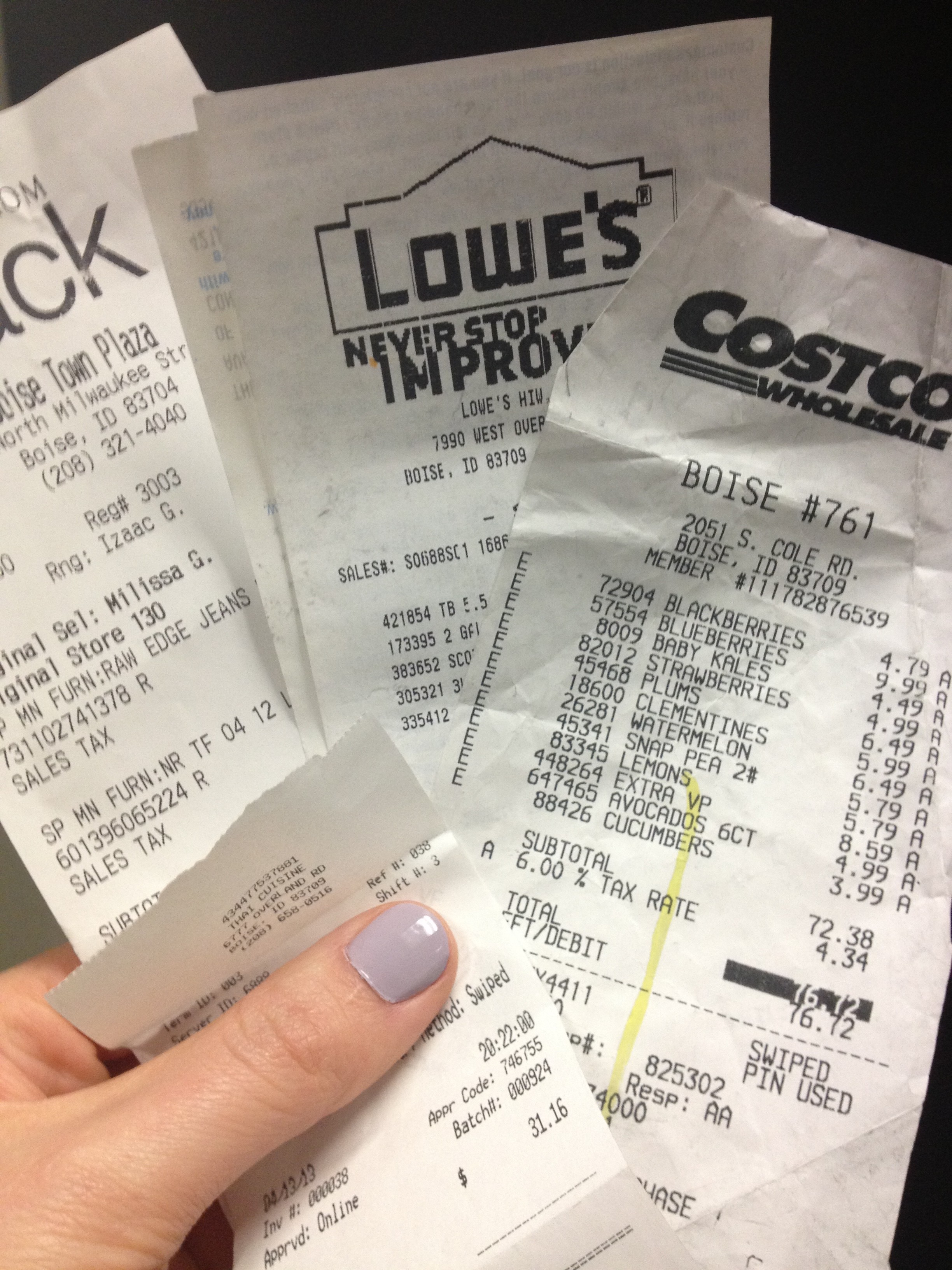
Retail therapy is often a part of the travel experience, whether it’s picking up local crafts, clothing, or outdoor gear for your adventures. All non-exempt retail purchases, including souvenirs, apparel, books, camping equipment, and specialized gear for skiing at Bogus Basin or rafting, will be subject to the 6% sales tax. For those looking to support local artisans or take a piece of Idaho home with them, factoring in this additional cost is essential. Even small purchases can contribute to the overall taxed expenditure, so it’s good practice to keep an eye on your receipts.
Transportation Expenses
Beyond personal vehicles, many travelers rely on rental cars to explore the diverse landscapes of Idaho. The rental fees for these vehicles are subject to the 6% sales tax. While gas itself has separate fuel taxes and is not subject to sales tax, the cost of renting the car, SUV, or RV for your journey across the state will reflect this additional charge. This is another area where a small percentage can translate into a significant amount over the duration of your trip, especially if you’re renting a premium vehicle for an extended period. Understanding this helps in choosing the right car and budgeting appropriately for transportation.
Navigating Idaho’s Unique Tax Landscape
While the 6% statewide sales tax is fairly standard, Idaho possesses certain unique characteristics in its tax structure that are particularly relevant to travelers. Appreciating these nuances can help you fine-tune your budget and manage expectations.
No Local Sales Taxes (Mostly)
One of the most traveler-friendly aspects of Idaho’s tax system is the absence of local sales taxes levied by cities or counties. This contrasts sharply with many other United States states, where sales tax rates can vary dramatically from one municipality to another, sometimes reaching as high as 10% or more when state, county, and city taxes are combined. In Idaho, the 6% state sales tax is generally the only sales tax you’ll pay on taxable goods and services. This uniformity simplifies budgeting significantly, as you don’t need to research varying rates for Boise, Twin Falls, or other destinations within your itinerary. This consistency is a boon for travelers covering extensive ground, ensuring predictable costs across their journey.
Lodging Tax Nuances
As mentioned earlier, accommodations in Idaho are subject to a combination of the 6% statewide sales tax and a 2% statewide lodging tax, totaling 8%. This 2% lodging tax is specifically designed to fund tourism promotion and development across the state, managed by the Idaho Department of Commerce. This means that every time you book a hotel, motel, resort, or even a vacation rental, you’re contributing directly to the very tourism infrastructure and marketing that likely drew you to Idaho in the first place.
Beyond the statewide 8%, certain resort cities or tourist-heavy areas are permitted to levy additional local transient room taxes. For instance, popular destinations like Ketchum (gateway to Sun Valley Resort), McCall (on Payette Lake), and Sun Valley itself might have these extra charges. While these local taxes are usually smaller percentages, they can cumulatively add a few more dollars per night, especially for extended luxury stays. It’s always prudent to confirm the full tax breakdown with your accommodation provider when booking, ensuring there are no surprises on your final bill. This meticulous approach to understanding lodging taxes aligns with smart accommodation planning and comparison, whether you’re looking for budget-friendly motels or exclusive villas.
The Impact on Budget Travel vs. Luxury Stays
The 6% sales tax and 8% lodging tax impact different travel lifestyles distinctly.
- Budget Travel: For those focused on budget travel, the grocery tax exemption is a significant advantage. By purchasing groceries and preparing some meals, travelers can drastically reduce their taxed food expenditures. Opting for free natural attractions like hiking trails, scenic drives, or exploring the vast National Forests also helps minimize taxed activity costs. However, even on a budget, accommodation and any paid attractions will still incur the taxes, so these must be carefully factored into daily spending limits.
- Luxury Stays: Travelers indulging in luxury travel—such as high-end resorts, fine dining experiences, private tours, or luxury vehicle rentals—will find the 6% sales tax and 8% lodging tax add up more substantially. For example, a multi-thousand-dollar resort stay or an extravagant dining bill will see a proportionally larger tax amount added. While luxury travelers may be less sensitive to these additional costs, awareness is still key for accurate budgeting and financial transparency, especially when comparing amenities and services across different high-end properties. The tax on exclusive suites, amenities, and curated experiences can quickly become a noticeable sum.
Regardless of your travel style, understanding these tax components allows for more informed decision-making and a smoother financial experience throughout your Idaho adventure.
Tips for Budgeting and Enjoying Your Idaho Trip
Armed with knowledge about Idaho’s sales tax, you can now approach your travel planning with greater confidence. Strategic budgeting doesn’t mean sacrificing enjoyment; rather, it allows you to maximize your experiences within your financial comfort zone.
Plan Ahead and Factor in Tax
The most effective way to manage sales tax is to incorporate it into your budget from the very beginning. When researching hotels, attractions, or rental cars, mentally add the 6% (or 8% for lodging) to the advertised prices. Many online booking platforms and travel guides might list base prices without taxes included until checkout. Making these mental adjustments or using a simple spreadsheet to track anticipated costs will prevent unexpected totals. For instance, if your nightly hotel rate is $150, estimate it as $162 (with 8% lodging tax) in your budget. This proactive approach ensures you have a realistic view of your total expenditures, preventing any unwelcome surprises at the checkout counter or when settling a restaurant bill.
Utilize Exemptions Wisely
The grocery tax exemption is a powerful tool for budget-conscious travelers in Idaho. Instead of eating out for every meal, consider stocking up on groceries for breakfasts, lunches, and snacks. This not only saves you money on the food itself but also eliminates the 6% sales tax you would otherwise pay at a restaurant. If your accommodation includes a kitchenette, or if you’re camping, this strategy becomes even more effective. Exploring local farmers’ markets for fresh produce is a delightful way to experience local culture while saving on taxed restaurant meals. This lifestyle choice aligns perfectly with extending your travel dollar.
Leverage Loyalty Programs and Deals
Many hotels, resorts, and travel-related businesses offer loyalty programs or special deals. While these might not directly reduce the sales tax, they can lower the base price of services, thus indirectly reducing the amount of tax you pay. For example, if a hotel offers a 10% discount to loyalty members, that 10% reduction comes off the pre-tax room rate, meaning the 8% lodging tax is then calculated on a lower amount. Keep an eye out for package deals that bundle accommodation with attractions, as these can sometimes offer better overall value, although always clarify how taxes are applied to the bundled price. Comparing booking sites and looking for promotions can significantly impact your overall travel costs.
Explore Free and Low-Cost Attractions
Idaho is renowned for its incredible natural beauty, much of which can be enjoyed for free or at a very low cost. Spending a day hiking in a National Forest (like Boise National Forest or Payette National Forest), exploring the unique landscape of Craters of the Moon National Monument, picnicking by Lake Coeur d’Alene, or simply taking a scenic drive through the Palouse region are fantastic ways to experience the state without incurring significant sales tax on entrance fees or activities. While nearby Yellowstone National Park and Grand Teton National Park in Wyoming have entrance fees, many of Idaho’s own natural landmarks offer free access or minimal fees, providing incredible value. This approach not only helps manage your budget but also immerses you in the authentic, breathtaking environment that Idaho is famous for.
In conclusion, yes, Idaho does have sales tax, set at a consistent 6% statewide. For accommodations, an additional 2% statewide lodging tax applies, bringing the total to 8%, with potential for minor additional local taxes in specific resort areas. By understanding these rates, utilizing exemptions like the one for groceries, and planning your activities thoughtfully, you can effectively manage your travel budget and fully immerse yourself in all the wonders the Gem State has to offer. Enjoy your journey through Idaho, where adventure awaits at every turn!
LifeOutOfTheBox is a participant in the Amazon Services LLC Associates Program, an affiliate advertising program designed to provide a means for sites to earn advertising fees by advertising and linking to Amazon.com. Amazon, the Amazon logo, AmazonSupply, and the AmazonSupply logo are trademarks of Amazon.com, Inc. or its affiliates. As an Amazon Associate we earn affiliate commissions from qualifying purchases.