
Camping is an immersive experience designed to reconnect us with nature. It’s about tranquility, fresh air, and escaping the digital noise. However, the wilderness is inherently unpredictable. A fun weekend trip can turn challenging quickly due to sudden weather shifts, getting lost, or equipment failure.
The difference between a manageable setback and a genuine emergency often comes down to preparedness. Every camper—whether you’re setting up at a designated campsite or tackling a multi-day backcountry trek—needs a core set of survival gear. This isn’t about stocking up for an apocalypse; it’s about carrying the necessary tools to shelter, signal, navigate, and hydrate long enough to self-rescue or await help.
This comprehensive guide details the essential survival gear, categorized into the fundamental Ten Essentials of hiking and camping, ensuring you are ready to handle the unexpected.
The Ten Essentials: The Foundation of Preparedness
The concept of the “Ten Essentials” originated with The Mountaineers in the 1930s to help outdoor enthusiasts prepare for common accidents or emergencies. Modern adaptations group these items by function, covering the basic needs for survival in the wild: Navigation, Protection, and Sustenance.
Navigation and Signaling
When visibility drops or trails disappear, your ability to navigate and communicate your location becomes paramount.
Map and Compass/GPS
Relying solely on a smartphone (even with downloaded maps) is risky; batteries die. A physical, waterproof map of the area and a reliable compass are non-negotiable backups. Learn to use them before you need them.
For those who prefer digital aids, a dedicated handheld GPS device or a smart watch with offline mapping capabilities is a superior choice to a phone. Even a simple compass is one of the most reliable pieces of top travel gadgets under $50 that could save your life.
Headlamp or Flashlight
Nightfall brings unique challenges, from setting up camp to navigating an unexpected trail section. Light is a safety tool.
- Headlamps: Always recommended over flashlights as they keep your hands free for tasks like setting up a tent or administering first aid.
- Extra Batteries: Carry enough spares for the expected duration of your trip, plus extra for emergencies. LED lamps are standard for their efficiency. Check out guides on best headlamps for night adventures for specific model recommendations.
Whistle and Mirror
These are simple, lightweight signaling tools far more effective than shouting.
- Whistle: The sound of a dedicated survival whistle (pea-less design is best in freezing conditions) carries much further than the human voice. Three short blasts is the universal signal for distress.
- Signal Mirror: Used to reflect sunlight towards distant aircraft or search parties. Even on a cloudy day, the reflection is visible from a great distance.
Protection and Insulation
Maintaining core body temperature (staying warm and dry) is arguably the most critical survival factor, especially in changing mountain environments.
Sun Protection
This includes sunscreen, sunglasses, and sun-protective clothing (hat, long sleeves). Sun exposure can lead to dehydration and heatstroke, compromising your ability to think clearly and hike safely.
Extra Clothing and Rain Gear
Even if the forecast is clear, carry a complete extra set of layers, focusing on non-cotton materials (wool or synthetic).
- Insulation: A lightweight, packable down or synthetic jacket.
- Rain Gear: A waterproof and windproof jacket and pants. This prevents hypothermia by keeping your inner layers dry. A good rain shell is an essential part of any lightweight backpacking gear list.
Emergency Shelter
This is a compact, lightweight item designed to provide immediate protection from wind and rain if you are unexpectedly stuck outdoors overnight or suffer an injury.
- Space Blanket (Mylar Blanket): Reflects 90% of body heat back to you. They are inexpensive, tiny, and weigh almost nothing.
- Emergency Bivvy or Tarp: A small, ultralight tarp or tube tent can be set up quickly to block wind and rain, preventing heat loss.
Sustenance and First Aid
Survival is about extending your resources until rescue or self-rescue is possible. This means managing water, food, and treating immediate injuries.
First-Aid Kit
A pre-packaged kit is a good start, but every camper must customize it based on the trip length, number of people, and known medical conditions.
- Basics: Bandages, gauze, antiseptic wipes, medical tape, pain relievers (Ibuprofen), antihistamines, and blister care.
- Advanced: Prescription medications, trauma dressing, and a compact manual on wilderness first aid. Knowing how to prepare for your first hike should always include refreshing your first aid knowledge.
Fire Starter
Fire provides warmth, a method to boil water for purification, and a powerful signal source. Never rely on a single method.
- Lighter: The simplest and fastest method. Protect it from moisture.
- Waterproof Matches: A reliable backup.
- Ferrocerium Rod (Ferro Rod): Works when wet and produces sparks at extreme temperatures. This is the ultimate reliable backup.
- Tinder: Pack a small amount of commercially available tinder or cotton balls soaked in petroleum jelly—this guarantees an ignition source even with wet surrounding fuel.
Repair Kit and Multi-Tool/Knife
A sharp, high-quality knife or multi-tool is the most versatile survival tool, used for everything from food preparation to making kindling and repairing gear.
- Multi-Tool: Should include pliers, screwdrivers, and a reliable locking blade.
- Repair Kit: Duct tape (wrapped around a trekking pole or water bottle), safety pins, cordage (paracord), and repair patches for tents/inflatable sleeping pads. This kit can fix torn clothing, repair broken straps, or create a makeshift splint.
Extra Food
Carry at least one day’s extra ration of high-energy, non-perishable food. This should be food you don’t intend to eat unless an emergency extends your trip.
- Examples: Energy bars, dried fruits, nuts, or dehydrated meals. These items are compact and require no cooking, offering crucial calories when you need them most.
Water and Water Filter/Purification
The body can survive weeks without food but only days without water. Access to safe drinking water is the most critical survival factor after maintaining core temperature.
- Water Bottles/Bladders: Carry enough capacity for your expected daily needs (usually 2-3 liters).
- Water Filter/Purifier: Never rely on purification tablets alone. Carry a lightweight, reliable filter (like a Sawyer Squeeze or Katadyn BeFree) plus backup tablets. Boiling water is another purification method, but requires time and fuel.
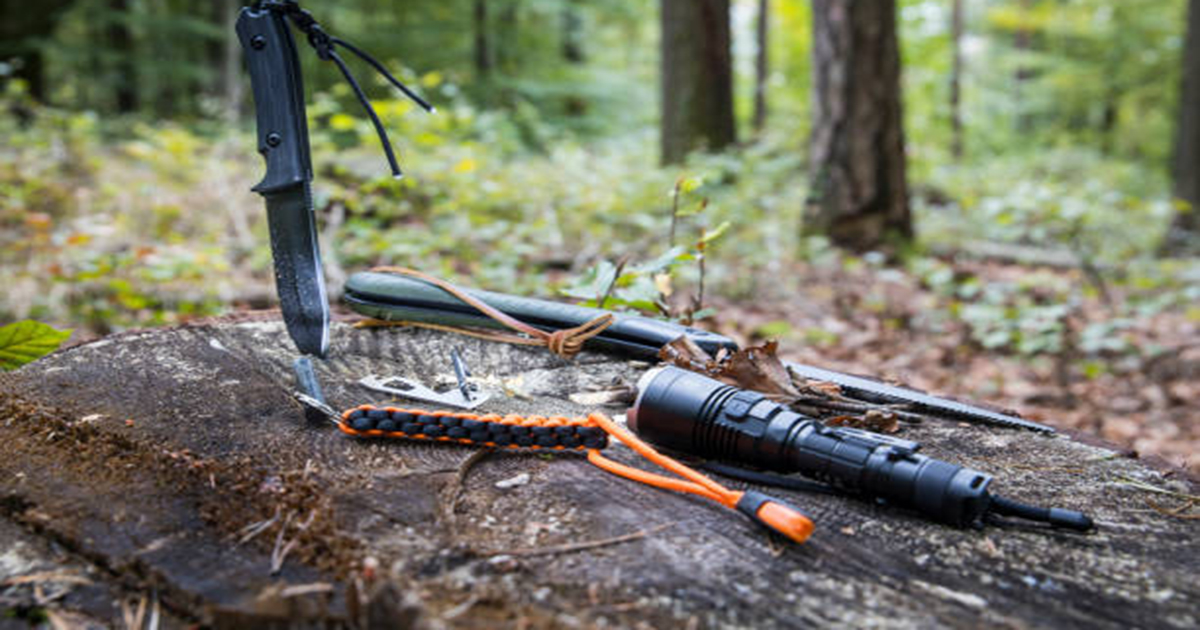
Carrying Your Survival Loadout
Even with all the right gear, if it’s not accessible, it’s useless. The best practice is to always have your survival essentials either in your pack or a dedicated pouch.
Dedicated Survival Pouch
Many experienced campers keep the Ten Essentials (minus the extra clothing/shelter) packed in a small, clearly marked dry bag or pouch. This ensures that if you have to ditch your main pack (e.g., to cross a difficult river or escape rapidly), you still have the critical gear to navigate and survive.
Backpack Selection Matters
The foundation of carrying your gear is the bag itself. Whether you are using a dedicated hiking backpack or one of the versatile options suitable for travel, the bag must be comfortable, durable, and the right size. Choosing the perfect bag is key to ensuring you have space for both your beginners’ camping checklist items and your survival gear. A poorly fitted bag will lead to fatigue, which increases the likelihood of accidents.
The Mental Aspect of Survival
Ultimately, no gear list is complete without mentioning the most powerful survival tool: your mind.
Planning and Knowledge
Survival gear works best when paired with knowledge. Knowing how to read a map, build a fire in the rain, or administer basic first aid is just as important as the items themselves. Always leave your itinerary with someone reliable, detailing your route and expected return time.
Positive Mental Attitude (PMA)
In a survival situation, panic is your greatest enemy. Gear allows you to take concrete action—building shelter, starting a fire, purifying water—which combats panic and maintains hope. PMA, coupled with the confidence that your kit is robust, provides the best chance of navigating an emergency successfully.
Remember: the goal of carrying this survival gear is not to become a survival expert, but to ensure that when nature throws a curveball, you have the tools to stay safe and comfortable until your adventure can resume, or until you can find your way back to safety.
LifeOutOfTheBox is a participant in the Amazon Services LLC Associates Program, an affiliate advertising program designed to provide a means for sites to earn advertising fees by advertising and linking to Amazon.com. Amazon, the Amazon logo, AmazonSupply, and the AmazonSupply logo are trademarks of Amazon.com, Inc. or its affiliates. As an Amazon Associate we earn affiliate commissions from qualifying purchases.