
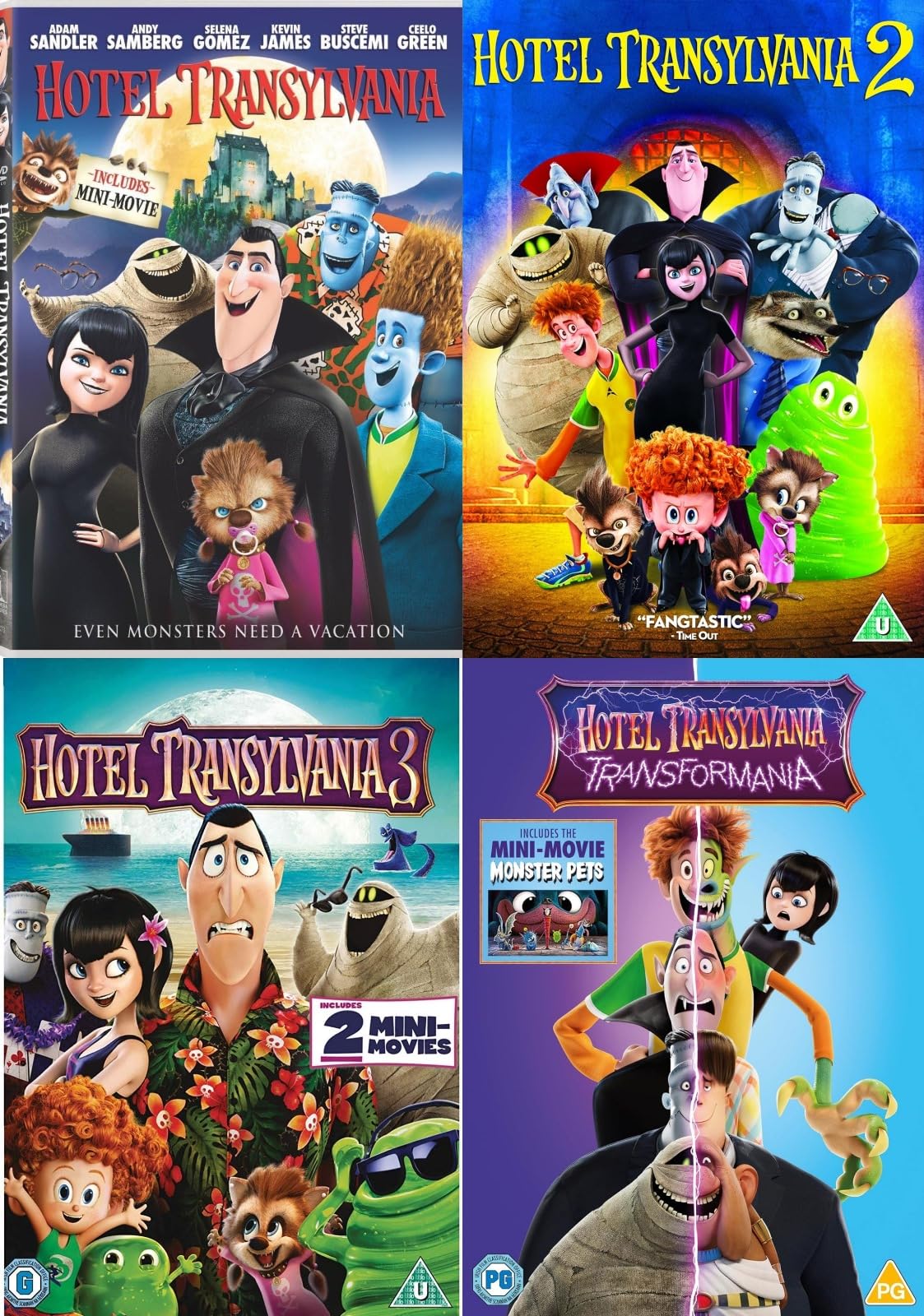
For those fascinated by unique accommodation concepts and fantastical travel scenarios, the Hotel Transylvania film series offers a delightful, albeit animated, escape. This beloved franchise, which masterfully blends humor with heartwarming themes of family and acceptance, has captivated audiences worldwide with its eccentric monster characters and their adventures. But for newcomers or those looking to revisit the saga, a common question arises: exactly how many Hotel Transylvania movies are there?
The answer is four main feature films. Produced by Sony Pictures Animation, the series has consistently delivered a fresh take on classic monsters, portraying them not as terrifying villains, but as relatable individuals seeking peace, family, and perhaps a relaxing vacation away from human scrutiny. From its inception, the franchise has explored themes pertinent to the modern traveler and family unit, even if its characters are centuries-old vampires and werewolves. Each installment expands on the previous one, adding new characters, exploring new destinations, and deepening the relationships that form the core of the story.
This article will not only provide a definitive count of the films but also delve into each one, exploring their plots, release dates, and the ways in which they resonate with the core themes of lifeoutofthebox.com – from the intricacies of running a themed hotel to navigating the challenges of family travel and cultural integration.

The Genesis of Hotel Transylvania: A Fictional Accommodating Marvel
The idea of a grand, gothic hotel nestled deep within the mythical landscape of Transylvania, serving as an exclusive retreat for monsters, is a brilliant premise that immediately hooks the imagination. This concept, brought to life by director Genndy Tartakovsky, speaks to the desire for safe, specialized accommodation that caters to unique needs, much like how real-world resorts offer tailored experiences, whether it be luxury travel, budget travel, or specific amenities.
The initial film introduces us to Count Dracula, voiced initially by Adam Sandler, who is not the bloodthirsty villain of lore, but a doting, overprotective father. His grand project, the titular Hotel Transylvania, was built centuries ago to shield his beloved daughter, Mavis (voiced by Selena Gomez), and other monsters from the perceived dangers of humanity. This fortress-like resort became a sanctuary, a place where monsters could truly be themselves without fear of pitchforks and torches.
The premise alone evokes thoughts of exclusive, hidden destinations that cater to a niche clientele. Imagine a real-world establishment designed with such specificity, offering bespoke amenities and services, from anti-garlic menus to coffins instead of beds. The Hotel Transylvania becomes a character in itself, a landmark of monster culture, embodying the pinnacle of monster hospitality. Its intricate design and remote location are reminiscent of grand castles and secluded retreats one might find in Europe, like Romania’s Bran Castle, albeit with a much more friendly (to monsters, at least) vibe.
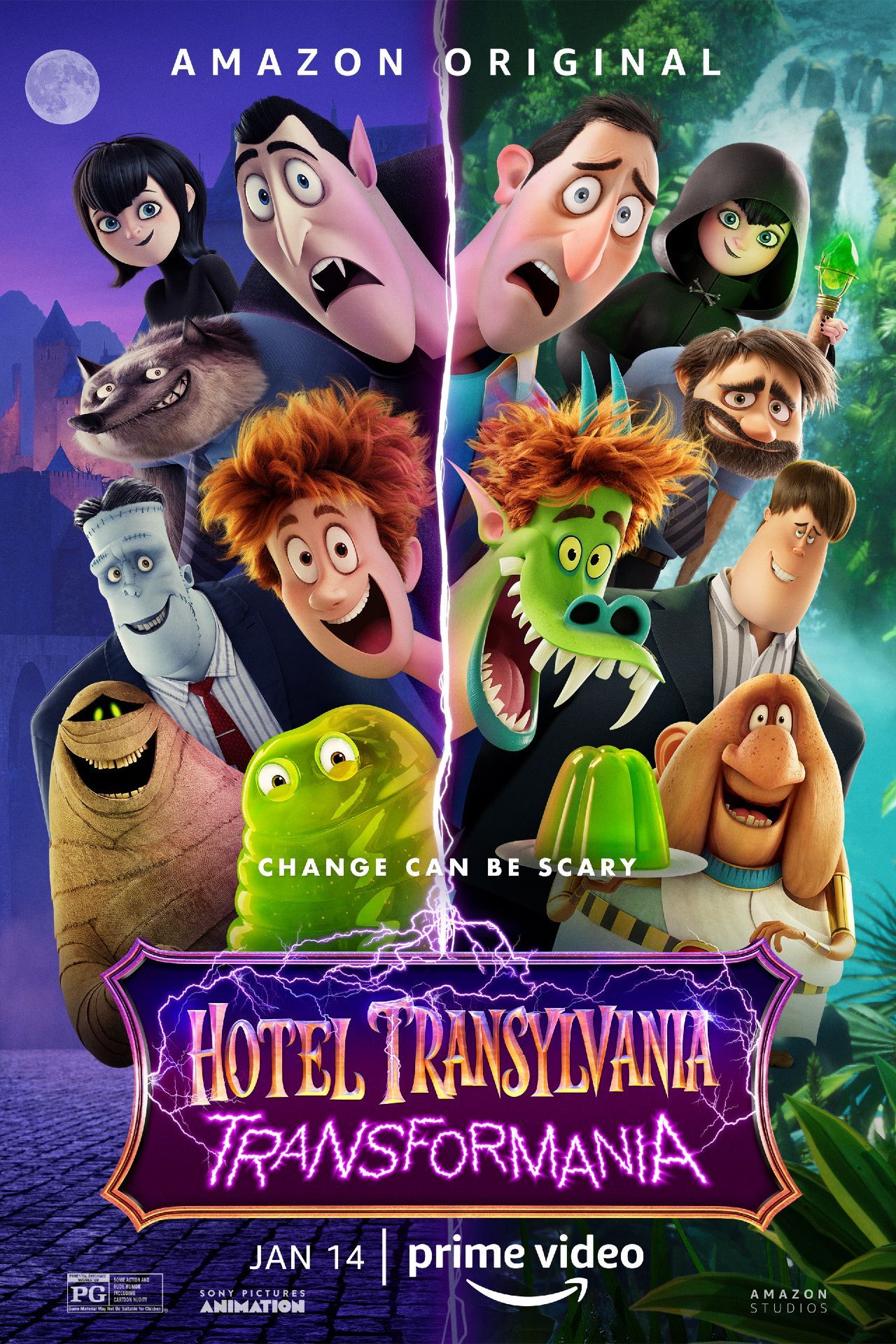
Hotel Transylvania (2012)
The first film, released on September 28, 2012, sets the stage for the entire franchise. Dracula plans an extravagant 118th birthday celebration for Mavis, inviting all his monster friends, including Frankenstein, the Werewolf Wayne, the Invisible Man Griffin, and the Mummy Murray. The carefully curated monster haven is disrupted by the unexpected arrival of Jonathan (voiced by Andy Samberg), a curious and adventurous human backpacker.
Dracula’s frantic attempts to disguise Jonathan as a monster and keep him away from Mavis drive much of the film’s comedy. This scenario highlights a common travel dilemma: how to navigate cultural differences and the fear of the unknown. For Dracula, humans represent a threat, and his rigid rules for the hotel reflect his desire for control and safety. However, Jonathan’s presence eventually teaches everyone, especially Dracula, that embracing new experiences and different cultures can lead to unexpected joys and growth, a valuable lesson for any traveler or hotelier.
The Expanding Universe: Sequels and New Horizons
The success of the first film paved the way for several sequels, each building upon the foundation of family, acceptance, and, naturally, more monster-centric travel and accommodation scenarios. The franchise cleverly uses subsequent films to explore different aspects of the monsters’ lives, often mirroring real-world family dynamics and societal changes.
Hotel Transylvania 2 (2015)
Released on September 25, 2015, the second installment picks up seven years after the first. Mavis and Jonathan are married and have a son, Dennis. The central conflict revolves around whether Dennis will inherit vampire powers, a source of anxiety for Dracula who secretly wants him to be a full monster. This film delves into generational differences and the pressures of raising a family in a bicultural (or, in this case, bio-species) household.
Dracula attempts to send Mavis and Jonathan on a vacation to Jonathan’s hometown in California, a perfect opportunity for the monster granddad to try and awaken Dennis’ vampire fangs. This segment playfully contrasts the gothic, ancient Transylvania with the vibrant, modern human world, offering a humorous look at how monsters adapt (or fail to adapt) to contemporary human lifestyle and culture. It’s a fantastic metaphor for cultural immersion and the challenges of fitting in, whether you’re a monster or a human in a foreign land. The hotel itself begins to open its doors to human guests, signifying a broader acceptance and evolution of its “business model” and the very concept of inclusive tourism.
Hotel Transylvania 3: Summer Vacation (2018)
Hitting theaters on July 13, 2018, this film takes the monsters out of their beloved hotel and onto a luxurious monster cruise ship. Mavis, noticing Dracula’s loneliness, surprises him with a family vacation on the Legacy, a monster-exclusive liner. This shift in setting allows for a whole new array of travel experiences and challenges. The cruise ship itself is a marvel of monster accommodation, featuring all the amenities a monster could dream of, from moon-tanning decks to volcano volleyball.
The monster cruise takes the Drac’s Pack to exotic (and dangerous) destinations like the Bermuda Triangle and the lost city of Atlantis, culminating in an encounter in South America. Dracula finds a new “zing” with the ship’s captain, Ericka Van Helsing, who, unbeknownst to him, is the great-granddaughter of his ancient nemesis, Abraham Van Helsing. This film emphasizes the importance of stepping outside one’s comfort zone, embracing new adventures, and finding love in unexpected places – themes highly relevant to any travel guide or relationship journey. The monster cruise provides an excellent backdrop for discussing diverse travel styles and the thrill of exploring the Pacific Ocean’s hidden wonders.
Hotel Transylvania: Transformania (2022)
The fourth and final film in the series, Hotel Transylvania: Transformania, was released on Amazon Prime Video on January 14, 2022. This installment brings a significant change as Adam Sandler and Kevin James did not return to voice Dracula and Frankenstein respectively, with Brian Hull taking over the role of Dracula. The plot centers around a mishap with Van Helsing’s “Monsterification Ray,” which transforms Dracula and his monster friends into humans, and Jonathan into a monster.
This reversal of roles provides ample comedic opportunities while also delivering a profound message about self-acceptance and inner beauty. The now-human monsters, stripped of their powers, must embark on an adventure to South America to find a cure before their transformations become permanent. The film highlights the idea that true identity lies not in one’s outward appearance or supernatural abilities but in character and relationships. For Dracula, experiencing life as a mere human is a humbling yet ultimately freeing experience, forcing him to confront his prejudices and appreciate Jonathan for who he truly is. This final journey emphasizes themes of personal growth, adapting to unforeseen circumstances, and the enduring strength of familial bonds, regardless of external transformations.
Beyond the Screen: Drawing Parallels to Real-World Travel and Hospitality
The Hotel Transylvania franchise, while whimsical and fantastical, offers surprisingly relevant insights into the real-world industries of travel, hospitality, and accommodation.
The Themed Hotel Concept
The Hotel Transylvania itself is the ultimate themed hotel. Every detail, from the decor to the activities, is meticulously designed for its monstrous clientele. This mirrors the real-world trend of highly specialized resorts and boutique hotels that cater to specific interests – be it adventure tourism, wellness retreats, or luxury experiences. The films show the evolution of the hotel, from an exclusive monster haven to a more inclusive establishment that eventually welcomes humans, reflecting the changing landscape of tourism and the increasing desire for diverse and inclusive spaces.
Family Dynamics and Travel
A central pillar of the series is family travel. Dracula’s devotion to Mavis, their anxieties about Dennis’ upbringing, and the extended monster family’s camaraderie are incredibly relatable. The films explore the challenges and joys of traveling with multiple generations, from picking destinations that suit everyone (like the monster cruise in HT3) to dealing with unexpected situations (like turning into a human in HT4). These themes resonate with parents planning family trips, looking for accommodations that offer suites, apartments, or villas with various amenities to keep everyone happy.
Cultural Exchange and Acceptance
The core conflict of the early films, the integration of humans into the monster world, is a powerful metaphor for cultural exchange. Jonathan’s arrival forces Dracula and the other monsters to confront their long-held fears and prejudices against humans. Over the course of the series, this evolves into acceptance, interspecies marriage, and even a monster-human grandchild. This narrative arc champions the idea that understanding and embracing different cultures enriches everyone’s lives, a fundamental tenet of meaningful tourism and global citizenship. The movies subtly encourage viewers to be open-minded travelers, ready to learn from new experiences and challenge their preconceived notions.
The Enduring Appeal and Legacy of the Drac Pack
The Hotel Transylvania franchise has cemented its place as a beloved animated series, not just for its humor and vibrant animation, but for its consistent celebration of family, diversity, and the idea that everyone deserves a place to belong. The four films offer a complete narrative arc for Dracula and his family, from his initial overprotectiveness to his eventual acceptance of change and his own humanity.
While the main feature film series concluded with Transformania, the world of Hotel Transylvania has also extended to a television series and various shorts, demonstrating its lasting popularity. The films serve as a reminder that even in a world of mythical creatures, the fundamental desires for connection, love, and a fantastic vacation are universally understood.
Whether you’re planning a real-world trip to a historic landmark, searching for the perfect hotel or resort, or simply enjoying a movie night with your loved ones, the adventures of Dracula and his Drac’s Pack offer a delightful blend of entertainment and relatable life lessons. So, if you’re ever wondering how many times you can check into the infamous monster haven, remember there are four spectacular Hotel Transylvania movies, each offering a unique journey into the heart of monster hospitality and adventure. They are perfect for inspiring thoughts about unconventional destinations, exploring new accommodation options, and appreciating the diverse tapestry of life, both real and animated. When it comes to planning your next trip, perhaps even the thought of reviewing booking sites or reading reviews with a comparison eye can make your travel planning as exciting as a monster’s adventure!
LifeOutOfTheBox is a participant in the Amazon Services LLC Associates Program, an affiliate advertising program designed to provide a means for sites to earn advertising fees by advertising and linking to Amazon.com. Amazon, the Amazon logo, AmazonSupply, and the AmazonSupply logo are trademarks of Amazon.com, Inc. or its affiliates. As an Amazon Associate we earn affiliate commissions from qualifying purchases.