
The allure of the American Southwest beckons travelers with its majestic desert landscapes, vibrant city life, and endless opportunities for adventure. Among the region’s most popular destinations are Phoenix, Arizona, the sprawling capital known as the Valley of the Sun, and Las Vegas, Nevada, the glittering entertainment capital of the world. For many, the journey between these two dynamic cities is more than just a commute; it’s an integral part of the travel experience, offering a blend of scenic drives, iconic landmarks, and unique cultural encounters.
Whether you’re planning a direct dash or a leisurely road trip packed with detours, understanding the distance, travel times, and various transportation options between Phoenix and Las Vegas is essential for a seamless adventure. This comprehensive guide will navigate you through everything you need to know, from the most efficient routes and alternative travel methods to the must-see attractions and accommodation choices that enhance this classic Southwestern itinerary. Prepare to discover how far these cities are, and more importantly, how much rich experience awaits you on the journey.

The Journey: Distance, Time, and Primary Routes
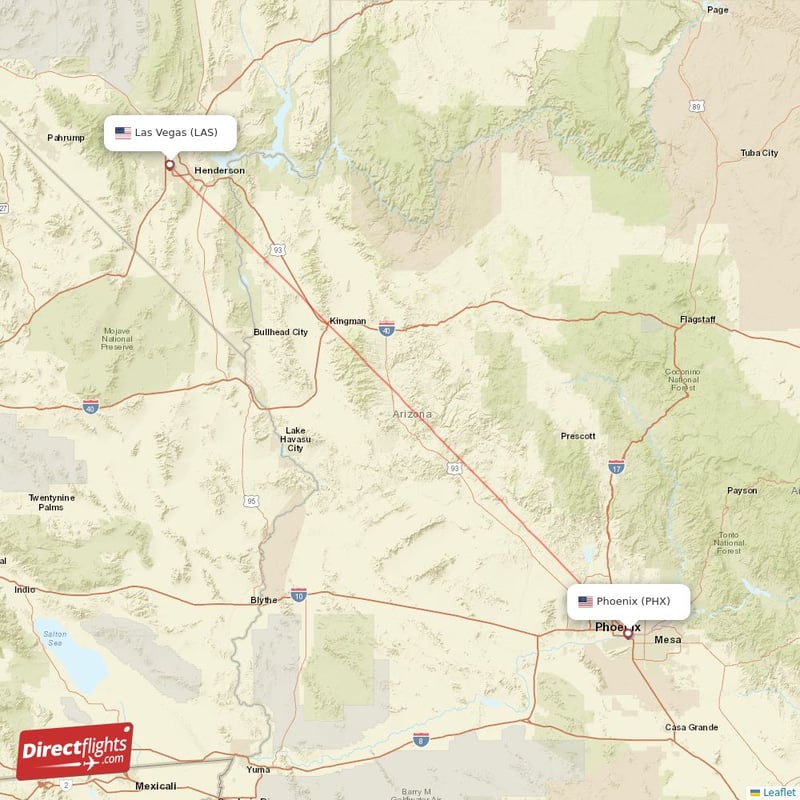
The direct distance between Phoenix, Arizona, and Las Vegas, Nevada, is approximately 300 miles (about 480 kilometers) by road. Under ideal driving conditions, this journey typically takes around 4.5 to 5 hours. However, several factors can influence the actual travel time, including traffic patterns, especially when entering or exiting major metropolitan areas like Phoenix and Las Vegas themselves, and any stops you might make for fuel, food, or sightseeing. Travelers should always factor in additional time for these variables to avoid rushing. The drive is predominantly through arid desert terrain, offering stretches of open road and striking geological formations that define the Mojave Desert and Sonoran Desert landscapes.
The Direct Interstate Route (US-93 N / I-11 N & I-40 W)
The most common and direct route connecting Phoenix to Las Vegas is primarily via US-93 North and the relatively new Interstate 11 North (I-11 N). This well-maintained highway system offers the quickest way to travel between the two cities. Starting from Phoenix, you’ll typically head northwest on US-93 N, which merges with I-11 N as you approach Boulder City, Nevada. From Boulder City, I-11 N continues directly into Las Vegas.
This route is characterized by modern infrastructure and generally smooth driving conditions, making it ideal for those who prioritize efficiency. While it may not be the most “scenic” in terms of continuous natural wonders, it offers glimpses of vast desert expanses, distant mountain ranges, and the impressive Hoover Dam as you drive past Lake Mead National Recreation Area. Gas stations and rest stops are available at reasonable intervals, but it’s always wise to fill up before long stretches, especially in more remote areas of Arizona and Nevada.
Scenic Detours and Alternative Paths (Grand Canyon, Hoover Dam, etc.)
For travelers with more time and a desire to explore the breathtaking beauty of the Southwest, several captivating detours can transform a straightforward drive into an unforgettable road trip. The most famous and worthwhile diversion is undoubtedly to the Grand Canyon National Park. To visit the Grand Canyon South Rim, you would typically take I-40 East from US-93 N near Kingman, Arizona, heading towards Williams, Arizona, and then north on Highway 64. This adds a significant amount of driving time (an extra 3-4 hours each way from the main route, plus time spent at the canyon), often warranting an overnight stay near the Grand Canyon itself or in nearby towns like Williams.
Another popular stop, particularly when approaching Las Vegas from Phoenix, is the magnificent Hoover Dam. Located just southeast of Las Vegas in Boulder City, this engineering marvel is easily accessible with a slight detour off I-11 N. Visitors can take a tour of the dam, walk across its impressive span, and take in panoramic views of Lake Mead, the largest reservoir in the United States by volume. The Lake Mead National Recreation Area itself offers opportunities for boating, fishing, and hiking, making it a great place to stretch your legs and enjoy nature. These detours transform a simple drive into a richer travel experience, ideal for those seeking to immerse themselves in the region’s natural beauty and historical significance.
Beyond the Drive: Alternative Transportation Options
While driving offers unparalleled flexibility and the opportunity for spontaneous detours, it’s not the only way to travel between Phoenix and Las Vegas. Depending on your budget, time constraints, and travel preferences, several other transportation methods are available, each with its own set of advantages and considerations.
Flying Between Phoenix and Las Vegas
For the fastest possible transit between the two cities, flying is the top choice. Multiple airlines offer direct flights from Phoenix Sky Harbor International Airport (PHX) to Harry Reid International Airport (LAS) in Las Vegas. The flight duration itself is remarkably short, typically ranging from just 1 hour to 1 hour and 15 minutes. Airlines such as Southwest Airlines, American Airlines, and Spirit Airlines frequently operate on this route, providing various options for departure times and fare classes.
While the actual flight time is minimal, travelers must factor in the time spent commuting to and from airports, going through security checkpoints, and waiting for boarding and baggage claim. This can add several hours to the total journey. Despite this, flying remains the most convenient option for business travelers, those on a tight schedule, or individuals who prefer to avoid long drives. Booking flights in advance, especially during peak travel seasons or for weekend trips, is highly recommended to secure the best prices and availability.
Bus Services and Ride-Shares
For budget-conscious travelers or those who prefer to relax and let someone else do the driving, bus services provide a viable option. Companies like Greyhound and FlixBus offer regular schedules between Phoenix and Las Vegas. The journey by bus is considerably longer than driving or flying, typically taking anywhere from 6 to 8 hours, depending on the number of stops and the specific route taken. While slower, bus travel is often the most economical choice, offering amenities like Wi-Fi and power outlets on some services. It’s a great way to enjoy the scenery without the stress of navigating or paying for fuel and parking.
Ride-sharing services like Uber and Lyft are also available, though an inter-city trip of this distance can be quite expensive, often comparable to or exceeding the cost of a last-minute flight. While convenient for shorter distances, for a Phoenix to Las Vegas journey, they are typically less cost-effective unless you can split the fare with multiple passengers. Additionally, long-distance ride-shares can be more challenging to arrange, as drivers may be hesitant to undertake such an extended one-way trip. For these reasons, bus travel often presents a more practical and affordable alternative to driving for those without a personal vehicle.
Making the Most of Your Trip: Stops & Stays Along the Way
The road between Phoenix and Las Vegas is dotted with potential stops that can enrich your travel experience. Transforming the journey from a simple transit into a memorable adventure is easy when you know where to pause and what to explore.
Must-See Landmarks and Attractions
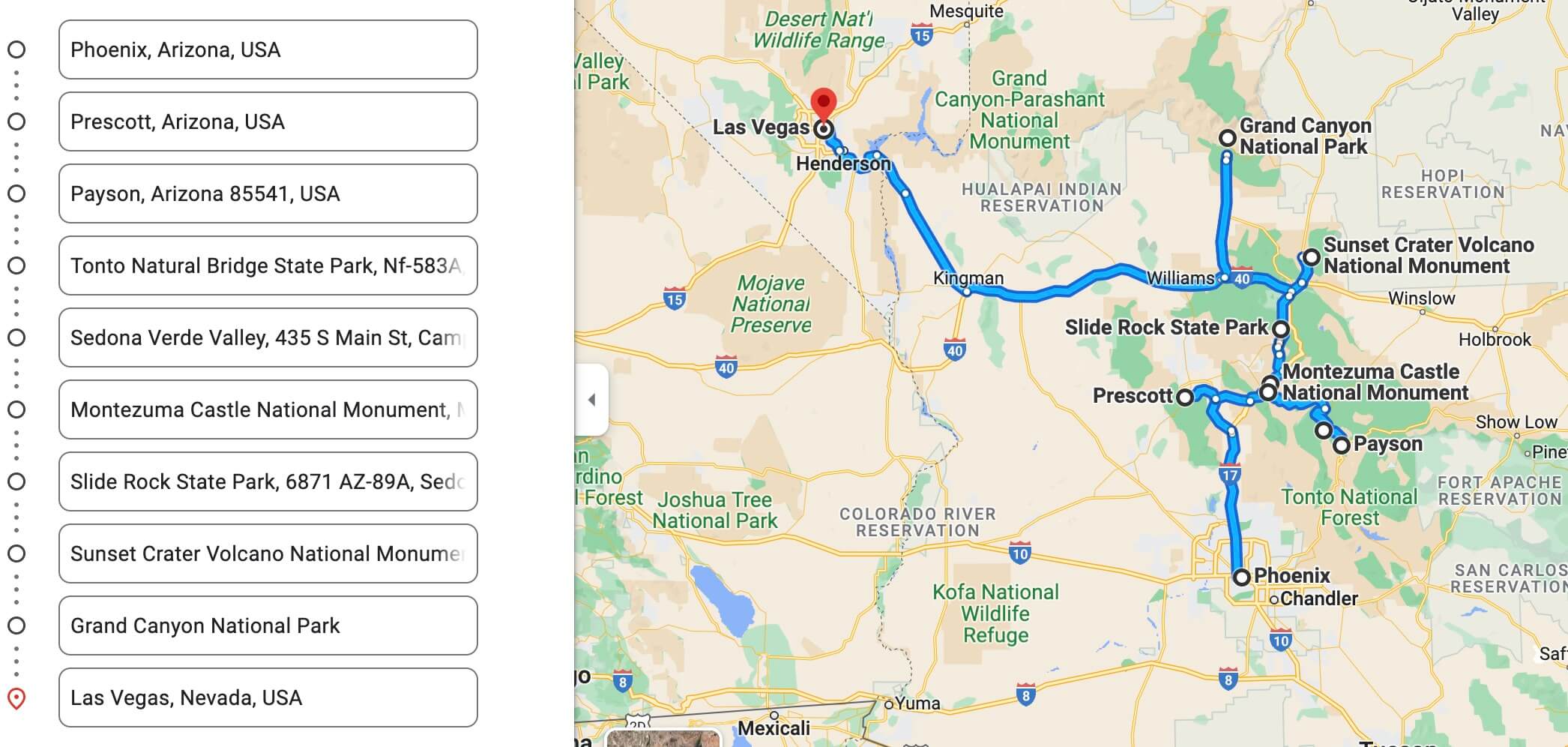
Beyond the direct path, the Arizona-Nevada corridor offers a wealth of natural and man-made wonders. As mentioned, the Hoover Dam is an absolute must-see. Its colossal scale and historical significance as a National Historic Landmark make it a fascinating stop. Just upstream, Lake Mead National Recreation Area offers stunning desert-lake scenery, ideal for a picnic or a short hike, especially around areas like Willow Beach or Hemenway Harbor.
Further afield, Kingman, Arizona, often referred to as the “Heart of Historic Route 66,” is a nostalgic stop for anyone interested in classic Americana. Explore its Historic Route 66 Museum and grab a meal at one of its charming roadside diners. A more significant detour from Kingman could lead you to the Grand Canyon National Park (South Rim), an unparalleled natural wonder that warrants a dedicated visit. While it adds substantial time, the awe-inspiring vistas are truly once-in-a-lifetime. Another popular detour, particularly if you’re interested in spiritual retreats and stunning red rock formations, is Sedona, Arizona, though this would mean veering further east from the direct route and adding several hours to the total journey. Each of these stops provides a unique flavor of the Southwest and a break from driving.
Accommodation Options for Mid-Journey Overnights
While the drive between Phoenix and Las Vegas is manageable in a single day, an overnight stay can enhance a more relaxed exploration, especially if you include detours like the Grand Canyon. Towns like Kingman, Arizona, or Williams, Arizona (if you’re heading to the Grand Canyon), offer a range of accommodation choices. In Kingman, you’ll find numerous budget-friendly chain hotels such as Quality Inn or Best Western, providing comfortable and convenient stops. Williams, often dubbed the “Gateway to the Grand Canyon,” features charming historic hotels, classic motels, and family-friendly lodging options.
For those wanting to split the drive closer to Las Vegas while still experiencing a quieter atmosphere, Boulder City, Nevada, presents a delightful alternative. Known for its small-town charm and proximity to the Hoover Dam and Lake Mead, Boulder City offers quaint inns and a few boutique hotels. No matter where you decide to stop, it’s always advisable to book your accommodation in advance, particularly during peak travel seasons or on weekends, to ensure availability and potentially better rates. This planning allows you to truly enjoy your overnight stay, refreshed and ready for the next leg of your journey.
Local Culture and Culinary Delights
The journey through Arizona and Nevada offers more than just scenic vistas; it’s an opportunity to savor local flavors and experience regional culture. In the smaller towns along the route, you’ll discover charming roadside diners that serve up classic American comfort food. In Kingman, for instance, you might find eateries celebrating its Route 66 heritage with vintage decor and hearty meals. Look out for local specialties like Southwestern green chili dishes in Arizona, or perhaps some delicious barbeque.
Once you arrive in Phoenix or Las Vegas, the culinary landscape expands dramatically. Phoenix is renowned for its vibrant Sonoran Desert cuisine, blending Mexican influences with local ingredients to create unique flavors. From upscale farm-to-table restaurants to authentic taco stands, the city’s food scene is diverse and delicious. Las Vegas, on the other hand, is a global culinary hub. Its world-class resorts boast celebrity chef restaurants covering every imaginable cuisine, from Michelin-starred fine dining to extravagant buffets. Exploring the local food scene, whether a simple roadside diner or a high-end restaurant, is an integral part of understanding the culture and lifestyle of the Southwest.
Exploring Your Destinations: Phoenix and Las Vegas
The ultimate rewards of your journey are the destinations themselves. Phoenix and Las Vegas, while relatively close geographically, offer distinctly different experiences, catering to a wide array of traveler preferences.
Phoenix: The Valley of the Sun
Phoenix, Arizona, is a sprawling metropolis nestled in the heart of the Sonoran Desert, celebrated for its year-round sunshine and stunning natural surroundings. It’s a paradise for outdoor enthusiasts, offering world-class hiking trails up iconic peaks like Camelback Mountain and Piestewa Peak, as well as numerous golf courses that blend seamlessly with the desert landscape. For cultural enrichment, the Desert Botanical Garden showcases the region’s unique flora, while the Heard Museum offers a profound insight into Native American art and culture.
Accommodation in Phoenix ranges from opulent luxury resorts such as the historic Arizona Biltmore, A Waldorf Astoria Resort, known for its Frank Lloyd Wright-influenced architecture, to boutique hotels in vibrant neighborhoods like Downtown Phoenix and Old Town Scottsdale. Families can find spacious suites and resorts with extensive amenities, while budget travelers have access to numerous comfortable and convenient options. The lifestyle here emphasizes outdoor living, wellness, and a relaxed, yet sophisticated, atmosphere. Dining in Phoenix is a culinary journey, with a strong focus on Southwestern flavors, farm-to-table concepts, and a growing craft beer scene. Whether seeking adventure, relaxation, or cultural immersion, Phoenix offers a diverse and appealing experience.
Las Vegas: The Entertainment Capital
Just a few hours away, Las Vegas, Nevada, transforms the desert into a glittering oasis of entertainment, luxury, and excitement. Known globally as “The Entertainment Capital of the World,” its iconic Las Vegas Strip is a spectacle of grand resorts, each with its unique theme, world-class casinos, and dazzling attractions. Visitors flock to Las Vegas for its unparalleled nightlife, residencies by global music stars, spectacular Cirque du Soleil shows, and an endless array of dining options. Beyond the casinos, Las Vegas offers high-end shopping, spa treatments, and thrilling outdoor adventures in nearby areas like Red Rock Canyon National Conservation Area.
Accommodation in Las Vegas is an experience in itself, with iconic resorts like Bellagio, Caesars Palace, and The Venetian Resort Las Vegas offering luxurious suites, elaborate pool complexes, and integrated entertainment. There are options for every budget, from opulent five-star properties to more modest hotels off the main Strip. The city’s culinary scene is legendary, boasting restaurants by celebrity chefs like Gordon Ramsay and Wolfgang Puck, alongside more casual eateries and world-famous buffets. Las Vegas embodies a lifestyle of indulgence and escapism, making it a dream destination for those seeking thrills, glamour, and an unforgettable vacation.
Essential Travel Tips for the Arizona-Nevada Corridor
To ensure a smooth and enjoyable trip between Phoenix and Las Vegas, consider these essential travel tips:
- Best Time to Travel: The desert climate of Arizona and Nevada is characterized by extremely hot summers. The best time to travel is during the cooler months, from October to April, when temperatures are more pleasant for driving and outdoor activities. Summer travel (June-August) means contending with intense heat, which can affect car performance and make stops less comfortable.
- Car Rental Considerations: If you’re flying into one city and driving to the other, be aware of potential one-way rental car fees. These can vary significantly between companies. Consider the type of vehicle you need; a comfortable car with good air conditioning is a must, especially during warmer months. Ensure your rental agreement allows for travel between states.
- Packing Essentials: Regardless of the season, water is paramount. Carry plenty of bottled water for everyone in your vehicle. Other essentials include sunscreen, hats, sunglasses, a first-aid kit, and a car charger for your phone. A good, up-to-date physical map or a downloaded offline map on your device is also wise, as cell service can be spotty in remote desert stretches.
- Road Conditions and Safety: The highways are generally well-maintained, but be mindful of speed limits and watch for wildlife, especially at dawn and dusk. Dust storms can occur, reducing visibility drastically; if one strikes, pull over safely and wait for it to pass. Always inform someone of your travel plans, especially if taking detours through less-traveled areas.
- Booking in Advance: For peak seasons, holidays, or specific events in either Phoenix or Las Vegas, it’s highly advisable to book accommodations, rental cars, and popular attractions or shows well in advance. This not only secures your spot but often results in better rates.
By keeping these tips in mind, you can prepare for a safe, comfortable, and thoroughly enjoyable journey through the captivating landscapes of the Arizona-Nevada border.
In conclusion, the distance between Phoenix, Arizona, and Las Vegas, Nevada, is a convenient 300 miles, easily covered in a 4.5 to 5-hour drive. However, this journey is much more than just a measurement of miles; it’s an invitation to explore the diverse beauty and vibrant culture of the American Southwest. Whether you opt for the efficiency of a direct drive, the speed of a short flight, or the immersive experience of a scenic road trip with stops at iconic landmarks like the Hoover Dam or the majestic Grand Canyon, the route offers something for every traveler.
Both Phoenix, with its sun-drenched desert beauty and outdoor adventures, and Las Vegas, with its electrifying entertainment and luxurious indulgences, stand as premier destinations. By planning carefully and embracing the opportunities for exploration along the way, your trip between these two dynamic cities will undoubtedly be a highlight of your travel experiences. So, pack your bags, choose your adventure, and prepare to be enchanted by the unique charm of this remarkable corridor.
LifeOutOfTheBox is a participant in the Amazon Services LLC Associates Program, an affiliate advertising program designed to provide a means for sites to earn advertising fees by advertising and linking to Amazon.com. Amazon, the Amazon logo, AmazonSupply, and the AmazonSupply logo are trademarks of Amazon.com, Inc. or its affiliates. As an Amazon Associate we earn affiliate commissions from qualifying purchases.