
Planning a trip to Las Vegas, Nevada, is an exciting endeavor, filled with visions of vibrant nightlife, world-class entertainment, and unforgettable experiences. Yet, before you pack your bags and book your flights, there’s one crucial question that can significantly shape your itinerary and comfort: “What’s the temperature in Las Vegas, Nevada right now?” While I can’t provide a real-time, live temperature update in this article, I can equip you with the knowledge and insights needed to understand Las Vegas’s unique climate, how it fluctuates throughout the year, and how to best prepare for your visit, no matter the season.
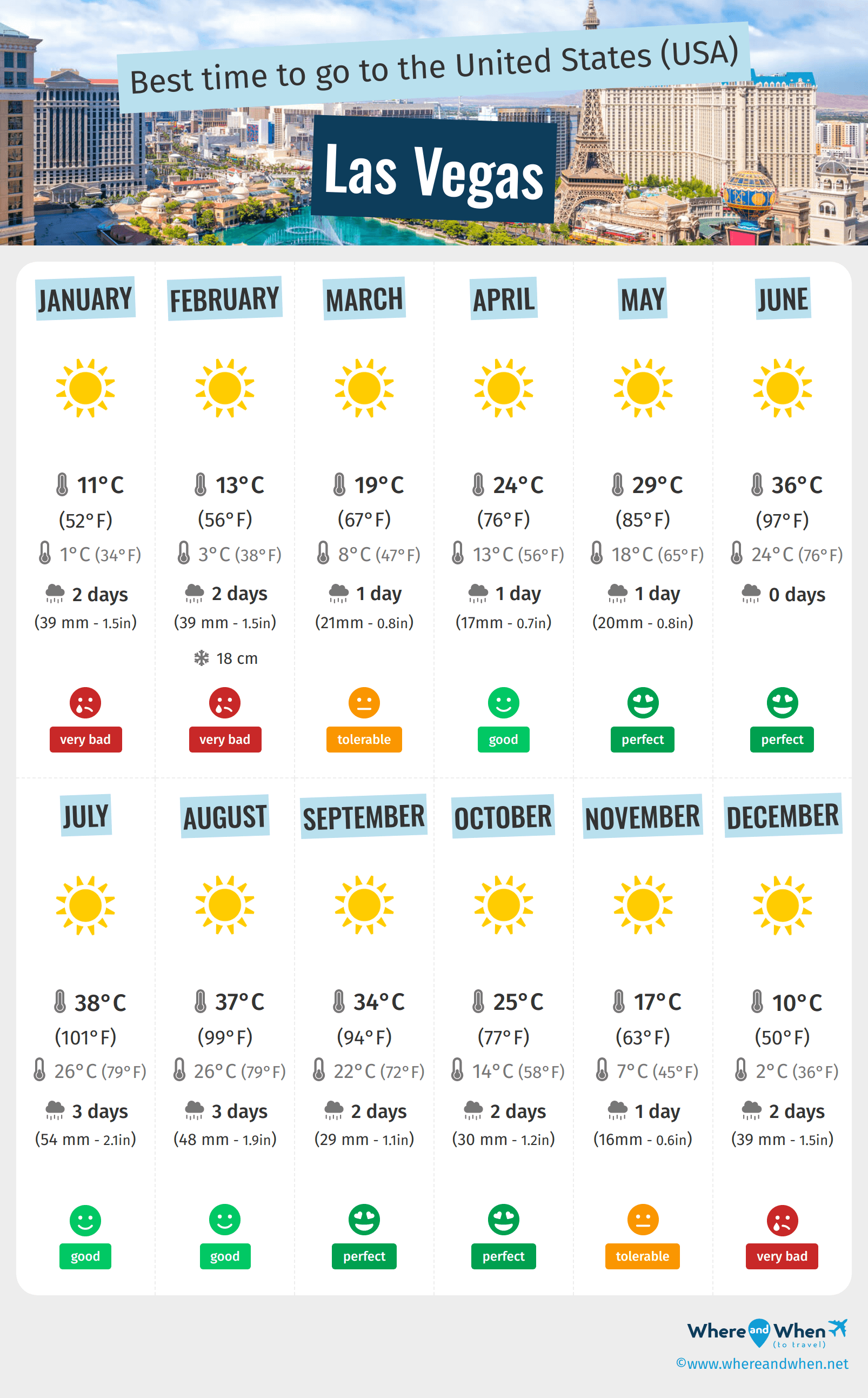
Las Vegas is nestled in the Mojave Desert, a geographical reality that dictates much of its weather patterns. Known for its scorching summers, mild winters, and abundant sunshine, understanding this desert climate is key to maximizing your enjoyment. Whether you’re considering a luxurious stay at a Strip resort, exploring natural wonders, or diving into the city’s unique cultural offerings, temperature plays a pivotal role in every aspect of your travel, accommodation, and activity planning.
Decoding Las Vegas’s Desert Climate: Seasonal Swings and Daily Dynamics
The Mojave Desert might conjure images of relentless heat, but the truth about Las Vegas’s climate is more nuanced. While extreme temperatures are part of its identity, the city experiences distinct seasons, each offering a unique flavor for visitors. Unlike humid climates, the dry air of the desert means that even high temperatures can feel different, and there’s often a significant drop in temperature from day to night. This diurnal range is a critical factor for travelers to consider.
Throughout the year, Las Vegas boasts an impressive average of 300 sunny days, making it a reliable destination for those seeking clear skies. However, this sunshine comes with varying intensity depending on the month. Understanding these seasonal shifts is the first step in planning the perfect trip.
Summer in the Desert (June – August): Embracing the Heat
Summer in Las Vegas is synonymous with intense heat. Daily high temperatures frequently soar above 100°F (38°C), with many days pushing past 105°F (41°C) and occasionally touching 115°F (46°C). The dry heat means humidity is low, which can make the heat more tolerable than in tropical regions, but it’s still undeniably hot. Nights offer some relief, often cooling down to the mid-70s or low 80s°F (24-29°C), which is still warm but comfortable enough for evening strolls and outdoor dining.
Impact on Travel: For travelers visiting during these months, hydration is paramount. Sunscreen, hats, and lightweight clothing are absolute necessities. The summer months transform Las Vegas into a haven for indoor activities. The casinos, world-class shows, shopping centers, and myriad indoor attractions become even more appealing, offering air-conditioned escapes from the scorching sun. Pool culture thrives, with resorts like the Bellagio, Caesars Palace, and MGM Grand becoming oases where visitors can lounge, swim, and cool off. Many resorts are designed to allow guests to move from one air-conditioned space to another without ever truly stepping outside into the direct sun.
While daytime outdoor excursions to natural landmarks like the Red Rock Canyon National Conservation Area or the Valley of Fire State Park are still possible, they require very early starts or late afternoon visits to avoid the peak heat. Many prefer the cooler months for such adventures.
Spring and Fall: The Golden Seasons (March – May, September – November)
Many seasoned travelers consider spring and fall the ideal times to visit Las Vegas due to the remarkably pleasant temperatures.
- Spring (March – May): Average daytime highs range from the mid-70s to high 80s°F (24-31°C), with nights cooling into the 50s and 60s°F (10-21°C). The weather is generally sunny and dry, creating perfect conditions for exploring both indoor and outdoor attractions.
- Fall (September – November): Similarly delightful, fall sees daytime temperatures from the high 70s to mid-80s°F (25-29°C) in September, gradually cooling to the 60s°F (15-21°C) by November. Nights become crisp, often dropping into the 40s and 50s°F (4-15°C).
Impact on Travel: These seasons are perfect for visitors who want to experience the full spectrum of Las Vegas activities. Walking The Strip, dining on outdoor patios, and embarking on day trips to iconic sites like the Hoover Dam or Lake Mead National Recreation Area are all comfortable and enjoyable. Events and festivals often populate these months, drawing crowds for outdoor concerts, art shows, and various sporting events. The mild weather also makes exploring Downtown Las Vegas and the Fremont Street Experience a pleasure, allowing visitors to fully appreciate the vibrant street performances and light shows. For those seeking active adventures, hiking and biking in nearby natural parks are highly recommended.
Winter Wonders (December – February): Surprisingly Mild
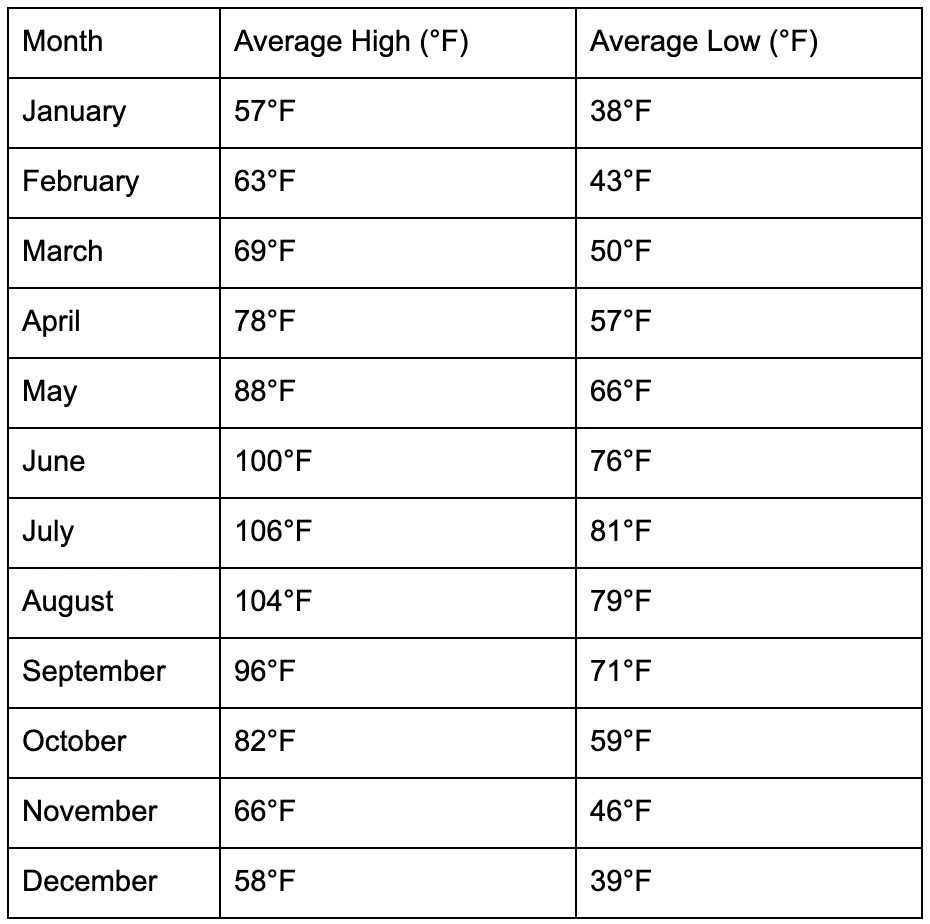
Winter in Las Vegas is often a pleasant surprise for visitors expecting harsh conditions. While temperatures are certainly cooler than in summer, they rarely dip below freezing during the day. Daytime highs typically range from the low 50s to mid-60s°F (10-18°C). Nights, however, can be quite chilly, often falling into the 30s and 40s°F (0-10°C). Snow is an infrequent event in the city itself, though it’s common in the surrounding Spring Mountains and on Mount Charleston, offering a unique contrast of desert city and snowy peaks.
Impact on Travel: Winter is an excellent time to visit if you prefer cooler weather and smaller crowds, especially outside of major holidays. The comfortable daytime temperatures are perfect for exploring the city on foot, enjoying outdoor gardens, or even playing golf. Many of the city’s grand indoor attractions, shows, and world-class dining establishments are in full swing, offering a warm refuge from the evening chill. Holiday season travel brings festive decorations and special events, creating a magical atmosphere. For those seeking unique winter experiences, a day trip to Mount Charleston for some snow play or hiking in cooler conditions can be a delightful change of pace.
Beyond the Thermometer: How Weather Influences Your Las Vegas Experience
Understanding the raw temperature numbers is just the beginning. The practical implications of Las Vegas’s climate extend to every aspect of your travel planning, from what you pack to where you choose to stay and the activities you pursue.
Accommodation Choices and Amenities
The choice of accommodation in Las Vegas is intrinsically linked to the time of year you visit. During the scorching summer, a resort with an exceptional pool complex is almost a non-negotiable for many travelers. Properties like The Venetian Resort, Wynn Las Vegas, and Aria Resort & Casino are renowned for their expansive pools, cabanas, and integrated cooling systems. Air conditioning is, of course, standard across all hotels, but the quality and efficiency can make a difference in your comfort. During cooler months, while pools might still be open (some are heated year-round), their importance shifts. Guests might prioritize amenities like luxurious spas, fine dining, or easy access to indoor entertainment venues. For long-term stays, apartment-style accommodations offering full kitchens might be preferred, allowing for more control over dining and a more home-like environment regardless of the weather outside.
Packing Essentials for Every Season
Packing smart for Las Vegas means packing for the extremes of its desert climate.
- Summer: Think light, breathable fabrics like cotton or linen. Swimwear is essential. Don’t forget a wide-brimmed hat, sunglasses, and high SPF sunscreen. Comfortable walking shoes are a must, as you’ll likely do a lot of walking inside casinos and resorts. Even in summer, a light cardigan or wrap can be useful for air-conditioned indoor spaces, which can sometimes be quite chilly.
- Spring/Fall: Layers are your best friend. Days can be warm and sunny, requiring light clothing, but evenings can cool down significantly. Pack a mix of short-sleeved shirts, long-sleeved tops, and a light to medium jacket or sweater. Good walking shoes are still paramount for exploring.
- Winter: Pack warmer clothing, including long pants, sweaters, and a substantial jacket or coat for evenings. Scarves and gloves might be appreciated, especially if you plan to be out late or visit higher elevations like Mount Charleston. Daytime can still be pleasant enough for lighter layers, so bring options.
Always remember that Las Vegas is a city where dressing up is common, especially for dining and shows. So, regardless of the season, consider packing at least one nicer outfit.
Activities and Attractions: Indoor vs. Outdoor
The time of year dictates the optimal balance between indoor and outdoor activities.
- Hot Months (Summer): Focus heavily on indoor entertainment. Catch a residency show by a world-famous artist, try your luck at the casinos, indulge in gourmet meals, explore the myriad shops, or visit indoor attractions like the Mob Museum or Neon Museum. The pool scene is vibrant and a major attraction in itself.
- Mild Months (Spring/Fall): This is the prime time for outdoor adventures. Explore The Strip on foot, visit the Ethel M Chocolate Factory and Cactus Garden, or take a scenic drive to Red Rock Canyon National Conservation Area, Valley of Fire State Park, or even further afield to the Grand Canyon or Death Valley National Park. These months also host many outdoor festivals and concerts.
- Cooler Months (Winter): Enjoy walking tours of The Arts District or Downtown Las Vegas. Indoor attractions remain popular, and holiday decorations add a special charm. Golfing is particularly enjoyable in the winter months due to the comfortable daytime temperatures.
Real-time Weather Resources and Final Tips
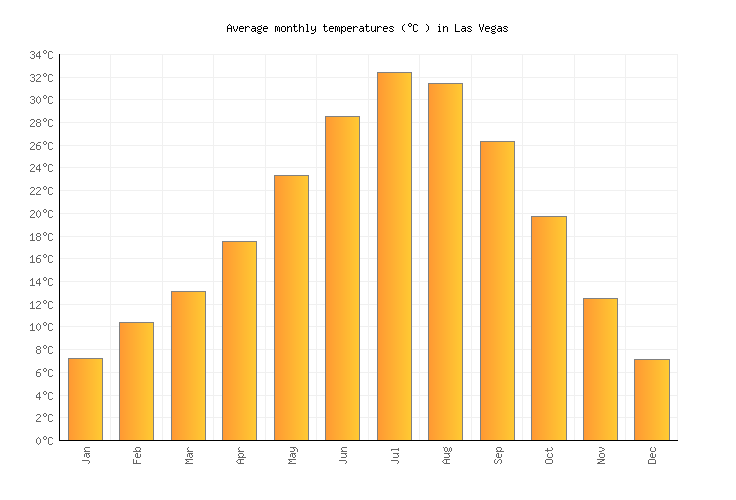
While this article provides a comprehensive guide to Las Vegas’s climate, the most current and accurate temperature information will always come from real-time weather sources. Before and during your trip, make it a habit to check a reliable weather app or website for the most up-to-date forecasts. This will allow you to adjust your plans and packing as needed, ensuring maximum comfort and enjoyment.
When asking, “What’s the temperature in Las Vegas, Nevada right now?”, remember that the answer is more than just a number. It’s a key piece of information that unlocks a deeper understanding of how to best experience this incredible desert oasis. By being prepared for the seasonal variations and understanding how they influence your choices in travel, accommodation, and activities, you’re set for an unforgettable adventure in Las Vegas, come rain, shine, or intense desert heat.
LifeOutOfTheBox is a participant in the Amazon Services LLC Associates Program, an affiliate advertising program designed to provide a means for sites to earn advertising fees by advertising and linking to Amazon.com. Amazon, the Amazon logo, AmazonSupply, and the AmazonSupply logo are trademarks of Amazon.com, Inc. or its affiliates. As an Amazon Associate we earn affiliate commissions from qualifying purchases.