
The name Las Vegas conjures images of dazzling lights, world-class entertainment, opulent resorts, and an endless array of attractions. It’s a global beacon for travel, a destination synonymous with luxury lifestyle and unforgettable experiences. From its iconic hotels featuring luxurious suites and diverse amenities to its vibrant local culture and cutting-edge tourism activities, Las Vegas has cemented its place as a top-tier travel destination. But beneath the glittering facade of this modern metropolis lies a rich and surprising history, a journey from a humble desert oasis to the “Entertainment Capital of the World.” Understanding when and how Las Vegas truly began offers a fascinating glimpse into the forces that shaped this unique city and continue to drive its evolution as a premier choice for accommodation and adventure.
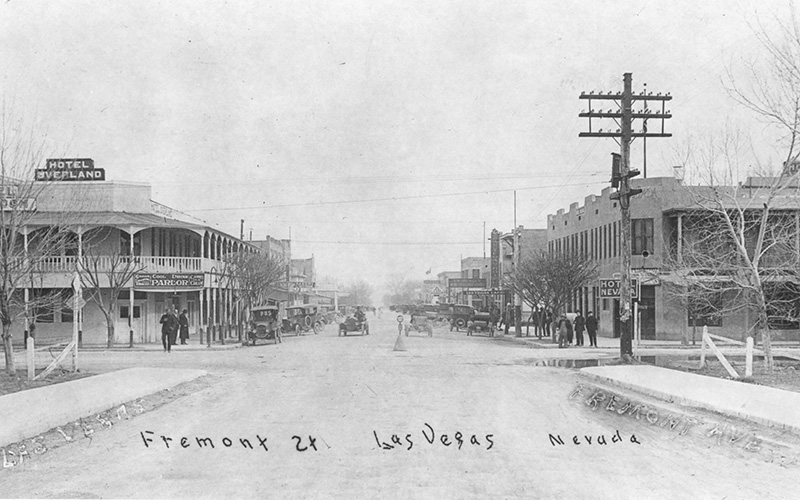
The Desert’s First Whisper: Pre-Founding History
Long before neon signs illuminated the Nevada desert, the area that would become Las Vegas was known for a crucial natural resource: water. This scarcity in the arid Southwest made any reliable water source incredibly valuable, attracting various groups long before any formal city planning took place. The very name “Las Vegas” itself, meaning “the meadows” in Spanish, points to this early natural advantage, hinting at the lush spring-fed grasses that once dotted the landscape.
From Ancient Springs to Spanish Trails
The earliest inhabitants of the Las Vegas Valley were Native American tribes, including the Paiute people, who recognized and utilized the life-giving springs for thousands of years. Their ancient trails crisscrossed the region, connecting vital water sources and facilitating trade. It was these same springs that caught the attention of early European explorers and traders. The first documented sighting by non-natives occurred in 1829, when a young Mexican scout named Rafael Rivera, part of a trading expedition led by Antonio Armijo, stumbled upon the verdant meadows. The expedition was seeking a shorter route from Santa Fe, New Mexico, to Los Angeles, California, and Rivera’s discovery became a crucial stop on what would later be known as the Old Spanish Trail. This initial discovery was pivotal, marking the area as a critical resting and watering point for travelers and cementing its strategic importance for future development, laying the groundwork for it to become a landmark destination for travelers seeking refuge and resources in the vast American West.
The Mormon Settlement and the Railroad’s Arrival
The mid-19th century saw another significant attempt to establish a permanent presence in the Las Vegas Valley. In 1855, a group of Mormon missionaries, dispatched by Brigham Young from Salt Lake City, arrived with the aim of converting the Paiute people and establishing a fort to protect the mail route between Salt Lake City and San Bernardino, California. They constructed an adobe fort, remnants of which can still be seen today at the Old Las Vegas Mormon Fort State Historic Park. While the Mormon settlement was ultimately short-lived, lasting only until 1857 due to harsh conditions and internal disputes, their presence highlighted the strategic value of the land.
Decades later, in the early 1900s, the arrival of the railroad dramatically reshaped the region’s future. The San Pedro, Los Angeles and Salt Lake Railroad, later absorbed by the Union Pacific Railroad, needed a refueling and watering stop for its steam locomotives traversing the vast desert between Salt Lake City and Los Angeles. The fertile springs of the Las Vegas Valley were the perfect location. The railroad company acquired large tracts of land, seeing the potential for a burgeoning transportation hub and a new settlement. This infrastructure development was the critical catalyst, transforming a remote desert outpost into a place ripe for urbanization and providing the fundamental travel connections needed for future tourism and lifestyle development.
Birth of a City: The Official Founding and Early Growth
The moment that officially marked the beginning of Las Vegas as a city, as we understand it, was a specific day in the early 20th century. This event set in motion the chain of developments that would ultimately lead to its global fame, starting with a land auction that laid the literal groundwork for its downtown area.
The Land Auction of 1905
The official founding date of Las Vegas is May 15, 1905. On this pivotal day, the San Pedro, Los Angeles and Salt Lake Railroad held an auction for 110 acres of land it owned next to its tracks, strategically located in what is now Downtown Las Vegas. The land was divided into 1,200 lots, and the auction, which lasted two days, saw eager investors and settlers snap up parcels, envisioning a bustling railroad town. Buyers came from various places, including Utah, California, and the mining camps of Nevada. This event wasn’t just a real estate transaction; it was the birth certificate of a new community, providing the initial blueprint for its layout and the foundation for its earliest buildings. The strategic placement of this new town, centered around the vital rail link, underscored its future as a travel nexus. The availability of land, coupled with the promise of economic activity, attracted a diverse population, creating the initial buzz for this nascent destination.
Early Infrastructure and the Prohibition Era
Following the 1905 auction, Las Vegas quickly began to take shape as a typical frontier town. Main Street and Fremont Street became the commercial arteries, lined with general stores, saloons, hotels, and boarding houses offering basic accommodation. The railroad brought in supplies and people, and the town thrived as a service center for miners, ranchers, and travelers. Early tourism revolved around its strategic location as a stopover, with simple hotels and a growing number of saloons providing rudimentary entertainment.
However, the Prohibition era, beginning in 1920, presented a unique challenge and opportunity for the burgeoning town. While the rest of the nation grappled with the ban on alcohol, Las Vegas, being relatively isolated and with a libertarian spirit, developed a reputation for its lax enforcement. Speakeasies flourished, and illegal gambling operations, though underground, began to lay the foundation for the city’s future. This period, ironically, helped solidify Las Vegas’s image as a place where rules were bent and good times were had. The early hotels, though modest by today’s standards of luxurious suites and sprawling resorts, provided the essential infrastructure for these illicit activities, foreshadowing the crucial role accommodation would play in the city’s identity. This early era of ‘unregulated’ lifestyle choices was a precursor to the unique brand of tourism that would later define Las Vegas.
The Dawn of the Resort Era: Gaming and Glamour
While 1905 marked the city’s official start, the transformation of Las Vegas into the global icon of entertainment and tourism truly began in the 1930s, propelled by two monumental developments: the legalization of gambling and the construction of the Hoover Dam. These events were intertwined, providing both the legal framework and the economic boom necessary for the city’s explosive growth and the rise of its legendary resort lifestyle.
Legalized Gambling and the Hoover Dam’s Impact
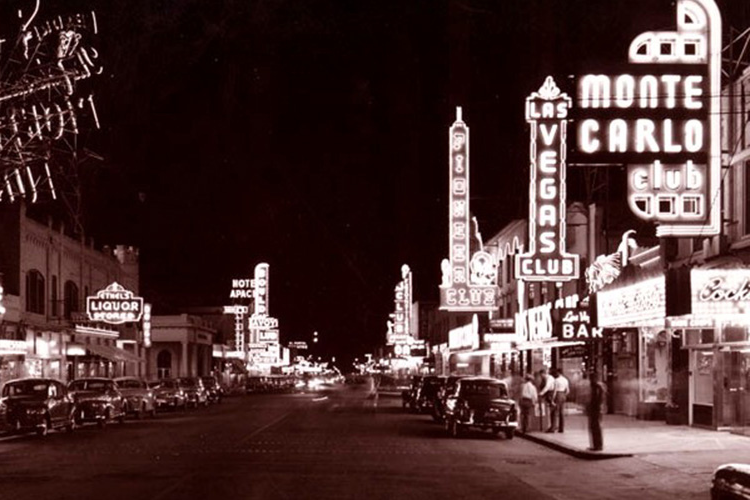
In 1931, in an effort to stimulate its economy during the Great Depression and to curb illegal operations, the State of Nevada legalized gambling. This single legislative act was arguably the most significant factor in shaping Las Vegas’s destiny. Suddenly, what had been clandestine activity could operate openly, drawing entrepreneurs and investors eager to capitalize on the new law. Simultaneously, just a few miles southeast of the city, the monumental construction of the Hoover Dam began. This colossal project brought thousands of workers and their families to the region, creating an immediate demand for accommodation, services, and, crucially, entertainment. The dam workers, many of whom were single men looking for diversion after long shifts, became the first major wave of tourists to experience legal gaming and entertainment in Las Vegas. The combined influx of labor, the new legal status of gambling, and the substantial wages earned by dam workers created a unique economic ecosystem. Modest casinos and bars, offering a taste of the emerging Las Vegas lifestyle, began to spring up, laying the economic bedrock for what would become a global tourism phenomenon.
The First Grand Resorts: Pioneering Luxury Travel
With the foundation laid, the stage was set for the birth of the iconic Las Vegas resort. The first true resort to open its doors on what would become the famous Las Vegas Strip was El Rancho Vegas in 1941. This landmark property, located on Highway 91 (now Las Vegas Boulevard), was a sprawling complex featuring a hotel, casino, showroom, swimming pool, and horseback riding. It offered a complete leisure experience, pioneering the concept of an all-encompassing destination for travel and entertainment.
However, it was the opening of the Flamingo Hotel in 1946, financed by notorious gangster Bugsy Siegel, that truly ushered in the era of glamour and high-stakes luxury travel. Siegel envisioned a European-style resort that would attract not just local patrons but also Hollywood stars and wealthy tourists from California. The Flamingo, with its opulent design, lavish amenities, and star-studded entertainment, set a new standard for accommodation and the overall tourism experience. It became the template for future resorts, demonstrating that Las Vegas could be a destination not just for gambling, but for sophisticated lifestyle and unparalleled attractions. These pioneering resorts were more than just hotels; they were integrated experiences, offering a glimpse into the future of modern travel and marking Las Vegas as a landmark of architectural and recreational innovation.
From Desert Oasis to Global Icon: The Mid-Century Boom
The decades following the establishment of the first grand resorts saw Las Vegas explode in popularity and stature. The city rapidly transformed from a regional curiosity into a national, and eventually international, symbol of entertainment and luxury. This period, from the 1950s through the 1970s, was characterized by rapid development, iconic architectural innovation, and a continuous evolution of the tourist experience, further cementing its position as a world-class travel destination.
The Strip’s Emergence and Architectural Marvels
The stretch of Las Vegas Boulevard that started with El Rancho Vegas and the Flamingo quickly became known as “The Strip.” During the 1950s and 60s, a succession of iconic resorts opened, each trying to outdo the last in terms of size, opulence, and entertainment value. Hotels like the Sands, Sahara, Riviera, and Caesars Palace became landmarks, not just of Las Vegas but of modern American architecture and design. These establishments were pioneers in creating a themed environment, offering more than just gambling, but complete experiences that included lavish showrooms featuring legendary performers, gourmet restaurants, and expansive swimming pools. The architecture was often bold, sometimes flamboyant, and always designed to captivate and entertain, embodying the very essence of a vibrant destination for travel and leisure.
Interestingly, this era also coincided with nuclear testing at the nearby Nevada Test Site. While a grim reality, the mushroom clouds became an unexpected tourist attraction, with some hotels even offering “Atomic Cocktails” and rooftop viewing parties. This bizarre footnote in Las Vegas history further underscored its unique and often unconventional approach to tourism, where even the extraordinary was integrated into the visitor experience.
Lifestyle Evolution and the Tourist Experience
As The Strip flourished, the lifestyle offerings in Las Vegas broadened significantly. It moved beyond just gambling and attracted visitors seeking a more comprehensive entertainment experience. The city became famous for its world-class live shows featuring legends like Frank Sinatra and Elvis Presley, transforming it into a hub for music and performance. Restaurants evolved from basic diners to fine dining establishments, catering to a sophisticated palate. The focus shifted from mere accommodation to providing an entire ecosystem of amenities within each resort: sprawling pools, golf courses, and luxury shopping began to define the ultimate travel experience.
This period also saw the diversification of the tourist demographic. While still a draw for high rollers and adult entertainment, Las Vegas began to attract families, couples on romantic getaways, and even business travelers, especially with the growth of convention tourism. Resorts started offering packages that catered to various budgets and travel styles, from luxury travel to more accessible options. The concept of an integrated resort, where guests could stay, dine, gamble, shop, and be entertained all under one roof, was perfected here, making Las Vegas a benchmark for destinations offering complete lifestyle experiences and comprehensive tourist activities.
Las Vegas Today: A Legacy of Innovation and Entertainment
From its humble beginnings as a desert watering hole and a railroad stop, Las Vegas has blossomed into an unparalleled global destination. Its journey is a testament to relentless innovation, strategic development, and an unwavering commitment to providing an extraordinary experience for every visitor. Today, the city stands as a vibrant testament to its rich past, continuously evolving while honoring the legacy of its founders and pioneers.
Beyond the Casino Floor: Diversifying Attractions
The modern Las Vegas continues to push the boundaries of tourism and entertainment, offering a far more diverse array of attractions than ever before. While gaming remains a significant draw, the city has consciously diversified to appeal to a broader audience. Iconic resorts like the Bellagio, the Venetian Resort, and MGM Grand now house world-class art galleries, museums, designer boutiques, and Michelin-starred restaurants. Live entertainment extends beyond traditional shows to include resident headliners, spectacular circuses like Cirque du Soleil, and elaborate stage productions.
Beyond The Strip, Downtown Las Vegas has undergone a revitalization with the Fremont Street Experience, offering free light shows, street performers, and a vibrant nightlife scene. Outdoor activities have also grown in popularity, with easy access to natural landmarks like Red Rock Canyon for hiking and rock climbing, or day trips to the majestic Grand Canyon. This expansion into varied attractions ensures that Las Vegas caters to every type of traveler, from those seeking high-octane adventure to those desiring cultural immersion or tranquil natural beauty, embodying a comprehensive travel guide for diverse interests.

The Future of Accommodation and Tourism
The future of Las Vegas tourism and accommodation continues to be defined by innovation. Resorts are constantly upgrading, offering increasingly sophisticated suites, personalized services, and cutting-edge amenities that redefine luxury travel. Technology plays a crucial role, from seamless booking experiences and mobile check-ins to in-room automation and virtual reality attractions. The city is also a leading destination for MICE (Meetings, Incentives, Conferences, and Exhibitions) tourism, boasting some of the largest and most advanced convention centers in the world, catering specifically to business stays and long-term groups.
Furthermore, there’s a growing emphasis on sustainability and responsible tourism, with resorts implementing eco-friendly practices and contributing to local community development. Las Vegas continues to adapt to changing traveler preferences, whether it’s the rise of health and wellness tourism, the demand for authentic local culture and food experiences, or the desire for unique, curated trips. The ongoing evolution of its accommodation options, from opulent villas to stylish apartments, ensures that Las Vegas remains at the forefront of the global travel industry, a landmark of human ingenuity and a beacon for those seeking the ultimate escape. The story of Las Vegas is far from over; it’s a narrative of continuous reinvention, promising an exciting future for generations of travelers to come.
LifeOutOfTheBox is a participant in the Amazon Services LLC Associates Program, an affiliate advertising program designed to provide a means for sites to earn advertising fees by advertising and linking to Amazon.com. Amazon, the Amazon logo, AmazonSupply, and the AmazonSupply logo are trademarks of Amazon.com, Inc. or its affiliates. As an Amazon Associate we earn affiliate commissions from qualifying purchases.