
The mere mention of Las Vegas conjures images of dazzling lights, world-class entertainment, and opulent resorts. Often dubbed the “Entertainment Capital of the World” and “Sin City,” it stands as a global beacon for travel, tourism, and a unique lifestyle experience. Millions flock to this vibrant destination in the Mojave Desert, Nevada, seeking everything from thrilling casino action and Broadway-caliber shows to gourmet dining and luxurious accommodation. However, beneath the glitz and glamour lies a rich and often surprising history, far removed from the neon glow that defines its modern identity. The question of “When was Las Vegas established?” delves into a past that intertwines ancient pathways, determined settlers, and the transformative power of a railway. While its spirit of audacious entertainment feels timeless, the city itself has a definitive birthdate, born from the very practical needs of commerce and transportation.
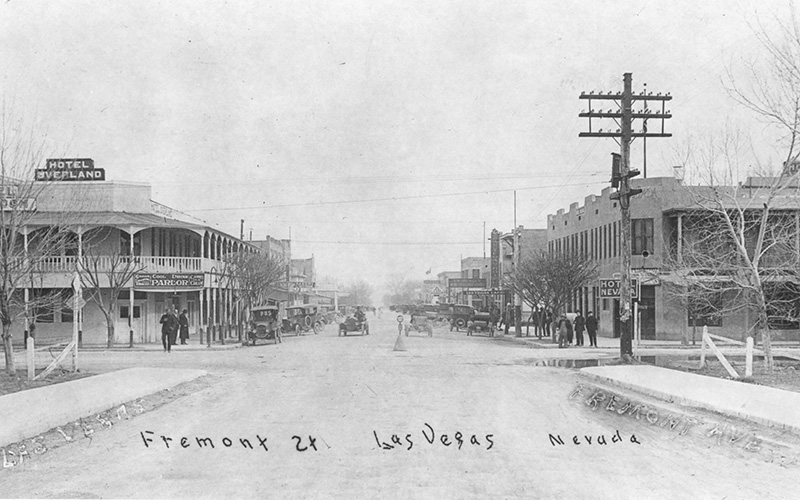
Early Beginnings: A Desert Oasis Emerges
Long before it became a bustling metropolis, the land that would become Las Vegas was a vital oasis in the harsh Mojave Desert. Its abundant natural springs provided a crucial water source, making it a natural stopping point for indigenous peoples and later for early explorers and traders traversing the arid landscape of the American Southwest. This historical significance predates any formal establishment, setting the stage for human interaction with this unique environment for millennia.
The area’s strategic importance as a watering hole was recognized by various Native American tribes, including the Paiute, who utilized the springs for sustenance and travel. Their knowledge of the land and its resources were invaluable, long shaping the “local culture” of the region before European arrival. The first recorded European sighting of the Las Vegas Valley occurred in 1829. A young scout named Rafael Rivera, part of a Mexican trading expedition led by Antonio Armijo, stumbled upon the verdant meadows fed by the natural springs. He named the area “Las Vegas,” which is Spanish for “the meadows,” a fitting description for this green haven amidst the desert. This discovery highlighted the valley’s potential as a lifeline for those undertaking long journeys.
The Old Spanish Trail, a formidable trade route connecting Santa Fe, New Mexico, with Los Angeles, California, relied heavily on such oases. Travelers, merchants, and even explorers like John C. Frémont in 1844, frequently utilized the Las Vegas springs, cementing its role as a crucial stopover on one of the most challenging routes in the American West. The lifestyle of these early travelers was one of endurance and self-reliance, with the Las Vegas springs offering a rare respite.
The region remained under Mexican rule following Spain’s independence in 1821, but this changed dramatically with the Mexican-American War (1846–1848). The Treaty of Guadalupe Hidalgo, which concluded the war, resulted in Mexico ceding vast territories, including what is now Nevada, to the United States. This transfer of sovereignty laid the groundwork for future American settlement and development, eventually paving the way for the establishment of the modern city.
From Ancient Trails to Mormon Settlements
The first significant American attempt at formal settlement in the Las Vegas Valley came in 1855, when a group of Mormon missionaries arrived from Salt Lake City, Utah. Sent by Brigham Young, the leader of The Church of Jesus Christ of Latter-day Saints, their mission was twofold: to convert the local Paiute population and to establish a waystation for travelers along the Mormon Corridor between Salt Lake City and San Bernardino, California.
They constructed a 150-square-foot adobe fort near the natural springs, marking the first non-native settlement in the valley. This structure, part of which still stands today at the Old Las Vegas Mormon Fort State Historic Park, served as a hub for farming, mining, and general community life. The early settlers focused on agriculture, cultivating crops like wheat, corn, and fruits in the fertile soil near the springs. This pioneer “lifestyle” was challenging, characterized by hard work and self-sufficiency, but also offered a glimpse into the valley’s potential for sustainable living.
However, the Mormon settlement was short-lived. Internal disputes, difficulties with lead mining operations, and the harsh desert conditions ultimately led to its abandonment in 1857. Despite its brief existence, this early endeavor demonstrated the viability of establishing a community in the valley, even if the timing and leadership weren’t quite right. After the Mormon departure, the fort and surrounding lands passed through several private hands, including that of Octavius Gass, who developed a successful ranch and built the first “accommodation” in the valley, offering lodging and supplies to passing travelers. In 1881, his ranch was purchased by Archibald Stewart, whose wife, Helen J. Stewart, eventually became one of the wealthiest women in Nevada through land ownership and shrewd management of what was essentially the first significant “tourism” venture in the area.
The Birth of a City: Railroads, Water, and Land Auctions
The pivotal moment for the establishment of Las Vegas came with the advent of the railroad. The late 19th and early 20th centuries were an era of rapid expansion for railways across the United States, transforming landscapes and creating new towns and cities in their wake. The Las Vegas Valley, with its abundant water supply and strategic location between major population centers, was ripe for this transformation.
The primary catalyst was Senator William Andrews Clark of Montana, a copper magnate who envisioned a railway connecting Salt Lake City, Utah, to Los Angeles, California. This ambitious project, the San Pedro, Los Angeles and Salt Lake Railroad, acquired the Las Vegas Ranch from Helen J. Stewart in 1902. The railroad needed the precious water rights to sustain its steam locomotives and service its passengers and freight along this challenging desert route. The natural springs of Las Vegas were an invaluable asset, making the valley an ideal location for a division point, complete with a depot, water tower, and repair shops.
The presence of the railroad immediately sparked interest in developing a townsite. The railroad company knew that with a dependable water source and a stop on a major transportation artery, a community would naturally form. The land around the depot was surveyed and platted, creating the grid for a future town. This strategic “travel” infrastructure was the cornerstone upon which modern Las Vegas would be built, offering unprecedented access to a region previously only traversable by arduous overland journeys.
The Pivotal Land Auction of 1905
The official establishment date of Las Vegas is widely recognized as May 15, 1905. On this historic day, the San Pedro, Los Angeles and Salt Lake Railroad held a massive land auction in what is now downtown Las Vegas. Approximately 110 acres of land, divided into 1,200 lots, were put up for sale. The event was a spectacle, attracting speculators, entrepreneurs, and hopeful residents from across the United States.
The auction took place under a large tent near the railroad tracks, with hopeful buyers bidding on parcels of land that would form the heart of the new town. Many of the lots were quickly snapped up by those eager to capitalize on the railroad’s presence. This land sale effectively created the original townsite of Las Vegas, laying out the foundational streets and blocks, including what would become Main Street and Fremont Street. The sale generated significant revenue for the railroad and, more importantly, drew a permanent population that formed the nascent community.
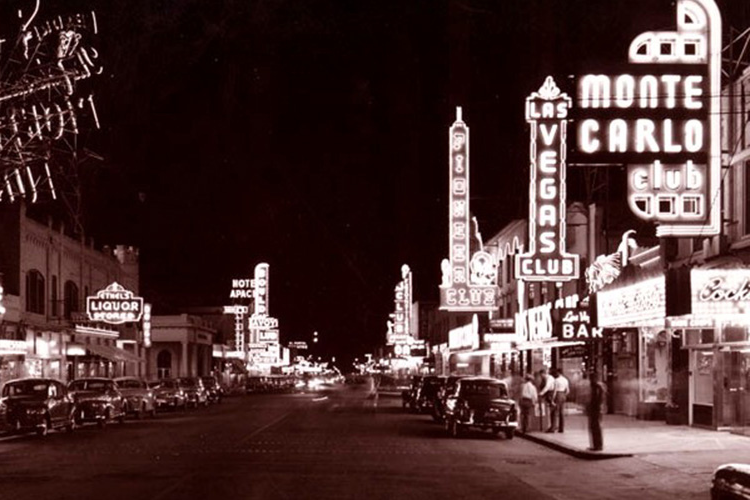
This event marks the true beginning of Las Vegas as a formally established American town. The early “lifestyle” of these pioneers was one of entrepreneurial spirit, as individuals quickly set up businesses, hotels, and general stores to cater to railroad workers, travelers, and the growing population. The “accommodation” options were rudimentary at first, but the groundwork for a bustling railroad hub was firmly laid. Within a few years, the town boasted a post office, several general stores, saloons, and even a nascent “tourism” industry, catering to those passing through or looking to settle in this promising desert locale.
From Railroad Town to Entertainment Capital: The Roaring Twenties and Beyond
In its early years, Las Vegas primarily functioned as a modest railroad town and a service center for local mining operations and ranching communities. Its growth was steady but unremarkable, defined by the steady flow of goods and people facilitated by the San Pedro, Los Angeles and Salt Lake Railroad. The town officially incorporated in 1911, taking its place among the developing cities of Nevada.
Even in these early days, elements of the city’s future reputation were subtly present. While not yet the “Entertainment Capital,” the remote nature of Nevada and its more liberal attitudes allowed for certain activities that were restricted elsewhere. Gambling, though not fully legalized statewide until 1931, existed in various forms in the backrooms of saloons and early establishments like the Northern Club on Fremont Street. This casual acceptance laid psychological groundwork for the future. The “local culture” began to embrace a degree of freedom and frontier mentality.
The Hoover Dam and Economic Boom
The 1930s proved to be another monumental turning point for Las Vegas, largely due to a colossal federal project: the construction of Hoover Dam. Located approximately 30 miles southeast of Las Vegas on the Colorado River at the border of Nevada and Arizona, the dam was one of the largest engineering feats in human history. Its construction, which began in 1931 during the Great Depression, brought thousands of workers to the region, eager for employment and a stable income.
These workers, along with their families, created an immediate and massive demand for housing, services, and most importantly, entertainment. The remote location of the dam project meant that Las Vegas became the primary hub for leisure and recreation. To cater to this influx of working-class men, Nevada made the groundbreaking decision to legalize gambling statewide in 1931. This was a pragmatic move designed to boost the state’s economy during tough times, but it had unforeseen long-term consequences for Las Vegas.
With legal gambling, combined with liberal alcohol laws and quickly available marriage and divorce services, Las Vegas rapidly transformed into a destination offering escape and diversion. The simple “accommodation” options of the railroad town quickly expanded to meet the demand. This period marked the beginning of Las Vegas’s reputation as a place where people could let loose, laying the essential groundwork for its future as a global “tourism” hotspot. The Hoover Dam itself became an important “landmark,” attracting early visitors eager to witness this marvel of engineering, further intertwining its fate with the emerging city.
The Rise of the Strip and Iconic Resorts
Following World War II, Las Vegas entered its most iconic phase of development. The economic prosperity of post-war America, coupled with improved transportation and the increasing popularity of automobile travel, provided the perfect environment for the city’s unique brand of entertainment to flourish. Visionary — and often controversial — figures began to invest heavily, transforming the dusty highway south of downtown into what would become the legendary Las Vegas Strip.
The first resort on what is now the Strip was El Rancho Vegas, which opened in 1941. It wasn’t just a hotel; it was a destination, offering a casino, dining, and live entertainment. This concept of an all-encompassing “resort” experience was revolutionary. However, it was the opening of The Flamingo in 1946 by notorious mobster Benjamin “Bugsy” Siegel that truly ushered in the era of luxury casino hotels. Siegel’s vision was to create a lavish European-style resort that would attract Hollywood stars and high rollers, setting a new standard for “accommodation” and “luxury travel” in Las Vegas.
This period saw a rapid proliferation of magnificent resorts on the Strip, each competing to outdo the others in terms of opulence, entertainment, and “attractions.” Iconic names like the Sands Hotel and Casino (1952), Sahara Hotel and Casino (1952), Riviera (1955), and Tropicana Las Vegas (1957) quickly followed. These establishments offered not just gambling but also lavish showrooms featuring legendary entertainers, swimming pools, fine dining, and diverse “accommodation” options. The “lifestyle” they promoted was one of unapologetic indulgence, making Las Vegas a fantasy destination.
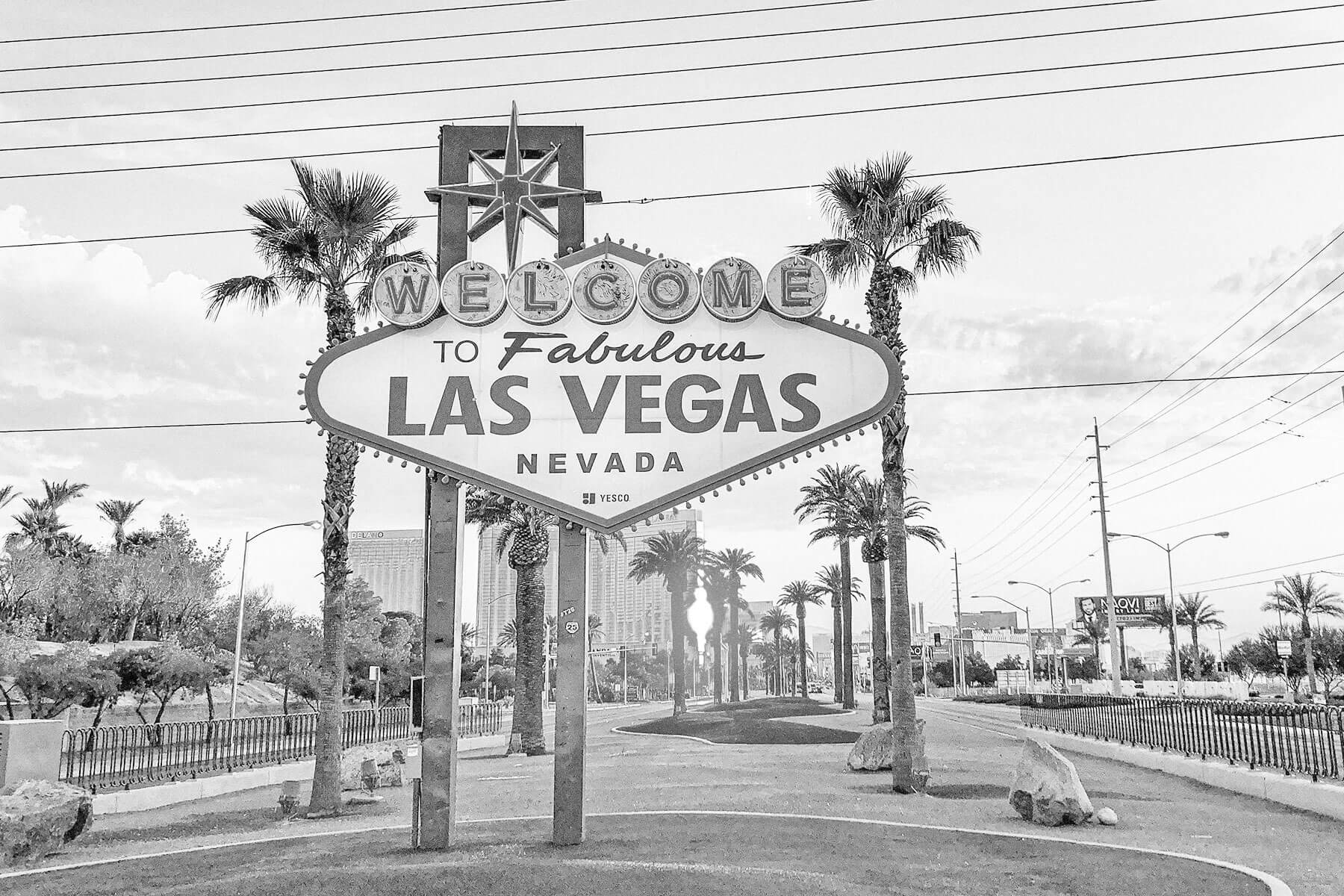
Modern Las Vegas: A Global Tourism Powerhouse
From its humble beginnings as a desert watering hole and a railroad stop, Las Vegas has evolved into a global icon of “travel” and “tourism.” Today, the city is a testament to relentless reinvention and an enduring spirit of entertainment. It has long since shed its image as merely a gambling haven, transforming into a diverse destination that caters to every conceivable “lifestyle” and interest.
The modern Las Vegas Strip is a collection of architectural marvels and themed “resorts” that are “landmarks” in their own right. Properties like Caesars Palace, the Bellagio, The Venetian, and the MGM Grand offer an unparalleled array of “accommodation” options, from sprawling suites to boutique villas. These resorts are self-contained worlds, featuring extravagant casinos, world-class spas, high-end shopping, and an incredible selection of “attractions” from stunning aquatic shows and roller coasters to art galleries and museums.
Beyond the casinos, Las Vegas has become a culinary capital, boasting numerous Michelin-starred restaurants and celebrity chef eateries, catering to gourmands seeking exceptional “food” experiences. The entertainment landscape is equally diverse, featuring resident headliners, spectacular Cirque du Soleil productions, international sporting events, and massive conventions, solidifying its status as a premier “destinations” for events and experiences.
Downtown Las Vegas has also experienced a revitalization, with the Fremont Street Experience offering a unique blend of vintage charm and modern spectacle. The city continues to expand its offerings, incorporating everything from outdoor adventures in the surrounding natural landscapes to cultural institutions like the Neon Museum and the towering Stratosphere Tower, which provides panoramic views of the sprawling city.
In conclusion, while the dazzling skyline of modern Las Vegas feels like a product of pure imagination, its establishment is rooted in a precise historical event. The city we know today began with the pragmatic need for a railroad stop and a land auction held on May 15, 1905. From that dusty desert day, fueled by water, rail, and eventually the daring spirit of entrepreneurs, Las Vegas embarked on an extraordinary journey of transformation. It evolved from a modest settlement into a global powerhouse of “travel,” “tourism,” “accommodation,” and “lifestyle,” consistently captivating the world with its unparalleled blend of history, innovation, and entertainment.
LifeOutOfTheBox is a participant in the Amazon Services LLC Associates Program, an affiliate advertising program designed to provide a means for sites to earn advertising fees by advertising and linking to Amazon.com. Amazon, the Amazon logo, AmazonSupply, and the AmazonSupply logo are trademarks of Amazon.com, Inc. or its affiliates. As an Amazon Associate we earn affiliate commissions from qualifying purchases.