
For travelers heading into or out of Las Vegas, the news of an I-15 closure can be a significant concern. As the primary artery connecting Southern California to the Entertainment Capital of the World and extending through Nevada into Utah, any disruption to I-15 impacts hundreds of thousands of daily commuters and tourists alike. Today’s closure is not an isolated incident but part of ongoing efforts to maintain and enhance the region’s critical infrastructure, ensuring safer and more efficient travel for years to come. Understanding the specifics of the closure, its duration, and most importantly, how to navigate around it, is crucial for anyone planning to experience the vibrant energy of Las Vegas.
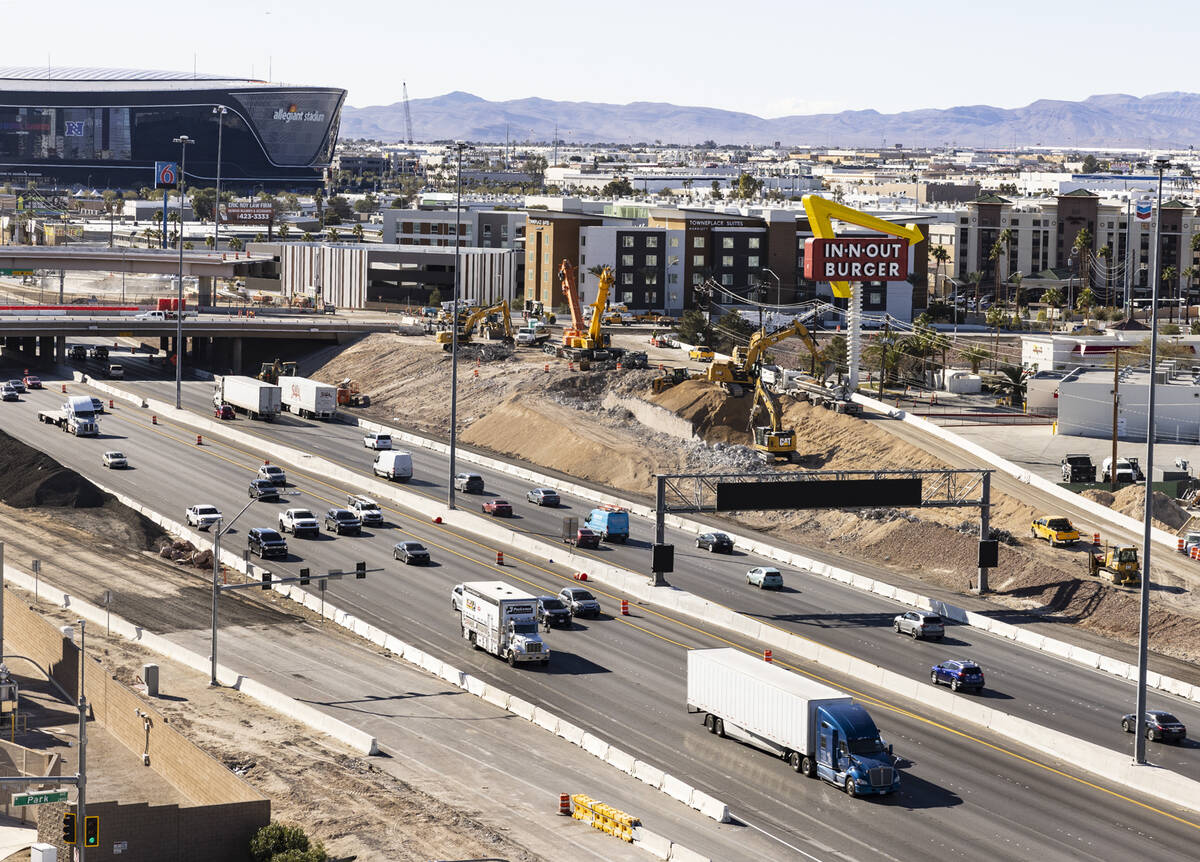
This comprehensive guide will delve into the reasons behind the current I-15 closure, provide essential information on alternative routes, and offer practical advice to minimize the impact on your travel plans and overall Las Vegas experience. Whether you’re here for a luxurious resort stay, a family adventure, a business trip, or simply passing through, being informed is your best strategy. We’ll explore how these closures affect everything from accessing your chosen accommodation and iconic landmarks to enjoying Las Vegas’s unique lifestyle offerings, providing insights derived from a deep understanding of travel, hotels, tourism, and accommodation in this dynamic city.
Unpacking the I-15 Closure: The Vital Details for Travelers
The lifeblood of Las Vegas’s connectivity, I-15, is periodically subject to closures that, while inconvenient in the short term, are vital for the long-term health and safety of its infrastructure. Today’s closure is a prime example of proactive measures taken by state authorities to prevent future issues and improve the flow of traffic in one of the fastest-growing metropolitan areas in the United States.
The “Why”: Essential Infrastructure Upgrades and Maintenance
The current I-15 closure in Las Vegas is primarily due to a significant infrastructure upgrade project spearheaded by the Nevada Department of Transportation (NDOT). This particular project focuses on critical bridge deck repairs and pavement rehabilitation along a key segment of the interstate. Years of heavy traffic, including a substantial volume of commercial vehicles, have taken their toll on the roadway. The project aims to replace aging bridge components, resurface worn sections of the highway, and potentially widen certain lanes to alleviate congestion during peak hours.
Specifically, the work being undertaken includes replacing expansion joints on several overpasses, patching potholes, applying new asphalt overlays, and upgrading signage and lighting for enhanced safety. These improvements are designed not just to repair existing damage but to proactively strengthen the highway against future wear and tear, extending its lifespan and ensuring a smoother, safer journey for everyone. In some sections, particularly those leading to and from the famous Las Vegas Strip and Harry Reid International Airport, these upgrades are crucial for accommodating the ever-increasing flow of tourists and convention-goers. The long-term benefits of this investment far outweigh the temporary inconvenience, promising a more resilient and efficient travel corridor through Clark County. These upgrades are part of a larger strategic plan to maintain Nevada’s transportation network, supporting economic growth and tourism, which are cornerstones of the Las Vegas lifestyle.
Timeline and Affected Zones: What You Need to Know
Today’s closure of I-15 is part of a series of planned weekend or overnight closures, strategically scheduled to minimize impact during the busiest weekday travel periods. For this specific period, the closure is in effect from Friday evening at 9:00 PM until Monday morning at 5:00 AM. This allows work crews uninterrupted access to implement the repairs quickly and safely.
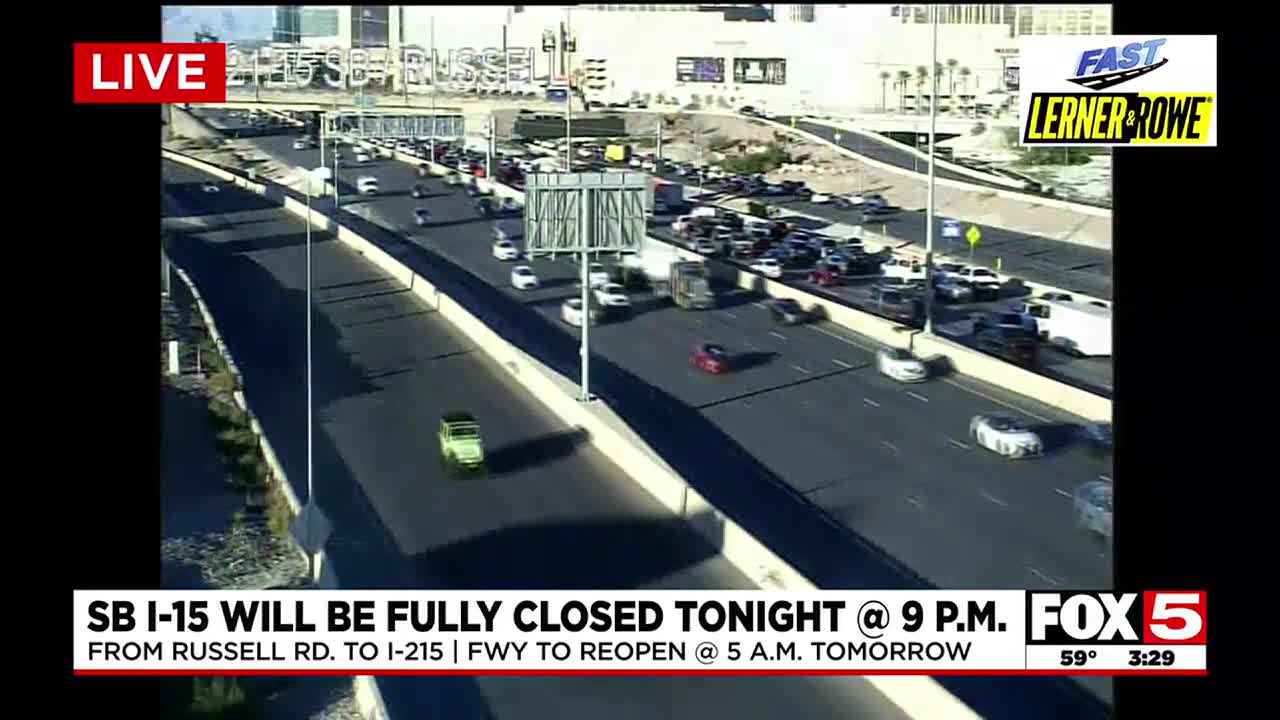
The affected segment of I-15 is typically concentrated in a specific area to streamline operations. Currently, the northbound lanes are closed between Russell Road and Spring Mountain Road. This is a particularly sensitive section, as it serves as a gateway to many resorts on the Las Vegas Strip, including iconic properties like the MGM Grand and Caesars Palace, as well as providing crucial access from Harry Reid International Airport. Southbound lanes are currently open but may experience slowdowns due to increased traffic on parallel surface streets. Travelers arriving from California (e.g., Los Angeles) or Arizona will encounter these northbound closures before reaching the heart of the city, necessitating early detours. Conversely, those heading north towards Utah and cities like St. George should anticipate residual delays even once past the immediate work zone as traffic reintegrates. While the general expectation is for the lanes to reopen promptly at the specified time, unforeseen circumstances such as inclement weather or complex engineering challenges can sometimes extend the duration. It’s always advisable to check real-time traffic updates just before beginning your journey.
Navigating the Entertainment Capital: Expert Detour Strategies
While an I-15 closure might initially seem daunting, Las Vegas is well-equipped with alternative routes and transportation options to help visitors and locals navigate the city effectively. With a little planning, your travel experience can remain smooth, allowing you to focus on the vibrant attractions and experiences that await.
Alternative Routes: Bypassing the Congestion
For travelers heading north through Las Vegas or needing to access points north of the closure, several alternative surface streets can serve as effective detours.
- For Northbound Traffic (coming from the south/airport): If you’re approaching Las Vegas from California or Harry Reid International Airport and need to reach destinations on or north of the Las Vegas Strip, consider exiting I-15 much earlier.
- Russell Road/Frank Sinatra Drive: This route is excellent for accessing the western side of the Las Vegas Strip and hotels like Aria Resort & Casino or Bellagio.
- Paradise Road/Swenson Street: These parallel roads run east of the Las Vegas Strip and are often used to bypass I-15 traffic, offering direct access to the eastern side of the Strip, convention centers, and Harry Reid International Airport departures.
- Decatur Boulevard / Valley View Boulevard: Further west, these are good options for those needing to travel north without hitting the immediate Strip area.
- For Southbound Traffic: While southbound I-15 lanes are generally open, anticipate heavy local traffic if you divert. Eastern Avenue and Paradise Road can be useful for reaching the airport or southern destinations without relying solely on the interstate.
- General Tip: For longer detours, utilizing Blue Diamond Road (State Route 160) can be effective for moving east-west in the southern part of the valley, helping to skirt some of the northern I-15 congestion. Always cross-reference with real-time navigation apps like Google Maps or Waze, which are invaluable for identifying the least congested routes dynamically. Local police and traffic management will also be present to guide drivers in key areas, so follow their directions.
Beyond Your Car: Public Transport and Ride-Share Solutions
Reducing reliance on personal vehicles during closures is often the smartest move for visitors to Las Vegas. The city offers several robust public transportation and ride-share alternatives.
- RTC Transit: The Regional Transportation Commission of Southern Nevada (RTC) operates an extensive bus network. The “Deuce on the Strip” bus runs 24/7 along Las Vegas Boulevard, connecting most major resorts and attractions from Downtown Las Vegas to the southern end of the Strip. While slower due to frequent stops, it offers a cost-effective way to get around without worrying about parking or detours.
- Monorail: For destinations along the eastern side of the Las Vegas Strip, the Las Vegas Monorail is an exceptionally efficient option. It runs from the MGM Grand at the south end up to the SAHARA Las Vegas at the north, making seven stops at major resorts. It provides a quick, elevated escape from surface street traffic, making it ideal for moving between hotels, shows, and dining reservations.
- Ride-Sharing Services (Uber/Lyft): Ride-sharing remains a popular choice. During I-15 closures, however, be prepared for increased demand, potential surge pricing, and longer wait times, especially during peak hours. Confirming your pickup and drop-off points clearly and being aware of local traffic patterns will help. It’s often strategic to use ride-shares for shorter distances or to connect to Monorail or bus stops from areas less served by direct public transport. Many hotels also offer shuttle services to key locations or the airport, so check with your accommodation directly.
Protecting Your Las Vegas Experience: Tourism and Lifestyle Adjustments
An I-15 closure might shift your immediate travel plans, but it certainly doesn’t have to diminish your Las Vegas experience. With a few adjustments, you can still enjoy the city’s unparalleled tourism offerings and unique lifestyle.
Impact on Hotels, Attractions, and Event Access
The immediate concern for many travelers is how the closure impacts access to their accommodation and planned activities. Hotels on the Las Vegas Strip, such as Caesars Palace, Bellagio, or Aria Resort & Casino, typically have multiple entry points. While direct access from I-15 might be hampered, follow local signage and detour instructions; hotel staff are often well-versed in guiding guests. Call your hotel directly for specific directions if you’re unsure.
Major event venues like Allegiant Stadium (home to the Las Vegas Raiders) and T-Mobile Arena (hosting concerts and sporting events) often see significant traffic before and after events. During an I-15 closure, it’s imperative to allow significant extra travel time, especially if you’re driving. Utilize ride-sharing services that might have designated drop-off points, or consider public transport options which can alleviate parking woes. Missing a show or a dinner reservation due to traffic delays is easily avoidable with proper planning and an early start. Many establishments understand these disruptions and may offer slight flexibility if you communicate proactively.
Embrace the Detour: Exploring Las Vegas’ Hidden Gems
A temporary disruption to conventional routes can be an excellent opportunity to explore Las Vegas beyond the usual tourist hotspots. The city and its surrounding areas offer a wealth of landmarks, natural beauty, and unique local experiences.
- Downtown Las Vegas: If your hotel is on the Strip but you want to escape traffic, head north to Downtown Las Vegas. The Fremont Street Experience offers a completely different vibe, with its famous light canopy, free concerts, and historic casinos. It’s easily accessible by the Deuce bus or a short ride-share trip.
- Natural Wonders: Just a short drive from the city (using alternative routes like Blue Diamond Road to head west), the Red Rock Canyon National Conservation Area provides a stunning contrast to the neon lights. With scenic drives, hiking trails, and incredible desert landscapes, it’s a perfect escape for nature lovers. For those with more time, a day trip to the iconic Hoover Dam and the expansive Lake Mead National Recreation Area offers a glimpse into engineering marvels and picturesque waterscapes. Even the majestic Grand Canyon is a feasible day trip if planned meticulously.
- Local Culture and Food: Explore neighborhoods like the Arts District for galleries, unique boutiques, and a burgeoning culinary scene. Many local eateries offer authentic Las Vegas flavors away from the high-end resort prices. Embracing these alternative activities allows you to experience the diverse lifestyle offerings of Las Vegas, turning a potential traffic headache into an opportunity for discovery.
Smart Travel: Preparing for Future Las Vegas Trips
While today’s I-15 closure might be a temporary inconvenience, understanding how to prepare for such events is crucial for any seasoned traveler to Las Vegas. Proactive planning can transform potential travel headaches into minor blips, ensuring your focus remains on enjoying your destination.
Staying Informed: Real-time Updates and Planning Resources
The most effective tool in navigating any road closure is timely and accurate information. Before and during your trip, make it a habit to check multiple sources for real-time traffic updates.
- Traffic Apps: Utilize popular navigation apps like Google Maps, Waze, or Apple Maps. These apps constantly pull data from various sources, including user reports, to provide the most up-to-date information on road closures, congestion, and estimated travel times, often suggesting alternative routes automatically.
- Official Sources: The Nevada Department of Transportation (NDOT) website (www.nevadadot.com) is an invaluable resource. They issue official alerts, provide detailed project timelines, and often have live traffic cameras you can view. Following NDOT’s social media channels can also provide quick updates.
- Local News: Tune into local Las Vegas news channels or their websites. They often provide localized coverage of traffic incidents and planned closures, complete with reporter insights and details about specific impacts on major areas like the Las Vegas Strip or Harry Reid International Airport.
- Hotel/Accommodation Updates: Many hotels in Las Vegas are proactive in informing guests about major local disruptions. Check their websites or call the concierge desk, especially if you’re arriving by car.

Strategic Booking and Itinerary Planning
Beyond immediate responses, smart travelers incorporate potential disruptions into their overall trip planning, especially when considering a destination like Las Vegas where infrastructure projects are ongoing.
- Accommodation Location: When booking your hotel or apartment, consider its proximity to your primary activities and evaluate different access points. If you plan to spend most of your time on the southern Strip, a hotel on that end might minimize the need to traverse the closure zone. Conversely, if Downtown Las Vegas or off-Strip attractions like Red Rock Canyon National Conservation Area are your focus, select accommodation accordingly.
- Flight and Drive Times: If driving into Las Vegas from California or Arizona, allow extra buffer time for your journey, particularly on weekends. If flying into Harry Reid International Airport, factor in potential delays for ground transportation to your hotel. Consider scheduling your arrival or departure outside of peak closure times if possible.
- Flexibility: Build flexibility into your itinerary. Don’t overschedule yourself, especially on days when you anticipate moving between different parts of the city. Having some wiggle room allows you to adjust to unexpected traffic and still enjoy all the experiences Las Vegas has to offer, from world-class shows to serene desert landscapes.
- Consider Public Transit for Key Events: For major events at Allegiant Stadium or T-Mobile Arena, look into dedicated shuttles or extended public transport services. Sometimes, walking or using the Las Vegas Monorail for part of your journey can be significantly faster than sitting in car traffic.
In conclusion, while an I-15 closure in Las Vegas today might alter your immediate plans, it’s a manageable situation with the right information and a proactive approach. These temporary disruptions are vital investments in the future of Las Vegas as a premier travel destination, ensuring smoother and safer journeys for years to come. By staying informed, utilizing alternative routes and transportation, and embracing the opportunity to explore new facets of the city, your trip to Las Vegas will remain unforgettable. The city’s resilient spirit and commitment to its visitors shine through, even amidst the orange cones and detour signs. Plan wisely, travel safely, and enjoy all the incredible experiences this unique city has to offer.
LifeOutOfTheBox is a participant in the Amazon Services LLC Associates Program, an affiliate advertising program designed to provide a means for sites to earn advertising fees by advertising and linking to Amazon.com. Amazon, the Amazon logo, AmazonSupply, and the AmazonSupply logo are trademarks of Amazon.com, Inc. or its affiliates. As an Amazon Associate we earn affiliate commissions from qualifying purchases.