
The question of whether the fires in Los Angeles are contained is a critical one, not just for the immediate safety of residents and the preservation of precious natural landscapes, but also for the millions of tourists who flock to this vibrant metropolis each year. As a global hub for entertainment, culture, and stunning natural beauty, Los Angeles is a cornerstone of the travel industry. The perception and reality of safety, particularly concerning wildfires, can significantly impact travel decisions, visitor numbers, and the overall economic health of the region’s tourism sector. This article delves into the multifaceted nature of fire containment in Los Angeles, examining the factors influencing it, the impact on tourism, and the ongoing efforts to mitigate future risks, thereby ensuring the city remains an attractive and accessible destination.

The Dynamic Landscape of Wildfire Containment in Los Angeles
Understanding wildfire containment in a sprawling urban-wildland interface like Los Angeles requires appreciating the complex interplay of environmental, logistical, and human factors. Unlike fires in more remote areas, these blazes often threaten populated areas, critical infrastructure, and iconic natural landmarks, demanding a swift and comprehensive response.
Environmental Variables: Fuel, Weather, and Topography
The propensity for fires to ignite and spread in Los Angeles is heavily influenced by its unique geography and climate. The region is characterized by dry, chaparral-covered hillsides that become highly flammable during the hot, dry summer and fall months, exacerbated by Santa Ana winds. These powerful offshore winds can rapidly transform a smoldering ember into an inferno, pushing flames towards residential neighborhoods and densely populated areas with alarming speed. The amount of dry vegetation, or “fuel,” present in these wildland-urban interface zones is a direct indicator of potential fire intensity and spread. Drought conditions, which have become more frequent and severe in Southern California, further desiccate this fuel, making it more susceptible to ignition. The mountainous terrain also plays a significant role, with steep slopes allowing fires to climb quickly and challenging access for firefighting crews.
Firefighting Strategies and Resource Deployment
The containment of wildfires in Los Angeles relies on sophisticated firefighting strategies and the coordinated deployment of extensive resources. When a fire ignites, the immediate priority is containment, which is measured by the percentage of the fire’s perimeter that is secured and no longer actively spreading. This is achieved through a multi-pronged approach involving ground crews, aerial support, and strategic firebreaks. Ground crews work to directly attack the fire’s edge, dousing flames with water and fire retardant, and building containment lines by clearing vegetation. Aerial assets, including helicopters and fixed-wing aircraft, are crucial for dropping water and retardant on hard-to-reach areas and for providing real-time intelligence to incident commanders. The Los Angeles County Fire Department and the Los Angeles Fire Department are primary responders, often supported by state and federal agencies like Cal Fire and the U.S. Forest Service when fires become particularly large or complex. The effectiveness of containment hinges on the speed of initial response, the availability of personnel and equipment, and favorable weather conditions that allow firefighters to gain the upper hand.
Technological Advancements in Fire Detection and Monitoring
In the ongoing battle against wildfires, technology plays an increasingly vital role in early detection, real-time monitoring, and effective resource management, all of which contribute to faster containment. Advanced sensor networks, including infrared cameras and smoke detectors, are being deployed in high-risk areas to provide immediate alerts when a fire is detected. Satellite imagery offers a broad overview of fire activity, allowing for rapid assessment of its scale and potential spread. Drones equipped with thermal imaging cameras provide detailed, up-close views of active fire fronts, enabling firefighters to identify hotspots and plan their attack more effectively. Predictive modeling software, which analyzes weather patterns, fuel moisture levels, and historical fire data, helps authorities anticipate where and when fires are most likely to occur, allowing for proactive resource positioning and public warnings. This technological integration enhances situational awareness, streamlines decision-making, and ultimately contributes to more rapid and efficient containment efforts.
Impact of Fires on Los Angeles Tourism: Beyond the Flames
Wildfires in Los Angeles cast a long shadow over its thriving tourism industry, impacting everything from visitor perceptions to the accessibility of popular attractions. The immediate aftermath of a fire can create a sense of unease, but the longer-term effects are often more nuanced.
Visitor Perceptions and Travel Decisions
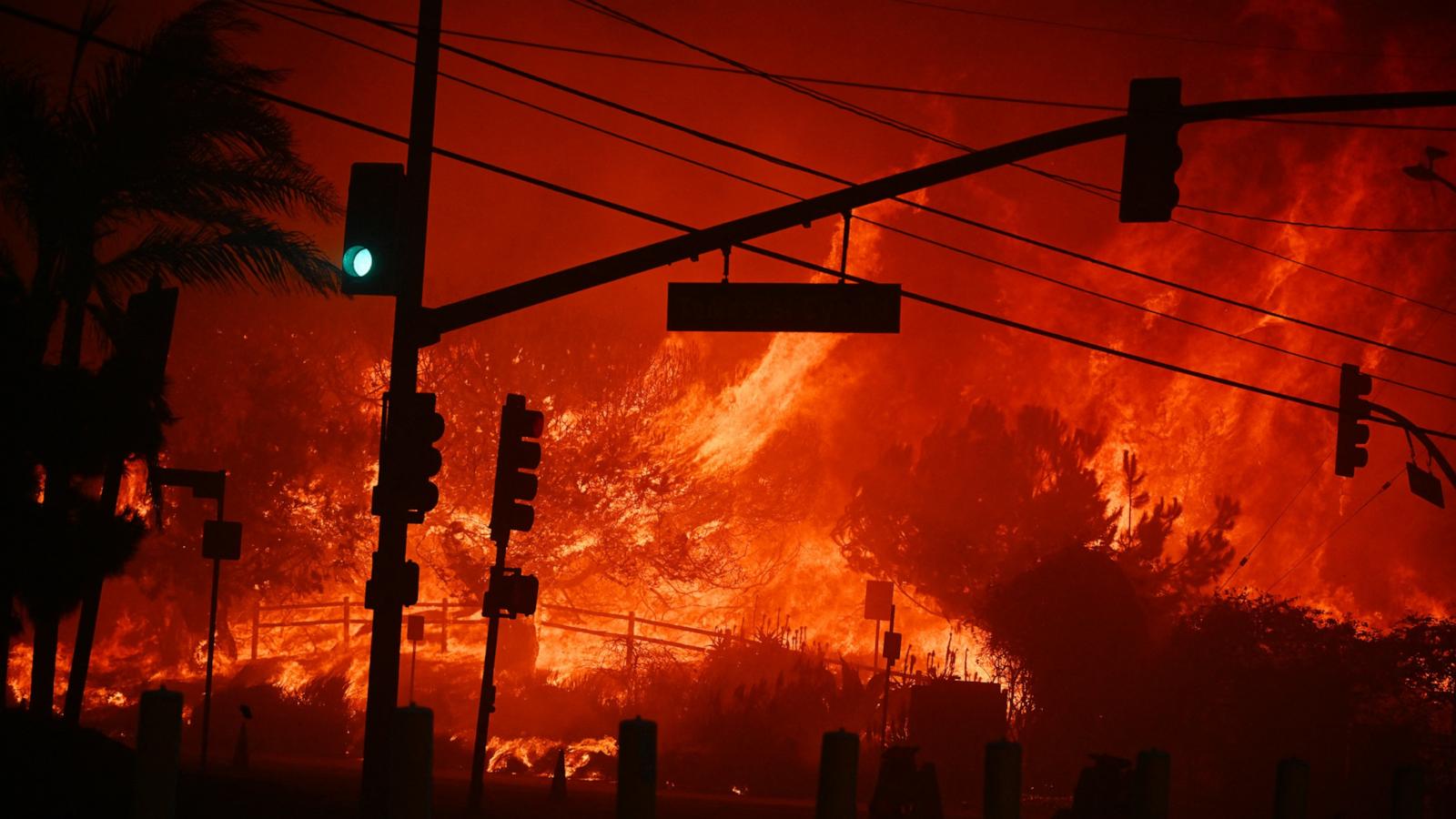
The news of significant wildfires can create a perception of danger and instability, potentially deterring tourists from booking trips to Los Angeles. While many travelers understand that fires are often localized, widespread media coverage can paint a broader picture of a city under siege. This can lead to cancellations or postponements of planned vacations, particularly for those who prioritize safety and a predictable travel experience. Conversely, some travelers might be drawn to experiencing a destination in the face of adversity, though this is less common. The presence of smoke, even miles from the fire’s origin, can also detract from the enjoyment of outdoor activities and sightseeing, leading to negative reviews and a diminished overall visitor experience.
Accessibility and Disruption to Attractions
The direct impact of fires on tourism lies in the disruption of access to iconic landmarks and popular attractions. Fires can lead to road closures, evacuation orders, and the closure of national parks and forests, such as Griffith Park or areas within the Santa Monica Mountains National Recreation Area. This directly affects tourist itineraries, preventing visitors from experiencing key sites they may have traveled specifically to see. The Getty Center, a major cultural attraction, has been threatened by fires in the past, highlighting the vulnerability of even well-established tourist destinations. Beyond the immediate closures, the lingering effects of smoke and ash can also impact air quality, making outdoor activities like visiting beaches or theme parks less appealing, even if the attractions themselves are physically unaffected.
Economic Repercussions for Local Businesses
The ripple effect of reduced tourism due to wildfire concerns extends to the local economy, impacting a wide range of businesses. Hotels, restaurants, tour operators, and retail establishments all rely on a steady stream of visitors. When fires deter travelers, these businesses experience a direct decline in revenue. This can lead to reduced staffing, slower business growth, and even permanent closures in some cases. The economic fallout can be particularly severe for businesses located in areas directly affected by fires or in close proximity to threatened natural attractions. Recovery efforts, while crucial for the community, often coincide with the need for economic revitalization, making the stability of the tourism sector paramount.
Mitigating Future Risks: A Proactive Approach for a Resilient Tourism Hub
Ensuring Los Angeles remains a premier tourist destination necessitates a proactive and sustained approach to wildfire mitigation. This involves not only immediate firefighting capabilities but also long-term strategies focused on prevention, community preparedness, and resilient infrastructure.
Community Preparedness and Education Initiatives
Engaging the local community and visitors in preparedness efforts is fundamental to reducing the impact of wildfires. Educational campaigns can inform residents and tourists about fire safety practices, the importance of clearing defensible space around homes and accommodations, and evacuation procedures. This includes providing clear guidelines on responsible behavior in fire-prone areas, such as adhering to fire restrictions, properly disposing of cigarettes, and being mindful of activities that could spark a blaze. For the tourism sector, this translates to ensuring that hotels and tour operators are equipped with up-to-date information to share with guests, and that emergency communication channels are robust and accessible to all. Proactive communication before and during travel can help manage expectations and ensure visitors are informed and prepared.
Land Management and Forest Health Practices
The health of the natural landscape is intrinsically linked to wildfire risk. Implementing effective land management and forest health practices in the wildland-urban interface is crucial for long-term fire prevention. This involves strategies such as controlled burns, which reduce the accumulation of dry vegetation, and selective thinning of trees and brush to create natural firebreaks. Restoring native plant species that are more resistant to fire and promoting biodiversity can also contribute to a healthier, more resilient ecosystem. For areas surrounding popular tourist attractions and the Hollywood Hills, these practices are particularly important to protect both natural beauty and human settlements. Investing in these sustainable land management techniques is an investment in the future of Los Angeles as a safe and appealing destination.

Infrastructure Resilience and Early Warning Systems
Building resilience into the region’s infrastructure and enhancing early warning systems are critical components of a comprehensive wildfire mitigation strategy. This includes strengthening power lines to reduce the risk of ignition from electrical faults, a known cause of many devastating fires. Developing sophisticated early warning systems that can detect fires in their nascent stages, coupled with rapid response protocols, is paramount. These systems should be integrated with public alert mechanisms that can quickly disseminate information to residents and tourists via mobile devices, emergency broadcasts, and social media. The goal is to create a seamless network of detection, communication, and response that minimizes the time it takes to contain a fire and reduces its potential to spread and cause significant damage to both lives and property, thereby safeguarding the appeal and accessibility of Los Angeles for travelers.
LifeOutOfTheBox is a participant in the Amazon Services LLC Associates Program, an affiliate advertising program designed to provide a means for sites to earn advertising fees by advertising and linking to Amazon.com. Amazon, the Amazon logo, AmazonSupply, and the AmazonSupply logo are trademarks of Amazon.com, Inc. or its affiliates. As an Amazon Associate we earn affiliate commissions from qualifying purchases.