
Los Angeles, the sprawling metropolis in Southern California, is renowned globally as a vibrant hub of entertainment, culture, and innovation. Millions flock to its shores annually, drawn by the allure of Hollywood glamour, pristine beaches in Santa Monica and Malibu, world-class museums like The Getty Center, and a diverse culinary scene that tantalizes every palate. From the iconic Hollywood Walk of Fame to the breathtaking views from Griffith Observatory, the city offers an unparalleled array of attractions and experiences for every type of traveler. However, like any major urban center, Los Angeles is also a dynamic stage for social and political discourse, sometimes manifesting in public protests. For visitors planning their dream trip, understanding the context of these demonstrations and their potential impact on their travel experience is essential.

While headlines might occasionally highlight large-scale gatherings, it’s crucial to contextualize these events within the vastness of the city. Protests in Los Angeles are typically localized, often focused on specific issues, and usually confined to particular areas, leaving the vast majority of tourist destinations undisturbed. This article aims to shed light on the common themes driving protests in the city, how they might intersect with the visitor experience, and practical advice for navigating Los Angeles safely and enjoyably during such times.
Unpacking the Motivations: Common Themes Behind Protests
The rich tapestry of Los Angeles society, with its immense diversity and significant economic disparities, often serves as a backdrop for various social and political movements. Protests are a fundamental part of democratic expression and reflect the concerns of different communities within the city. For a traveler, understanding these underlying issues can offer a deeper appreciation of the city’s complex identity beyond its glossy facade.
Social Justice and Civil Rights Issues
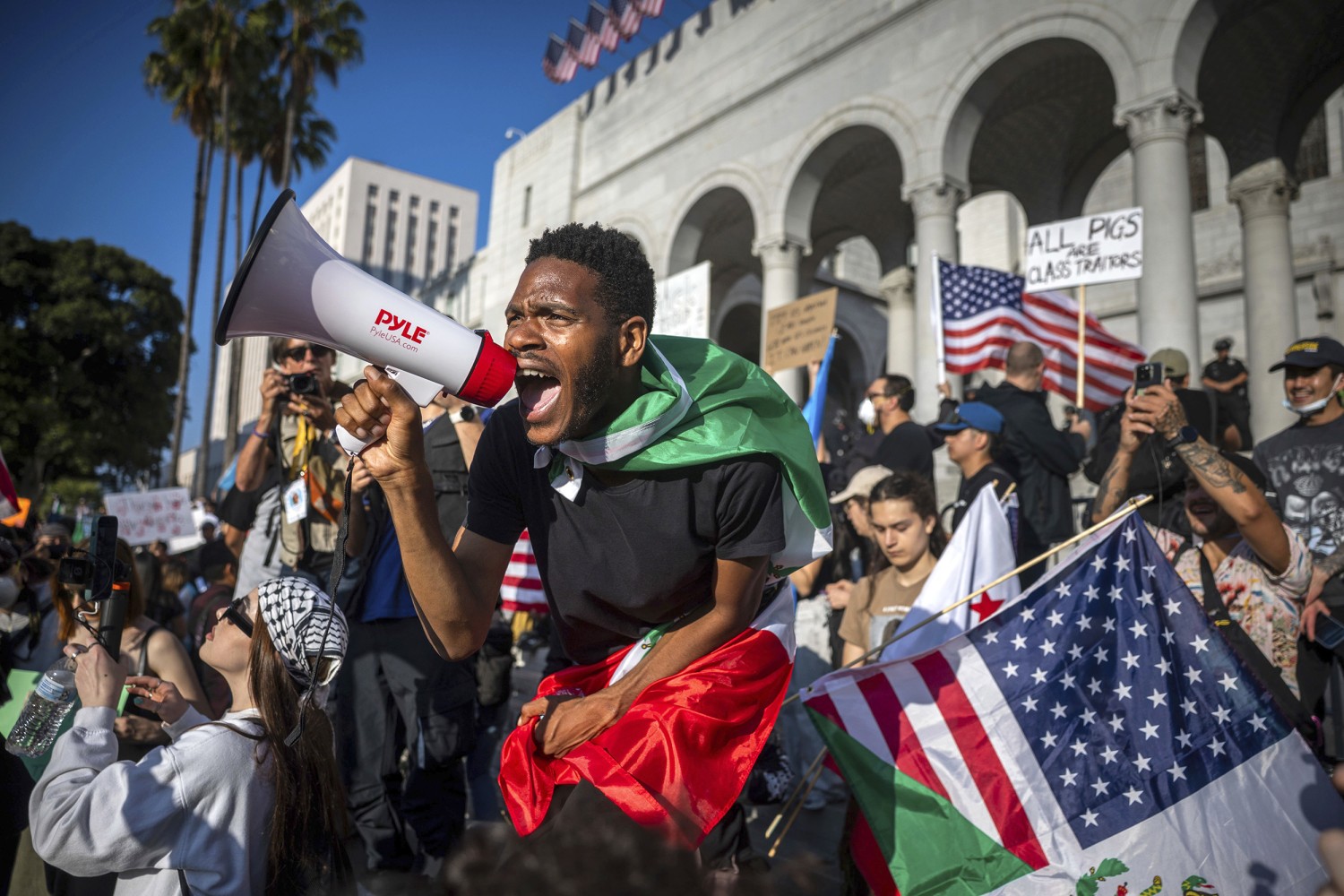
Many demonstrations in Los Angeles revolve around issues of social justice and civil rights. The city has a long history of activism, from the civil rights movement to contemporary struggles for racial equality. Protests related to police accountability, systemic discrimination, and broader calls for justice often draw large crowds. These movements are typically driven by community groups and advocates seeking reforms and greater equity for marginalized populations. Events related to national conversations on race, immigration, or gender equality frequently find a passionate response among Los Angeles residents, leading to public gatherings. For example, protests may gather near government buildings in Downtown Los Angeles or march through iconic boulevards.
Economic Inequality and Labor Rights
As a city with both immense wealth and significant poverty, Los Angeles is often a focal point for discussions on economic inequality. Labor unions, workers’ rights organizations, and advocates for affordable housing frequently organize protests to demand better wages, improved working conditions, and solutions to the city’s housing crisis. You might encounter demonstrations related to specific industries, such as hospitality or entertainment, where workers are advocating for fair contracts. These protests are often concentrated around corporate headquarters, major convention centers like the Los Angeles Convention Center, or specific workplaces, occasionally impacting local traffic and business operations in commercial districts. The cost of living in Los Angeles is notoriously high, fueling much of the public discourse around these issues.
Environmental Concerns and Public Policy
Given California’s proactive stance on environmental protection, it’s not uncommon to see protests in Los Angeles addressing climate change, air quality, water conservation, and other environmental issues. Activists may rally against specific development projects, advocate for sustainable policies, or draw attention to global climate emergencies. These demonstrations often occur near city hall, oil refineries, or areas directly impacted by environmental concerns. While less frequent than social or economic protests, they highlight the city’s commitment to ecological stewardship and its role in broader environmental movements.
Navigating the City: Impact on Travel and Tourism
While protests are a part of urban life, their presence can understandably raise questions for visitors. It’s important to differentiate between the localized nature of most protests and the overall safety and accessibility of Los Angeles as a prime tourist destination. The city and its hospitality sector are well-versed in managing such events, ensuring that visitors can continue to enjoy their stay with minimal disruption.

Key Areas and Tourist Hotspots
Many protests in Los Angeles tend to concentrate in areas of high visibility and symbolic significance. Downtown Los Angeles is a common focal point, particularly around City Hall, the Civic Center, and popular gathering spots like Pershing Square. Major thoroughfares such as Wilshire Boulevard or segments of Hollywood Boulevard might be used for marches. While these areas are home to numerous attractions, including the Walt Disney Concert Hall, the Grand Central Market, and various theaters, disruptions are often temporary and limited to specific blocks.
Tourist hubs like Universal Studios Hollywood, Disneyland Resort (though technically in Anaheim, it’s a major draw for LA visitors), Santa Monica Pier, and museums like the Los Angeles County Museum of Art (LACMA) are rarely direct sites of protest activity. Upscale neighborhoods such as Beverly Hills and West Hollywood might occasionally see smaller, targeted demonstrations, but these are typically peaceful and do not interfere with the general tourist experience or the operation of luxury hotels like The Beverly Hills Hotel or Chateau Marmont.
Advice for Travelers: Safety and Planning
For visitors, staying informed and planning ahead is key to a seamless experience.
- Stay Informed: Before and during your trip, check local news outlets (e.g., Los Angeles Times, KTLA) for updates on any planned demonstrations or traffic advisories. Social media can also provide real-time information, but always cross-reference with reputable sources.
- Consult Your Hotel: Hotel staff, particularly those at major establishments like The Biltmore Los Angeles or Hotel Figueroa in Downtown LA, are excellent resources. They often have the most up-to-date information on local conditions and can advise on alternative routes or attractions.
- Transportation Alternatives: If you anticipate traffic disruptions in certain areas, consider using Los Angeles’ extensive public transport system, including the Metro Rail and bus lines. Ride-sharing services are also available but might be affected by road closures.
- Maintain Awareness: While protests in Los Angeles are generally peaceful, it’s always wise to be aware of your surroundings. If you encounter a demonstration, maintain a respectful distance, avoid engaging with participants, and follow any instructions from law enforcement. The Los Angeles Police Department often provides public safety advisories.
- Flexibility in Itinerary: Build some flexibility into your travel plans. If a specific area is experiencing temporary disruption, Los Angeles offers a myriad of alternative attractions. For instance, if Downtown LA is busy, perhaps explore the cultural offerings of Koreatown or the beaches of Manhattan Beach.
The Resilience of Los Angeles: Beyond the Headlines
Despite occasional public demonstrations, Los Angeles remains an incredibly safe and welcoming destination for travelers. The city’s spirit of resilience and its ability to continually evolve are part of what makes it so captivating. The hospitality industry, from boutique hotels like The Line Hotel to grand resorts, is committed to providing exceptional experiences regardless of local events.
The Role of Local Businesses and Hospitality
Local businesses, including hotels, restaurants, and tour operators, are vital to the city’s tourism ecosystem. They often adapt quickly to local conditions, offering guests updated information and flexible services. Many establishments actively support their communities, fostering a strong local spirit that ultimately benefits visitors. For example, during significant events or disruptions, hotels might offer special amenities or shuttle services to help guests navigate. The vibrant culinary scene, from food trucks to Michelin-starred restaurants, continues to thrive, offering diverse flavors across the city, largely unaffected by localized protests.
Exploring Alternative Attractions and Experiences
One of the great strengths of Los Angeles is its sheer size and diversity, meaning there’s always an alternative. If Downtown Los Angeles is experiencing a large gathering, consider a day trip to the Huntington Library, Art Museum, and Botanical Gardens in San Marino, or explore the charming shops and eateries in Old Town Pasadena. The coastal cities, from Long Beach to Ventura, offer distinct vibes and attractions. For sports enthusiasts, catching a game at Dodger Stadium or the Crypto.com Arena (formerly Staples Center) might be an option. The city’s numerous parks, hiking trails in the Santa Monica Mountains, and unique neighborhoods like Silver Lake or Venice Beach provide endless opportunities for exploration away from potential protest routes.
In conclusion, while protests in Los Angeles are an intrinsic part of its dynamic urban landscape, they are typically focused, temporary, and do not define the overall visitor experience. By staying informed, remaining flexible, and leveraging the resources available, travelers can confidently plan their trips and immerse themselves in all the wonders the City of Angels has to offer, from its iconic landmarks and world-class accommodation to its vibrant local culture and unparalleled lifestyle opportunities. The spirit of Los Angeles endures, welcoming millions to discover its magic, regardless of the temporary shifts in its social narrative.
LifeOutOfTheBox is a participant in the Amazon Services LLC Associates Program, an affiliate advertising program designed to provide a means for sites to earn advertising fees by advertising and linking to Amazon.com. Amazon, the Amazon logo, AmazonSupply, and the AmazonSupply logo are trademarks of Amazon.com, Inc. or its affiliates. As an Amazon Associate we earn affiliate commissions from qualifying purchases.