
For most travelers, the quintessential image of Los Angeles is bathed in an endless, golden sunshine. It’s a city synonymous with clear skies, pristine beaches, and the kind of weather that makes outdoor living a year-round delight. This enduring perception often leads visitors to overlook the possibility of rain entirely. Yet, as with any major metropolis, Los Angeles does experience rainfall, and when it does, it can transform the cityscape, offering a unique perspective for those fortunate enough to witness it. The question of “When was the last time it rained in Los Angeles?” isn’t just about meteorology; it’s about understanding the rhythm of a city that constantly redefines itself, even under a rare cloud cover.

A rainy day in LA is more than just a weather event; it’s an experience that can alter travel plans, influence accommodation choices, and reveal a different facet of Southern California life. While sunshine is undoubtedly the norm, preparing for and even embracing the occasional shower can enrich your journey, allowing you to explore the city’s vast array of indoor attractions, cozy culinary spots, and even witness its famous landmarks under a rare, reflective sheen. This article delves into the climate of Los Angeles, explores how rain influences tourism and lifestyle, and provides practical advice for travelers looking to make the most of their visit, come rain or shine.
The Rarity and Reality of Rain in the City of Angels
Los Angeles operates on a distinct meteorological rhythm, largely dictated by its geographical position. While sunshine dominates the forecast for a significant portion of the year, the arrival of rain, however infrequent, is a crucial element of the region’s delicate ecological balance and an interesting deviation for visitors. Understanding this unique climate is key to appreciating both its sunny reputation and its occasional wet interludes.
Understanding Los Angeles’ Unique Climate
Los Angeles is famous for its Mediterranean climate, characterized by hot, dry summers and mild, wet winters. This pattern is primarily influenced by the Pacific Ocean and the region’s mountain ranges, which collectively act to block moisture-laden systems for much of the year. The annual rainfall averages for Downtown Los Angeles typically hover around 15 inches, with the vast majority of this precipitation occurring between November and March. Summers, by contrast, are almost entirely rain-free, making the sight of a summer shower a truly remarkable and newsworthy event.
This distinct seasonality means that if you’re visiting between April and October, the chances of encountering rain are remarkably slim. Tourists flock to the city during these months, drawn by the promise of uninterrupted sunshine, perfect for beach days in Santa Monica or hiking in the Hollywood Hills. However, a winter visit, while still predominantly sunny, introduces a higher probability of experiencing one of LA’s celebrated “rain events.” These aren’t typically prolonged downpours but rather sporadic, intense bursts of rain that can quickly transform arid landscapes into vibrant, temporarily lush environments.
A Historical Perspective on Los Angeles Rainfall Patterns
Los Angeles’ rainfall patterns are not only seasonal but also subject to larger climatic phenomena, most notably El Niño and La Niña. El Niño years often bring above-average rainfall, sometimes leading to significant storm systems that can cause localized flooding and mudslides, especially in areas prone to wildfires. Conversely, La Niña years tend to exacerbate drought conditions, underscoring California’s perpetual dance with water scarcity.
The city has experienced several notable dry spells and exceptionally wet winters over the decades. Recent years have seen varying fortunes, with some winters bringing much-needed atmospheric rivers that replenish reservoirs and ease drought concerns, while others have continued the trend of parched landscapes. These fluctuations make the exact timing of the “last rain” a dynamic answer, often varying by just a few days or weeks depending on the specific reporting station within the sprawling metropolis. For visitors, this historical context means that while the city usually promises sunshine, checking the forecast for winter trips is always a wise precaution, just in case one of these larger weather patterns decides to make its presence felt. A rare rainy day offers a unique glimpse into the city’s resilience and its profound connection to water, a resource often taken for granted in more verdant climates.
Embracing a Rainy Day: Unique Los Angeles Experiences
While the initial instinct for travelers might be to bemoan a rainy day in Los Angeles, smart visitors understand it’s an opportunity to discover an entirely different side of the city. Far from being a hindrance, a rare shower can actually enhance certain experiences, allowing you to dive deeper into LA’s rich cultural tapestry and vibrant indoor scenes without the usual crowds.
Discovering Los Angeles’ Premier Indoor Attractions
Los Angeles boasts an unparalleled collection of world-class museums, performance venues, and shopping districts, making it an ideal destination for a rainy day. Instead of heading to the beach, consider immersing yourself in art, history, and retail therapy.
One of the most popular choices is the Getty Center, with its stunning architecture, expansive art collection, and breathtaking views (even if partially obscured by clouds, the effect can be quite dramatic). Similarly, the Los Angeles County Museum of Art (LACMA) offers a vast array of exhibits, from ancient artifacts to modern masterpieces, providing hours of engaging exploration. Nearby, The Broad contemporary art museum, with its iconic “veil and vault” design, is another excellent option, often requiring advance booking but well worth the effort for its captivating collections. Even the Griffith Observatory, typically renowned for its stargazing opportunities and panoramic city views, offers fascinating indoor exhibits on astronomy and science that can easily fill a rainy afternoon.
For those interested in performing arts, a tour or performance at the Walt Disney Concert Hall, an architectural marvel designed by Frank Gehry, provides an inspiring indoor experience. Shoppers will find solace and style along Rodeo Drive in Beverly Hills, where luxury boutiques offer an exclusive retail experience, or at one of LA’s many upscale indoor malls like Westfield Century City.
Foodies can embark on a culinary adventure at Grand Central Market in Downtown Los Angeles, where a diverse range of vendors serves up everything from gourmet tacos to artisanal pastries under one historic roof. For a more relaxed experience, duck into a cozy coffee shop in Silver Lake or explore the shelves of The Last Bookstore, a literary wonderland also located downtown. These indoor havens allow visitors to fully appreciate Los Angeles’ rich cultural and gastronomic landscape, making a rainy day feel less like a setback and more like an opportunity.
Outdoor Activities with a Different Perspective
While traditional outdoor activities might seem out of the question on a rainy day, some of Los Angeles’s iconic outdoor attractions can take on a surprisingly atmospheric charm during a light shower or immediately after. The city, usually bathed in harsh sunlight, softens under cloudy skies, offering unique photographic opportunities and a more serene ambiance.
The Santa Monica Pier, often bustling with crowds, can feel beautifully melancholic on a drizzly day. The soft light, the reflective wet boards, and the fewer people create a different, perhaps more intimate, connection with this landmark. Similarly, a walk along the Venice Beach boardwalk, with its eccentric characters and vibrant street art, becomes an even more surreal experience as the colors pop against the grey backdrop and the usual throngs thin out. Just be sure to wear appropriate footwear and rain gear.
For those with a rental car, scenic drives through the Hollywood Hills or along the coastal roads of Malibu can be spectacular. The rain-washed air often brings a crisp clarity to the views, and the fog rolling in from the Pacific Ocean can create dramatic, moody landscapes that are rarely seen. Just exercise caution on wet, winding roads.

Even Universal Studios Hollywood or Disneyland, typically jam-packed, can see reduced crowds on a rainy day. While some outdoor rides might temporarily close, many indoor attractions and shows continue as planned, offering a chance to experience these world-famous theme parks with shorter wait times and a unique, less frenetic energy. A rainy day doesn’t mean canceling your plans; it means adapting them to uncover unexpected joys and a refreshed perspective of Los Angeles.
Planning Your Los Angeles Trip: Preparing for All Weather
While Los Angeles is celebrated for its consistently sunny disposition, an astute traveler prepares for all possibilities. Accounting for the rare rainy day can significantly enhance your trip, ensuring comfort and continued enjoyment regardless of what the weather brings. From selecting the right accommodation to packing strategically, a little foresight goes a long way.
Choosing the Right Accommodation for Any Forecast
When planning your stay in Los Angeles, consider how your chosen accommodation could serve as a sanctuary on a rainy day. Opting for hotels with robust indoor amenities can transform a potential washout into a luxurious retreat. Look for properties that offer excellent on-site dining options, cozy bars, state-of-the-art spas, indoor pools, or even in-room entertainment systems that make staying in a pleasure.
Luxury hotels, particularly in areas like Beverly Hills or Downtown Los Angeles, often excel in this regard. Places like the Four Seasons Hotel Los Angeles at Beverly Hills, The Peninsula Beverly Hills, or The Ritz-Carlton, Los Angeles provide an array of amenities that can make a rainy day feel like an intentional indulgence. Imagine a spa treatment, a gourmet meal with city views, or simply lounging in a lavish suite, completely detached from the weather outside. These establishments are designed for comfort and luxury, ensuring your trip remains uninterrupted by atmospheric changes.
Even budget-friendly options can offer a cozy reprieve. Many boutique hotels in neighborhoods like Silver Lake or Downtown Los Angeles, such as the Ace Hotel Downtown Los Angeles or Kimpton Everly Hotel near Hollywood, feature stylish lobbies perfect for reading, on-site cafes, and comfortable rooms that serve as a welcoming haven. For families, properties with indoor play areas or family-friendly activities can be a lifesaver. When booking, check the hotel’s website or reviews for mentions of indoor amenities and services that cater to inclement weather.
Essential Packing for Los Angeles’ Varied Weather
Packing for Los Angeles involves more than just swimwear and shorts, especially if visiting during the wetter winter months. The key is layering and versatility. While the rain might be sporadic, preparing for it will ensure you remain comfortable and dry.
Firstly, a lightweight, waterproof jacket or a stylish trench coat is an absolute must-have. It should be easy to pack and capable of protecting you from sudden showers. An umbrella, while often overlooked by locals, can be a practical addition for visitors. Secondly, comfortable, waterproof walking shoes are essential. Many of LA’s attractions involve significant walking, and wet feet can quickly dampen your spirits. Opt for stylish boots or sneakers that can handle both dry and wet conditions.
Layers are crucial for Los Angeles’s diverse microclimates and fluctuating temperatures, even on a rainy day. Mornings can be cool, while afternoons might warm up, even with cloud cover. A mix of long-sleeved tops, sweaters, and light jackets allows you to adapt to changes throughout the day.
Finally, while public transport in Los Angeles has improved, a rental car remains the most convenient way to explore the sprawling city, particularly when the weather is less than ideal. Navigating the city by car allows you to stay dry and reach indoor attractions with ease, bypassing the inconvenience of waiting for rideshares or public transit in the rain. Always check the forecast before heading out each day, but remember that even with the best planning, Los Angeles’ weather can occasionally surprise you, making adaptability your best travel companion.
The Broader Significance of Rain in Los Angeles
Beyond its immediate impact on travel plans and daily routines, rain in Los Angeles carries a profound significance, touching upon critical environmental issues and revealing a surprisingly different aesthetic of the famously sun-drenched city. A rare rainy day serves as a stark reminder of nature’s power and the delicate balance that sustains life in this arid region.
Water Conservation and the California Drought
The arrival of rain in Los Angeles is often met with a collective sigh of relief, not just for its atmospheric charm but for its vital role in addressing the perennial challenge of water scarcity. California has long grappled with drought conditions, making every drop of rainfall incredibly precious. The state relies heavily on snowmelt from the Sierra Nevada mountains and sporadic winter storms to replenish its reservoirs and groundwater basins.
When rain falls in Los Angeles, it’s more than just an inconvenience for tourists; it’s a critical component of the region’s water supply strategy. It signals a temporary reprieve from intense water conservation efforts and brings a much-needed flush to the dry riverbeds and urban landscapes. For locals, a rainy day reinforces the ongoing dialogue about sustainable water management, responsible consumption, and the immense value of this finite resource. Travelers observing this phenomenon gain a deeper understanding of the environmental challenges and triumphs faced by this vibrant metropolitan area, adding another layer of appreciation for their visit. The contrast between a fleeting rainy day and the long-term struggle for water is a powerful, humbling lesson.
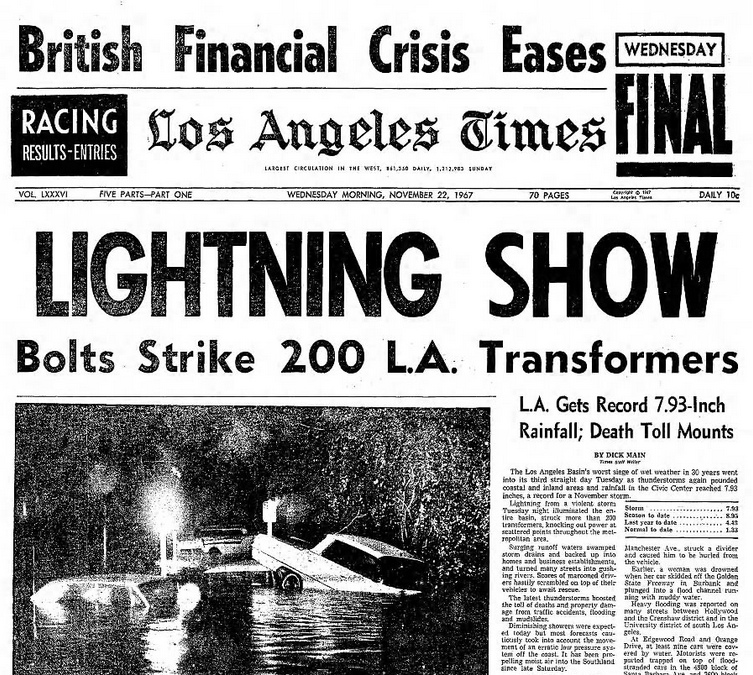
A Different Side of the City of Angels
While most postcards depict Los Angeles under a brilliant blue sky, the city takes on a unique and often breathtaking beauty when veiled in rain. The usual haze dissipates, leaving the air remarkably clear, making the distant San Gabriel Mountains appear sharply defined and vibrant. The city’s often stark concrete and asphalt landscapes become reflective surfaces, mirroring the neon lights of Hollywood or the glittering towers of Downtown Los Angeles in mesmerizing patterns.
The vibrant flora, usually fighting against the dry heat, responds immediately to the moisture, with colors becoming more intense and foliage appearing lusher. Even the urban environment seems to quiet down, replacing the usual cacophony with the soothing rhythm of raindrops. This tranquil transformation offers photographers and contemplative travelers a rare opportunity to capture and experience a more serene, almost melancholic, aspect of the “City of Angels.”
Locals, accustomed to the sunshine, react to rain in various ways. Some embrace it, enjoying the novelty of a cozy day indoors or venturing out to see the city’s landmarks in a new light. Others might find the sudden shift in traffic patterns and outdoor plans a minor disruption. For visitors, however, witnessing Los Angeles under a rare shower provides an exclusive glimpse into its multifaceted character – a city that, despite its glitzy image, remains deeply connected to the natural elements that shape its existence. It’s an invitation to pause, reflect, and appreciate the unexpected beauty that emerges when the sun temporarily steps aside.
In conclusion, while the question “When was the last time it rained in Los Angeles?” might imply a dry, sun-drenched existence, the reality is more nuanced. Rain is an infrequent yet vital part of the city’s climate, bringing with it both practical considerations for travelers and a unique, often beautiful, perspective on LA life. By understanding its climate, embracing its indoor attractions, preparing strategically, and appreciating its broader significance, visitors can transform a rare rainy day from a potential setback into an unforgettable highlight of their Los Angeles adventure.
LifeOutOfTheBox is a participant in the Amazon Services LLC Associates Program, an affiliate advertising program designed to provide a means for sites to earn advertising fees by advertising and linking to Amazon.com. Amazon, the Amazon logo, AmazonSupply, and the AmazonSupply logo are trademarks of Amazon.com, Inc. or its affiliates. As an Amazon Associate we earn affiliate commissions from qualifying purchases.