
Louisiana, a state steeped in an unparalleled blend of history, culture, and natural beauty, stands as a vibrant testament to the melting pot of influences that shaped the United States. Often referred to as the “Pelican State,” Louisiana is not just a geographical location; it’s an experience, a living, breathing entity defined by its soulful music, tantalizing cuisine, festive spirit, and a landscape that ranges from bustling urban centers to serene, cypress-lined bayous. For any traveler seeking an immersive journey into a truly unique corner of the world, Louisiana offers an itinerary filled with unforgettable discoveries. From its iconic cities to its tranquil wetlands, and from the deep roots of its Creole and Cajun heritage to the rhythms of jazz echoing through historic streets, understanding what makes Louisiana famous is to unlock a treasure chest of American identity. It’s a place where every meal tells a story, every song stirs the soul, and every encounter leaves an indelible mark.
The Soulful Symphony of Louisiana: Culture, Music, and Festivals
At the very heart of Louisiana’s fame lies its profound and multifaceted culture, a vibrant tapestry woven from threads of French, Spanish, African, Native American, and Caribbean influences. This rich heritage manifests itself in every aspect of life, from architectural styles to local dialects, creating an atmosphere found nowhere else on Earth.
A Tapestry of Cultures: New Orleans, Cajun Country, and Beyond
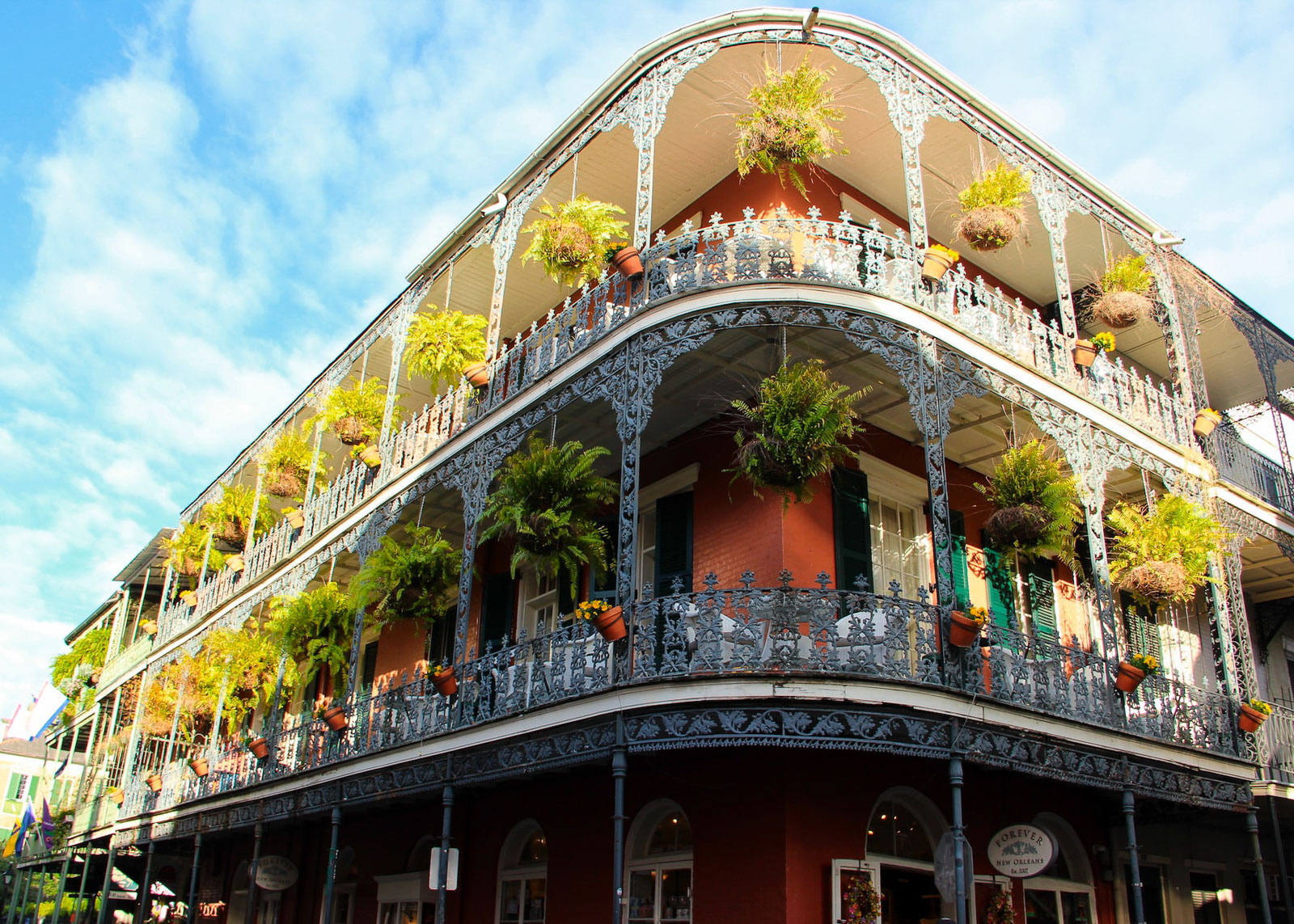
The undisputed cultural capital of Louisiana is New Orleans, often hailed as the “Crescent City” for the bend in the Mississippi River that cradles it. New Orleans is a city of unparalleled charm, where the vibrant past melds seamlessly with a lively present. Its historic French Quarter, with its intricate wrought-iron balconies, gas lamps, and centuries-old buildings, is a living museum, inviting visitors to wander its cobblestone streets and soak in the atmosphere. The Garden District, with its majestic antebellum mansions and lush oak-lined avenues, offers a contrasting yet equally captivating glimpse into the city’s opulent history. Beyond New Orleans, the cultural landscape expands dramatically into Cajun Country, primarily centered around the city of Lafayette. Here, the descendants of Acadian exiles from Canada have preserved a distinct language, music, and way of life that is fiercely proud and incredibly welcoming. Towns like Houma and along the Bayou Teche offer authentic experiences of swamp life and Cajun hospitality, far removed from the urban bustle. The state capital, Baton Rouge, blends political history with southern charm, featuring impressive landmarks like the Louisiana State Capitol and Louisiana’s Old State Capitol. Further north, cities like Shreveport and Monroe showcase a different facet of Louisiana, leaning more towards a Texan-Southern influence, yet still retaining that undeniable Louisiana flair.
The Rhythmic Heartbeat: Jazz, Blues, and Zydeco
Louisiana’s musical legacy is as rich and complex as its cultural heritage. New Orleans is unequivocally the birthplace of jazz, a genre that has captivated audiences worldwide. Walking through the French Quarter, the impromptu sounds of a trumpet or a soulful saxophone spilling from a jazz club are a constant reminder of this profound musical heritage. Legendary artists like Louis Armstrong and Jelly Roll Morton honed their craft in these very streets, and their spirit continues to infuse the city’s vibrant live music scene. Beyond jazz, the blues have deep roots in Louisiana, particularly in the areas along the Mississippi River and around Baton Rouge. This raw, emotional music often tells stories of hardship and resilience, forming a crucial part of the state’s musical narrative. In Cajun Country, an entirely different sound takes center stage: Zydeco. This lively, accordion-driven music, infused with elements of rhythm and blues, creole folk, and Cajun music, is designed for dancing. Its infectious rhythms are an integral part of community gatherings, fais do-dos (Cajun dance parties), and festivals, embodying the joyful and resilient spirit of the Acadian people. The music of Louisiana is more than just entertainment; it is a living history, a cultural expression that resonates with the soul of the state.
A Calendar of Celebration: Iconic Festivals
No discussion of Louisiana’s fame would be complete without mentioning its legendary festivals. The most famous of these is undoubtedly Mardi Gras in New Orleans, a spectacle of parades, costumes, music, and revelry that culminates on Fat Tuesday before the start of Lent. Millions flock to the city each year to witness the vibrant krewes, catch beads, and experience an atmosphere of unbridled joy and tradition. While New Orleans hosts the largest celebration, Mardi Gras is celebrated with unique local traditions across the state, from the rural courir de Mardi Gras in Cajun Country to smaller parades in other cities.
Another cornerstone of Louisiana’s festival circuit is the New Orleans Jazz & Heritage Festival, affectionately known as Jazz Fest. This annual spring event is a world-renowned celebration of music, food, and culture, featuring hundreds of artists across various genres, from jazz and blues to gospel, R&B, and rock. It’s a true feast for the senses, where the air is thick with the aroma of local delicacies and the sounds of incredible talent. In Lafayette, the Festival International de Louisiane offers a different but equally captivating experience, showcasing music, art, and culture from Francophone countries around the world, reflecting Louisiana’s deep French roots. These and countless other local festivals throughout the year highlight the state’s love for celebration, community, and the vibrant expression of its diverse heritage.
A Culinary Journey: Savoring Louisiana’s Flavors
If Louisiana has a second heart, it beats in its kitchens. The state’s cuisine is legendary, drawing food enthusiasts from around the globe to sample its distinctive flavors. Louisiana cooking is a gastronomic adventure, a masterful fusion of global influences that results in dishes that are both comforting and exhilarating.
Creole and Cajun Masterpieces
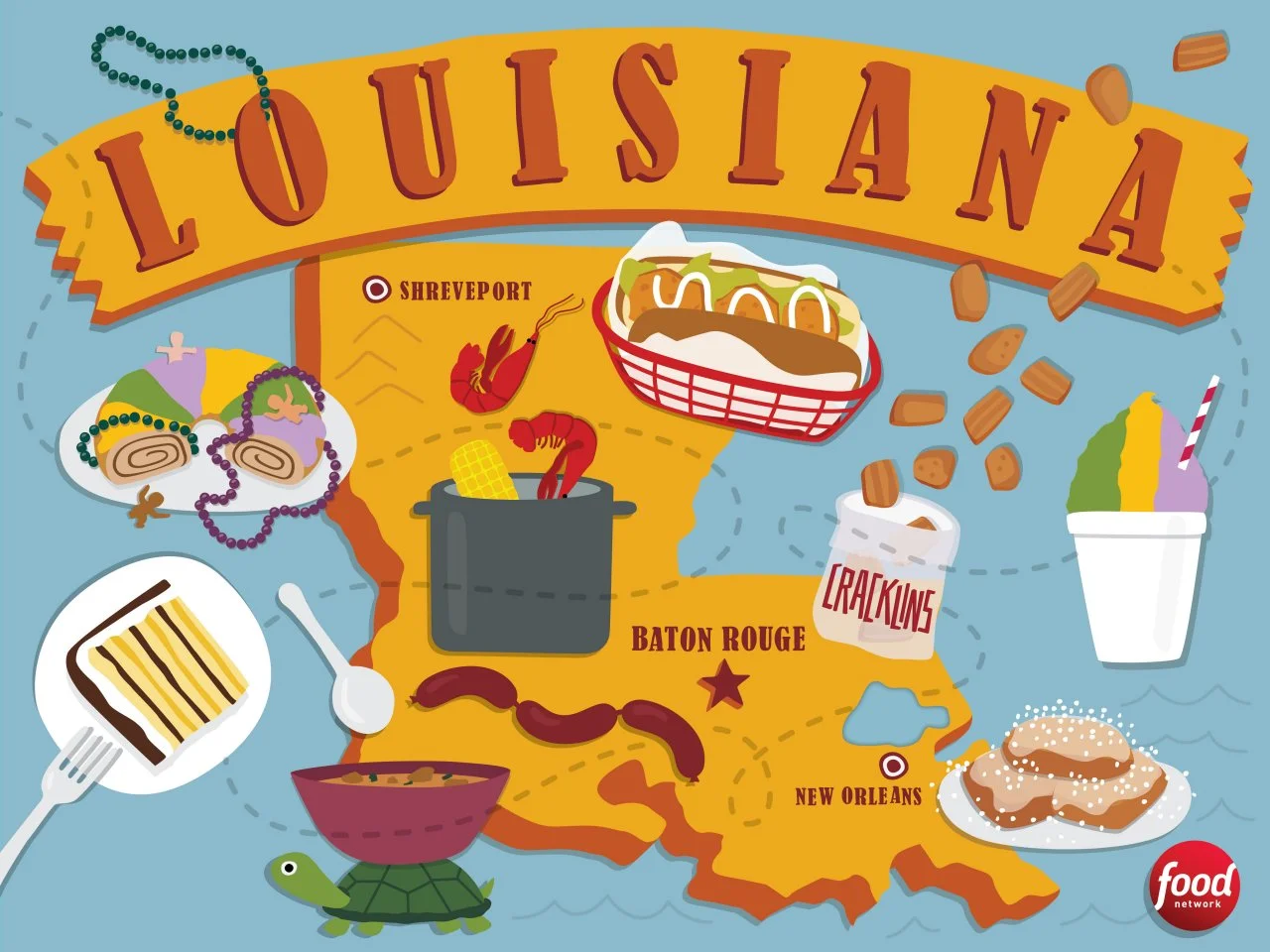
The two pillars of Louisiana cuisine are Creole and Cajun, distinct yet often intertwined styles that tell the story of the state’s history. Creole cuisine, born in the kitchens of New Orleans, is often described as “city food.” It’s sophisticated and incorporates influences from French, Spanish, African, and Caribbean culinary traditions, utilizing rich sauces, tomatoes, and a wider array of spices. Signature Creole dishes include the iconic gumbo (often with a roux base, sausage, and seafood), rich jambalaya (a rice dish cooked with meat and vegetables), and étouffée (a shellfish stew typically served over rice). Seafood, abundant from the Gulf of Mexico and the state’s numerous waterways, plays a starring role in Creole cooking, appearing in everything from shrimp creole to oyster po’boys.
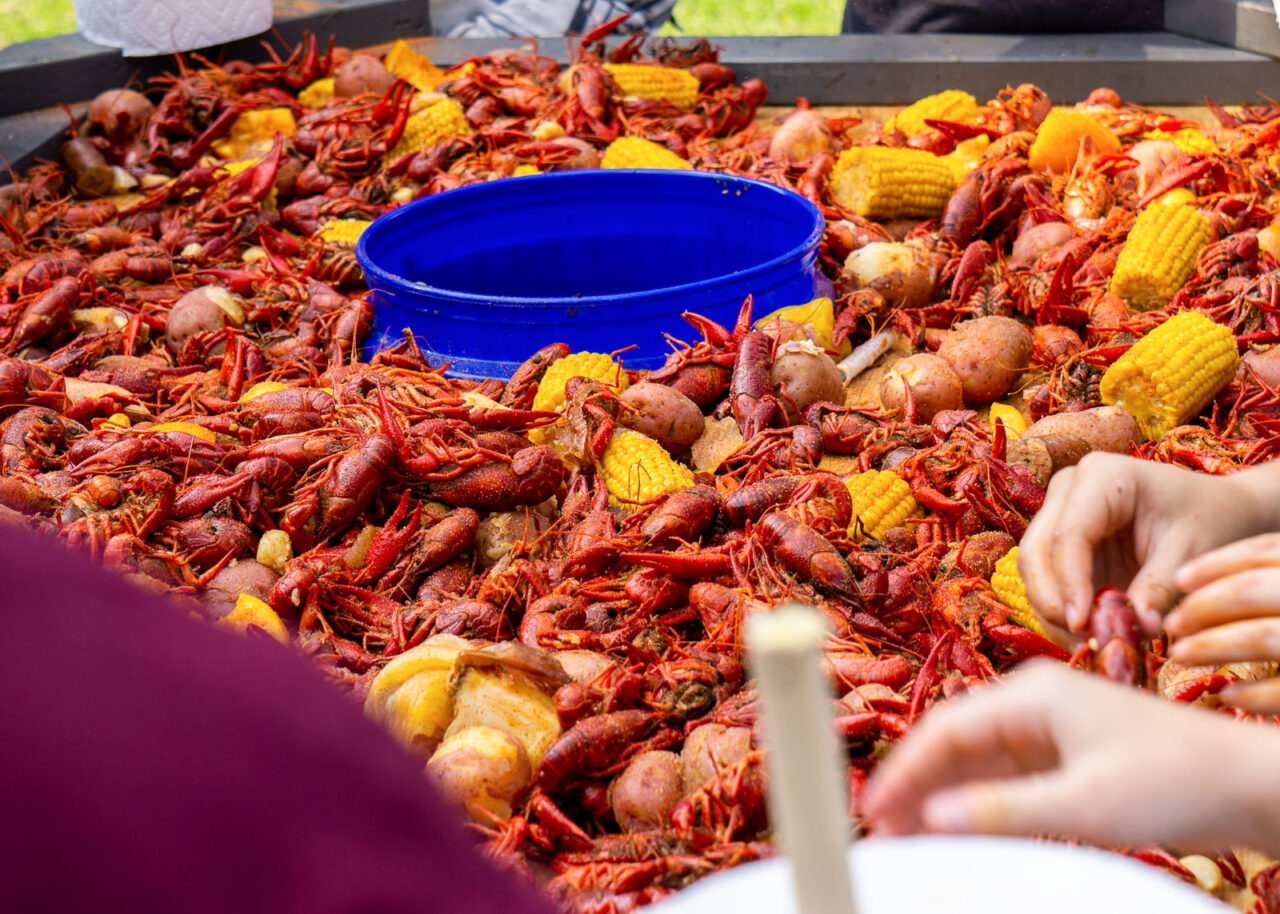
Cajun cuisine, on the other hand, developed in the bayous and prairies of Cajun Country, characterized by its rustic, hearty, and often spicier nature. It is “country food,” utilizing readily available local ingredients such as crawfish, alligator, and game, often prepared in one-pot meals. While also featuring gumbo and jambalaya, Cajun versions typically omit tomatoes and focus on a deeper, darker roux. Dishes like boudin (a sausage made with pork, rice, and seasoning), cracklin’ (fried pork skin), and crawfish boils are quintessentially Cajun, embodying a resourceful and flavorful approach to cooking. The “Holy Trinity” of Cajun and Creole cooking – bell peppers, onions, and celery – forms the aromatic base for countless dishes, while cayenne pepper and other spices give Louisiana food its characteristic kick.
Sweet Treats and Street Eats
Beyond the main courses, Louisiana offers a plethora of delicious snacks and desserts. In New Orleans, a visit to Café Du Monde for a plate of fluffy, sugar-dusted beignets paired with a cup of chicory coffee is a quintessential experience. These square-shaped fried dough pastries are a delightful reminder of the city’s French heritage. Street food is also a significant part of the culinary scene, especially during festivals and in areas like Bourbon Street. Po’boys, hearty sandwiches typically filled with fried shrimp, oysters, or roast beef and gravy, are a local favorite, offering a satisfying and portable meal. Pralines, a sweet confection made from sugar, cream, and pecans, are another beloved treat, perfect for satisfying a sweet tooth or bringing home as a souvenir. From fine dining establishments serving innovative takes on classic dishes to unassuming roadside diners dishing out authentic Cajun fare, the culinary landscape of Louisiana is as diverse and exciting as its people.
Iconic Landscapes and Historic Echoes: Attractions and Landmarks
Louisiana’s fame also rests on its stunning natural landscapes and deeply historic landmarks, each offering a unique window into the state’s past and present. From the architectural marvels of its cities to the serene beauty of its swamps, the state presents a feast for the eyes and a journey for the soul.
Exploring the Crescent City: New Orleans Landmarks
New Orleans is a city brimming with iconic landmarks. The French Quarter is home to the majestic St. Louis Cathedral, one of the oldest continually active cathedrals in the United States, standing proudly over Jackson Square. This historic park, surrounded by artists and street performers, is a vibrant hub of activity. Just a short walk away, Bourbon Street is famous worldwide for its lively nightlife, live music venues, and neon glow, especially during Mardi Gras. Beyond the French Quarter, the Garden District captivates with its grandeur, easily explored via the historic streetcar. The city also boasts world-class museums, such as The National WWII Museum, which offers a poignant and comprehensive look at World War II. For a moment of tranquility amidst the urban buzz, Audubon Park and City Park, with its ancient live oaks and sculpture garden, provide lush green escapes. The historic Longue Vue House and Gardens also offers a glimpse into aristocratic life and stunning garden design.
Beyond the City: Plantations and Pristine Swamps
Venturing outside of New Orleans, Louisiana reveals a different kind of grandeur and history. The state is famous for its majestic antebellum plantations, many of which are open for tours, offering a glimpse into a complex and often painful period of American history. Oak Alley Plantation, with its awe-inspiring canopy of 300-year-old live oaks leading to the grand manor house, is one of the most photographed plantations in the South. Laura Plantation, a Creole-style sugar plantation, offers a more intimate and historically rich narrative, focusing on the lives of both the owners and the enslaved people who worked the land.
Equally iconic are Louisiana’s vast and mysterious swamps and bayous. The Atchafalaya Basin, the largest river swamp in the United States, is a prime example of this unique ecosystem. Here, cypress trees draped in Spanish moss rise from murky waters, creating an ethereal landscape teeming with wildlife, including alligators, migratory birds, and various fish species. Swamp tours, often led by knowledgeable local guides, offer an exhilarating way to explore these natural wonders, providing insight into the delicate balance of the ecosystem and the traditional way of life for those who call the bayou home. The Creole Nature Trail in Southwest Louisiana, near Lake Charles, provides another fantastic opportunity for wildlife viewing and experiencing the state’s coastal marshlands. Furthermore, the Poverty Point World Heritage Site in northeastern Louisiana stands as a testament to an ancient, advanced civilization, featuring massive earthen mounds built by Native Americans thousands of years ago. For beach lovers, Grand Isle offers a rare stretch of sandy shores along the Gulf.
The Jean Lafitte National Historical Park and Preserve protects not only significant natural areas like the Barataria Preserve but also historic sites, offering a comprehensive look at the human and natural history of the region.
Planning Your Louisiana Adventure: Travel and Accommodation Insights
Experiencing all that Louisiana is famous for requires careful planning, especially when it comes to travel logistics and choosing the right place to stay. Whether you’re seeking luxury, budget-friendly options, or a unique local experience, Louisiana offers a diverse range of accommodations and travel styles.
Choosing Your Stay: From Historic Hotels to Cozy Boutique Apartments
Accommodation in Louisiana caters to every preference and budget. In New Orleans, especially within or near the French Quarter and Garden District, you’ll find an array of historic hotels that exude old-world charm. Properties like the iconic Hotel Monteleone, with its famous Carousel Bar, or The Roosevelt New Orleans, A Fairmont Hotel, offer luxurious stays steeped in history. For those seeking a more boutique experience, Hotel Provincial offers a cozy retreat with a courtyard pool, while The Eliza Jane, in The Unbound Collection by Hyatt blends historic architecture with modern amenities. High-end options like W New Orleans – French Quarter and Omni Royal Orleans provide elegance and prime locations. For travelers who prefer more space or an extended stay, boutique apartments and suites, such as Sonesta ES Suites New Orleans Convention Center, offer the comforts of home.
Beyond New Orleans, Cajun Country provides opportunities for unique stays in charming bed and breakfasts or even cabins overlooking bayous. Many cities like Baton Rouge and Lafayette offer a good mix of national hotel chains, providing reliable comfort and convenience for business or family trips. Resorts are also available, particularly in areas like Lake Charles, which boasts casino resorts with extensive amenities. For those looking for an immersive experience, even unique villas or long-term stays can be arranged, allowing visitors to truly live like a local.
Experiencing Louisiana: Tips for Travelers
To make the most of your trip to Louisiana, consider a few key tips. Timing is crucial; while Mardi Gras is an unparalleled experience, it also means higher prices and larger crowds. Spring (March to May) and Fall (September to November) generally offer pleasant weather and a full calendar of festivals, making them ideal times to visit. Summers can be hot and humid, but indoor attractions and evening activities still provide plenty of enjoyment.
Getting around New Orleans is easy with its walkable districts, streetcars, and ride-sharing services. However, if you plan to explore Cajun Country, the plantations, or the swamps, renting a car is highly recommended to enjoy the scenic drives and flexibility. Embrace the local culture by trying new foods, listening to live music, and engaging with locals; their hospitality is renowned. Whether you’re drawn by the allure of a luxury travel experience, a budget-friendly adventure, a family trip filled with discovery, or a business stay with cultural exploration, Louisiana offers a wealth of options. Remember to book accommodations and popular tours well in advance, especially during peak festival seasons.
In conclusion, Louisiana is famous for a tapestry of reasons that intertwine culture, music, food, history, and natural beauty. It’s a state that doesn’t just invite you to visit, but to participate, to dance, to eat, and to discover a truly unique American experience that will linger in your memory long after you’ve left its vibrant shores.
LifeOutOfTheBox is a participant in the Amazon Services LLC Associates Program, an affiliate advertising program designed to provide a means for sites to earn advertising fees by advertising and linking to Amazon.com. Amazon, the Amazon logo, AmazonSupply, and the AmazonSupply logo are trademarks of Amazon.com, Inc. or its affiliates. As an Amazon Associate we earn affiliate commissions from qualifying purchases.