
For any traveler planning a memorable journey, the seemingly simple question of “What time is it?” can hold profound implications. In the vibrant and culturally rich state of Louisiana, understanding the local time isn’t just a matter of setting your watch; it’s a fundamental key to unlocking seamless travel experiences, perfectly timed explorations, and an authentic immersion into the unique rhythms of this captivating destination. From coordinating flight arrivals and hotel check-ins to scheduling coveted restaurant reservations and catching live music performances, every aspect of your trip hinges on knowing the correct time zone.
Louisiana operates on Central Time, adhering to both Central Standard Time (CST) and Central Daylight Time (CDT) depending on the season. This detail, while minor on the surface, directly influences how you navigate the state’s diverse offerings, whether you’re strolling through the historic streets of New Orleans, exploring the bayous of Cajun Country, or delving into the political heart of Baton Rouge. This article serves as your comprehensive guide to understanding Louisiana’s time, and more importantly, how this seemingly small piece of information plays a pivotal role in optimizing your travel, accommodation choices, engagement with local tourism, appreciation of landmarks, and overall lifestyle experience in the Pelican State.
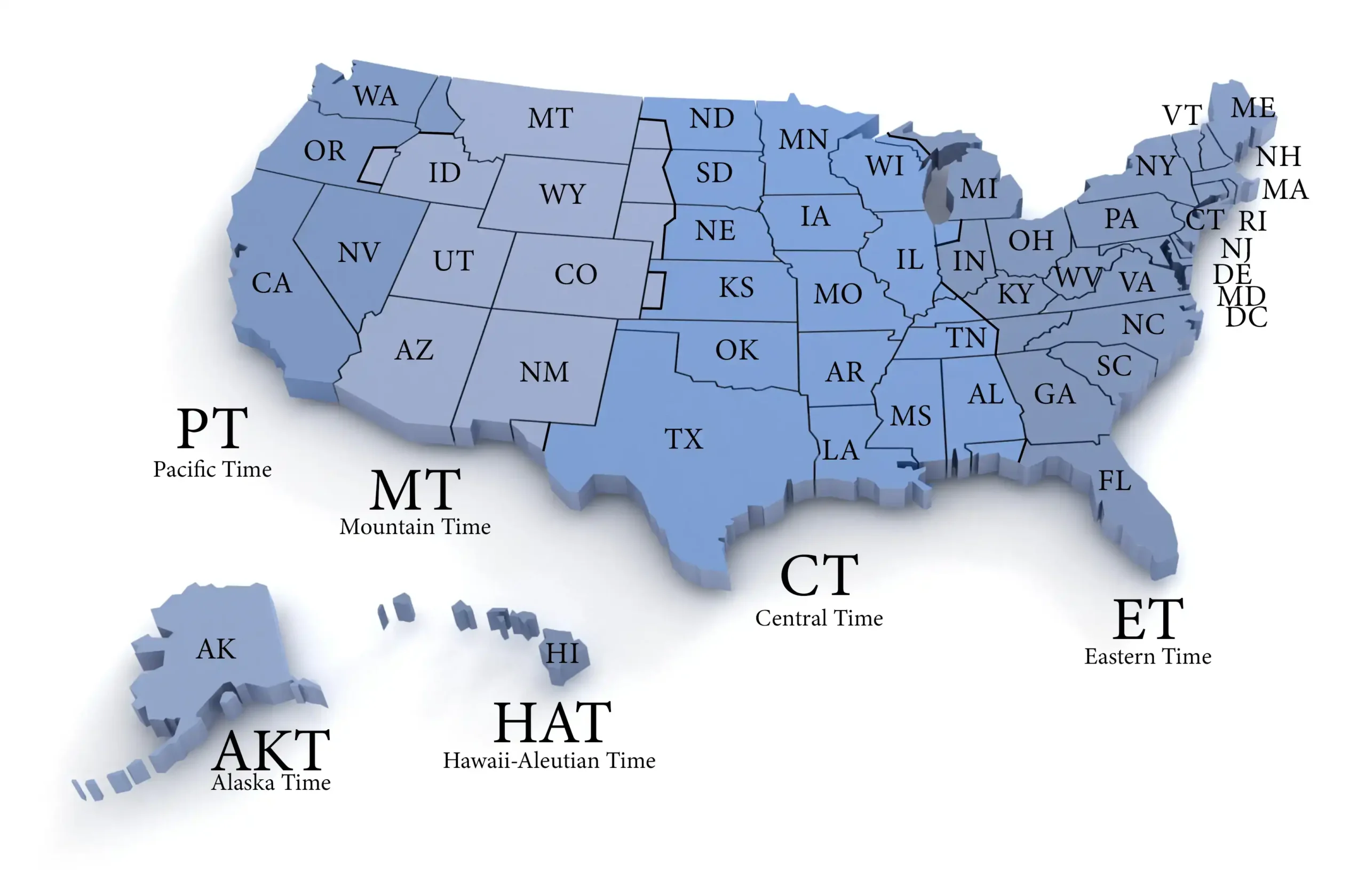
Understanding Louisiana’s Time Zone: Central Time (CT)
At its core, Louisiana is situated within the Central Time Zone (CT) of the United States. This means that during standard time, the state observes Central Standard Time (CST), which is six hours behind Coordinated Universal Time (UTC-6). When Daylight Saving Time (DST) comes into effect, typically from the second Sunday in March to the first Sunday in November, Louisiana switches to Central Daylight Time (CDT), which is five hours behind Coordinated Universal Time (UTC-5). This biannual shift, while common across much of the United States, is crucial for travelers to acknowledge, especially those arriving from different time zones or planning trips that span these transition dates.
For a traveler, understanding this time zone is the very first step in effective trip planning. Imagine booking a swamp tour that departs at 9:00 AM, but arriving an hour late because your internal clock is still set to Eastern Time, or missing a connecting flight in Shreveport due to a miscalculation. These are common pitfalls that can be easily avoided by simply adjusting your devices and expectations to the local Central Time Zone immediately upon arrival. This awareness extends beyond mere punctuality; it impacts your body’s circadian rhythm, commonly known as jet lag, which can be more pronounced when traveling across multiple time zones. Knowing the time difference in advance allows you to proactively adjust sleep schedules, plan for rest days, and ensure you’re fully energized to explore the enchanting landscapes and vibrant cities of Louisiana. From an accommodation perspective, confirming check-in and check-out times in CT prevents misunderstandings with your chosen suites, resorts, or villas. Similarly, when engaging with tourism activities, whether it’s a guided historical walk through the French Quarter or a cooking class in Lafayette, all advertised times will be local. A small detail, perhaps, but one that underpins the entire logistical framework of your Louisiana adventure, ensuring you make the most of every precious moment.
Navigating Louisiana’s Rhythms: Time and Travel Planning
Effective travel planning in Louisiana goes far beyond selecting your destinations; it involves a careful orchestration of your time to maximize experiences and minimize logistical hurdles. Understanding the Central Time Zone is not merely about punctuality for specific events, but about strategically integrating local schedules into your broader itinerary, from the moment you consider booking your trip until you bid farewell to the Bayou State.
Synchronizing Your Itinerary with Local Life
Every region within Louisiana operates on its own unique rhythm, yet all are bound by the same clock. In cities like New Orleans, early mornings might mean a serene walk through the Garden District, while evenings explode with jazz in the French Quarter. Knowing the local time is essential for timing these experiences perfectly. For instance, a world-famous jazz brunch often starts promptly at 11:00 AM, and missing it means missing a quintessential New Orleans experience. Historical sites, such as Oak Alley Plantation along the Mississippi River, typically have specific operating hours, with the last tour often concluding in the late afternoon. Arriving too late means you miss the opportunity to step back in time.
Consider attractions like the Audubon Zoo or the profound National WWII Museum; their opening and closing times dictate the window for your visit. For those venturing into Cajun Country around Lafayette, catching a lively Zydeco music performance often means planning your evening around the band’s set times. The vibrant street festivals and parades, especially those associated with Mardi Gras or the Jazz Fest, adhere to strict schedules, and being aware of these local times is critical for securing a good viewing spot or participating fully. Even for leisurely activities like a sunset cruise on the Mississippi River, the departure time is calculated precisely to coincide with the natural phenomenon. For those interested in higher education or local life, a visit to Louisiana State University in Baton Rouge might involve campus tour schedules or specific athletic event timings. Even a stroll through the Riverwalk Marketplace in New Orleans is best done during peak opening hours to enjoy the full array of shops and eateries. Further enriching the cultural landscape, the Audubon Aquarium of the Americas and the New Orleans Museum of Art within City Park also adhere to specific visitor hours, demanding careful time-slot planning.
Booking Accommodation and Transportation with Time in Mind
The nuances of Louisiana’s time zone become particularly salient when dealing with the practicalities of accommodation and transportation. Booking flights, trains, or even inter-city buses requires meticulous attention to departure and arrival times, all of which will be listed in local CT. Missing a flight because you miscalculated the time difference can derail your entire trip and lead to significant financial loss and stress.
When it comes to hotels, standard check-in times (usually 3:00 PM or 4:00 PM) and check-out times (often 11:00 AM or 12:00 PM) are strictly enforced in local CT. If you’re arriving from a time zone significantly ahead, an early morning arrival might mean a long wait until your room at The Roosevelt New Orleans, A Waldorf Astoria Hotel, Hotel Monteleone, Windsor Court Hotel, or Royal Sonesta New Orleans is ready. Conversely, a late departure might necessitate requesting a late check-out or booking an additional night to avoid rushing. Long-term accommodation rentals, whether apartments or villas, often have precise key collection and drop-off times that must be adhered to.
Travelers should always confirm these timings directly with their accommodation providers. Utilizing online booking platforms often means the times displayed are automatically adjusted to your current time zone, which can lead to confusion. Double-checking that the displayed times correspond to local Louisiana time is a small but critical step. For those driving, accounting for the Central Time Zone is important for planning fuel stops, meal breaks, and arriving at your destination before dark, especially if exploring rural routes in the northern reaches around Alexandria or Natchitoches, or heading south towards Houma or Lake Charles. This proactive approach to time management ensures that your journey into and across Louisiana is as smooth and enjoyable as possible, allowing you to focus on the experiences rather than the logistics.
Experiencing Louisiana’s Unique Lifestyle and Culture by the Clock
The charm of Louisiana lies not just in its iconic landmarks and vibrant cities, but in the lifestyle that pulses through its veins – a unique blend of Creole cuisine, Cajun Country hospitality, and a pervasive appreciation for music and celebration. To truly immerse yourself in this culture, understanding the local clock is paramount, dictating everything from your dining schedule to your historical explorations.
Culinary Adventures and Entertainment Schedules
Louisiana’s legendary food scene demands careful timing. From savoring beignets at Café Du Monde in the early morning, often bustling from 6:00 AM, to securing a coveted dinner reservation at a culinary institution like Commander’s Palace, every meal is an event. Popular restaurants, especially in New Orleans, fill up quickly, and misjudging the time can mean missing out on an unforgettable gastronomic experience. Brunch services, a beloved weekend ritual, typically run from late morning to early afternoon, and punctuality is key to enjoying the freshest offerings and vibrant atmosphere.
Beyond dining, Louisiana’s entertainment landscape is meticulously timed. Live music venues, particularly along Bourbon Street and in more intimate settings like Preservation Hall, have set show times that begin in the early evening and stretch late into the night. Missing the start of a performance can mean losing your preferred seating or even missing a favorite artist. Major festivals like Mardi Gras and the Jazz Fest publish extensive schedules of parades, concerts, and events, all in local Central Time Zone. Planning your days around these schedules is essential for capturing the full spirit of these world-renowned celebrations. Even a casual stroll down Magazine Street for boutique shopping requires an awareness of standard business hours, which differ from the round-the-clock bustle of certain entertainment districts. Embracing these time-bound cultural activities allows you to truly feel the pulse of Louisiana life.

Day Trips and Historical Explorations
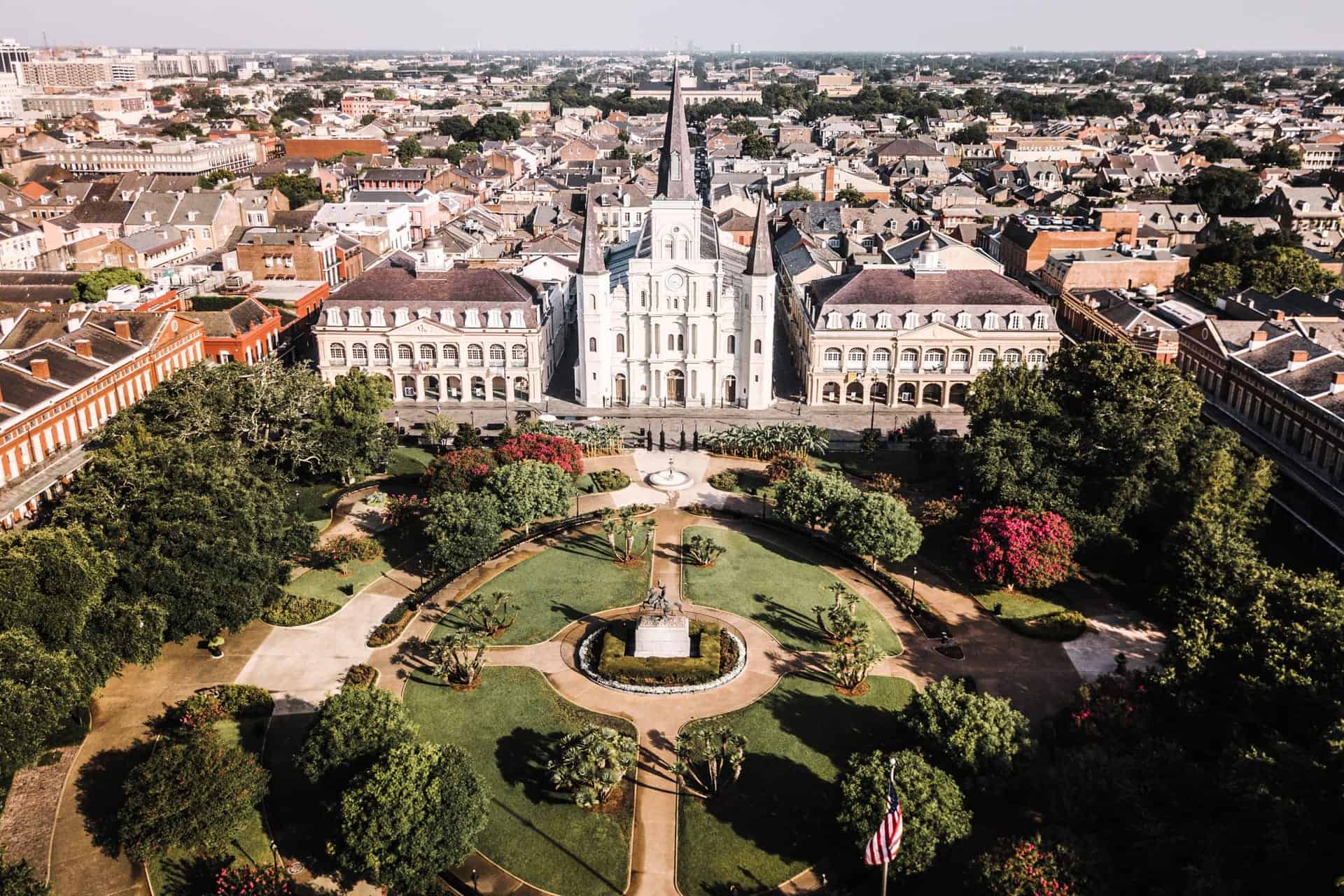
Louisiana is rich with historical sites, natural wonders, and charming small towns, all of which make for fantastic day trips. However, the success of these excursions is heavily dependent on precise time management. Many antecbellum plantations like Oak Alley Plantation, offer guided tours at specific intervals, and visiting these landmarks requires you to factor in travel time to and from your base. Similarly, the majestic St. Louis Cathedral overlooking Jackson Square has specific hours for visitors and mass, which can impact your access to its historical interiors.
For those venturing into the scenic beauty of Avery Island, home to the Tabasco Factory and its bird sanctuary, understanding the operating hours for tours and the sanctuary itself is crucial. The drive, combined with the duration of the visit, needs to be meticulously planned within daylight hours. Similarly, exploring the living history museums like Vermilionville or Acadian Village near Lafayette means aligning your visit with their daily schedules to experience the full range of demonstrations and cultural insights. Even an ecological swamp tour through the Cypress Island Preserve requires booking a specific departure time, often tied to optimal wildlife viewing opportunities.
The Louisiana State Capitol in Baton Rouge, an impressive architectural feat, also welcomes visitors during specific hours, and failing to arrive within this window means missing the chance to admire its grandeur. Planning these outings down to the hour, considering travel time, tour durations, and potential meal breaks, ensures that you can comfortably fit in all desired activities without feeling rushed or missing crucial experiences. Whether you are seeking historical depth in St. Martinville or natural beauty elsewhere, a conscious awareness of the clock is your most valuable travel guide.
Ultimately, understanding “What time in Louisiana?” transcends a mere factual answer. It’s a foundational element for crafting an unforgettable journey. From the precision required for booking travel and accommodation to the flexibility needed to immerse yourself in the local culture, the Central Time Zone dictates the rhythm of your adventure. By acknowledging and planning around Louisiana’s clock, travelers empower themselves to effortlessly navigate its vibrant cities, tranquil bayous, and historic landmarks. So, set your watch, embrace the local pace, and prepare to discover the timeless magic that awaits in every corner of this extraordinary state. Your perfectly timed Louisiana experience begins now.
LifeOutOfTheBox is a participant in the Amazon Services LLC Associates Program, an affiliate advertising program designed to provide a means for sites to earn advertising fees by advertising and linking to Amazon.com. Amazon, the Amazon logo, AmazonSupply, and the AmazonSupply logo are trademarks of Amazon.com, Inc. or its affiliates. As an Amazon Associate we earn affiliate commissions from qualifying purchases.