
Nestled along the crescent bend of the Mississippi River, New Orleans, Louisiana, is a city unlike any other in the United States. It’s a vibrant tapestry woven from Creole and Cajun cuisine, soulful Jazz melodies, colorful festivals, and a history as rich and deep as the Delta itself. Among its many charming epithets, one stands out, encapsulating the city’s very essence: “The Big Easy.” But where did this affectionate, yet deeply descriptive, nickname come from, and what does it truly mean for those who live in and visit this remarkable destination?
The moniker “The Big Easy” evokes images of languid afternoons, spontaneous celebrations, and a relaxed pace of life that seems to defy the frenetic rush of modern existence. For travelers planning their next unforgettable experience, understanding the origins and implications of this name is key to unlocking the true spirit of New Orleans. It’s a promise of effortless charm, welcoming hospitality, and an almost magical ability to make visitors feel right at home. From choosing the perfect accommodation to exploring hidden gems, the “easy” philosophy permeates every aspect of a New Orleans adventure.
Unraveling the Enigma: The Birth of a Beloved Nickname
The story behind “The Big Easy” is relatively recent, yet it has become so intrinsically linked with New Orleans that it feels as ancient as the city’s cobblestone streets. Unlike some nicknames that evolve organically over centuries, “The Big Easy” has a surprisingly clear origin, born from literature and popularized by astute journalism.
More Than Just a Moniker: The Essence of New Orleans’ Spirit
Before diving into the historical records, it’s crucial to grasp what “The Big Easy” truly signifies. It’s not just a cute phrase; it’s a profound statement about the city’s soul. It speaks to a way of life that prioritizes enjoyment, community, and the appreciation of simple pleasures over relentless ambition or rigid schedules. In a world that often celebrates speed and efficiency, New Orleans offers a refreshing counter-narrative, inviting everyone to slow down, savor the moment, and embrace a gentler rhythm.
This spirit is a major draw for tourism. People come here to escape the pressures of their daily lives, to immerse themselves in a culture that values celebration and relaxation. Whether it’s the leisurely pace of a French Quarter stroll, the unhurried enjoyment of a long brunch, or the easy camaraderie found in a neighborhood bar, “The Big Easy” is a feeling that permeates the air. It influences everything from the layout of attractions to the style of local guides, all designed to foster a sense of unburdened exploration and delight.
The Origins Story: From Crime Novels to Cultural Comparisons
The journey of “The Big Easy” from a literary device to a global identifier for New Orleans is a fascinating tale that highlights the power of words and the perception of a city’s character.
James Conaway’s Contribution and the Journalistic Echo
The earliest widely recognized use of “The Big Easy” is attributed to author James Conaway, who published a crime novel by that very title in 1970. His book, set in the sultry, often shadowy world of New Orleans, used the phrase to describe a city where life, though sometimes challenging, retained a certain seductive ease. It was a place where corruption could thrive, yet a distinct charm and laid-back atmosphere persisted, allowing people to navigate its complexities with a unique grace. The novel painted a picture of a city that, despite its undercurrents, never lost its inviting, almost languid disposition.
However, it was a local journalist, Betty Guillaud, who truly propelled the nickname into the public consciousness. Writing for The States-Item newspaper in the early 1970s, Guillaud employed “The Big Easy” in her columns, often drawing a deliberate contrast with New York City, famously known as “The Big Apple.” Where New York represented ambition, hustle, and high stakes, New Orleans offered a different kind of allure: an ease of living, a slower pace, and a more accessible, less cutthroat environment. Her juxtaposition perfectly captured the sentiment felt by many locals and visitors alike.
The name stuck because it resonated deeply with the collective perception of the city. It wasn’t just a catchy phrase; it was an accurate descriptor. New Orleans truly offered a “bigger” experience in terms of culture, music, and food, but with an “easier” entry point into its charms compared to the intense, fast-paced major metropolises. It implied a city where one could enjoy life’s pleasures without breaking the bank or navigating an overly complicated social ladder.
A City Where Life Unfolds at Its Own Rhythm
At its core, “The Big Easy” reflects New Orleans’s inherent refusal to conform to the frantic pace of the modern world. This city moves at its own speed, often dictated by the sultry climate of the Southern United States and a deeply ingrained cultural ethos that prioritizes enjoyment and human connection over relentless productivity.
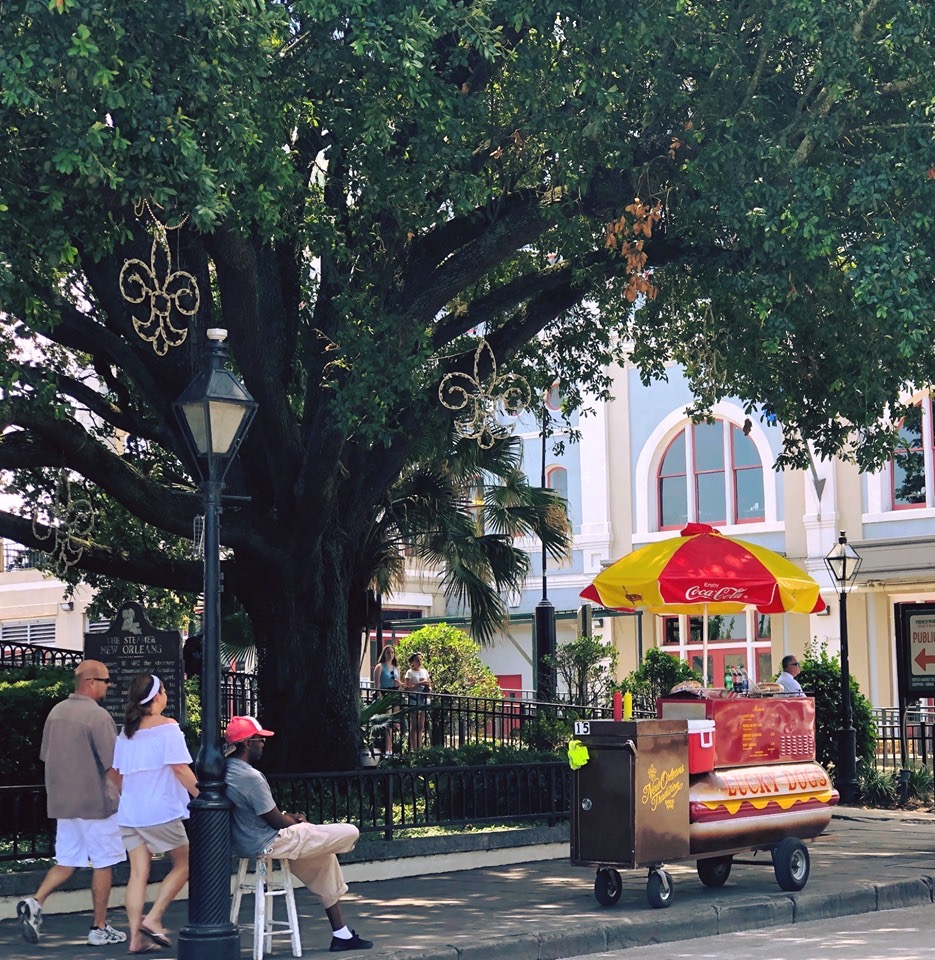
Visitors to New Orleans quickly notice this distinct rhythm. Time seems to stretch and expand, allowing for longer conversations, more lingering meals, and spontaneous detours. There’s a tangible lack of urgency, a collective understanding that some of life’s greatest joys are best savored slowly. This laid-back attitude extends to local customs and hospitality, making tourists feel genuinely welcomed and encouraged to relax into the city’s embrace. It is a city that teaches you to breathe, to listen to the distant sounds of Blues and Jazz emanating from a hidden courtyard, and to let go of the rigid schedules that often govern everyday life. This unique lifestyle is not just appealing; it’s therapeutic for many travelers seeking a true escape.
The Big Easy Experience: A Lifestyle, Not Just a Location
The nickname “The Big Easy” isn’t just a label; it’s a guiding principle that shapes the entire experience of visiting or living in New Orleans. It’s woven into the fabric of its culture, influencing everything from the culinary scene to the architectural style and the very way hospitality is extended.
Culinary Delights and Musical Melodies: The Heartbeat of New Orleans
The food scene in New Orleans perfectly embodies the “easy” philosophy. Dining here is not merely about sustenance; it’s a social event, a leisurely exploration of flavors, and a testament to generations of culinary fusion. From a casual po’boy sandwich to an exquisite multi-course meal at a legendary establishment like Commander’s Palace, the emphasis is on savoring. Restaurants often feature charming courtyards and balconies, inviting diners to linger and enjoy the ambiance. Even a simple coffee and beignet at Café Du Monde becomes a ritual, a moment of tranquil indulgence amidst the bustle of Jackson Square. This approach to food makes every meal an easy pleasure, a relaxed dive into the city’s rich heritage.
Music is the undeniable soul of New Orleans, and its pervasive presence further solidifies the city’s “easy” reputation. Jazz, born in the vibrant neighborhood of Treme, spills from open doorways on Frenchmen Street, echoes through the historic halls of Preservation Hall, and floats from talented street performers in the French Quarter. The music is accessible, often free, and always inviting. There’s no need for elaborate plans; the melodies find you, drawing you into impromptu street parties or intimate club performances. Iconic festivals like Mardi Gras and the Jazz Fest epitomize this celebratory lifestyle, where joy is freely shared, and the energy is infectious yet always feels effortless. This easy access to world-class entertainment is a cornerstone of the tourist experience, ensuring that every evening offers a chance for spontaneous delight.
Architectural Grandeur and Historic Charm: Landmarks of Ease
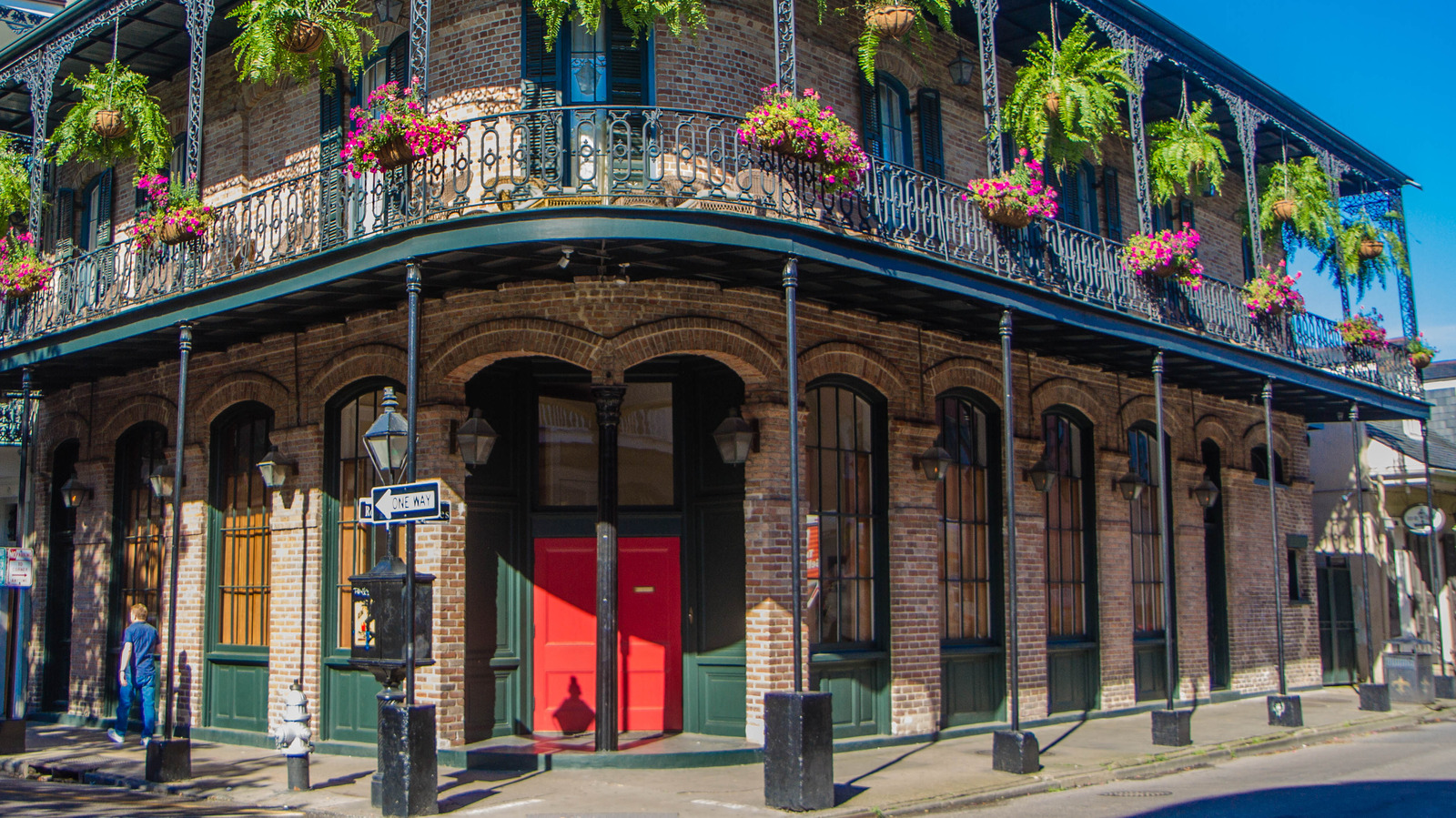
The iconic landmarks of New Orleans also contribute to its “easy” appeal. The French Quarter, with its charming wrought-iron balconies, pastel-colored buildings, and hidden courtyards, is designed for leisurely exploration. Its grid layout makes it easy to navigate on foot, encouraging visitors to wander without a strict itinerary. The grandeur of St. Louis Cathedral overlooking Jackson Square offers a serene backdrop for contemplation, while the vibrant energy of Bourbon Street, though lively, remains an accessible and iconic experience.
Beyond the French Quarter, the stately mansions of the Garden District beckon visitors for relaxed walking tours, showcasing a different facet of the city’s architectural beauty. Areas like Faubourg Marigny and the Warehouse District also offer distinct, yet equally accessible, vibes, whether it’s the bohemian feel of Frenchmen Street or the industrial chic of the revitalized arts district, home to places like the National WWII Museum. Even the simple act of riding the historic St. Charles Avenue streetcar offers an “easy” way to see the city, gliding past picturesque homes and lush parks like Audubon Park and City Park. These landmarks, while historically significant, are presented in a way that invites gentle exploration rather than rushed sightseeing, embodying the ease the city promises.
Accommodation and Travel: Embracing the Easy Vibe
The concept of “The Big Easy” extends seamlessly into the realm of accommodation and travel planning. Hotels in New Orleans often mirror the city’s laid-back yet luxurious spirit. From historic boutique hotels nestled within the French Quarter’s charming buildings, complete with private courtyards and gas lanterns, to modern, full-service resorts in the Warehouse District or along Canal Street, the emphasis is on comfort and creating a welcoming retreat.
Many accommodations offer amenities designed for relaxation, such as rooftop pools, tranquil spas, and balconies perfect for people-watching. Guest houses and bed-and-breakfasts in neighborhoods like the Garden District or Faubourg Marigny provide a more intimate experience, allowing visitors to immerse themselves fully in the local lifestyle with an almost effortless charm. For those seeking luxury travel, opulent suites offer a grander scale of ease, while budget-friendly options still manage to provide that quintessential New Orleans hospitality. Reviews often highlight the friendly staff and the comfortable, unpretentious atmosphere, reinforcing the “easy” promise.
When it comes to getting around, the city’s design caters to an easy flow. Walking is encouraged, especially in historic districts, and the iconic streetcars provide a picturesque and simple mode of transport along routes like St. Charles Avenue and Magazine Street. Booking tours is straightforward, often focusing on relaxed storytelling or culinary experiences rather than a frenetic dash through sights. Whether travelers are on a family trip, a romantic getaway, or a business stay, New Orleans provides an environment where planning can be minimal and enjoyment maximal, truly living up to its famous nickname.
Beyond the Nickname: The Enduring Allure of New Orleans
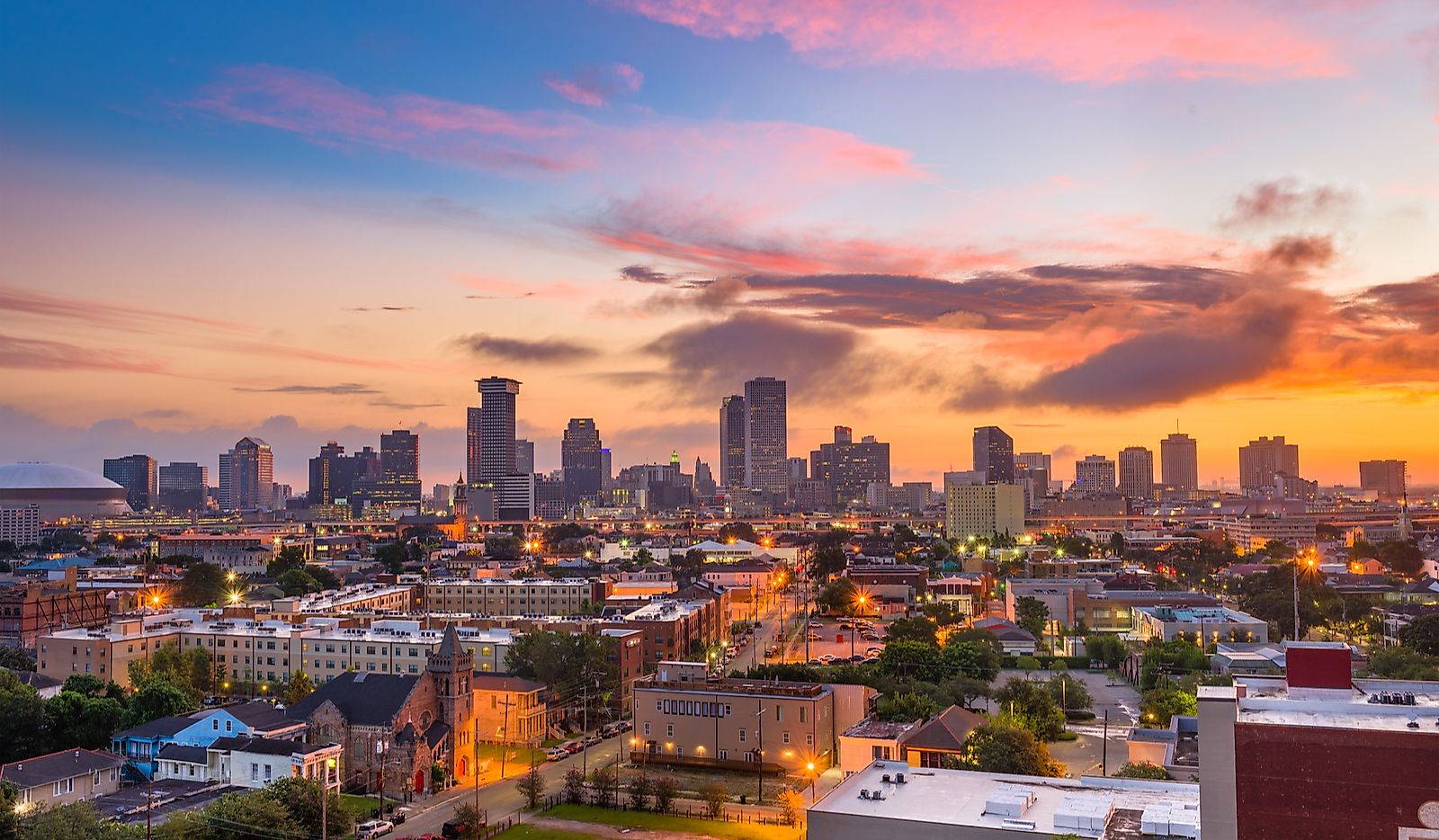
“The Big Easy” is more than just a historical anecdote; it’s a living, breathing descriptor that continues to define New Orleans for millions around the world. It’s a shorthand for a city that, despite its tumultuous history and the challenges it has faced, consistently offers an experience rooted in pleasure, cultural richness, and an undeniable sense of calm amidst the storm.
The nickname captures the essence of a place where celebration is a way of life, where music flows freely, and where every meal is an event. It reflects a resilient spirit that finds joy in the everyday and embraces life with open arms. For both residents and visitors, “The Big Easy” represents a quality of life that is coveted and uniquely New Orleans.
So, why is New Orleans, Louisiana, called “The Big Easy”? It’s because, from its literary birth to its journalistic popularization, the name perfectly encapsulates the city’s relaxed pace, its effortless charm, its vibrant culture, and its profound ability to make anyone feel at ease. It’s an invitation to experience life a little slower, a little richer, and a lot more joyfully. For those planning a journey to this enchanting destination on the Gulf Coast, prepare to unwind, indulge, and discover why New Orleans truly is “The Big Easy.”
LifeOutOfTheBox is a participant in the Amazon Services LLC Associates Program, an affiliate advertising program designed to provide a means for sites to earn advertising fees by advertising and linking to Amazon.com. Amazon, the Amazon logo, AmazonSupply, and the AmazonSupply logo are trademarks of Amazon.com, Inc. or its affiliates. As an Amazon Associate we earn affiliate commissions from qualifying purchases.