
The majestic Maine Coon, often hailed as the “gentle giant” of the feline world, captivates hearts with its impressive size, luxurious coat, and charming personality. For many aspiring cat owners, a primary consideration before bringing one of these magnificent creatures into their home is the financial investment. The cost of a Maine Coon can vary significantly, influenced by a multitude of factors ranging from breeder reputation and lineage to health screenings and location. Understanding these variables is crucial for prospective owners seeking to budget accurately for their new furry companion.
Factors Influencing Maine Coon Pricing
The price tag attached to a Maine Coon is not a random figure; it’s a carefully calculated reflection of the care, expertise, and genetic quality invested by responsible breeders. Several key elements contribute to the overall cost, ensuring that potential owners appreciate the value behind each kitten.
Breeder Reputation and Experience
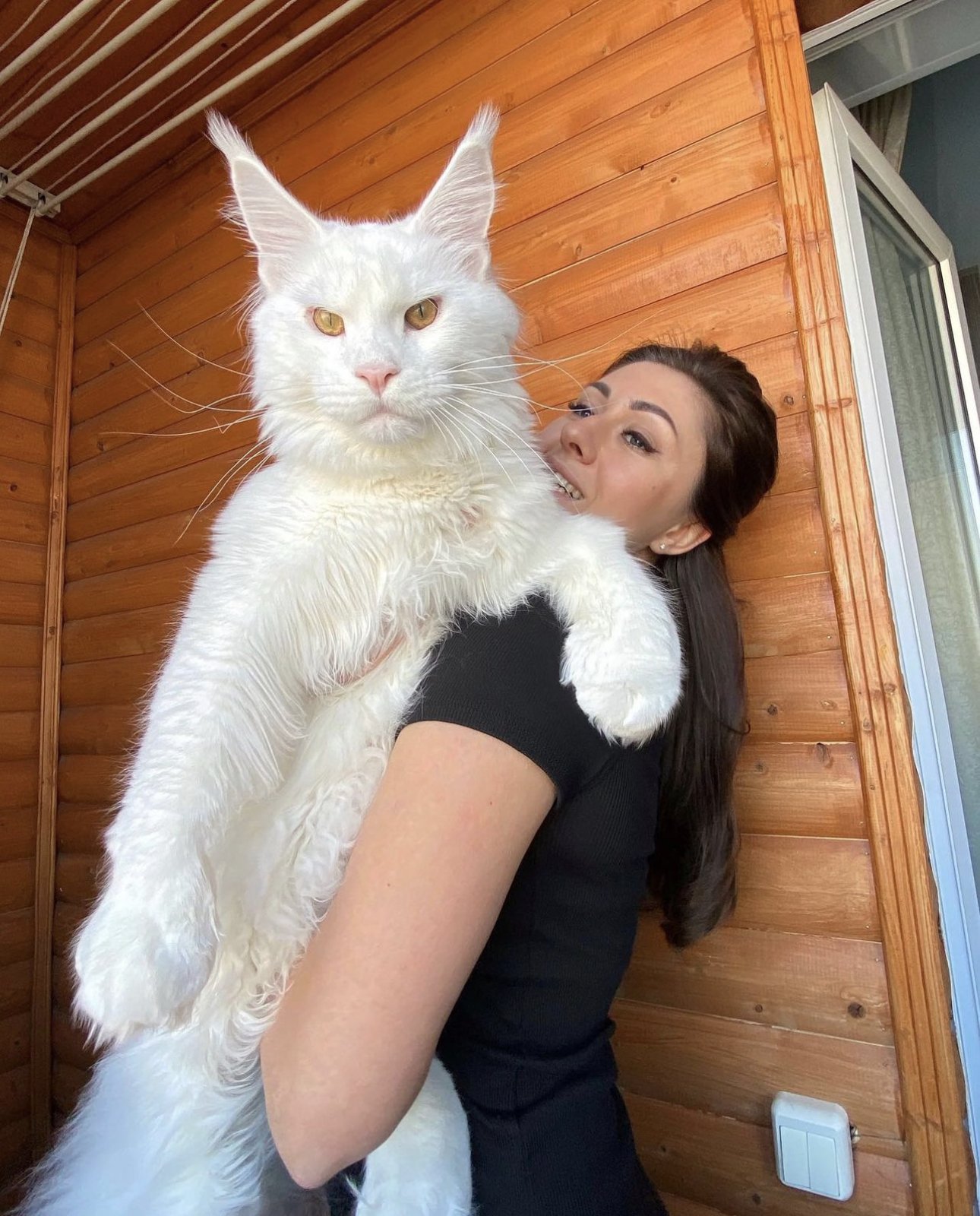
Reputable breeders, those dedicated to upholding breed standards and prioritizing the health and well-being of their cats, typically command higher prices. These breeders invest heavily in quality food, veterinary care, genetic testing, and ensuring their breeding cats are free from hereditary diseases. Their experience allows them to produce kittens with excellent temperaments and adherence to the Maine Coon breed’s distinctive traits. A breeder who provides extensive health guarantees, offers ongoing support, and is transparent about their breeding practices is a sign of quality, and their prices will reflect this commitment. Conversely, less experienced or backyard breeders may offer lower prices, but this can come with significant risks regarding health, temperament, and breed authenticity.
Pedigree and Bloodlines
The lineage of a Maine Coon kitten plays a substantial role in its cost. Kittens from champion bloodlines, meaning their ancestors have won prestigious cat shows and possess exceptional breed characteristics, will naturally be more expensive. These pedigrees indicate a strong genetic foundation for desirable traits such as size, coat quality, ear furnishings, and a robust build. Breeders who meticulously track and document their cats’ pedigrees are investing in the future of the breed and strive to produce offspring that meet or exceed breed standards. While a pet-quality kitten may have minor deviations from the ideal standard, a show-quality kitten will be a near-perfect representation, hence the increased valuation.
Health Screenings and Vaccinations
Responsible Maine Coon breeders will conduct comprehensive health screenings on their adult cats to ensure they are free from common genetic conditions that can affect the breed. This includes testing for hypertrophic cardiomyopathy (HCM) and hip dysplasia, which are particularly prevalent in larger breeds. Kittens will also come up-to-date on vaccinations and deworming. The cost of these extensive veterinary procedures, coupled with the time and expertise involved, is factored into the price of the kittens. Purchasing a kitten from a breeder who prioritizes health screenings provides peace of mind and can save significant veterinary expenses down the line.
Location and Market Demand
Geographic location and the prevailing market demand can also influence the price of Maine Coon kittens. In areas with a high demand for the breed and fewer available kittens, prices may be higher. Conversely, in regions where Maine Coons are less sought after or where there are many breeders, prices might be more competitive. Travel costs for breeders to attend shows or acquire quality breeding stock can also be passed on to buyers. It’s essential to research local breeders and understand the market dynamics in your specific area to get a realistic picture of the pricing landscape.
Understanding Different Price Tiers
The cost of a Maine Coon kitten can be broadly categorized into different price tiers, each reflecting a different level of breeding quality and associated guarantees. This segmentation helps potential owners identify kittens that align with their specific needs and budget.
Pet Quality Kittens
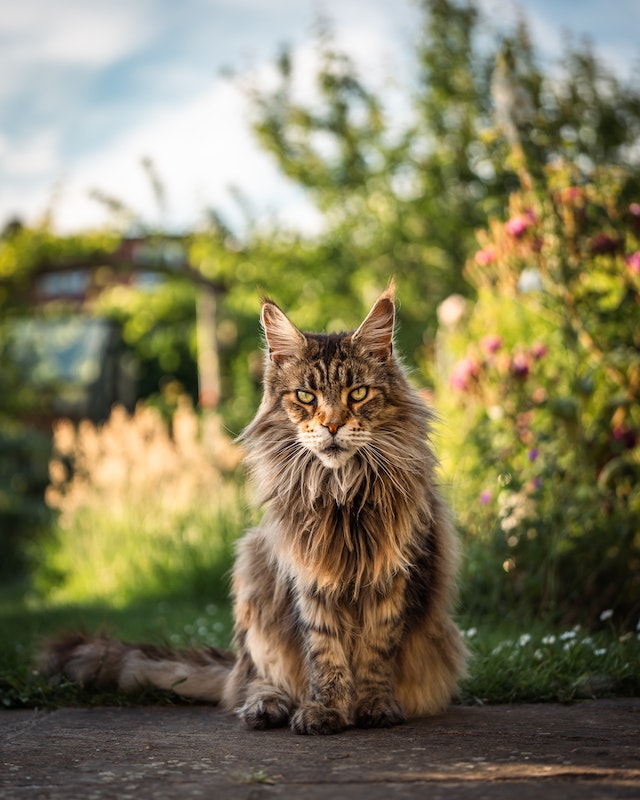
Pet quality Maine Coons are typically the most affordable option. These kittens may have minor imperfections that do not affect their health or temperament but prevent them from being shown or bred. These imperfections could include slight variations in coat color, ear placement, or tail length that deviate from the strict breed standard. Despite these minor differences, pet quality Maine Coons make exceptional companions, offering all the wonderful personality traits that make the breed so beloved. They are fully healthy, well-socialized, and ready to become cherished members of a family. The price range for pet quality kittens often starts from around $1,000 and can go up to $2,000 or more, depending on the breeder and their location.
Show/Breeding Quality Kittens
Kittens of show or breeding quality are the most expensive, as they are bred to meet the highest standards of the Maine Coon breed. These kittens possess impeccable conformation, excellent temperament, and superior genetic potential. They are the ones destined for the competitive world of cat shows and for contributing to responsible breeding programs. Breeders invest significant resources in ensuring these kittens have the best possible start in life, including rigorous health testing of their parents and meticulous socialization. The price for show/breeding quality kittens can range from $2,000 upwards, potentially reaching $3,000 or even $4,000 for exceptional specimens with proven championship lineage. This higher cost reflects the breeder’s dedication to preserving and improving the breed.
Rescue and Adoption Fees
While acquiring a Maine Coon from a breeder ensures a known history and established health screenings, adopting a Maine Coon from a rescue organization or shelter is another viable and often more affordable option. Rescue organizations often have purebred cats, including Maine Coons, that have been surrendered or found as strays. Adoption fees vary widely but are generally much lower than breeder prices, typically ranging from $200 to $700. These fees usually cover initial veterinary checks, spaying/neutering, vaccinations, and microchipping, making adoption a cost-effective way to welcome a Maine Coon into your home. While you may not get detailed pedigree information, rescue organizations often provide insights into the cat’s known history and personality.
Additional Costs Beyond the Purchase Price
The initial purchase price of a Maine Coon is just the beginning of the financial commitment. Prospective owners must also factor in the ongoing costs associated with providing a healthy, happy, and stimulating environment for their new feline family member. These expenses are crucial for the long-term well-being of the cat.
Initial Supplies and Setup
Before your Maine Coon even arrives home, you’ll need to acquire essential supplies. This includes a high-quality litter box, a durable litter scoop, premium cat litter, comfortable bedding, scratching posts (essential for a large breed to prevent furniture damage), engaging toys, and sturdy food and water bowls. Maine Coons are large cats, so investing in larger-sized items, such as spacious litter boxes and robust scratching trees, is advisable. The initial setup cost can range from $200 to $500, depending on the brands and quality of items chosen.
Ongoing Food and Litter Expenses
Maine Coons have a hearty appetite, and their large size means they consume more food than smaller breeds. Investing in high-quality, protein-rich cat food is paramount for their health and well-being, particularly for their joint health and luxurious coat. The cost of premium cat food can range from $50 to $100 per month, depending on the brand and whether you opt for dry kibble, wet food, or a combination. Similarly, litter costs can add up, especially with multiple litter boxes and a preference for certain types of litter. Budget an additional $30 to $60 per month for litter.
Veterinary Care and Insurance
Regular veterinary check-ups are essential for maintaining your Maine Coon’s health. Annual wellness exams, vaccinations, and parasite prevention are standard costs. Beyond routine care, be prepared for potential unexpected veterinary expenses, such as illnesses or injuries. Pet insurance is a wise investment to help mitigate these costs. Premiums for pet insurance vary based on coverage, deductibles, and the pet’s age and breed, but can range from $30 to $70 per month. This can provide significant financial relief in emergencies. Responsible breeders will have already initiated health screenings, but ongoing vigilance is crucial.
Grooming and Entertainment
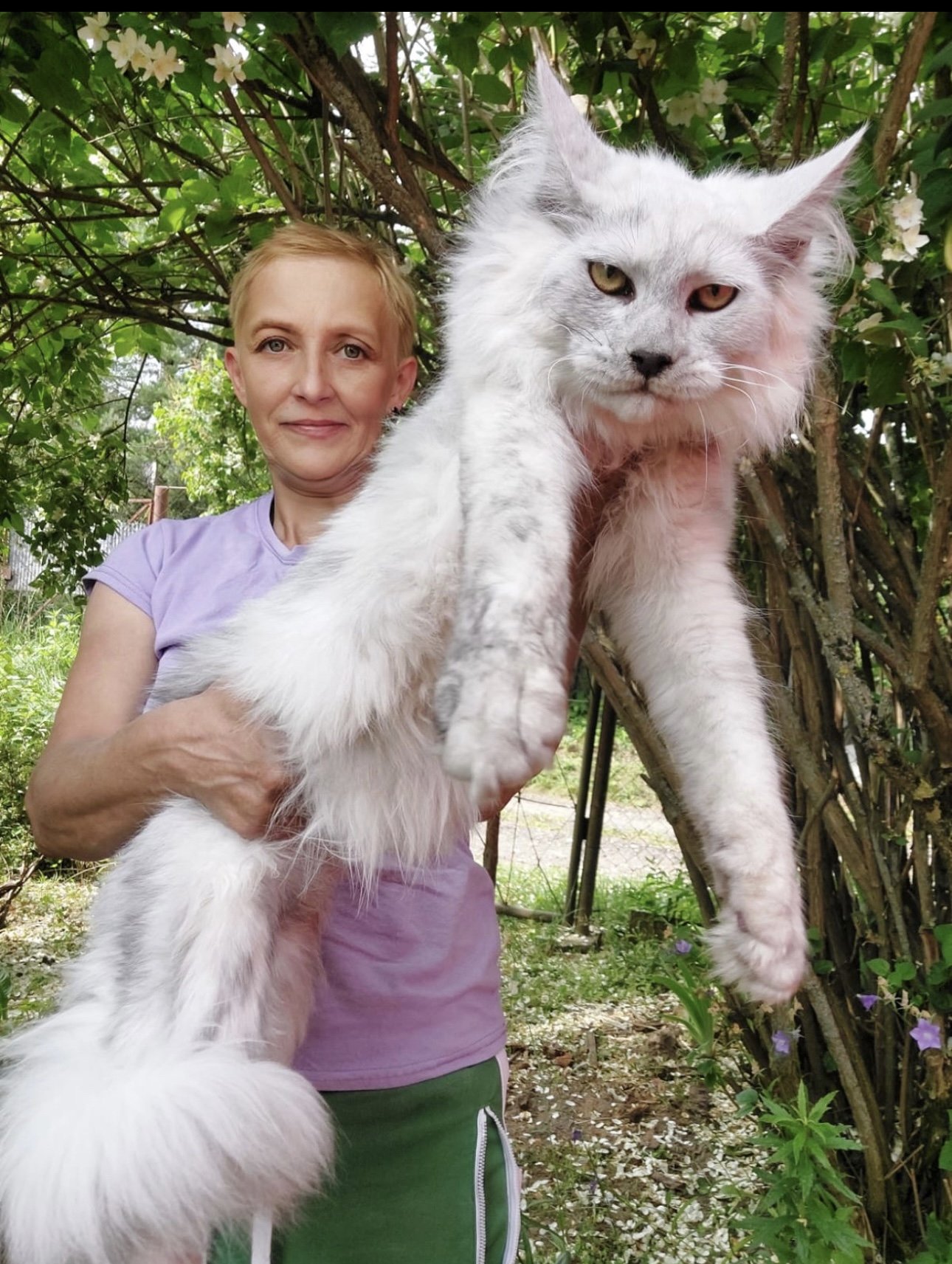
While Maine Coons are known for their magnificent, long coats, they require regular grooming to prevent mats and tangles. Brushing sessions several times a week are necessary. Investing in quality grooming tools, such as slicker brushes, de-shedding tools, and detangling sprays, is recommended. Professional grooming services can also be an option for deep cleaning or trimming, costing anywhere from $50 to $100 per session. Beyond grooming, providing mental and physical stimulation is vital. This includes a variety of toys, puzzle feeders, and interactive play sessions to keep your intelligent Maine Coon engaged and prevent boredom. Budget for replacements of worn-out toys and occasional new additions to their play collection.
LifeOutOfTheBox is a participant in the Amazon Services LLC Associates Program, an affiliate advertising program designed to provide a means for sites to earn advertising fees by advertising and linking to Amazon.com. Amazon, the Amazon logo, AmazonSupply, and the AmazonSupply logo are trademarks of Amazon.com, Inc. or its affiliates. As an Amazon Associate we earn affiliate commissions from qualifying purchases.