
The world of companion animals is vast and varied, but few breeds capture the imagination quite like the Maine Coon. Often referred to as “gentle giants” or the “dogs of the cat world,” these magnificent felines are much more than just their impressive size and luxurious coats. They embody a unique blend of wilderness charm and affectionate loyalty, making them beloved pets and fascinating subjects for those interested in the broader aspects of lifestyle, travel, and even regional tourism linked to their origins. Understanding a Maine Coon means delving into their storied past, appreciating their distinctive physical and temperamental traits, and recognizing the lifestyle commitments involved in welcoming one into your home, especially for those with a penchant for travel and exploration.
The Majestic “Gentle Giant” of North America
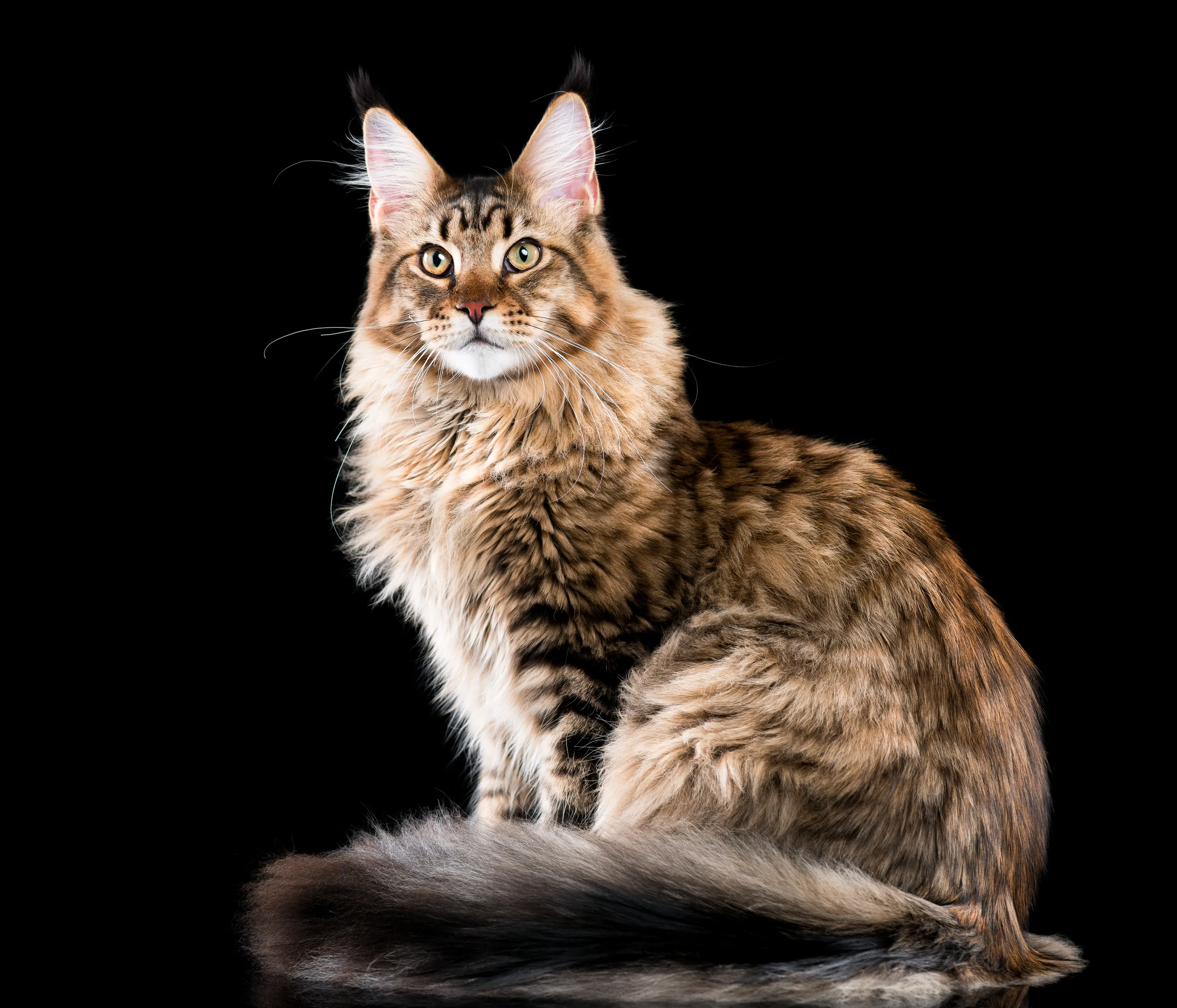
At first glance, a Maine Coon commands attention. Their sheer size, combined with a shaggy triple coat, prominent ear tufts, and a magnificent bushy tail, often leads people to mistake them for wild animals. However, beneath this imposing exterior lies a heart full of warmth and playfulness, earning them their affectionate moniker. Originating in the United States, specifically the state of Maine, the breed has a rich and somewhat mysterious history, deeply intertwined with the region’s rugged landscape and maritime traditions. This connection to a specific geographical destination adds an interesting layer of cultural significance, making the breed almost a living landmark of New England heritage.
Origins Rooted in Maritime History and New England Charm
The true origins of the Maine Coon are shrouded in myth and legend, a testament to their enduring appeal. One popular theory suggests they are descendants of long-haired cats brought to Maine by seafaring traders and explorers, possibly even Vikings. These sturdy European cats would have interbred with short-haired domestic cats already present in North America, eventually evolving into a breed uniquely adapted to the harsh New England winters. Their thick, water-repellent coats and robust build were essential for survival in a climate characterized by heavy snows and freezing temperatures.
Another captivating theory, though biologically impossible, speaks to the folklore surrounding these cats: that they are a hybrid of domestic cats and raccoons, explaining their bushy tails and love for water. While genetically unfounded, this myth underscores the breed’s wild aesthetic and their clever, often playful nature. What is certain is that the Maine Coon was firmly established as a working cat in New England by the mid-19th century, prized for their exceptional mousing skills on farms and ships. They were an integral part of the agricultural and maritime lifestyle, much like a reliable tool or a cherished local attraction. This historical context makes Maine itself a fascinating destination for those intrigued by the breed’s roots, inviting a kind of niche tourism that explores the cultural landscape that shaped these magnificent creatures.
Distinguishing Characteristics: More Than Just Size
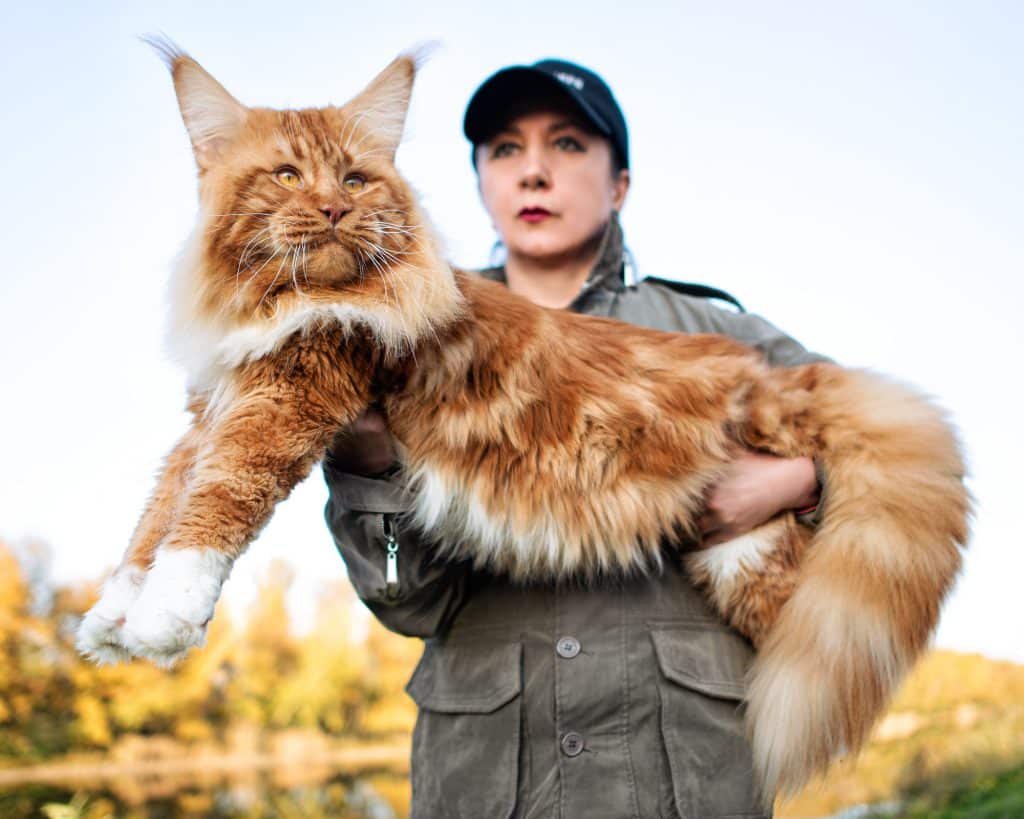
While their size is often the first thing people notice, a Maine Coon possesses a suite of other distinctive features that make them truly unique. Males can weigh between 13 to 18 pounds (6-8 kg) or more, with some individuals exceeding 20 pounds (9 kg), and can reach lengths of up to 40 inches (100 cm) from nose to tail tip, often taking three to five years to reach their full majestic maturity. Females are typically smaller, ranging from 8 to 12 pounds (3.6-5.4 kg).
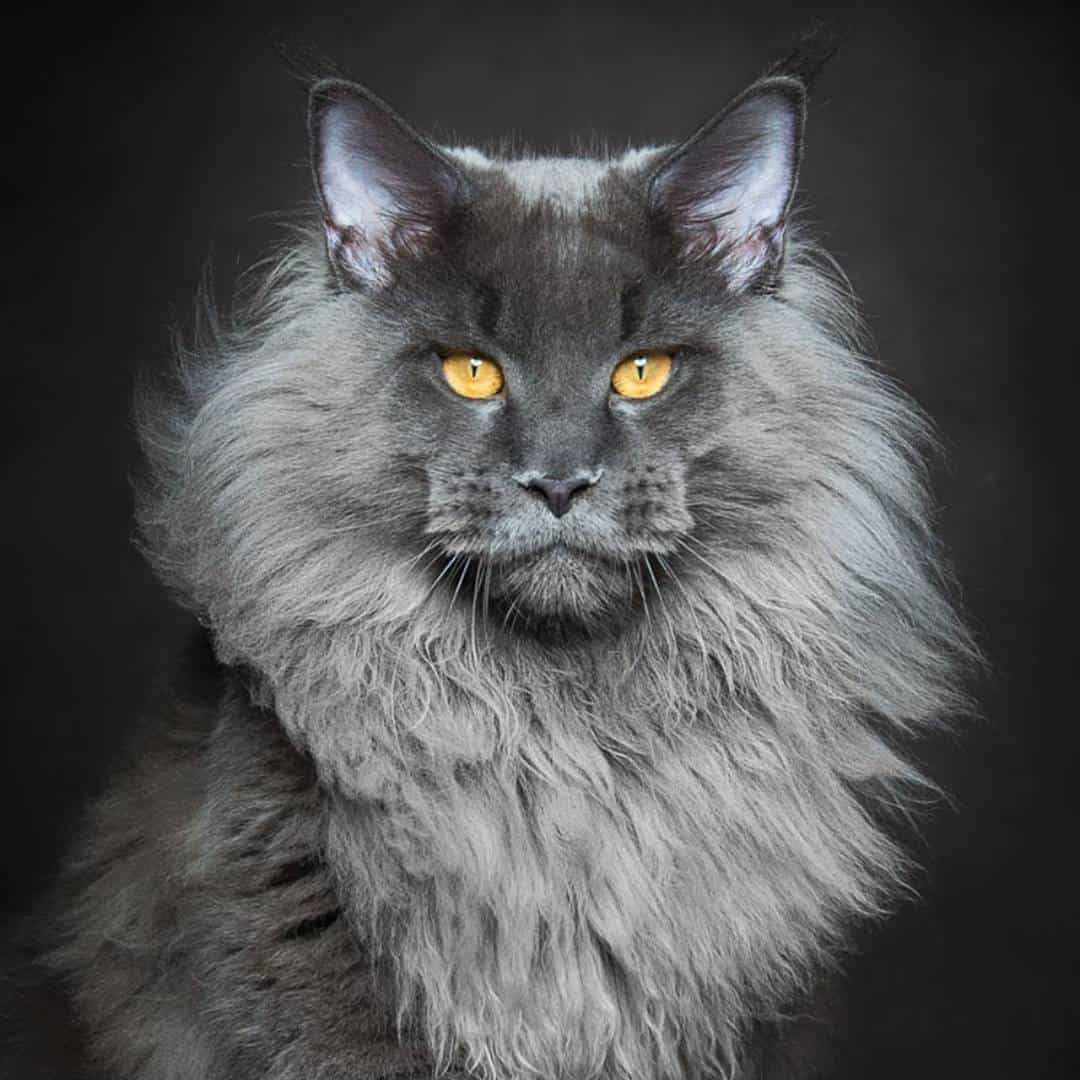
Their coats are semi-longhaired and shaggy, consisting of three layers designed for insulation. The fur is shorter on the shoulders and longer on the stomach and britches, creating a “ruff” around their neck that resembles a lion’s mane – a practical adaptation for protection against the cold. Their tails are famously bushy and plume-like, often as long as their bodies, serving as a natural blanket when curled up. Large, tufted ears (often with lynx tips) and expressive, wide-set eyes, which can be green, gold, or copper, complete their striking appearance. Some Maine Coons also exhibit polydactyly, meaning they have extra toes, a trait that was once common in the breed and thought to be an advantage for navigating snowy terrain or climbing. These physical attributes are not just aesthetic; they are living testaments to their genetic heritage and the environmental pressures that forged them into such a resilient and beautiful breed, making them living landmarks of natural selection.
The Maine Coon Lifestyle: Companionship and Care
Owning a Maine Coon is more than just having a pet; it’s adopting a lifestyle that embraces a highly interactive and affectionate companion. Their reputation for being “dog-like” is well-earned, as they often exhibit behaviors more commonly associated with canines, such as fetching, walking on a leash, and greeting their owners at the door. Their intelligence and adaptability make them wonderful family pets, but their substantial size and grooming needs require a dedicated approach to care. For those who enjoy a certain quality of life, incorporating a Maine Coon into their personal lifestyle means considering everything from daily routines to long-term plans, including how they fit into any travel arrangements or accommodation choices.
Temperament: The “Dog-Like” Cat
Despite their formidable appearance, Maine Coons are renowned for their gentle and amiable temperament. They are incredibly social animals who thrive on interaction with their human families and generally get along well with children and other pets, including dogs. Their intelligence is remarkable; they are easily trained, can learn tricks, and often enjoy puzzle toys that challenge their minds. Unlike many cat breeds, they are not typically “lap cats,” preferring to be near their owners rather than directly on them, often following them from room to room. Their playful nature persists well into adulthood, and they possess a kitten-like curiosity that keeps life interesting. They are also known for their soft, trilling vocalizations, which are a charming contrast to their large size. This unique blend of independence and affection makes them ideal companions for a wide range of individuals and families, enriching the home lifestyle with their distinctive presence.
Nurturing Your Maine Coon: Grooming, Health and Wellness
While their long coats are beautiful, they do require regular grooming to prevent matting and keep them healthy. A weekly brushing session is usually sufficient to remove loose hair and distribute natural oils, though more frequent brushing may be needed during shedding seasons. This can also be a bonding experience, reinforcing the affectionate relationship between cat and owner. Beyond grooming, a balanced diet tailored to their size and activity level is crucial for their overall health.
Maine Coons are generally a robust and healthy breed, but like all purebreds, they can be predisposed to certain genetic conditions. The most notable include hypertrophic cardiomyopathy (HCM), a form of heart disease, and hip dysplasia, a condition affecting the hip joints that is more common in larger breeds. Responsible breeders screen their cats for these conditions. Regular veterinary check-ups, a stimulating environment, and plenty of exercise are vital components of ensuring a long and healthy life for a Maine Coon. The commitment to their wellness reflects a pet owner’s lifestyle choices and their dedication to their animal companions, which extends to planning for their care even when considering travel.
Maine Coons and The World of Travel: Navigating Adventures with Your Feline Friend
For many, a pet is an integral part of the family, and the idea of leaving them behind when embarking on a journey is unthinkable. This is particularly true for Maine Coon owners, whose bond with their “gentle giants” is often profound. However, traveling with a large cat presents unique challenges and considerations that touch upon aspects of logistics, suitable accommodation, and responsible pet ownership. As the travel and tourism industries increasingly cater to pet owners, understanding the nuances of an experience like taking a Maine Coon on an adventure becomes crucial for maintaining both their wellness and your peace of mind.
Planning Your Journey: Travel Considerations for Large Cats
The first hurdle in traveling with a Maine Coon is their size. Unlike smaller cats, they often require larger carriers that comply with airline or vehicle safety standards, which can impact seating arrangements or cargo space. If flying, research airline pet policies meticulously, as restrictions on pet size, weight, and in-cabin vs. cargo options vary widely. Direct flights are often preferable to minimize stress. For road trips, ensuring adequate space, regular breaks, and a familiar environment within the car (like a favorite blanket or toy) can make the journey more comfortable.
Preparation is key: microchipping, up-to-date vaccinations, and a visit to the vet for a health certificate are often prerequisites for travel, especially for international destinations. Consider your cat’s temperament; while Maine Coons are generally adaptable, some may find travel stressful. Pheromone sprays or calming supplements can sometimes help. The comfort and safety of your large feline companion should always be the top priority, making pet-friendly travel guides an invaluable resource for any adventure. This aspect of pet ownership seamlessly integrates into a broader lifestyle choice for those who value both their pets and their ability to explore the world.
Finding the Purr-fect Accommodation: Pet-Friendly Hotels and Resorts
The rise of pet-friendly travel has revolutionized accommodation options, but finding suitable lodging for a large cat like a Maine Coon still requires careful planning. Many hotels, resorts, suites, and apartments now welcome pets, but policies regarding size, breed, and additional fees vary significantly. It’s essential to confirm directly with the establishment about their specific pet policy, especially regarding larger animals.
Look for accommodation that offers more than just a “pets allowed” sign. Ideal pet-friendly hotels or villas might offer amenities such as pet beds, food bowls, designated pet relief areas, or even pet-sitting services. For longer stays or a more home-like experience, consider vacation rentals or serviced apartments that are fully equipped for pets. The burgeoning market for luxury pet travel even offers high-end resorts with lavish pet services, transforming a simple overnight stay into a pampered experience for both owner and Maine Coon. Reading reviews from other pet owners on accommodation booking sites can provide invaluable insights into the true pet-friendliness of a place, ensuring your Maine Coon feels just as welcome as you do.
Tourism with a Maine Coon: Exploring Destinations and Experiences
While dogs are often seen exploring landmarks and attractions with their owners, the idea of cat tourism is gaining traction, especially with leash-trained and adventurous Maine Coons. Many parks, outdoor cafes, and even certain attractions are becoming increasingly pet-inclusive. Owners can research pet-friendly activities and destinations where their feline companions can safely join in, perhaps for a gentle stroll on a leash, or simply to relax outdoors in a pet-friendly zone.
For those interested in the breed’s roots, a trip to Maine itself could offer a unique blend of tourism and cultural experience, exploring the landscapes that shaped these magnificent cats. Imagining a Maine Coon in its ancestral home adds a poetic dimension to the journey. Ultimately, integrating a Maine Coon into a travel lifestyle requires careful planning, patience, and a commitment to their comfort and well-being. It transforms a simple trip into a shared adventure, enriching the lives of both human and feline traveler.
In conclusion, the Maine Coon is a breed of unparalleled charm, intelligence, and majesty. From their mysterious origins in New England to their “dog-like” personalities and impressive physical attributes, they offer a companionship that is both unique and deeply rewarding. Embracing the Maine Coon lifestyle means committing to their care and appreciating their distinct place in the world of companion animals, even as you consider how they might fit into your own travel adventures and choice of accommodation. They are, truly, magnificent creatures that leave an indelible paw print on the hearts of their owners and offer a window into the fascinating interplay of history, geography, and responsible pet ownership.
LifeOutOfTheBox is a participant in the Amazon Services LLC Associates Program, an affiliate advertising program designed to provide a means for sites to earn advertising fees by advertising and linking to Amazon.com. Amazon, the Amazon logo, AmazonSupply, and the AmazonSupply logo are trademarks of Amazon.com, Inc. or its affiliates. As an Amazon Associate we earn affiliate commissions from qualifying purchases.