
For many, the very thought of snow falling in Miami, Florida, seems almost as fantastical as spotting a penguin strolling down South Beach. Renowned globally as a sun-drenched, palm-lined paradise, Miami conjures images of vibrant nightlife, pristine beaches, and an undeniably tropical ambiance. So, when the question arises – Does it snow in Miami? – the immediate, instinctual answer for most would be a resounding no. And for 99.9% of its history, that intuition holds true. However, the story isn’t entirely without a single, fleeting exception, an event so rare it’s etched into the city’s meteorological folklore. This article delves into the unlikelihood of snow in this subtropical haven, what truly defines Miami’s climate, and why millions flock to its shores year after year, precisely for what it offers instead of snowflakes.

The Unlikely Tale of Snow in a Tropical Paradise
To understand why snow is such an anomaly in Miami, one must first appreciate the unique climatic conditions that shape this dynamic metropolis. Unlike many other parts of the United States that experience four distinct seasons, Miami operates on a two-season cycle: the warm, wet season and the warm, dry season.
A Glimpse into Miami’s Climate Profile
Miami’s climate is officially classified as tropical monsoon, bordering on tropical savanna, primarily influenced by its low latitude and proximity to the warm waters of the Atlantic Ocean and the Gulf Stream. This geographical positioning ensures consistently warm temperatures throughout the year. Even in the depths of winter, which in Miami translates to the period between December and February, average daily temperatures rarely dip below 60°F (15°C). Nighttime lows might occasionally touch the 50s°F (10-14°C), but anything colder is a true rarity. The concept of freezing temperatures, a prerequisite for sustained snowfall, is almost entirely alien to the region.
The warm waters surrounding Miami act as a massive heat reservoir, moderating air temperatures and preventing extreme cold fronts from significantly chilling the atmosphere for prolonged periods. When cooler air masses do sweep through Florida, they often lose much of their intensity by the time they reach the southernmost tip, where Miami is situated. This consistent warmth means that any precipitation that does occur, even during the “cooler” months, almost invariably falls as rain.
The Infamous 1977 Flurry: Miami’s Sole Encounter
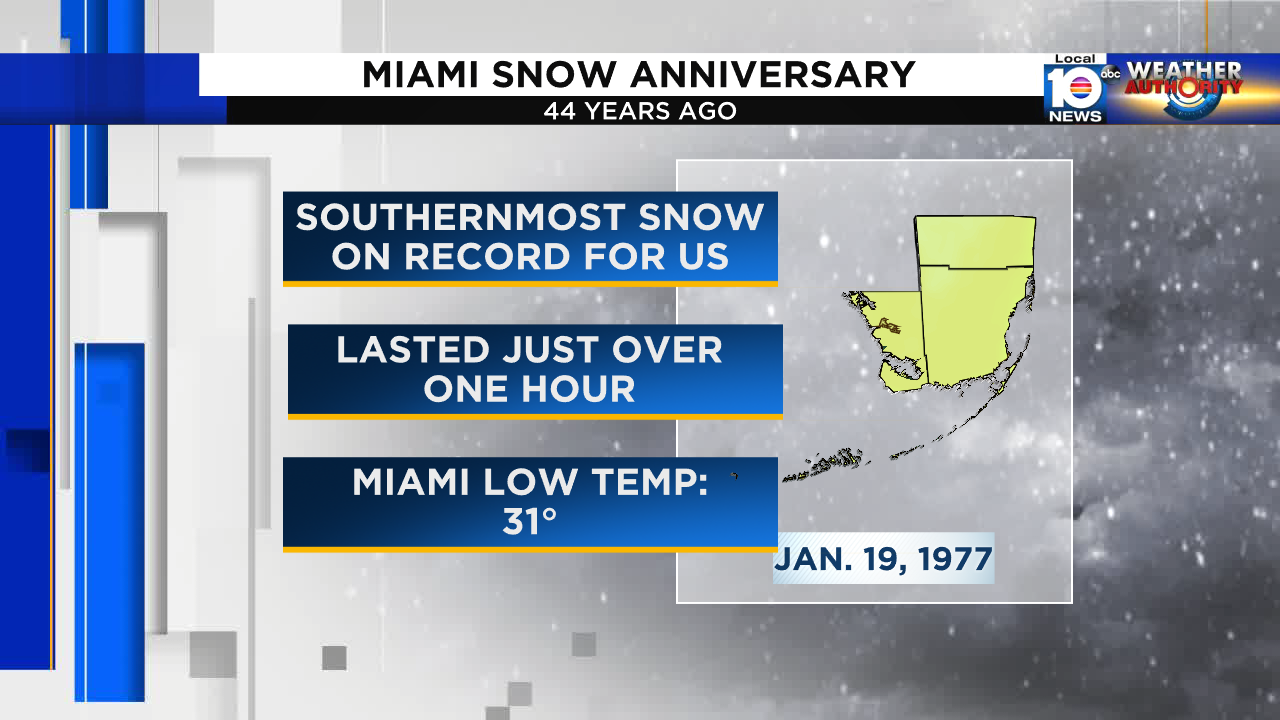
Despite Miami’s unequivocally tropical climate, there is one unforgettable date etched into the city’s memory when the impossible seemed to happen: January 19, 1977. On this historic day, for the first and only recorded time in Miami’s history, residents woke up to something resembling snow.
This wasn’t a blizzard by any stretch of the imagination, nor did it involve any significant accumulation. What transpired were brief, almost ethereal flurries of snow mixed with rain, a phenomenon that quickly dissolved upon contact with the relatively warm ground. The event was triggered by an extraordinary confluence of meteorological factors: an exceptionally strong cold front, unusually dry arctic air, and just enough moisture in the upper atmosphere to allow for ice crystals to form and briefly survive their descent. While it lasted mere minutes and left no measurable impact, it was nonetheless an unprecedented spectacle that captivated local media and bewildered a populace unaccustomed to such a sight. Children, many seeing snow for the very first time, were reportedly fascinated, while adults recounted stories of disbelief and wonder. The event served as a stark reminder of the planet’s capacity for meteorological surprises, even in the most improbable locations. Since that frigid January morning over four decades ago, Miami has not seen a single snowflake, reinforcing its reputation as a steadfast warm-weather destination.
Beyond the Snow: Miami’s Enduring Allure
Given the near impossibility of snow, visitors to Miami naturally come seeking something entirely different. They are drawn to the vibrant culture, the endless sunshine, and the unique blend of Latin American and Caribbean influences that permeate every aspect of life in this dynamic city.
Sunshine, Sand, and Sea: Miami’s Core Appeal
The quintessential Miami experience revolves around its spectacular natural assets: the beaches and the ocean. South Beach, with its iconic pastel-colored lifeguard stands and the shimmering turquoise waters of the Atlantic, is a magnet for sunbathers, swimmers, and fashionistas alike. Beyond South Beach, numerous other stretches of sand like Lummus Park Beach and Crandon Park offer varying ambiances, from lively and energetic to serene and family-friendly. The warm ocean water is perfect for a plethora of water sports, including jet-skiing, paddleboarding, parasailing, and snorkeling. For those who prefer a more relaxed aquatic experience, boat tours along the coastline or through the scenic waterways of Biscayne Bay provide breathtaking views of the city skyline and celebrity homes.
The pervasive sunshine fosters an outdoor-centric lifestyle, encouraging visitors and locals to engage with the city’s natural beauty. Picnics in lush parks, al fresco dining, and strolls along scenic promenades are all part of the daily rhythm. This emphasis on outdoor living significantly contributes to Miami’s appeal as a premier travel destination, especially for those escaping colder climates.
Iconic Landmarks and Must-Visit Attractions
Miami offers a rich tapestry of attractions beyond its beaches, catering to diverse interests.
For history and architecture enthusiasts, the Art Deco Historic District in South Beach is a captivating journey back to the 1930s, showcasing impeccably preserved pastel-hued buildings that are a photographer’s dream. Walking tours are highly recommended to fully appreciate the intricate details and stories behind these architectural gems.
Nature lovers will find solace and adventure in Everglades National Park, a vast wilderness just a short drive from the city. Here, airboat rides offer thrilling encounters with alligators, wading birds, and other unique wildlife in one of the United States’ most important wetland ecosystems. It’s a stark contrast to the urban bustle and a testament to Florida’s incredible biodiversity.
Cultural explorers will be drawn to the vibrant streets of Little Havana, the heart of Miami’s Cuban community. Here, the aroma of Cuban coffee fills the air, dominoes clatter in Maximo Gomez Park, and live music spills from lively restaurants. It’s an immersive experience of local culture, food, and music. Another cultural hotspot is the Wynwood Walls, an outdoor street art museum featuring vibrant murals and graffiti from world-renowned artists. This once-industrial district has transformed into a global hub for urban art, surrounded by trendy galleries, boutiques, and eateries.
Other notable landmarks include Vizcaya Museum & Gardens, an opulent European-inspired estate boasting elaborate gardens and exquisite architecture, offering a glimpse into Miami’s Gilded Age. For shopping and entertainment, Bayside Marketplace, situated on Biscayne Bay, provides a lively atmosphere with shops, restaurants, and boat tours. For families, the Miami Children’s Museum, Zoo Miami, and the Frost Science Museum offer engaging and educational experiences.

A Culinary Journey Through Miami’s Diverse Flavors
Miami’s food scene is as diverse and vibrant as its population, a testament to its status as a melting pot of cultures. The strong Cuban influence is undeniable and essential to any culinary tour of the city. From authentic cafecitos and pastelitos to hearty ropa vieja and medianoche sandwiches, the flavors of Cuba are deeply ingrained in Miami’s gastronomic identity, particularly in neighborhoods like Little Havana.
Beyond Cuban cuisine, the city boasts an impressive array of international flavors, reflecting its diverse immigrant communities. Expect to find exceptional Latin American dishes from Colombia, Peru, Argentina, and beyond, often with a unique Miami twist. Given its coastal location, fresh seafood is a staple, with stone crab claws during season and ceviche being local favorites.
Miami also excels in fine dining, particularly in areas like South Beach, Brickell, and Coral Gables, where world-renowned chefs have established outposts. For those seeking luxury travel experiences, gourmet restaurants offer innovative menus and exquisite ambiance. On the other end of the spectrum, budget travelers can enjoy delicious and authentic flavors from countless food trucks and casual eateries scattered throughout the city. The food scene is constantly evolving, with new culinary trends and fusions emerging regularly, making every meal an adventure.
Planning Your Perfect Miami Escape
To truly experience the magic of Miami, careful planning is key, especially when considering the best time to visit and how to navigate its sprawling urban landscape.
When to Visit: Navigating Miami’s Seasons
The ideal time to visit Miami is generally from November to April. During these months, the weather is at its most pleasant: dry, sunny, and significantly less humid, with comfortable temperatures that rarely feel too hot. This “winter” period is perfect for enjoying the beaches, outdoor activities, and exploring the city without the oppressive heat and humidity of summer. It’s also when many of Miami’s most prestigious events take place, such as Art Basel, the Miami International Boat Show, and the South Beach Wine & Food Festival, attracting a global audience. While this is peak season, leading to higher prices for accommodation and flights, the exceptional weather and vibrant atmosphere often justify the cost.
The summer months, from May to October, bring intense heat, high humidity, and frequent afternoon thunderstorms. This period also coincides with hurricane season, which runs from June 1st to November 30th. While hurricanes are not an annual occurrence, it’s a factor to consider for travel insurance and flexibility. Despite these challenges, summer can offer advantages for budget travelers, with lower prices and fewer crowds at many attractions. The ocean remains wonderfully warm, making it ideal for swimming and water sports, and many indoor activities like museums and shopping remain popular.
Where to Stay: Accommodation for Every Traveler
Miami offers a vast array of accommodation options, catering to every style of travel and budget, whether you’re seeking luxury resorts, family-friendly hotels, or a long-term stay.
For those desiring a glamorous escape, luxury resorts abound on South Beach and along the pristine coastline of Bal Harbour. These establishments often boast private beach access, world-class spas, gourmet dining, and lavish amenities, perfect for a luxurious travel lifestyle. Upscale boutique hotels in areas like Coral Gables and Brickell offer a more intimate and sophisticated experience, often with unique architectural styles and personalized service.
Family trips are well-served by numerous hotels near Downtown Miami and in suburban areas, providing spacious suites, pools, and convenient access to family-friendly attractions like Zoo Miami. For those seeking greater flexibility or longer stays, vacation rentals, including apartments and villas, are popular choices, especially in neighborhoods like South Beach and Key Biscayne. These often come with fully equipped kitchens and multiple bedrooms, ideal for groups or extended visits. Budget travelers can find more affordable options slightly away from the main tourist hubs, or consider hostels and guesthouses for a more economical trip without compromising on the Miami experience. When booking, it’s always wise to compare reviews and look for deals, especially during the off-peak season.
Exploring the Magic: Transportation and Activities
Navigating Miami is relatively straightforward, with various transportation options available. In Downtown Miami and Brickell, the free Metromover offers an efficient way to travel between key areas, offering elevated views of the city. A comprehensive bus system covers most of Miami-Dade County, making it a budget-friendly option for getting around. Ride-sharing services like Uber and Lyft are widely available and convenient, especially for night-time excursions or longer distances. For maximum flexibility, especially if you plan to explore beyond the city limits to places like Everglades National Park or the Florida Keys, renting a car is highly recommended, though parking in popular areas can be challenging and costly.
Beyond the popular attractions, Miami thrives on activities that cater to every interest. The nightlife, particularly in South Beach and Brickell, is legendary, with world-class clubs and vibrant bars. For a more relaxed evening, waterfront dining or a stroll along the Lincoln Road Mall offers a different ambiance. Cultural activities include exploring museums like the Pérez Art Museum Miami, attending live performances at the Adrienne Arsht Center, or discovering local art galleries in areas like Wynwood. For a touch of luxury travel, high-end shopping at Bal Harbour Shops or the Miami Design District provides an exclusive retail experience.
Essential Tips for an Unforgettable Trip
To make the most of your Miami adventure, consider these practical tips:
- Stay Hydrated: The tropical climate, especially in summer, can be intense. Always carry water, particularly when spending time outdoors.
- Sun Protection is Key: The Florida sun is strong. Generous application of high-SPF sunscreen, a wide-brimmed hat, and sunglasses are non-negotiable.
- Explore Beyond South Beach: While iconic, Miami has a rich tapestry of neighborhoods, each with its own distinct character. Venture to Little Havana, Wynwood, Coral Gables, or Coconut Grove for diverse experiences.
- Try Cuban Coffee: A small, potent dose of cafecito is a local tradition and an invigorating way to start your day or combat the afternoon slump.
- What to Pack: Light, breathable clothing (linens, cotton), swimwear, comfortable walking shoes, and a light jacket for cooler evenings or air-conditioned interiors are essential. Forget heavy coats or snow boots – they certainly won’t be needed!
Miami in Context: A Jewel Among Florida’s Destinations
While Miami shines as a unique gem, it’s also part of a diverse collection of Florida cities, each offering distinct experiences for travelers. Compared to Orlando, Miami offers a more sophisticated urban appeal and beach culture, contrasting with Orlando’s world-famous theme parks and inland setting. Key West, at the very tip of the Florida Keys, boasts an even more laid-back, island vibe, with no snow in its history either, but a much smaller scale and different range of attractions. Tampa, on Florida’s Gulf Coast, presents a blend of cultural attractions, historical sites, and family-friendly activities, distinct from Miami’s Latin flair and Atlantic shores. Each city contributes to Florida’s reputation as a diverse travel destination, but Miami holds its own as a vibrant, international hub.
In conclusion, the answer to “Does it snow in Miami?” is, practically speaking, no. The singular, fleeting event in 1977 remains a historical footnote rather than a climatic expectation. Instead of chasing snowflakes, visitors to Miami are invited to embrace the warmth, the sunshine, the rich cultural tapestry, and the endless array of experiences that make this tropical paradise one of the world’s most desirable destinations, offering a vibrant escape from the cold, year-round.
LifeOutOfTheBox is a participant in the Amazon Services LLC Associates Program, an affiliate advertising program designed to provide a means for sites to earn advertising fees by advertising and linking to Amazon.com. Amazon, the Amazon logo, AmazonSupply, and the AmazonSupply logo are trademarks of Amazon.com, Inc. or its affiliates. As an Amazon Associate we earn affiliate commissions from qualifying purchases.