
Miami, the vibrant jewel of South Florida, is renowned globally for its stunning beaches, dynamic Art Deco Historic District, pulsating nightlife, and rich multicultural tapestry. As a premier destination for travelers seeking sun, luxury, and unforgettable experiences, Miami consistently draws millions to its shores. However, its coveted coastal location, nestled between the Atlantic Ocean and the Gulf of Mexico, naturally raises an important question for prospective visitors and residents alike: Does Miami get hurricanes?
The straightforward answer is yes. As a city situated in Florida, a state frequently exposed to tropical weather systems, Miami is indeed within the Atlantic Hurricane Season zone. This reality, while significant, should not deter adventurers from experiencing all that this incredible city has to offer. Instead, understanding the hurricane season, being prepared, and knowing how to navigate potential weather events are key to a safe and enjoyable trip. Our comprehensive guide will delve into Miami’s relationship with hurricanes, offering essential insights for planning your next unforgettable journey.

Understanding Miami’s Hurricane Season
The official Atlantic Hurricane Season runs annually from June 1st to November 30th. During this six-month period, conditions in the Atlantic Ocean, Caribbean Sea, and Gulf of Mexico are conducive to the formation of tropical depressions, tropical storms, and hurricanes. While the entire season warrants awareness, the peak months for hurricane activity in Florida and the broader United States typically fall between August and October.
It’s crucial to distinguish between being in the hurricane season and experiencing a direct hit. While Miami is undeniably in an active zone, the probability of a specific location being directly impacted by a major hurricane in any given year remains relatively low. Many seasons pass with no direct landfalls, or with only minor tropical storm activity. However, the potential for severe weather underscores the importance of being informed and prepared, particularly when planning travel or accommodation during these months.
The geographic positioning of Miami makes it particularly vulnerable. As a major coastal city with a significant portion of its infrastructure at low elevations, even indirect hits or strong tropical storms can bring substantial rainfall, storm surge, and high winds, leading to flooding and power outages. The flat terrain of South Florida means that water can accumulate quickly and drain slowly, impacting transportation and access to various Miami attractions.
Historical Context: Miami’s Encounters with Hurricanes
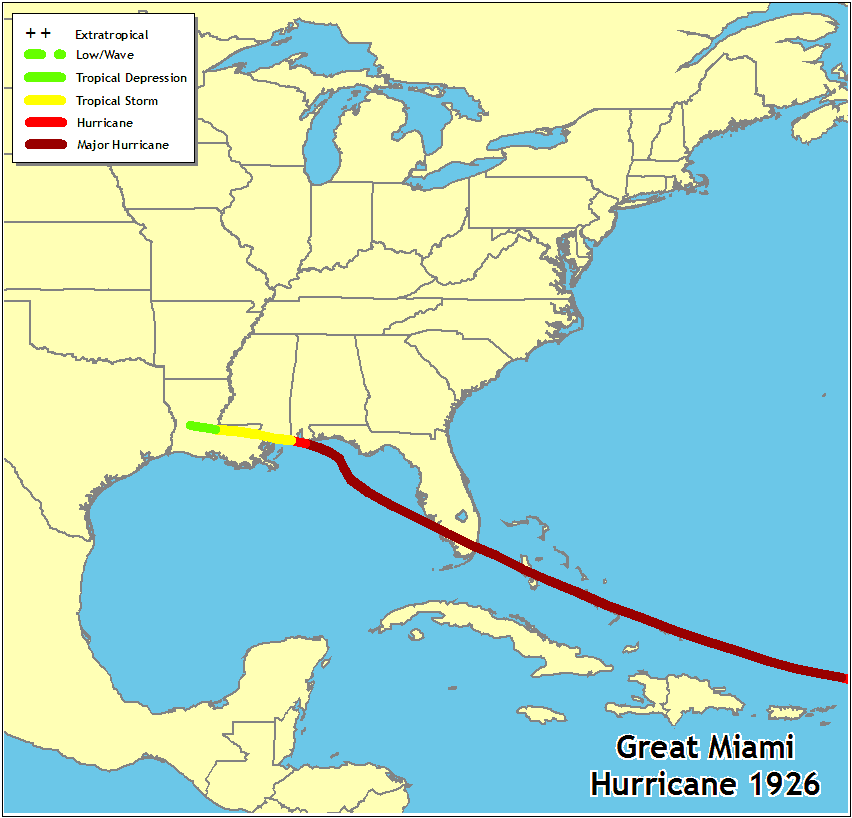
Miami has a history marked by significant hurricane events, demonstrating both the destructive power of these storms and the incredible resilience of its community. Understanding these past events provides valuable context for how the city and its tourism infrastructure have adapted.
One of the most devastating storms in Florida’s history, and a benchmark for hurricane preparedness, was Hurricane Andrew in 1992. While Andrew made landfall just south of Miami in Homestead as a Category 5 storm, its immense power caused catastrophic damage across parts of Miami-Dade County, forever changing building codes and emergency response protocols throughout the state. The lessons learned from Andrew led to stricter construction standards, better early warning systems, and enhanced evacuation procedures, making Miami and Florida far more resilient today.
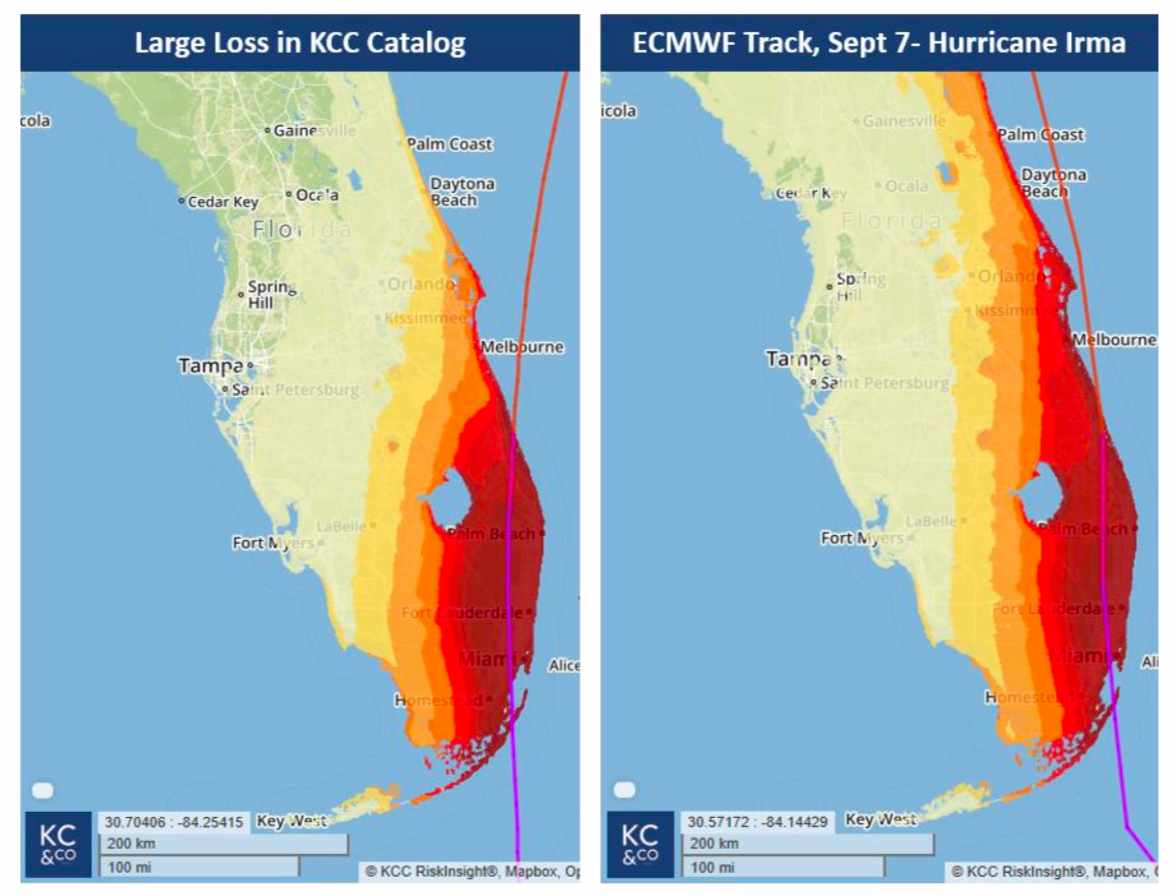
More recently, Hurricane Irma in 2017 served as another significant test. Irma impacted a vast swath of Florida, including Miami, bringing widespread power outages, significant flooding, and strong winds. Although it weakened before reaching South Florida directly, its sheer size and intensity led to extensive preparations and evacuations. The city’s rapid recovery demonstrated the effectiveness of its updated emergency plans and the strong community spirit.
Other notable storms like Hurricane Wilma in 2005 also left their mark. Each event, while challenging, has contributed to Miami’s ongoing evolution as a city that understands and respects its environment. Today, infrastructure is designed with hurricane resistance in mind, from hardened hotel structures to improved drainage systems.
Preparing for a Trip to Miami During Hurricane Season
Traveling to Miami during hurricane season can be perfectly safe and enjoyable, especially if you are prepared and informed. Many visitors choose to travel during these months due to potentially lower prices for flights and hotels, and fewer crowds at popular attractions. The key is proactive planning and staying vigilant.
The most critical step is to monitor weather forecasts closely, especially as your travel date approaches. Reliable sources like the National Hurricane Center (NHC) and the National Weather Service (NWS) provide real-time updates, advisories, and tracking maps that are essential for making informed decisions. Local Miami news channels and emergency management websites also offer specific guidance for the region.
Flexibility in your travel plans is also paramount. When booking flights, hotels, and tours, inquire about cancellation policies and consider options that allow for last-minute changes without hefty penalties. Many airlines and hotels offer waivers during declared hurricane emergencies, but it’s always best to understand these policies upfront.
Essential Safety Tips and Resources
Should a hurricane threaten Miami during your stay, knowing the local safety protocols is vital. The city and Miami-Dade County have robust emergency management systems designed to protect residents and visitors.
- Heed Evacuation Orders: If local authorities issue an evacuation order for Miami or specific coastal areas like Miami Beach or Key Biscayne, follow them immediately. These orders are given for your safety.
- Emergency Kit: While you might not carry a full emergency kit as a tourist, having a small bag with essentials is prudent. This could include copies of important documents, medications, a portable phone charger, and some non-perishable snacks and water.
- Stay Informed: Beyond national weather sources, tune into local news, radio, and official Miami-Dade County emergency alerts. Many hotels will also have specific emergency plans and communication channels for guests.
- Know Your Accommodation’s Plan: Before or upon arrival, ask your hotel or accommodation provider about their hurricane preparedness plans. Many modern resorts and high-rise hotels in Miami are built to withstand hurricane-force winds and often have backup generators, secure shelter areas, and provisions for guests.
- Communication Plan: Have a way to contact family or friends outside the affected area to let them know you are safe.
Travel Insurance: Your Lifeline During Unforeseen Events
One of the most effective ways to mitigate the financial risks associated with hurricane season travel is to purchase comprehensive travel insurance. A good policy can cover a range of unforeseen events, including trip cancellations or interruptions due to hurricanes, emergency medical expenses, and even evacuation costs.
When selecting a policy, pay close attention to the fine print regarding weather-related incidents. Some policies have “named storm” clauses, meaning coverage only kicks in once a storm has been officially named. Others might have waiting periods or exclusions for pre-existing weather events. It’s advisable to purchase travel insurance shortly after booking your trip to ensure maximum coverage against any developing situations. This provides peace of mind, knowing that your investment is protected should Mother Nature decide to make an appearance.
Enjoying Miami Safely: Beyond Hurricane Season
Even during hurricane season, most days in Miami are sunny and beautiful, offering perfect conditions for exploring. The city and its surrounding areas are vibrant year-round, with an array of activities and attractions catering to every interest.
Top Attractions and Experiences in Miami
Miami is a tapestry of diverse neighborhoods and experiences. For beach lovers, South Beach offers iconic white sands, turquoise waters, and a lively atmosphere perfect for sunbathing or people-watching. The historic Art Deco Historic District provides a fascinating glimpse into 1930s architecture, best explored on a walking tour.
Culturally, Little Havana invites visitors to immerse themselves in Cuban heritage, from savoring authentic Cuban coffee and cigars to enjoying live music and domino games at Maximo Gomez Park. Art enthusiasts will revel in the contemporary masterpieces at the Pérez Art Museum Miami (PAMM) or explore the innovative street art of the Wynwood Walls and its vibrant gallery scene. For families, the Phillip and Patricia Frost Museum of Science offers interactive exhibits and a planetarium, while the stunning Vizcaya Museum & Gardens transports visitors to a European estate overlooking Biscayne Bay.
Nature lovers can venture out to Everglades National Park for airboat tours, spotting alligators and diverse birdlife, or explore the serene beaches and nature trails of Key Biscayne. And for those who prefer urban exploration, the bustling Downtown Miami offers high-end shopping, gourmet dining, and impressive skyline views.
Many of these attractions offer fantastic indoor experiences, providing excellent alternatives if the weather turns less favorable. Miami’s thriving culinary scene, from upscale Coral Gables restaurants to casual beachside cafes, also offers plenty of sheltered enjoyment.
Choosing the Right Accommodation
When planning your trip to Miami, especially during hurricane season, the choice of accommodation can significantly impact your experience and safety. Modern hotels and resorts in Miami are built to stringent Florida building codes, which are among the strongest in the United States for hurricane resistance.
Look for properties that emphasize their hurricane preparedness. Many high-rise hotels are concrete structures designed to withstand high winds. Inquire about:
- Generator Backup: Does the hotel have backup generators to maintain power for essential services (elevators, lighting, AC) during outages?
- Food and Water Provisions: In case of a temporary shelter-in-place order, does the hotel have adequate food and water supplies for guests?
- Communication Systems: How will the hotel communicate with guests about weather updates and emergency procedures?
- Elevated Locations: If staying in a coastal area, consider hotels on higher ground or with robust flood mitigation measures. Many newer properties are constructed on elevated foundations to protect against storm surge.
For those considering long-term stays or apartment rentals, ensure the property adheres to modern building codes and that the owner or management company has clear emergency plans. It’s also wise to check if your chosen accommodation has impact-resistant windows or hurricane shutters.
Ultimately, Miami offers a vast selection of accommodations, from luxurious suites and sprawling resorts to charming boutique hotels and cozy apartments. By prioritizing safety features and communication from your chosen lodging, you can ensure a secure and comfortable experience regardless of the season.
Miami: A Resilient Destination
While Miami does experience hurricanes, the city has evolved into a highly resilient destination. Its extensive experience with tropical weather systems has led to cutting-edge infrastructure, robust emergency protocols, and a community deeply committed to safety and recovery. For travelers, this means that with proper planning and awareness, a trip to Miami during any season can be immensely rewarding.
The beauty, culture, and excitement of Miami are undeniable. From the pristine beaches of South Beach to the vibrant nightlife and world-class dining, the city continues to offer unparalleled travel experiences. By staying informed, having a flexible plan, and investing in travel insurance, you can confidently explore this dynamic metropolis. Miami is more than just a place; it’s a lifestyle, a destination that blends relaxation with exhilaration, and it remains ready to welcome you, come rain or shine.
LifeOutOfTheBox is a participant in the Amazon Services LLC Associates Program, an affiliate advertising program designed to provide a means for sites to earn advertising fees by advertising and linking to Amazon.com. Amazon, the Amazon logo, AmazonSupply, and the AmazonSupply logo are trademarks of Amazon.com, Inc. or its affiliates. As an Amazon Associate we earn affiliate commissions from qualifying purchases.