
The question “How far is Cuba from Miami?” is more than a simple geographical query; it encapsulates a complex tapestry of history, politics, culture, and human aspiration. For decades, this seemingly short distance has represented a vast chasm, a symbolic barrier separating families and traditions, yet simultaneously fostering a unique and resilient cultural exchange. As a hub for travel enthusiasts, we often delve into the practicalities of destinations, accommodation, and local experiences. However, understanding the physical proximity between Miami and Cuba helps us appreciate the profound connection and separation that defines their relationship.
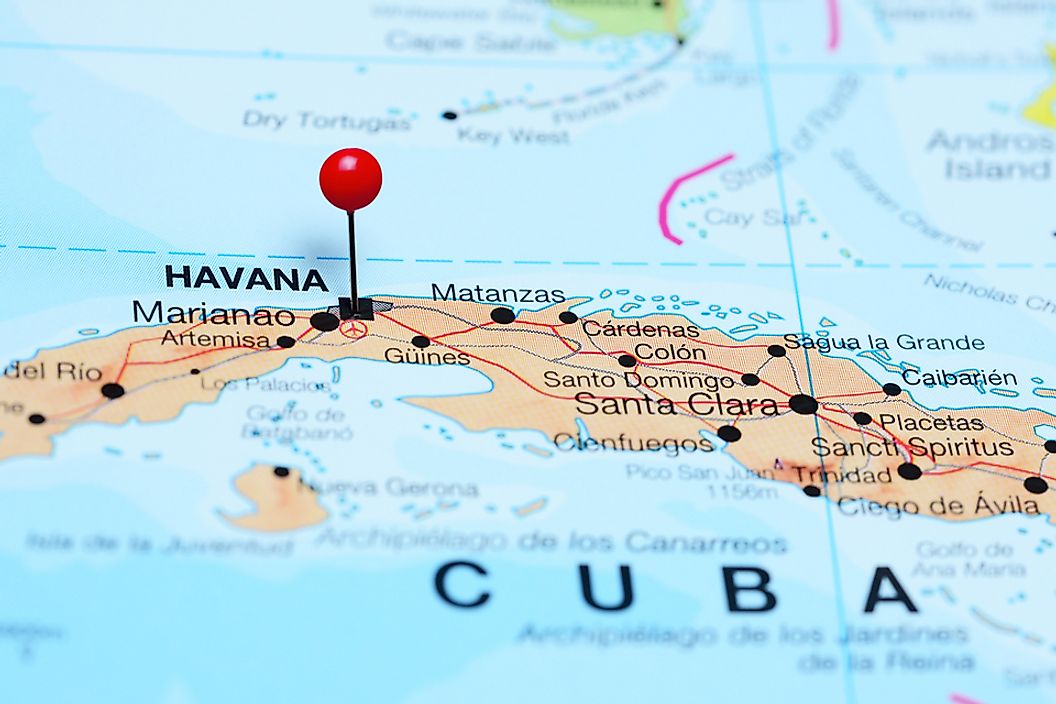
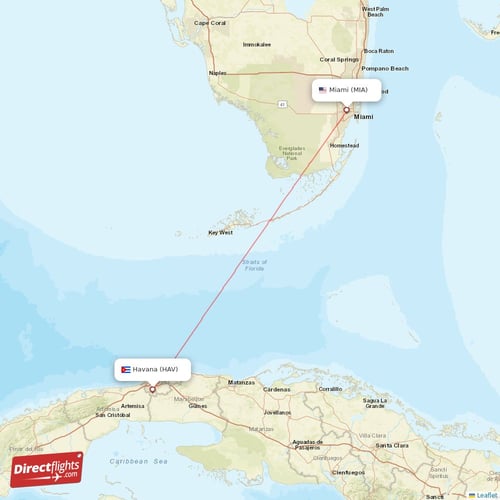
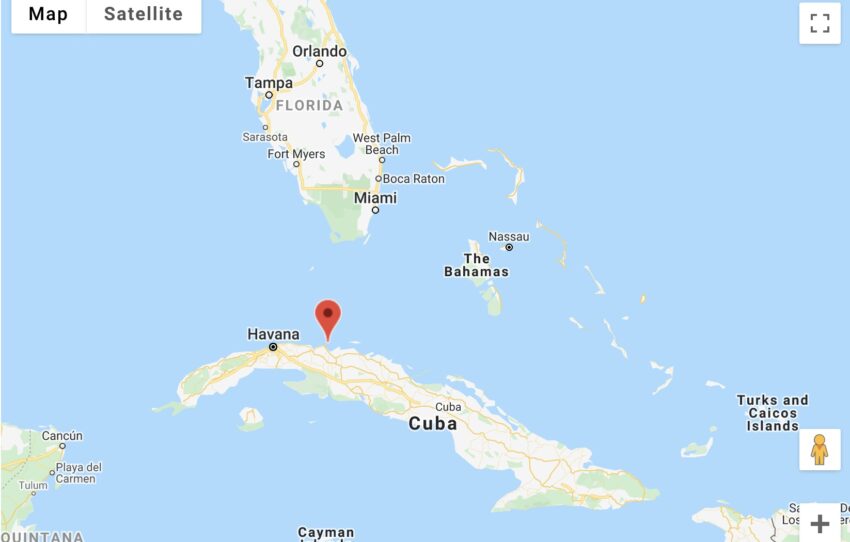
At its closest point, the distance between Key West, Florida (part of the United States), and Havana, Cuba, is approximately 90 miles (145 kilometers). From downtown Miami to Havana, the distance stretches slightly to about 228 miles (367 kilometers) across the Strait of Florida. This narrow stretch of water in the Caribbean region, connecting the Atlantic Ocean to the Gulf of Mexico, is one of the world’s busiest shipping lanes and a frequent pathway for those attempting to cross between the two nations.
The Geographic and Historical Proximity
The geographical closeness of Cuba to the United States has always been a defining feature of their shared history. Long before modern political divides, the island served as a crucial strategic point in the Caribbean for colonial powers and later for the burgeoning American influence in the region.
The Narrow Divide of the Strait of Florida
The Strait of Florida is a vibrant marine environment, often traversed by marine life, including dolphins and migratory birds. Its currents, however, can be powerful and unpredictable, making sea travel challenging without proper vessels. For travelers and adventurers, it represents a natural boundary that is both enticing and formidable. While physically a small barrier, it has been instrumental in shaping distinct ecological systems and, more importantly, geopolitical landscapes. This proximity also positions both Miami and Cuba within the same hurricane belt, influencing weather patterns and seasonal travel considerations.
Historical Significance of the Connection
The bond between Cuba and Miami is deeply rooted in a shared past that predates the Cuban Revolution. In the early 20th century, Havana was a playground for American tourists, with direct flights and ferry services operating regularly. American businesses thrived on the island, and the cultural exchange was robust. Iconic figures like Ernest Hemingway spent significant time living in Cuba at Finca Vigía, drawing inspiration from its vibrant atmosphere, before retreating to Key West, another Florida city with strong Cuban influences, where his Ernest Hemingway Home and Museum still stands. This era cemented a connection that would eventually be disrupted but never entirely severed.
The Cuban Revolution of 1959 and the subsequent political developments, including the Cuba Missile Crisis in 1962, led to severe restrictions on travel and trade between the two nations. Miami became a primary haven for Cuban exiles, transforming the city into a vibrant epicenter of Cuban culture outside of Cuba itself. This influx of population and culture has profoundly shaped Miami’s identity, giving rise to neighborhoods like Little Havana, a tangible manifestation of this enduring bond.
Navigating the Journey: Travel Routes and Logistics
Despite the short distance, traveling between Miami and Cuba has been, for many years, far from straightforward. The legal and logistical challenges have made the journey a significant undertaking, primarily regulated by the United States government’s policies regarding travel to Cuba. However, understanding the available routes and regulations is essential for anyone considering a visit to the island nation.
Air Travel: Past and Present Connections
In periods of eased restrictions, direct commercial flights have operated between Miami International Airport (MIA) and José Martí International Airport in Havana, reducing the travel time to less than an hour. These flights primarily served authorized categories of travelers, such as those visiting family, engaging in professional research, educational activities, or journalistic endeavors. The convenience of air travel makes it the preferred method for most, transforming what was once an arduous journey into a short hop. For those flying, it’s worth noting that baggage allowances and customs procedures can differ from typical international flights, often requiring specific attention to detail.
When direct flights are unavailable or limited, travelers often reroute through third countries like Mexico or the Bahamas. This indirect approach adds significant time and cost to the journey, but it has historically provided an alternative for those determined to reach Cuba. Such routes highlight the political distance even as the geographical distance remains minimal.
Sea Voyages: Cruising and Private Boats
Before the embargo, ferry services were a popular way to bridge the gap, offering a scenic and leisurely journey. More recently, cruise lines briefly offered itineraries that included Cuban ports, particularly Havana. These cruises provided a structured way for tourists to visit the island, with pre-arranged activities and excursions that complied with United States regulations. Passengers could experience the vibrant culture of Old Havana, explore the historic Plaza de la Revolución, and stroll along El Malecón, all while enjoying the amenities of their resort-style ship.
Private boating, while tempting given the short distance, is heavily regulated and often prohibited for United States citizens. Any attempt to cross the Strait of Florida by private vessel requires strict adherence to international maritime laws and the specific regulations imposed by both governments. Unauthorized crossings can lead to severe penalties, underscoring the political complexities that overlay simple geography.
Navigating Travel Restrictions and Regulations
For United States citizens, travel to Cuba is still largely restricted to specific categories of authorized travel. These include family visits, humanitarian projects, professional research, educational activities, religious activities, and public performances, among others. General tourism for leisure remains prohibited, requiring travelers to choose one of the approved “general licenses” and retain records of their trip for up to five years. It’s crucial for prospective visitors to thoroughly research the current regulations set by the U.S. Department of Treasury’s Office of Foreign Assets Control (OFAC) to ensure compliance. Most trips are often booked through specialized agencies that understand these nuances, ensuring a smooth and legal journey.
A Tale of Two Cultures: Experiencing Both Destinations
Despite the historical and political divisions, both Miami and Cuba offer incredibly rich and distinct travel experiences that speak to their shared history and independent evolution. For those interested in local culture, food, and vibrant lifestyles, exploring both sides of this divide can be profoundly rewarding.
Miami: A Vibrant Gateway to the Tropics
Miami is a dynamic, multicultural city, often referred to as the “Gateway to the Americas.” Its vibrant energy is palpable, from the iconic beaches of South Beach with its pastel-colored Art Deco Historic District to the bustling streets of Little Havana. Here, visitors can immerse themselves in Cuban heritage, enjoying strong coffee, hand-rolled cigars, and lively salsa music along Calle Ocho.
Beyond its Cuban heart, Miami offers a wealth of attractions. Landmarks like the historic Vizcaya Museum & Gardens, the soaring Freedom Tower, and the luxurious shopping and dining experiences in the Miami Design District and Coconut Grove showcase the city’s diverse appeal. Nature lovers can venture to nearby Everglades National Park for airboat rides and wildlife viewing. Miami’s hotel scene ranges from opulent resorts like the Fontainebleau Miami Beach offering luxury travel experiences to charming boutique hotels and vacation apartments, catering to various budgets and lifestyles.
Cuba: An Island Frozen in Time
Just a short flight away, Cuba presents a starkly different yet equally captivating world. Time seems to slow down, with classic American cars still cruising the streets and colonial architecture dominating cityscapes. Havana is the undisputed cultural capital, with its UNESCO World Heritage site of Old Havana, where crumbling pastel buildings, vibrant street art, and lively music fill the air. Must-see landmarks include the grand Capitolio Nacional, the bustling Parque Central, and the legendary Hotel Nacional de Cuba.
Beyond Havana, Cuba offers a diverse array of attractions. The lush tobacco fields and unique limestone formations of the Viñales Valley provide breathtaking nature experiences. The beautifully preserved colonial city of Trinidad transports visitors back in time, while the pristine beaches of Varadero, Cayo Largo del Sur, and the Jardines del Rey archipelago (including Cayo Santa María) offer idyllic resort getaways. Cuban cuisine, a fusion of Spanish, African, and Caribbean influences, is a delight for the senses, from ropa vieja to mojitos.
Cultural Overlap and Distinctive Charms
The enduring proximity has led to fascinating cultural overlaps. In Miami, the sounds of salsa and the aroma of strong coffee are ubiquitous, reflections of the Cuban diaspora. In Cuba, despite decades of isolation, echoes of American influence can still be found in the classic cars and a certain nostalgic charm. Yet, each destination maintains its distinctive appeal. Miami epitomizes modern American dynamism with a Latin twist, while Cuba offers a glimpse into a unique socialist society, rich in history and resilience. Understanding these nuances makes a trip to either, or ideally both, far more enriching.
Planning Your Journey: Accommodation and Activities
When considering a trip that involves either or both Miami and Cuba, careful planning around accommodation and activities is key. The types of experiences and lodging vary significantly, catering to different lifestyles and budgets.
Accommodation Options in Miami
Miami boasts an impressive range of accommodation options. For those seeking luxury travel, there are five-star resorts with world-class amenities and suites directly on the beach, offering unparalleled service and spectacular views. Boutique hotels in the Art Deco Historic District provide charming, unique stays with a nod to Miami’s artistic heritage. For family trips or those on a budget travel, numerous vacation apartments and budget-friendly hotels are available across the city. Booking in advance, especially during peak season (November to April), is highly recommended, and checking reviews and doing a price comparison can help secure the best deals.
Staying in Cuba: Casas Particulares and Hotels
In Cuba, the accommodation landscape offers a blend of state-run hotels and increasingly popular private guesthouses known as casas particulares. Staying in a casa particular is often the preferred choice for travelers seeking an authentic cultural immersion, offering a chance to interact directly with Cuban families and experience local culture firsthand. These private rooms or apartments provide comfortable, affordable lodging, often with home-cooked meals.
State-run hotels, ranging from historic landmarks like the Hotel Nacional de Cuba and Habana Libre in Havana to modern resorts in Varadero or Cayo Santa María, offer more conventional amenities and services, often catering to international package tourism. For booking accommodation in Cuba, it’s advisable to use specialized travel agencies or platforms that understand the local infrastructure and payment methods, as internet access can be limited.
Activities and Experiences on Both Sides
In Miami, activities abound: sunbathing and swimming at South Beach, exploring the vibrant art scene in Wynwood, enjoying gourmet food tours, or experiencing the nightlife. For family trips, attractions like the Frost Science Museum and the Miami Zoo are popular. Business stays often revolve around conferences and corporate events in the city’s numerous upscale venues.
Cuba offers a treasure trove of cultural experiences: dancing salsa at a Casa de la Música, learning about cigar production in Viñales Valley, exploring the cobblestone streets of Old Havana, or simply relaxing on the white sandy beaches of Varadero. History buffs will appreciate the many museums and historic sites, while nature enthusiasts can delve into hiking or diving in protected areas. Engaging with locals and savoring the unique Cuban cuisine are central to the travel experience.
The Enduring Connection and Future Prospects
The question “How far is Cuba from Miami?” ultimately highlights not just a physical measurement but a profound human story. The geographic closeness has fostered an unbreakable bond, a shared destiny that continues to evolve.
The Human Element: Family Ties and Cultural Exchange
For countless individuals, the journey between Miami and Cuba is a deeply personal one, driven by family ties and a yearning for connection. Generations have grown up with relatives on both sides of the Strait of Florida, maintaining relationships through letters, phone calls, and, when permitted, actual visits. This constant human element ensures that despite political fluctuations, the cultural exchange and mutual influence persist. Cuban art, music, and food flourish in Miami, while American influences, particularly through remittances and visitor interactions, subtly permeate Cuban society.
Looking Ahead: The Evolving Travel Landscape
The relationship between Cuba and the United States is a dynamic one, with policies regarding travel and trade subject to change. As global tourism continues to evolve, there’s always the prospect of further normalization, which could once again open up easier access for travelers wishing to explore this fascinating island nation. The potential for cruise lines to resume itineraries, for direct flights to increase, and for a broader range of travel categories to be permitted could significantly reshape the travel landscape.
For travelers planning future trips, staying informed about the latest travel guides and regulations is crucial. Regardless of political currents, the allure of Cuba’s unique lifestyle and the vibrant energy of Miami will continue to draw visitors. Both destinations offer rich experiences, from luxury travel to budget-friendly adventures, making them compelling choices for those seeking diverse cultures, beautiful landmarks, and unforgettable memories. The short physical distance belies a journey through distinct historical narratives, but for the discerning traveler, the opportunity to witness both sides of this unique relationship is an unparalleled reward.
LifeOutOfTheBox is a participant in the Amazon Services LLC Associates Program, an affiliate advertising program designed to provide a means for sites to earn advertising fees by advertising and linking to Amazon.com. Amazon, the Amazon logo, AmazonSupply, and the AmazonSupply logo are trademarks of Amazon.com, Inc. or its affiliates. As an Amazon Associate we earn affiliate commissions from qualifying purchases.