
Miami, often celebrated as a vibrant global hub, a gateway to the Americas, and a sun-drenched paradise, continuously captivates the imagination of millions. From its pristine beaches and pulsating nightlife to its rich cultural tapestry and burgeoning economic landscape, the allure of the Magic City is undeniable. But beyond the glitz and glamour, a fundamental question often arises for those contemplating a visit, a relocation, or simply seeking to understand its urban dynamics: just how many people live in Miami?
The answer, like the city itself, is dynamic and multifaceted. As of recent estimates, the population of the City of Miami itself hovers around 450,000 to 470,000 residents. However, this figure tells only part of the story. The true scope of its human footprint is revealed when considering the larger Miami metropolitan area, also known as South Florida. This sprawling urban expanse, encompassing Miami-Dade County and extending into Broward and Palm Beach counties, is home to a staggering 6.1 to 6.2 million people. This makes it the largest metropolitan area in Florida and one of the largest in the entire United States. Understanding this distinction between the city proper and its broader metropolitan influence is crucial to grasping the true scale and impact of human life in this captivating region.

The Dynamic Demographics of Miami
Miami’s population figures are more than just numbers; they represent a vibrant mosaic of cultures, lifestyles, and aspirations. The rapid growth and unique composition of its residents are central to understanding the city’s identity and its appeal as a global destination.
A Melting Pot of Cultures
One of Miami’s most defining characteristics is its incredible cultural diversity, a direct reflection of its demographic makeup. It’s often referred to as the “Capital of Latin America” due to its substantial Hispanic and Latino population, with a significant percentage of residents tracing their heritage to Cuba, Venezuela, Colombia, and other Caribbean and South American nations. This rich heritage is palpable in neighborhoods like Little Havana, where the aroma of Cuban coffee fills the air, and the sounds of salsa spill onto the streets. Beyond the strong Hispanic influence, Miami is also home to significant Haitian, Jamaican, and other international communities, creating an unparalleled fusion of languages, cuisines, and traditions.
This cultural tapestry is a major draw for tourism, offering visitors an immersive experience into diverse global cultures without leaving the US. From authentic culinary tours to vibrant festivals celebrating various nationalities, Miami provides an enriching journey for any traveler. The diversity also fuels a dynamic local economy, with businesses catering to a wide array of tastes and preferences, from specialized grocery stores to international art galleries. For those seeking unique experiences and local culture, Miami is a treasure trove.
Understanding Urban vs. Metro Area Populations
The distinction between the population of the City of Miami and the greater Miami metropolitan area is vital for accurate context. The City of Miami is a municipal entity, confined to specific geographical boundaries. Its residents enjoy direct city services and are part of its unique urban fabric, characterized by towering skyscrapers, bustling commercial districts like Brickell, and historic neighborhoods.
The metropolitan area, however, extends far beyond these limits, encompassing numerous independent cities, towns, and unincorporated areas within Miami-Dade, Broward, and Palm Beach counties. This includes well-known locales such as Miami Beach, Fort Lauderdale, West Palm Beach, and countless others. People living in these surrounding areas often commute to Miami for work, entertainment, or travel, forming an interconnected economic and social network. This broader definition is particularly relevant for understanding economic impact, housing markets, and the overall flow of people and resources in the region. When we talk about Miami’s influence as a travel destination, its robust tourism industry, or its capacity for accommodation, we are invariably referring to the extensive resources and reach of this larger metropolitan footprint.
What Drives Miami’s Population Growth?
Miami’s continuous population growth isn’t accidental; it’s a testament to a powerful combination of economic opportunity, an enviable lifestyle, and strategic development. These factors make it a magnet for new residents, whether they are individuals seeking career advancement, families looking for a better quality of life, or retirees drawn by the warm climate.
Economic Opportunities and Business Stays
Miami has rapidly transformed from a primarily tourist destination into a significant global business hub. Its strategic location as a gateway to Latin America and its well-developed port (PortMiami) make it a critical center for international trade, finance, and logistics. The city has seen an influx of major corporations, technology startups, and venture capital firms, particularly in the aftermath of the pandemic, with many companies relocating from traditionally expensive markets like New York City and California. This economic boom has created a wealth of job opportunities across various sectors, attracting a diverse professional workforce.
The thriving business environment also fuels a significant demand for business stays and corporate accommodation. High-end hotels and extended-stay apartments in areas like Brickell and Downtown Miami cater to executives and professionals on short-term assignments or long-term projects. The presence of world-class convention centers and a vibrant ecosystem for conferences and events further solidify Miami’s reputation as a prime destination for business tourism, contributing significantly to its overall economic output and population influx.
The Allure of Climate and Lifestyle
Perhaps the most universally acknowledged draw of Miami is its exceptional climate and the vibrant lifestyle it affords. With year-round sunshine, warm temperatures, and easy access to the Atlantic Ocean and Biscayne Bay, outdoor activities are a way of life. From lounging on South Beach to boating in the bay, fishing, or exploring natural wonders like Everglades National Park, the options are limitless.
This lifestyle, characterized by a blend of relaxation and high-energy urban living, appeals to a wide demographic. Families are drawn by the promise of outdoor living and diverse educational opportunities. Retirees find comfort in the warm weather and an active senior community. Young professionals are captivated by the dynamic nightlife, world-class dining, and fashion scene. The city also offers a robust arts and culture scene, with institutions like the Pérez Art Museum Miami, the Adrienne Arsht Center for the Performing Arts, and the street art of the Wynwood Walls. This potent combination of favorable climate and an enriching lifestyle is a continuous magnet for new residents, solidifying Miami’s position as not just a place to visit, but a desirable place to live.
The Interplay of Tourism, Accommodation, and Residents
The relationship between Miami’s resident population and its massive tourism industry is symbiotic. The sheer number of visitors influences everything from urban planning to the types of businesses that thrive, while the city’s residents, in turn, contribute to the unique character that attracts tourists.
Miami’s Iconic Landmarks and Attractions
Miami’s appeal as a top global travel destination is intrinsically linked to its iconic landmarks and diverse attractions, which naturally intertwine with its resident population. The famous pastel-colored buildings of the Art Deco Historic District on South Beach, for instance, are not just a tourist draw but also part of the daily lives of residents who frequent the same streets and establishments. The historic grandeur of Vizcaya Museum & Gardens, while a must-see for visitors, also serves as a beautiful backdrop for local events and celebrations.
Attractions like Bayside Marketplace, offering shopping, dining, and boat tours, cater to both tourists and locals. The Frost Science Museum and the Phillip and Patricia Frost Museum of Science provide educational entertainment for visiting families and local students alike. Even natural wonders like Key Biscayne and its lighthouse are cherished by those who call Miami home. The constant influx of tourists ensures that these landmarks are maintained and continue to evolve, offering new experiences year after year, which in turn enhances the quality of life for residents and sustains a thriving local economy. The city’s identity as a prime travel destination is deeply woven into its everyday fabric, making the experience authentic for both temporary visitors and permanent residents.
Housing the Metropolis: From Hotels to Long-Term Stays
With millions of residents and an equally impressive number of annual tourists, Miami faces a continuous challenge and opportunity in accommodation. The city and its surrounding areas boast an incredible array of lodging options, reflecting the diverse needs of its population. For travelers, this means a spectrum ranging from ultra-luxury resorts like the Four Seasons Hotel Miami or the Ritz-Carlton South Beach to budget-friendly hotels, boutique guesthouses, and a robust short-term rental market through platforms like Airbnb. The presence of major hotel chains such as Marriott, Hilton, and Hyatt ensures a consistent standard of amenities and services, catering to both leisure and business travelers.
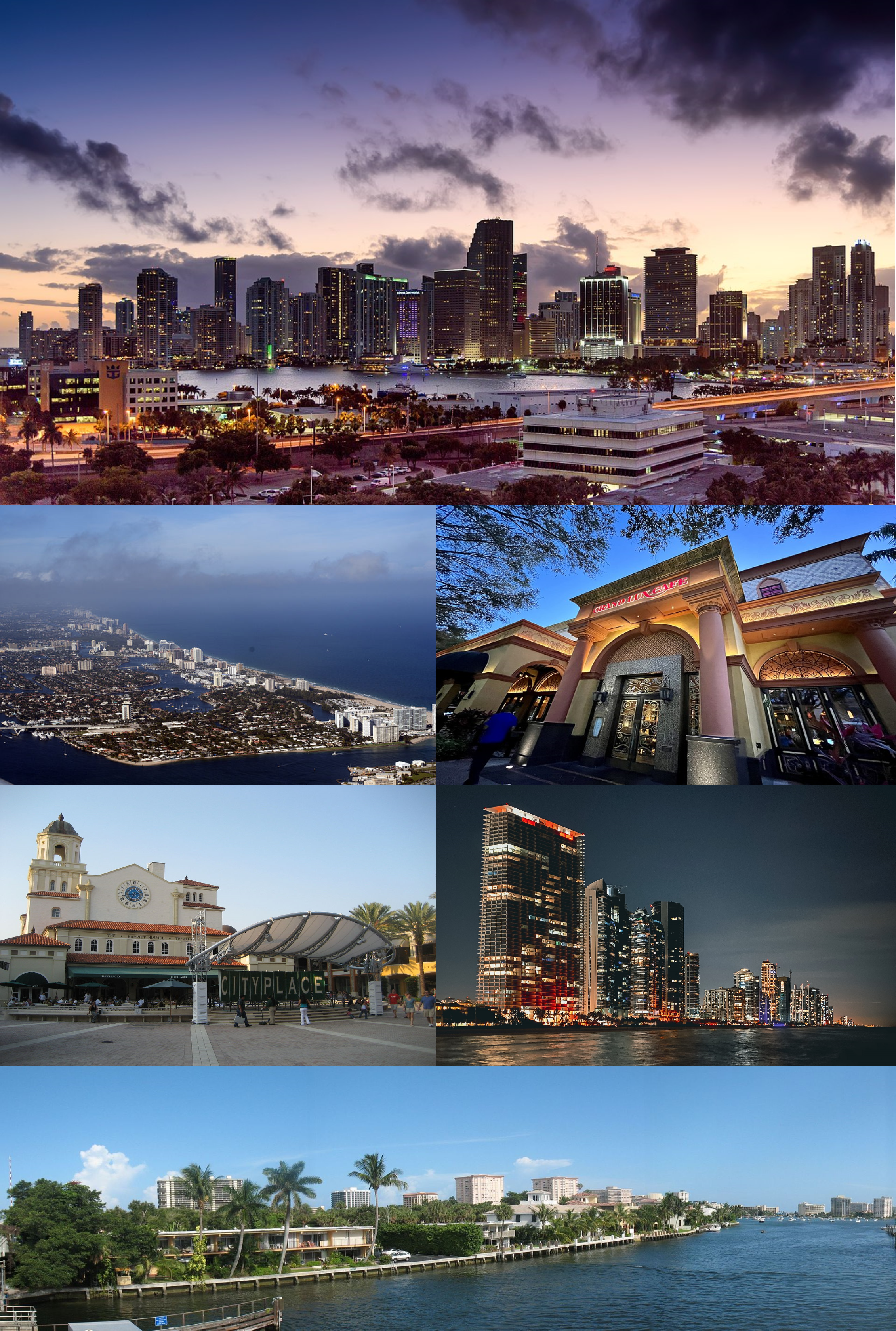
For residents, the demand for housing is met by an equally diverse market. High-rise condominiums dominate the skylines of Brickell and Downtown, offering luxury living with stunning bay views. Further inland, suburban communities provide single-family homes and more traditional neighborhood settings. The concept of long-term stays has also gained traction, particularly for individuals and families relocating or undertaking extended assignments. Serviced apartments and residential hotels provide flexible options, blurring the lines between traditional tourism and permanent residency. This constant evolution in accommodation strategies is a direct response to Miami’s dual role as a thriving metropolis and a world-class tourist destination, ensuring that everyone, whether for a weekend getaway or a lifetime, can find their place within its vibrant confines. The city’s investment in diverse housing and hospitality infrastructure is a testament to its understanding of its dynamic population and visitor flow, vital for maintaining its allure and functionality.
The Future of Miami’s Population and Urban Development
Looking ahead, Miami’s population is projected to continue its upward trajectory, albeit with inherent challenges and opportunities. Urban planners and local authorities are grappling with how to accommodate this growth sustainably, focusing on infrastructure development, environmental resilience, and maintaining the city’s unique charm. Efforts are underway to expand public transportation, create more green spaces, and address rising sea levels, which are critical concerns for a coastal city.
The ongoing influx of residents and businesses is driving significant urban development, with new residential towers, commercial complexes, and mixed-use developments continually reshaping the skyline. This growth is attracting further investment in hospitality and tourism infrastructure, including new hotels and attractions that cater to evolving preferences. The city is also seeing a shift towards more sustainable living practices and smart city initiatives, aiming to create a high quality of life for both current and future inhabitants. As Miami evolves, its ability to integrate new populations while preserving its diverse cultural fabric and natural beauty will define its future as a truly global and resilient city.

Conclusion
The question “How many people live in Miami?” opens a window into a city that is far more than just a dot on a map. While the City of Miami itself houses close to half a million individuals, its metropolitan area pulses with over 6 million souls, representing a vibrant tapestry of cultures, aspirations, and lifestyles. This burgeoning population is drawn by a potent mix of economic opportunity, an enviable tropical climate, and a unique cultural vibrancy that stands unparalleled.
Miami’s growth story is inextricably linked to its identity as a premier travel destination, where iconic landmarks meet a diverse culinary scene, and a vast array of accommodation options cater to every need, from luxury resorts to long-term residential solutions. As the city continues to expand and evolve, it faces the exciting challenge of balancing growth with sustainability, ensuring that its magnetic appeal endures for generations to come. Whether you’re considering a short visit, a business trip, or a permanent move, understanding the dynamic human landscape of Miami is key to appreciating its enduring charm and its promise as a truly global metropolis.
LifeOutOfTheBox is a participant in the Amazon Services LLC Associates Program, an affiliate advertising program designed to provide a means for sites to earn advertising fees by advertising and linking to Amazon.com. Amazon, the Amazon logo, AmazonSupply, and the AmazonSupply logo are trademarks of Amazon.com, Inc. or its affiliates. As an Amazon Associate we earn affiliate commissions from qualifying purchases.