
Miami, the vibrant jewel of South Florida, is renowned globally for its stunning beaches, dynamic nightlife, rich Art Deco Historic District, and a pulsating Latin American flair that permeates its culture. As a premier destination for travelers seeking sun-drenched escapes and unforgettable experiences, understanding Miami’s climate is paramount to planning the perfect trip. Far from being a mere number on a thermometer, the temperature in Miami dictates everything from what to pack, to the best time for beach relaxation, to optimal periods for exploring its world-class attractions. This comprehensive guide delves into the nuances of Miami’s tropical weather, helping you navigate its seasons and make the most of your visit, whether you’re seeking luxury travel, a budget-friendly escape, or a memorable family adventure.
Understanding Miami’s Climate: A Year-Round Tropical Paradise
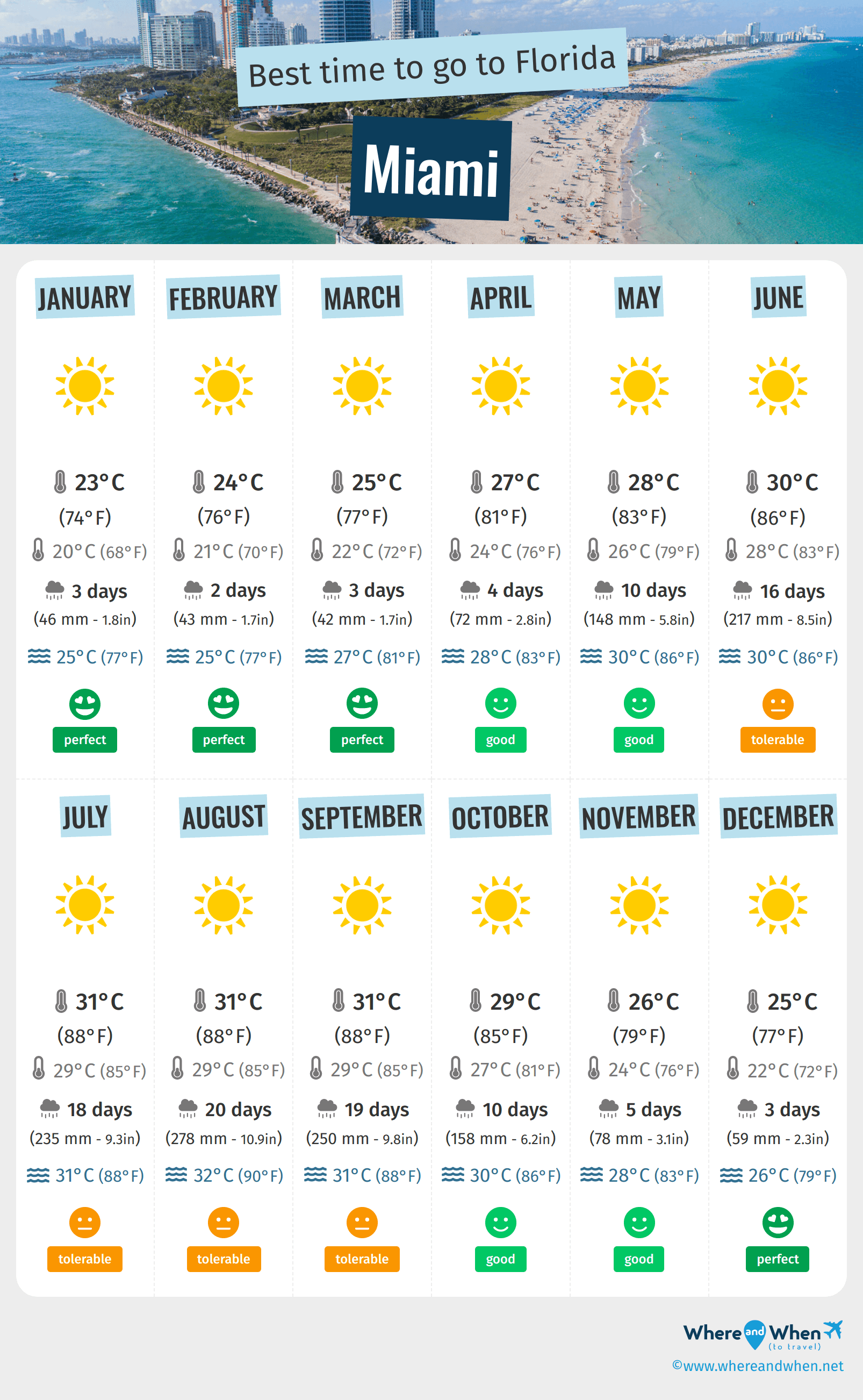
Miami boasts a tropical monsoon climate, characterized by hot, humid summers and warm, dry winters. This unique weather pattern, influenced by its proximity to the Atlantic Ocean and the Gulf Stream, ensures that the city rarely experiences truly cold weather. Instead, visitors can expect sunshine for most of the year, with distinct seasonal shifts in temperature and humidity that shape the local lifestyle and tourism landscape.
The Warm Embrace of Miami’s Summers (June-September)
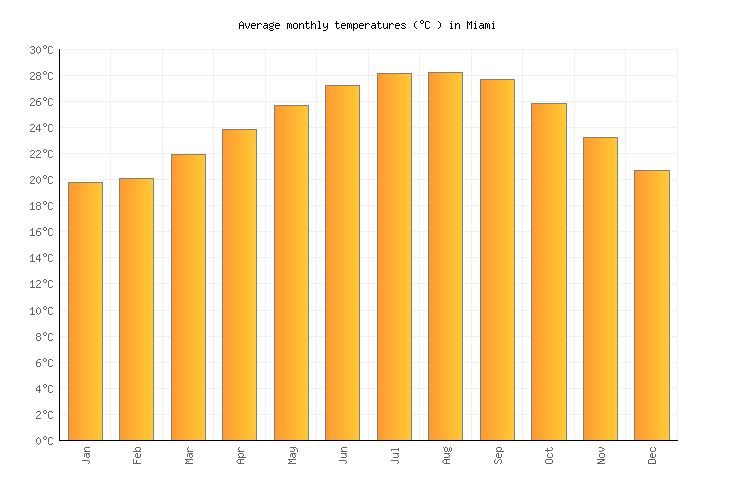
Summer in Miami is defined by its characteristic warmth and high humidity, making it a true tropical experience. From June through September, average daily temperatures typically range from 80°F to 89°F (27°C to 32°C), often peaking well into the low 90s (33-35°C). The heat index, which accounts for humidity, can make it feel even hotter, frequently exceeding 100°F (38°C).
This period is also Miami’s rainy season. Afternoon thunderstorms are a common occurrence, often rolling in quickly, dropping heavy rain for an hour or so, and then clearing to reveal sunny skies once more. While these showers can be intense, they typically provide a brief, refreshing break from the heat. This is also the official hurricane season, though direct hits are statistically rare, it’s a consideration for travelers during these months.
Despite the heat and humidity, summer remains a popular time for many, especially those drawn to water activities. The Atlantic Ocean water temperatures are wonderfully warm, often in the mid-80s (29-30°C), perfect for swimming, snorkeling, and other marine adventures. Travelers during this season often prioritize accommodations with excellent air conditioning and cooling amenities like expansive pools. Indoor attractions like the Pérez Art Museum Miami, Frost Science Museum, and the upscale shops at Brickell City Centre become popular retreats from the midday sun. Evening activities come alive as temperatures dip slightly, allowing for comfortable outdoor dining and vibrant nightlife in areas like South Beach.
Pleasant Perfection: Miami’s Mild Winters (December-February)
Winter in Miami is nothing short of idyllic, often described as the city’s “perfect season.” From December to February, the weather is consistently glorious, making it the peak tourist season. Average daily temperatures hover comfortably between 68°F to 77°F (20°C to 25°C), with humidity levels significantly lower than in the summer. Cooler fronts occasionally bring temperatures down into the low 60s (15-18°C) in the evenings, but truly cold weather is a rarity.
The winter months offer abundant sunshine and minimal rainfall, providing ideal conditions for exploring all that Miami has to offer. This is the perfect time for long strolls along South Beach, outdoor dining in areas like Coconut Grove or Wynwood, and exploring expansive outdoor landmarks such as Vizcaya Museum & Gardens and Fairchild Tropical Botanic Garden. Even excursions further afield, like airboat tours through Everglades National Park, are much more comfortable during these cooler, drier months.
The pleasant weather also makes winter a bustling time for events and festivals, including the internationally renowned Art Basel fair, bringing a surge of visitors and energy to the city. While prices for accommodations and flights can be higher due to demand, the impeccable weather often justifies the premium for many travelers seeking an escape from colder climates elsewhere in the United States or Europe (if I mention it). Booking well in advance is highly recommended for winter visits.
The Shoulder Seasons: Spring and Autumn (March-May & October-November)
The shoulder seasons—spring (March to May) and autumn (October to November)—offer an excellent balance of pleasant weather and fewer crowds, making them highly attractive times for travel to Miami.
Spring (March-May): As winter transitions into spring, Miami maintains its delightful warmth. Temperatures typically range from 72°F to 82°F (22°C to 28°C). Humidity levels remain relatively low, gradually increasing towards May. Rainfall is still moderate, with fewer intense thunderstorms than in the summer. This period is ideal for beach activities, sightseeing, and enjoying Miami’s vibrant outdoor events before the peak summer heat sets in. The ocean is warm enough for swimming, and the comfortable breezes make for enjoyable days exploring neighborhoods like Little Havana or leisurely bike rides along coastal paths.
Autumn (October-November): Following the summer heat and the tail end of hurricane season, autumn brings a welcome respite. Temperatures average between 75°F to 85°F (24°C to 29°C), with humidity gradually decreasing as November progresses. While October can still experience some rain and is technically within hurricane season, November generally ushers in drier, cooler conditions that are a prelude to the glorious winter months. This period offers fantastic opportunities for outdoor recreation, cultural exploration, and enjoying Miami’s culinary scene without the intense competition for reservations found in peak winter. For budget-conscious travelers or those who prefer a more relaxed pace, the shoulder seasons often provide better deals on accommodations and attractions while still delivering excellent weather.
Beyond the Thermometer: Humidity, Sunshine, and Ocean Breezes
While numerical temperature readings are important, Miami’s climate experience is truly shaped by other atmospheric elements: humidity, abundant sunshine, and the soothing ocean breezes.
Humidity: Miami’s tropical climate means humidity is a constant companion, especially during the summer. High humidity can make ambient temperatures feel significantly hotter than they actually are, impacting comfort levels and influencing daily activity choices. During the summer, even evenings can feel sticky, prompting many to seek air-conditioned environments for relief. In contrast, the drier winter months offer a refreshing crispness in the air, enhancing the enjoyment of outdoor activities. Understanding the role of humidity is key to managing expectations and packing appropriately for your visit.
Sunshine: One of Miami’s greatest assets is its nearly year-round sunshine. The city boasts an average of 250-300 sunny days per year, contributing significantly to its reputation as a sun-seeker’s paradise. This consistent daylight invigorates the city, making outdoor activities, beach days, and al fresco dining staples of the Miami lifestyle. However, such abundant sunshine also necessitates careful sun protection, including high-SPF sunscreen, wide-brimmed hats, and sunglasses, regardless of the season.

Ocean Breezes: The Atlantic Ocean plays a crucial role in moderating Miami’s temperatures, particularly in coastal areas like South Beach, Key Biscayne, and Bal Harbour. Gentle to moderate ocean breezes often sweep inland, providing a welcome cooling effect, especially during the hotter months. These breezes can significantly reduce the perceived temperature and humidity, making a day at the beach or a waterfront meal much more enjoyable than inland activities during the same time. The influence of these sea breezes is why many choose coastal accommodations, as they offer a natural air conditioning system that enhances comfort throughout the day.
Temperature-Driven Travel: Planning Your Miami Adventure
The specific temperatures and climatic conditions in Miami should be a primary consideration when planning your trip. From choosing where to stay to deciding what to do, the weather will undeniably shape your experience.
Choosing Your Accommodation Wisely
Regardless of the season, air conditioning is a non-negotiable amenity for any comfortable stay in Miami. Even in winter, indoor spaces can warm up, and a cool retreat is always appreciated. During the hotter months, a reliable, robust air conditioning system in your hotel or rental is paramount.
Beyond A/C, access to water is key. Hotels and resorts featuring impressive pool areas, like the iconic Fontainebleau Miami Beach or the wellness-focused The Standard Spa, Miami Beach, become even more attractive during warmer periods. Many modern luxury hotels and boutique accommodations prioritize amenities that cater to the outdoor lifestyle, such as rooftop pools, private cabanas, and direct beach access. For families, a resort with multiple pools or water parks can be a lifesaver, providing endless entertainment and relief from the heat. When booking accommodation, especially during summer, reviewing guest reviews for mentions of air conditioning effectiveness and pool quality can be invaluable.
Seasonal Activities and Attractions
Miami’s attractions can be enjoyed year-round, but the best time for certain activities often aligns with specific temperature profiles.
Summer (June-September): While the heat is undeniable, Miami summers offer unique opportunities. Mornings and late afternoons are perfect for hitting the beaches of South Beach or Key Biscayne before the sun becomes too intense. Water sports like jet skiing, paddleboarding, and boating are fantastic ways to cool off. Indoor cultural experiences like the Vizcaya Museum & Gardens (with its cooler interiors and stunning shaded gardens), Pérez Art Museum Miami, and Frost Science Museum offer a welcome escape from the heat. Shopping at air-conditioned malls such as Brickell City Centre or the Design District is also a popular midday activity. Evenings are lively, with outdoor dining becoming pleasant as temperatures drop slightly, and the city’s famous nightlife truly comes alive.
Winter (December-February): This is the prime season for outdoor exploration. Take an airboat tour through Everglades National Park to spot alligators and diverse wildlife. Spend a full day wandering through the lush landscapes of Fairchild Tropical Botanic Garden. Explore the colorful murals of Wynwood or the charming streets of Coconut Grove on foot without breaking a sweat. Enjoy leisurely strolls along Ocean Drive in the Art Deco Historic District, soak up the sun on the beach, or engage in a round of golf. Outdoor festivals and events are abundant, taking full advantage of the glorious weather.
Shoulder Seasons (March-May & October-November): These months offer a fantastic blend. You can enjoy most of the outdoor activities comfortable in winter, but with fewer crowds and often more favorable prices. It’s a great time for boat tours around Biscayne Bay, exploring the vibrant culture of Little Havana, or visiting the Miami Seaquarium. The pleasant temperatures make it ideal for walking tours, experiencing Miami’s diverse neighborhoods, and taking advantage of outdoor dining opportunities.
Packing Smart for Miami’s Climate
Regardless of when you visit, light, breathable fabrics like cotton, linen, and moisture-wicking materials are essential.
- Summer: Focus on minimal clothing. Swimwear, shorts, tank tops, and light dresses are staples. A wide-brimmed hat, sunglasses, and high-SPF sunscreen are crucial. Pack a light waterproof jacket or umbrella for sudden afternoon downpours. Comfortable sandals or open-toed shoes are a must.
- Winter: While mild, evenings can feel a bit cool, especially with a breeze. Pack layers, including a light sweater, cardigan, or a denim jacket for evenings. Long pants or jeans will be comfortable, along with closed-toe shoes. You’ll still want your swimwear and beach attire for daytime use.
- Shoulder Seasons: A mix of summer and winter packing advice applies. Be prepared for warm days and potentially cooler evenings, especially in late autumn or early spring. Layers are your friend.
Always remember that Miami is a fashion-conscious city, so having a few dressier outfits for evenings out at fine dining establishments or nightclubs can be a good idea, particularly if your lifestyle leans towards luxury travel.
Lifestyle and Budget Considerations Tied to Climate
The temperature in Miami doesn’t just affect comfort; it significantly impacts travel costs, crowd levels, and the overall vibe of your trip.
Peak Season (Winter): The fantastic winter weather makes Miami a magnet for travelers fleeing colder climates. This high demand translates into higher prices for flights, hotels, and even some attractions. Luxury travel during this period is at its peak, with exclusive events and lavish resort experiences commanding premium rates. Expect larger crowds at popular landmarks, beaches, and restaurants. For those planning family trips or business stays during these months, booking well in advance is critical to secure preferred accommodations and avoid disappointment.
Off-Peak Season (Summer): While hot and humid, summer offers more budget-friendly travel options. Hotels often lower their rates, and there are typically more deals on flights and packages. Attractions may be less crowded, although indoor venues can still draw a significant number of visitors seeking refuge from the heat. For budget travelers, summer can be an excellent time to experience Miami’s offerings without the premium price tag. The focus shifts to water activities and air-conditioned cultural experiences, providing a different, but equally enjoyable, aspect of the Miami lifestyle.
Shoulder Seasons: These periods strike a perfect balance, often presenting good value for money. You can enjoy pleasant weather conditions, fewer crowds than in winter, and more competitive pricing than during the peak season. This makes them ideal for travelers looking for a mix of comfortable exploration and reasonable costs. It’s a great time for family trips to enjoy the outdoors before the intense summer heat, or for business stays that can combine work with enjoyable leisure activities.
In conclusion, understanding “What Is The Temperature In Miami?” is about more than just checking a forecast; it’s about anticipating an experience. Miami’s tropical climate ensures warmth year-round, but distinct seasonal variations in temperature and humidity profoundly influence everything from ideal activities to accommodation choices and even your travel budget. Whether you crave the vibrant energy of a summer beach party, the blissful perfection of a winter escape, or the balanced charm of the shoulder seasons, careful planning aligned with Miami’s climate will undoubtedly lead to an unforgettable adventure in this spectacular Florida city.
LifeOutOfTheBox is a participant in the Amazon Services LLC Associates Program, an affiliate advertising program designed to provide a means for sites to earn advertising fees by advertising and linking to Amazon.com. Amazon, the Amazon logo, AmazonSupply, and the AmazonSupply logo are trademarks of Amazon.com, Inc. or its affiliates. As an Amazon Associate we earn affiliate commissions from qualifying purchases.