
For most, the mere mention of Miami conjures vivid images of sun-drenched beaches, swaying palm trees, vibrant nightlife, and an unmistakable tropical allure. It’s a city synonymous with warmth, where the Atlantic Ocean laps gently against golden sands year-round, and winter is merely a concept rather than a season of chilly winds and snow-covered landscapes. Yet, tucked away in the annals of its rich history lies a singular, astonishing event that defies all expectations: the day it snowed in Miami. This rare meteorological phenomenon remains a cherished, almost mythical, memory for those who witnessed it, and a fascinating piece of trivia for travelers and locals alike. For a city celebrated for its perpetual summer, this unexpected encounter with winter’s magic stands as a testament to the unpredictable beauty of nature, offering a unique perspective on this iconic Florida destination.

The question “When did it snow in Miami?” isn’t just a query about a date; it’s an invitation to explore a pivotal moment that momentarily transformed a tropical paradise into a fleeting, frosty wonderland. It’s a story that intertwines meteorology with collective memory, offering insights into the extraordinary conditions required to bring snowflakes to one of the warmest major cities in the United States. Beyond the scientific marvel, it highlights the sheer delight and disbelief of a community accustomed only to sunshine and sea breezes, providing a captivating anecdote for anyone interested in the city’s unique charm and unexpected history.
The Unforgettable Day: January 19, 1977
The morning of January 19, 1977, dawned like no other in the memory of South Florida residents. What began as a normal day in paradise quickly unfolded into an extraordinary spectacle that would be etched into the collective consciousness for generations. As news reports blared and phones buzzed, people emerged from their homes to witness something truly unprecedented: snowflakes falling from the sky. This wasn’t merely a scattering of icy pellets; these were actual, delicate snowflakes, drifting silently over the palm trees and sandy shores, creating a surreal and beautiful scene. For a region where the average January temperature hovers comfortably in the 60s and 70s Fahrenheit, the sight of winter precipitation was nothing short of miraculous.
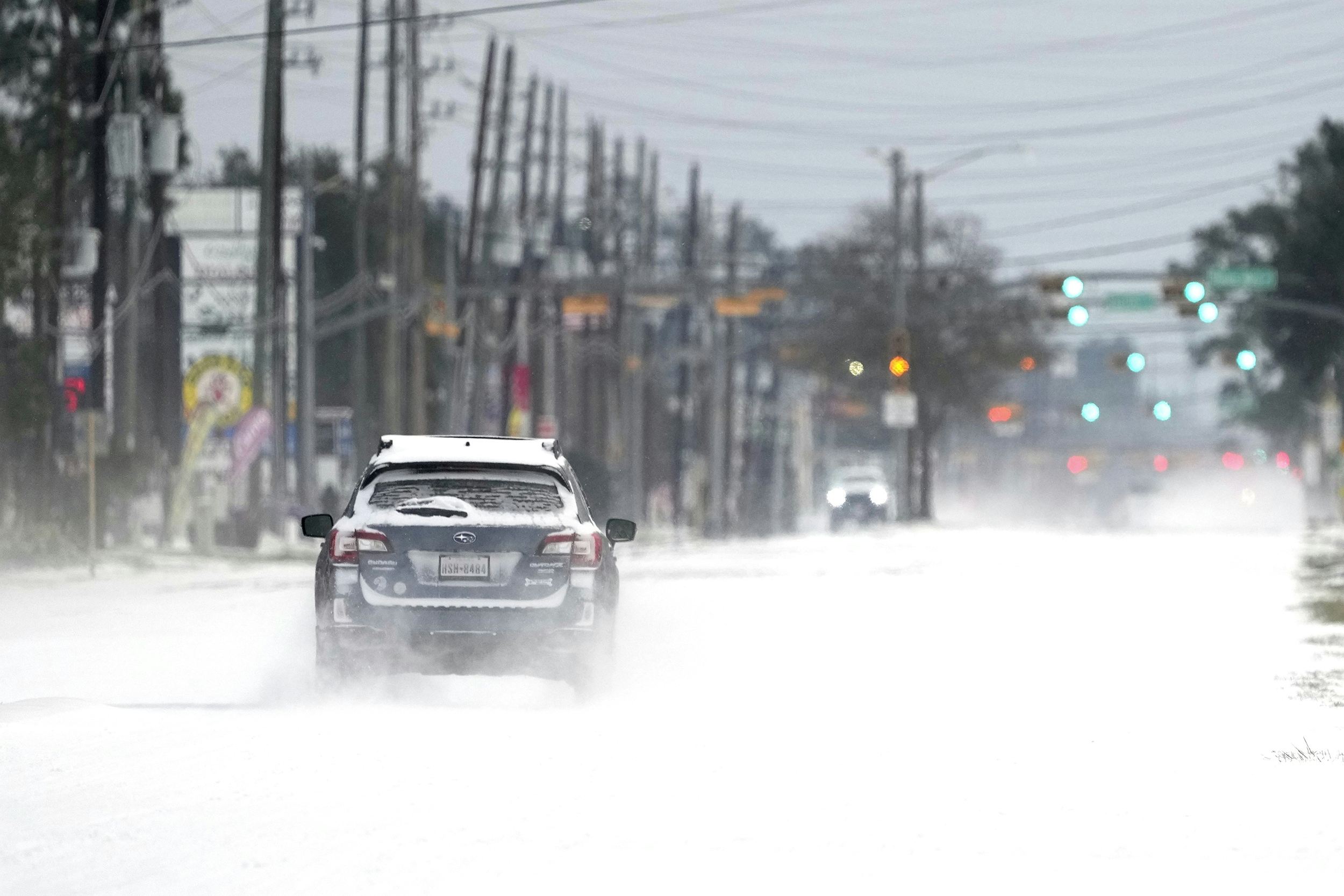
The snowfall was brief, lasting only a few hours, and accumulations were minimal, mostly amounting to a dusting on car windshields and grassy patches. However, the impact was profound. Children, many of whom had never seen snow before, ran outside in their pajamas, marveling at the delicate flakes. Adults stood in awe, snapping photographs and sharing incredulous looks with their neighbors. Schools dismissed early, businesses briefly halted, and the entire region seemed to pause, collectively experiencing a moment that defied all logical expectations. The air was filled not just with snow, but with an infectious sense of wonder and childlike glee. This singular event transformed the mundane into the magical, turning an ordinary Wednesday into an iconic historical date for the city.
A Winter Wonderland in the Tropics
Imagine the scene: vibrant hibiscus flowers dusted with white, palm fronds shimmering with a frosty glaze, and the iconic turquoise waters of Biscayne Bay reflecting a sky that, for once, was not just grey but actively contributing to a winter landscape. From Miami-Dade County up through Fort Lauderdale in Broward County and even into West Palm Beach in Palm Beach County, the entire metropolitan area experienced this remarkable phenomenon. This was a moment that transcended simple weather; it became a cultural event, a shared memory that residents would recount for decades. The rarity of snow in such a tropical locale amplified its impact, turning simple flurries into a spectacle of immense significance.
Travelers considering Miami as a destination often seek its guaranteed sunshine and warmth, making this snowfall a fascinating counterpoint to its typical image. It underscores the idea that even in the most predictable environments, nature holds the capacity for delightful surprises. While booking a trip to Miami today, visitors can rest assured that sunbathing and swimming are the norm, but the story of the 1977 snowfall adds an intriguing layer to the city’s narrative, showcasing its unique position as a place where the ordinary is anything but.
The Local Reaction and Media Frenzy
The news of snow in Miami spread like wildfire, capturing the attention of local and national media outlets. Television stations interrupted regular programming with live reports, showing incredulous anchors and reporters bundled up against the unexpected chill, struggling to articulate the sheer unlikeliness of the situation. Newspapers ran banner headlines, with photographers scrambling to capture the ephemeral beauty of snowflakes against a backdrop of palm trees and citrus groves. The images from that day – children holding out their hands to catch flakes, families huddled together in amazement – became instantly iconic.
This event wasn’t just a weather story; it was a human interest story of epic proportions. It brought people together in a shared moment of wonder, fostering a sense of community and collective awe. For many who had moved to Florida to escape harsh winters, the brief appearance of snow was a humorous irony, a reminder that even paradise could occasionally offer a taste of the familiar. The enduring memory of that day highlights how profoundly unusual and cherished the event was, solidifying its place as a legendary moment in Miami’s history.
A Meteorological Anomaly
The scientific explanation behind Miami’s snow event lies in a highly unusual combination of meteorological factors. A powerful Arctic cold front had plunged south, bringing frigid air down through Florida to an extent rarely seen. For snow to fall, two primary conditions must be met: the air temperature throughout the entire column from the clouds to the ground must be at or below freezing (32°F or 0°C), and there must be sufficient moisture in the atmosphere to form precipitation.
On January 19, 1977, both these conditions converged perfectly, if briefly. An exceptionally strong high-pressure system positioned itself over the southeastern United States, funneling bitterly cold air directly from the Arctic down the length of the Florida peninsula. Simultaneously, a disturbance moving across the Gulf of Mexico supplied the necessary moisture. The temperatures across South Florida dipped into the low 30s, creating the perfect window for the flakes to form and reach the ground before melting. This rare alignment of a deep cold air mass and an available moisture source is what made the 1977 snowfall a true once-in-a-lifetime event for Miami.
Miami’s Climate and the Science Behind Snow
Understanding the extraordinary nature of the 1977 snowfall requires a glance at Miami’s typical climate. The city is renowned for its tropical monsoon climate, characterized by hot, humid summers and warm, dry winters. This consistent warmth is a primary draw for millions of tourists annually, shaping the city’s lifestyle, architecture, and overall appeal as a premier travel destination.
Tropical Paradise: Miami’s Typical Weather
Miami experiences two main seasons: the wet season (May to October) and the dry season (November to April). During the wet season, daily afternoon thunderstorms are common, bringing welcome relief from the heat and contributing to the lush greenery that defines the landscape. Temperatures during this period consistently hover in the high 80s and low 90s Fahrenheit. The dry season, on the other hand, is characterized by lower humidity, abundant sunshine, and pleasant temperatures, making it the peak tourist season. Winter days typically see temperatures ranging from the mid-60s to the high 70s, with very little rainfall.
This stable, warm climate is precisely what allows Miami to offer an array of outdoor activities year-round, from enjoying South Beach’s vibrant scene to exploring the natural wonders of Everglades National Park. The consistent warmth also influences the city’s unique culture, promoting an outdoor-centric lifestyle that embraces al fresco dining, watersports, and beach relaxation. The very concept of snow is alien to this environment, which is why the 1977 event remains such an anomaly and a powerful testament to unusual weather patterns.
The Rare Conditions Required for Snowfall

For snow to fall and reach the ground without melting in a tropical climate like Miami, an intricate and highly improbable set of atmospheric conditions must align. Firstly, temperatures must be at or below freezing (32°F / 0°C) from the cloud base all the way down to the ground. This is the most challenging hurdle for Miami, where ground-level temperatures rarely dip below 40°F, even during the coldest winter nights. Normally, any precipitation forming as snow in colder upper altitudes would melt into rain as it descends through warmer air layers.
Secondly, there needs to be sufficient moisture in the atmosphere to form precipitation. This typically comes from an ocean source, like the Gulf of Mexico or the Atlantic Ocean. While moisture is usually abundant in Florida, the truly cold air masses that reach South Florida are often dry, making the simultaneous presence of both freezing temperatures and adequate moisture an exceptionally rare occurrence. The 1977 event saw the perfect storm of a historic cold front pushing unusually far south combined with a moisture source, creating the fleeting magic of snow in paradise.
Other Near-Misses and Unusual Weather Events
While the 1977 snowfall stands as the singular official record for Miami, the region has experienced other instances of exceptionally cold weather and unusual precipitation, though none quite matching the iconic snowflakes. These events further underscore the unique meteorological challenges faced by a tropical climate on the cusp of temperate zones.
From Flurries to Frost: Close Encounters
Aside from the 1977 event, reports of snow in South Florida are extremely rare and often anecdotal. There have been instances of “graupel” or “ice pellets” which can sometimes be mistaken for snow, particularly by those unfamiliar with true snowfall. These are small, soft pellets of ice that form when supercooled water droplets freeze onto snowflakes, creating a distinct texture. While visually similar to snow, they are technically different and require slightly different atmospheric conditions.
The region does experience occasional hard freezes, sometimes referred to as “killing frosts,” which can devastate agricultural crops like citrus. These events, typically occurring every few decades, bring temperatures well below freezing for several hours, causing frost to form on surfaces. While chilling, frost is a ground-level phenomenon, not precipitation falling from the sky. These cold snaps, however, remind residents that while snow is almost unheard of, bitterly cold air masses can indeed penetrate deep into the peninsula, especially when conditions align. The memory of the 1977 snow serves as a benchmark, distinguishing true snowfall from mere frost or ice pellets.
Beyond Snow: Miami’s Diverse Weather Phenomena
While snow is an extreme rarity, Miami is no stranger to dramatic weather. It sits in a region prone to tropical storms and hurricanes, particularly during the wet season. These powerful systems bring intense winds, torrential rain, and significant storm surges, shaping the city’s infrastructure and emergency preparedness. Beyond hurricanes, Miami also experiences intense thunderstorms, sometimes accompanied by lightning and hail, which can be a spectacular sight against the urban skyline.
The dynamic interplay between the warm ocean waters, the subtropical climate, and occasional cold fronts from the north ensures that Miami’s weather, while largely predictable in its warmth, is anything but monotonous. From brilliant sunshine to torrential downpours, and the occasional truly cold snap, the city’s atmospheric dance provides a rich backdrop to its vibrant life, making the story of its single snowfall all the more captivating for those interested in travel, nature, and the unexpected.
Experiencing Miami Beyond the Unexpected Snow
While the story of snow in Miami is a captivating anomaly, it’s the city’s consistent warmth, vibrant culture, and endless attractions that draw millions of visitors each year. Miami truly is a world-class destination, offering a diverse array of experiences for every type of traveler, making it a cornerstone of Florida tourism.
A Year-Round Destination: Attractions and Activities
From the art deco glamour of South Beach to the Latin rhythms of Little Havana, Miami pulses with energy and cultural diversity. Travelers can immerse themselves in the world-class art scene of the Wynwood Walls and the Pérez Art Museum Miami, explore the lush botanical gardens of Vizcaya Museum & Gardens, or marvel at marine life at the Miami Seaquarium. The city’s beaches offer endless opportunities for relaxation and water sports, while its diverse neighborhoods provide a rich tapestry of food, music, and local culture.
For those interested in unique experiences, a visit to the Everglades National Park offers a glimpse into Florida’s wild side, with airboat tours and wildlife viewing opportunities. Shopping enthusiasts can indulge at luxury boutiques on Lincoln Road Mall or browse the eclectic shops at Bayside Marketplace. The city also hosts numerous festivals and events throughout the year, from Art Basel to the South Beach Wine & Food Festival, cementing its status as a dynamic hub for arts, entertainment, and culinary delights.
Where to Stay: Hotels and Accommodation for Every Traveler
Miami’s reputation as a top travel destination is supported by its vast array of accommodation options, catering to every budget and lifestyle. Whether you’re seeking a luxurious resort experience, a chic boutique hotel, or a family-friendly apartment, Miami has it all. Iconic establishments like the Fontainebleau Miami Beach offer unparalleled amenities and glamorous settings, while design-centric hotels in the Art Deco Historic District provide a unique blend of history and style.
For those looking for a more intimate experience, charming boutique hotels along Ocean Drive provide direct access to the beach and vibrant nightlife. Resorts like The St. Regis Bal Harbour Resort offer secluded luxury, while various suites and villas provide ideal options for extended stays or larger groups. Booking accommodations in Miami means choosing not just a place to sleep, but an integral part of your travel experience, with many hotels boasting incredible pools, spas, and culinary offerings that reflect the city’s upscale lifestyle.
The Miami Lifestyle: Luxury, Culture, and Adventure
The Miami lifestyle is an irresistible blend of luxury, vibrant culture, and endless adventure. It’s a city where high fashion meets street art, where international cuisine is savored under the stars, and where the natural beauty of the Everglades is just a short drive from towering skyscrapers. This unique fusion makes it an ideal destination for various types of travel, from romantic getaways and family trips to business stays and solo explorations.
Budget travelers can find numerous ways to enjoy the city, from free beach access to affordable local eateries, while luxury seekers can indulge in high-end shopping, exclusive dining experiences, and opulent resort stays. The city’s diverse demographics contribute to a rich tapestry of local culture, evident in its music, festivals, and culinary scene. Miami offers a lifestyle that is both relaxed and exhilarating, a place where the unexpected can happen – even snow – but where sunshine and unforgettable experiences are always the most reliable forecasts.
In conclusion, the story of snow in Miami on January 19, 1977, remains a fascinating chapter in the city’s history, a whimsical anomaly that briefly transformed the tropical landscape. While it stands as a testament to nature’s unpredictable wonders, it serves primarily as a charming anecdote against the backdrop of a city celebrated for its unwavering warmth and sunshine. Miami continues to thrive as a premier travel destination, offering an abundance of attractions, diverse accommodations, and a captivating lifestyle that promises vibrant experiences, year-round, under the glorious Florida sun.
LifeOutOfTheBox is a participant in the Amazon Services LLC Associates Program, an affiliate advertising program designed to provide a means for sites to earn advertising fees by advertising and linking to Amazon.com. Amazon, the Amazon logo, AmazonSupply, and the AmazonSupply logo are trademarks of Amazon.com, Inc. or its affiliates. As an Amazon Associate we earn affiliate commissions from qualifying purchases.