
Miami, often synonymous with sun-kissed beaches, vibrant nightlife, and a dynamic cultural tapestry, stands as a premier global destination. Its sparkling skyline and bustling port hint at a city born of ambition and strategic vision. But beneath the glamorous facade of this modern metropolis lies a rich, compelling history that stretches back far beyond its official founding, revealing layers of indigenous life, European exploration, and the sheer determination of pioneering spirits. To truly appreciate the magnetic allure of Miami today – a hub for travel, tourism, and unparalleled lifestyle experiences – one must delve into the story of its genesis.
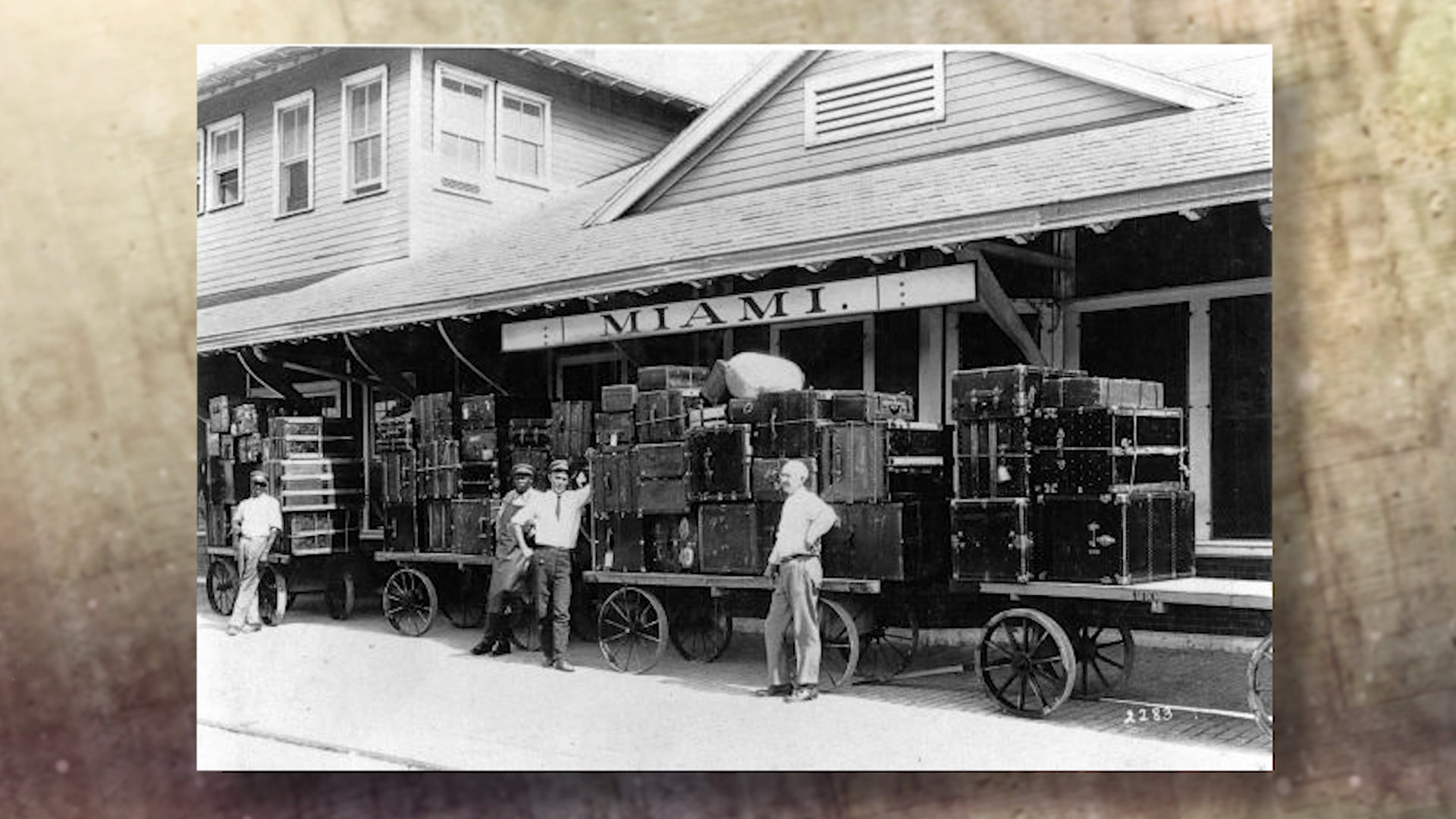
The question “When was Miami founded?” does not yield a simple date. Instead, it invites an exploration of pre-Columbian settlements, the arrival of European explorers, and the pivotal moments that transformed a wild frontier into one of the world’s most sought-after locations. The city’s official incorporation date marks a significant milestone, but the groundwork for this subtropical paradise was laid over centuries, shaped by distinct geographical advantages and the foresight of those who recognized its immense potential. From ancient civilizations to railroad magnates, each chapter contributed to the unique character and extraordinary growth that define Miami as we know it today.
Before the Modern Metropolis: Ancient Roots and Early Settlements
Long before the concept of hotels, resorts, or organized tourism even existed, the land that would become Miami was a thriving ecosystem, home to indigenous peoples who lived in harmony with the abundant natural resources of southern Florida. Their legacy forms the deepest roots of this vibrant region, offering a glimpse into a time when the landscape was untamed and its beauty raw.
The Tequesta Legacy
For thousands of years, the shores of Biscayne Bay were inhabited by the Tequesta people, a sophisticated indigenous tribe whose culture flourished in the warm climate. They were skilled fishermen, hunters, and gatherers, utilizing the bounty of the sea and the Everglades. Their villages, built from thatch and wood, dotted the coastline, and evidence of their existence, such as the mysterious Miami Circle – a unique archaeological site dating back over 2,000 years – can still be found. This site, now a protected landmark, offers a profound connection to Miami’s earliest inhabitants and serves as a significant attraction for those interested in local culture and history, a testament to a civilization that thrived long before European contact.
The Tequesta established a network of trade and communication, showcasing a nuanced understanding of their environment. Their spiritual beliefs and societal structures were deeply intertwined with the natural world, influencing future generations and subtly shaping the cultural landscape. While their physical presence diminished due to disease and conflict following European arrival, their historical imprint remains a crucial component of Miami’s identity, a story often shared in local museums and historical guides for travelers seeking a deeper understanding of the destination. Understanding their ancient connection to the land provides an essential foundation for appreciating the layers of history that built the modern city.
European Encounters
The first Europeans to arrive in the region were the Spanish explorers in the early 16th century, forever changing the trajectory of the area. In 1513, Juan Ponce de León embarked on his quest for the Fountain of Youth, ultimately making landfall on the coast of Florida. While he didn’t explicitly “discover” Miami, his voyages initiated the European presence. Decades later, in 1566, Pedro Menéndez de Avilés claimed the area for Spain, establishing a short-lived mission and engaging with the Tequesta.
These early encounters were fraught with challenges, as Europeans struggled to adapt to the subtropical environment and navigate relations with the indigenous populations. Over the centuries, control of Florida shifted between Spanish, British, and then back to Spanish rule before eventually becoming a U.S. territory in 1821. This period, marked by military skirmishes, attempts at colonization, and trade, laid some of the earliest foundational stones for a European-influenced settlement, long before any formal “founding” of a city named Miami. These historical narratives are crucial for any traveler interested in the geopolitical forces that shaped destinations and understanding the unique blend of cultures that defines Miami’s local culture today.
The Dawn of Modern Miami: Visionaries and the Railroad
The transition from a sparsely populated frontier to a bustling city began in earnest in the late 19th century, driven by the audacious visions of a few key individuals and the transformative power of a railway. This era truly sets the stage for answering the question of when Miami was founded, as it details the direct actions leading to its establishment as a modern urban center.
The Mother of Miami: Julia Tuttle’s Indomitable Spirit
The single most influential figure in the founding of Miami was a tenacious businesswoman named Julia Tuttle. A shrewd and forward-thinking individual, Tuttle moved to the Biscayne Bay area from Cleveland, Ohio, in 1891, having inherited a significant tract of land on the north bank of the Miami River. She quickly recognized the immense potential of the region, envisioning a great city rising from the untouched wilderness. Her property, rich with citrus groves, was one of the few areas to escape a devastating freeze that crippled Florida’s crops further north in the winter of 1894-1895.
Julia Tuttle’s masterstroke was her relentless persuasion of Henry Flagler, the railway magnate and co-founder of Standard Oil. She saw that a railroad connection was absolutely vital to unlock the area’s potential, bringing in settlers, tourists, and commerce. Her persistence, combined with the strategic advantage of her frost-free land, played a decisive role in convincing Flagler to extend his Florida East Coast Railway southward. Tuttle offered Flagler half of her substantial land holdings in exchange for the railway and the construction of a hotel and a new town. Her foresight and business acumen are legendary, earning her the undisputed title of “Mother of Miami,” a remarkable feat for a woman in an era dominated by men. Her story is an inspiration for anyone interested in the history of entrepreneurship and how individual determination can shape destinations, driving the early demand for accommodation and travel infrastructure.
Henry Flagler and the Florida East Coast Railway
Henry Flagler was already a titan of industry when Julia Tuttle approached him. His vision for Florida was grand: to transform the state’s eastern coast into a winter playground for the wealthy, accessible by his railroad. He had already built magnificent hotels like the Ponce de León Hotel in St. Augustine and extended his railway further south, but he initially balked at stretching it all the way to the remote Biscayne Bay area.

However, the devastating freeze of 1894-1895 proved to be a turning point. As citrus groves across central and northern Florida withered, Julia Tuttle famously sent Flagler a bouquet of fresh orange blossoms from her unharmed trees, alongside a persuasive letter. This tangible proof of the unique climate in the Miami area, combined with her land offer, finally convinced him. In 1896, the Florida East Coast Railway arrived, marking a monumental moment. The railway not only brought materials and labor but, more importantly, opened the floodgates for settlers, tourists, and investors, initiating an unprecedented boom. Flagler quickly honored his part of the deal, building the magnificent Royal Palm Hotel on the north bank of the Miami River, a luxurious resort that immediately put Miami on the map as a desirable winter destination, catering to the early demand for upscale accommodation and lifestyle. His contribution was crucial in establishing the infrastructure for travel and tourism that would define Miami’s future.
The Official Founding: A City is Born
With the railway in place and the promise of development, the small settlement at the mouth of the Miami River was poised for rapid transformation. The culmination of these efforts was the formal establishment of a new city, marking the official answer to our central question.
The Incorporation of Miami
The date of July 28, 1896, stands as the official founding date of Miami. On this day, a meeting was held by the residents, many of whom were railway workers, farmers, and entrepreneurs drawn to the burgeoning area. They gathered to formally incorporate the city, a crucial step for establishing local governance, public services, and a structured future. The vote for incorporation passed, and the City of Miami was officially born. The diverse group of 300 voters included African American laborers who had been instrumental in building the railway and clearing the land, highlighting the multicultural foundations of the city from its very inception.
The incorporation was not merely a bureaucratic formality; it was a declaration of intent. It signified a commitment to build a permanent, organized community, providing the framework for urban planning, infrastructure development, and the establishment of institutions. This formal act solidified the vision of Julia Tuttle and Henry Flagler, transforming their individual endeavors into a collective municipal entity. For history enthusiasts, visiting sites that commemorate this founding event offers a deep dive into Miami’s local culture and the pioneering spirit that still echoes through its streets.
Early Development and the Boom Years
Following its incorporation, Miami experienced explosive growth. The new city was meticulously planned by Flagler’s engineers, with wide streets and dedicated areas for commerce, residential development, and public spaces. Within just a few years, banks, stores, churches, and schools sprang up, catering to the rapidly expanding population. The Royal Palm Hotel became the social epicenter, drawing wealthy visitors who sought the warm climate and luxurious amenities, cementing Miami’s reputation as a prime destination for travel and lifestyle.
The early 20th century saw Miami caught in a furious land boom, especially in the 1920s. Speculators flocked to the city, lured by tales of quick riches and the promise of endless sunshine. This era, though eventually ending in a spectacular bust, fundamentally shaped Miami’s physical landscape and its identity as a place of opportunity and architectural innovation. The distinctive Art Deco Historic District in South Beach, with its pastel buildings and unique geometric designs, is a magnificent legacy of this period, now a world-renowned landmark and a major draw for tourism, offering unique accommodation experiences in historic hotels and apartments. These developments, driven by the foundational acts of incorporation and infrastructure, laid the groundwork for Miami’s future as a global city.
Miami Today: A Legacy of Innovation and Tourism
From its humble beginnings as a Tequesta settlement to its formal incorporation in 1896, Miami has evolved into a global powerhouse, its history inextricably linked to its present status as a premier travel and lifestyle destination. The city’s founding principles of vision, ambition, and welcoming diversity continue to fuel its dynamic growth.
A Global Destination
Today, Miami is not just a city; it’s an experience. It serves as a major international gateway, often referred to as the “Gateway to the Americas,” connecting North and South America through a vibrant cultural and economic exchange. The PortMiami is the busiest cruise port in the world, annually hosting millions of travelers embarking on unforgettable voyages. Miami International Airport handles a vast array of domestic and international flights, making the city incredibly accessible for global tourism.
Travelers flock to Miami for its iconic beaches, bustling arts scene, renowned culinary experiences, and unparalleled entertainment. From the vibrant energy of Ocean Drive to the historic charm of Little Havana and the artistic allure of Wynwood Walls, the city offers a diverse range of attractions that cater to every interest. Luxury hotels and boutique resorts line the coast, offering lavish amenities and world-class service, while a plethora of apartments and villas provide options for long-term stays, family trips, or budget-conscious travelers. The city’s foundational history, propelled by the railway and early hotels, directly paved the way for this modern tourism boom, creating a diverse accommodation landscape that caters to every conceivable need.

Architectural Wonders and Lifestyle
The architectural landscape of Miami is a living testament to its rapid development and distinct periods of growth. While the Art Deco Historic District in South Beach remains a beloved landmark, showcasing the city’s glamorous 1920s and 30s heritage, modern Miami boasts an impressive collection of contemporary skyscrapers, sleek condominiums, and innovative designs that reflect its status as a leading global city. These buildings not only provide stunning aesthetics but also host a variety of luxury hotels, serviced apartments, and residential towers that define the modern Miami lifestyle.
The lifestyle here is eclectic and dynamic, ranging from high-end luxury experiences with five-star resorts and exclusive amenities to more laid-back, family-friendly activities and budget-conscious adventures. Whether it’s enjoying world-class dining, exploring nature in nearby Everglades National Park, or delving into the local culture through festivals and events, Miami offers a lifestyle that is both captivating and diverse. The city’s history, from its indigenous roots to its founding by audacious entrepreneurs, instilled a spirit of innovation and adaptability that continues to shape its identity, making it an irresistible destination for travelers and those seeking a unique way of life.
The story of “When was Miami founded?” is far more than a simple historical date. It’s a grand narrative woven through millennia, connecting ancient civilizations to the ambitious dreams of pioneers like Julia Tuttle and Henry Flagler. The official incorporation on July 28, 1896, was the decisive moment when the vision solidified, transforming a wild subtropical frontier into a vibrant municipality. This foundational act, fueled by an extraordinary climate and unwavering determination, set the stage for the global metropolis Miami is today – a pulsating heart of travel, tourism, and unparalleled lifestyle, constantly evolving yet forever rooted in its remarkable past.
LifeOutOfTheBox is a participant in the Amazon Services LLC Associates Program, an affiliate advertising program designed to provide a means for sites to earn advertising fees by advertising and linking to Amazon.com. Amazon, the Amazon logo, AmazonSupply, and the AmazonSupply logo are trademarks of Amazon.com, Inc. or its affiliates. As an Amazon Associate we earn affiliate commissions from qualifying purchases.