
Nestled along the mighty Mississippi River in the heart of the Midwest, Minneapolis, Minnesota, consistently ranks among the most livable cities in the United States. As one half of the vibrant Twin Cities metropolitan area, it offers a dynamic blend of urban sophistication and natural beauty, making it a compelling choice for residents and visitors alike. But beyond the accolades and picturesque postcards, what truly makes Minneapolis a good place to live? This comprehensive guide delves into its economic landscape, cultural vibrancy, outdoor attractions, lifestyle offerings, and practical considerations, providing an in-depth look for anyone contemplating a move or planning an extended stay.

Our exploration will touch upon various aspects, from the robust job market and diverse neighborhoods to the thriving arts scene and extensive park system. We’ll consider the cost of living, transportation, and the unique challenges and charms that define life in this northern gem. Whether you’re a young professional seeking career opportunities, a family looking for excellent schools, an outdoor enthusiast craving adventure, or a culture aficionado in search of inspiration, Minneapolis presents a multifaceted appeal worth investigating.
Understanding Minneapolis: A City of Lakes and Opportunities
At its core, Minneapolis is a city defined by its commitment to progress, community, and quality of life. Its urban fabric is interwoven with natural elements, most notably its famous Chain of Lakes, which provides a serene escape right within the city limits. This unique blend contributes significantly to its reputation as a desirable place to call home.
Economic Landscape and Job Market
The economic engine of Minneapolis is remarkably robust and diversified, boasting a low unemployment rate and a strong presence of Fortune 500 companies. Major industries include healthcare, finance, food processing, retail, and technology, offering a wide array of career opportunities across various sectors. Companies like Target, U.S. Bank, General Mills, 3M, and Medtronic have significant operations here, contributing to a stable and innovative job market. For professionals seeking growth and competitive salaries, especially in fields like tech, medical devices, or financial services, Minneapolis presents a fertile ground. The presence of the University of Minnesota also fuels a strong academic and research community, fostering innovation and attracting talent. This economic strength not only provides ample job prospects but also underpins the city’s ability to invest in public services, infrastructure, and cultural institutions, enhancing the overall living experience.
Cost of Living: A Balanced Perspective
While the job market is strong, prospective residents often weigh this against the cost of living. Minneapolis’s cost of living is generally considered moderate compared to major coastal cities, though it is slightly above the national average. Housing costs, while increasing, remain more accessible than in many other large metropolitan areas, offering a range of options from historic homes to modern apartments and lofts. Utilities and transportation costs are reasonable, and groceries are typically in line with national averages. The robust public transportation system can also help mitigate commuting costs for those who choose not to drive. However, property taxes in Minnesota can be higher than in some other states, which is a factor to consider for homeowners. Overall, the balance between income potential and expenses makes Minneapolis an attractive option for many seeking a good quality of life without the prohibitive costs of places like New York City or San Francisco.
Education and Healthcare Excellence
For families, the quality of education is a paramount concern, and Minneapolis delivers. The public school system offers a diverse range of programs, and numerous private and charter schools provide additional choices. Higher education is also a significant draw, with the sprawling University of Minnesota anchoring a vibrant academic scene. This institution not only provides world-class educational opportunities but also contributes significantly to the city’s research and innovation ecosystem.
Healthcare in Minneapolis is top-tier, featuring nationally recognized hospitals and medical centers. The city is home to some of the best medical facilities in the country, including branches of the Mayo Clinic network and numerous specialized hospitals and clinics. Residents have access to excellent medical care, from routine check-ups to specialized treatments, contributing to a high standard of public health and well-being. This robust healthcare infrastructure is a major draw for families and retirees, offering peace of mind and access to leading medical professionals.
The Minneapolis Lifestyle: Culture, Recreation, and Community
Beyond economic stability, the quality of life in Minneapolis is deeply enriched by its vibrant cultural scene, extensive recreational opportunities, and strong sense of community. The city masterfully blends urban amenities with access to nature, creating a unique environment for all interests.
A Vibrant Arts and Culture Scene
Minneapolis punches well above its weight when it comes to arts and culture. The city boasts more theater seats per capita than almost any other city in the United States, excluding New York City. Iconic institutions like the Guthrie Theater offer world-class theatrical productions, drawing talent and audiences from across the globe. Visual arts thrive at the renowned Walker Art Center, known for its contemporary collections and innovative exhibitions, and the Minneapolis Institute of Arts, which houses an impressive collection spanning thousands of years and diverse cultures.
The music scene is equally dynamic, ranging from classical performances by the Minnesota Orchestra to a thriving live music circuit showcasing local and national acts across genres. Numerous smaller galleries, independent music venues, and performance spaces ensure there’s always something new to discover, reflecting the city’s diverse artistic spirit. This rich cultural tapestry provides endless entertainment and enrichment for residents and makes Minneapolis a compelling destination for cultural tourists.
Culinary Delights and Dining Experiences
Foodies rejoice in Minneapolis’s burgeoning culinary scene. The city has become a gastronomic hub, offering everything from upscale fine dining to trendy farm-to-table restaurants and a diverse array of international cuisines. Neighborhoods like the North Loop and Northeast Minneapolis are particularly known for their innovative eateries and craft breweries. Local ingredients, often sourced from surrounding farms, play a central role in many menus, highlighting a commitment to fresh, seasonal flavors.
From classic Midwestern comfort food to cutting-edge fusion, there’s a dining experience for every palate and budget. The food truck scene is also vibrant during warmer months, and numerous farmers’ markets, like the Mill City Farmers Market, provide fresh produce and artisanal goods. This culinary diversity not only caters to residents but also attracts tourists seeking unique food experiences, making it an integral part of the local culture and economy.
Embracing the Outdoors: Parks, Lakes, and Recreation
One of Minneapolis’s most defining features is its incredible connection to nature. Known as the “City of Lakes,” it boasts an unparalleled park system, consistently ranked among the best in the United States. The Chain of Lakes, including Bde Maka Ska, Lake Harriet, and Lake of the Isles, provides endless opportunities for recreation. Residents can enjoy swimming, kayaking, paddleboarding, fishing, and sailing in the summer, and ice skating or cross-country skiing in the winter.
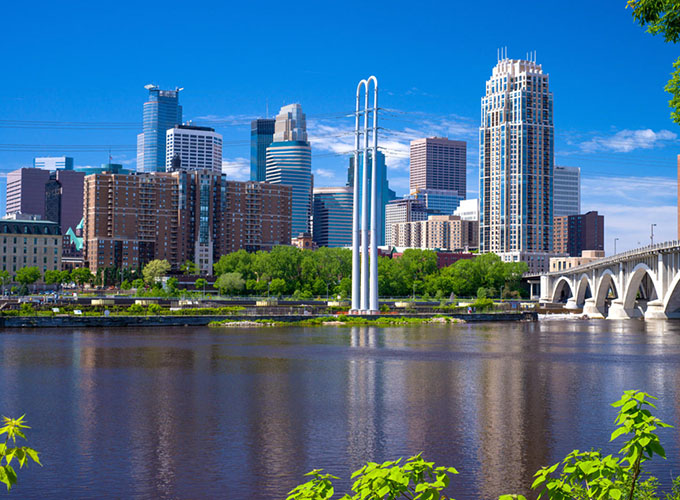
The city’s extensive network of biking and walking trails, including the iconic Stone Arch Bridge (offering stunning views of the Minneapolis skyline and the Mississippi River), makes it easy to stay active. Minnehaha Park is another jewel, featuring a magnificent 53-foot waterfall and miles of scenic trails. Even in winter, residents embrace the outdoors with activities like ice fishing, snowshoeing, and skiing. This strong emphasis on outdoor living promotes a healthy and active lifestyle, offering a refreshing contrast to urban intensity.
Festivals and Events: A Calendar Full of Fun
Minneapolis is a city that loves to celebrate, with a calendar packed with festivals and events throughout the year. Summer brings a flurry of outdoor activities, including the Uptown Art Fair, the Twin Cities Pride Festival, and numerous neighborhood block parties and music concerts in the parks. The winter months are illuminated by events like the Holidazzle Village and various ice sculpture festivals, embracing the season rather than hiding from it.
Sports fans have plenty to cheer about, with professional teams like the Minnesota Vikings (NFL) at U.S. Bank Stadium, the Minnesota Twins (MLB) at Target Field, and the Minnesota Timberwolves (NBA) providing year-round entertainment. These events foster a strong sense of community and provide opportunities for residents and visitors to gather, celebrate, and enjoy shared experiences.
Navigating Minneapolis: Transportation and Neighborhoods
Understanding how to get around and where to live are practical considerations for anyone looking to make Minneapolis home or explore it thoroughly. The city offers diverse transportation options and a rich tapestry of neighborhoods, each with its unique character.
Getting Around: Public Transport and Accessibility
Minneapolis boasts a comprehensive public transportation system, making it relatively easy to navigate without a car. Metro Transit operates an extensive network of buses and light rail lines, connecting Downtown Minneapolis with various neighborhoods, the University of Minnesota, and even the Mall of America and Minneapolis-Saint Paul International Airport. This system is particularly convenient for daily commutes and for tourists exploring attractions.
The city is also highly bike-friendly, with miles of dedicated bike lanes and trails, and a popular bike-sharing program. For those who prefer to drive, major highways crisscross the city, though rush hour traffic can be a challenge, typical of any large urban area. The skyway system, an interconnected network of enclosed pedestrian bridges, offers a unique way to traverse Downtown Minneapolis during inclement weather, connecting offices, shops, and restaurants.
Distinct Neighborhoods: Finding Your Perfect Fit
One of Minneapolis’s greatest strengths is its diverse array of neighborhoods, each offering a distinct vibe and amenities.
- Downtown Minneapolis is the bustling heart of the city, ideal for those seeking an urban experience with proximity to business centers, cultural venues, and nightlife. It offers a variety of apartments and lofts, often with stunning skyline views.
- The North Loop, once an industrial district, has transformed into a trendy area with converted warehouses housing upscale restaurants, boutiques, and modern condos, attracting young professionals and food enthusiasts.
- Uptown, located around the Chain of Lakes, is known for its bohemian charm, independent shops, lively bars, and access to outdoor recreation, appealing to a younger, more artistic crowd.
- Northeast Minneapolis, often called “Nordeast,” retains a strong sense of community and historical character, with a mix of residential homes, art studios, and diverse eateries, attracting artists and families.
- Areas like Lyn-Lake and Longfellow offer a more residential feel with tree-lined streets, local shops, and a strong community spirit, popular with families and those seeking a quieter urban life.
Prospective residents and long-term visitors can find accommodation to suit almost any preference, from historic homes in established neighborhoods to sleek, modern apartments. When choosing a place to stay, consider factors like proximity to work, schools, and desired lifestyle amenities. For short-term stays, hotels and serviced apartments are plentiful across various districts, catering to different budgets and travel styles, from luxury resorts to budget-friendly suites.
Making the Move: Practical Considerations for Living in Minneapolis
Deciding to move to a new city involves more than just job prospects and cultural attractions. Practical aspects, from housing to climate, play a crucial role in the overall living experience.
Accommodation Options: From Historic to Modern
As noted, Minneapolis offers a broad spectrum of housing options. Whether you’re interested in booking a temporary stay or finding a long-term residence, the choices are varied. Historic homes with Victorian or Craftsman architecture can be found in neighborhoods like Kingfield or Tangletown, offering character and charm. For those preferring contemporary living, newly constructed apartment complexes and renovated lofts are abundant in Downtown and the North Loop. Renting is a popular option, with a competitive but manageable market for apartments, suites, and even short-term apartment rentals. For visitors, a wide range of hotels, from luxury resorts offering premium amenities to boutique hotels and budget-friendly accommodations, are available, often with excellent reviews, making booking easy for any travel type.
The Elephant in the Room: Winter
No discussion about living in Minneapolis would be complete without addressing the climate. Winters are undeniably cold, with significant snowfall and temperatures often dipping below freezing. This is perhaps the biggest “con” for many considering a move. However, Minneapolitans are resilient and have perfected the art of embracing winter. The city is well-equipped to handle snow, with efficient plowing and a robust indoor skyway system in the downtown area. Residents engage in a variety of winter sports and activities, from ice skating on the lakes to cross-country skiing in the parks. Many homes and businesses are designed for cold weather, ensuring comfort indoors. While the initial adjustment can be challenging for newcomers from warmer climates, the vibrant cultural scene, cozy cafes, and the beauty of a snowy landscape often win people over. The reward is a glorious summer, offering a complete contrast with warm temperatures, lush greenery, and abundant outdoor festivals and activities, making the longer daylight hours all the more cherished.

Final Verdict: Is Minneapolis Your Next Home?
So, is Minneapolis a good place to live? For many, the answer is a resounding yes. It offers an exceptional quality of life, blending economic opportunity with a rich cultural scene and unparalleled access to nature. The city strikes a desirable balance, providing the amenities and vibrancy of a major urban center without the overwhelming density or exorbitant costs often associated with them.
The strong job market, excellent healthcare and education systems, diverse neighborhoods, and a thriving arts and culinary scene all contribute to its appeal. While the harsh winters require an adjustment, they are offset by beautiful summers and a community that knows how to make the most of every season.
For visitors planning a trip, Minneapolis is a fantastic destination for travel and tourism, offering everything from world-class landmarks and attractions like the Mall of America to unique local culture and experiences. Whether you’re seeking a luxury travel experience with high-end suites and resorts or a budget-friendly adventure exploring local food and activities, Minneapolis has something to offer. Its blend of historical architecture, natural beauty, and modern infrastructure makes it a compelling choice for any type of stay, long or short.
Ultimately, whether Minneapolis is the right place for you depends on your personal priorities and preferences. But with its strong community spirit, forward-thinking policies, and undeniable charm, it remains a top contender for those seeking a high-quality urban lifestyle in a city that truly embraces its unique identity.
LifeOutOfTheBox is a participant in the Amazon Services LLC Associates Program, an affiliate advertising program designed to provide a means for sites to earn advertising fees by advertising and linking to Amazon.com. Amazon, the Amazon logo, AmazonSupply, and the AmazonSupply logo are trademarks of Amazon.com, Inc. or its affiliates. As an Amazon Associate we earn affiliate commissions from qualifying purchases.