
The Mississippi River is more than just a line on a map; it is the beating heart of North America, a legendary natural landmark, and an unparalleled corridor for travel, history, and culture. Often referred to as “The Father of Waters,” this colossal river slices through the American landscape, shaping ecosystems, economies, and identities across its vast reach. For travelers seeking an authentic American experience, understanding the Mississippi River’s geographical expanse is the first step towards unlocking a journey filled with diverse destinations, rich history, and vibrant local cultures.
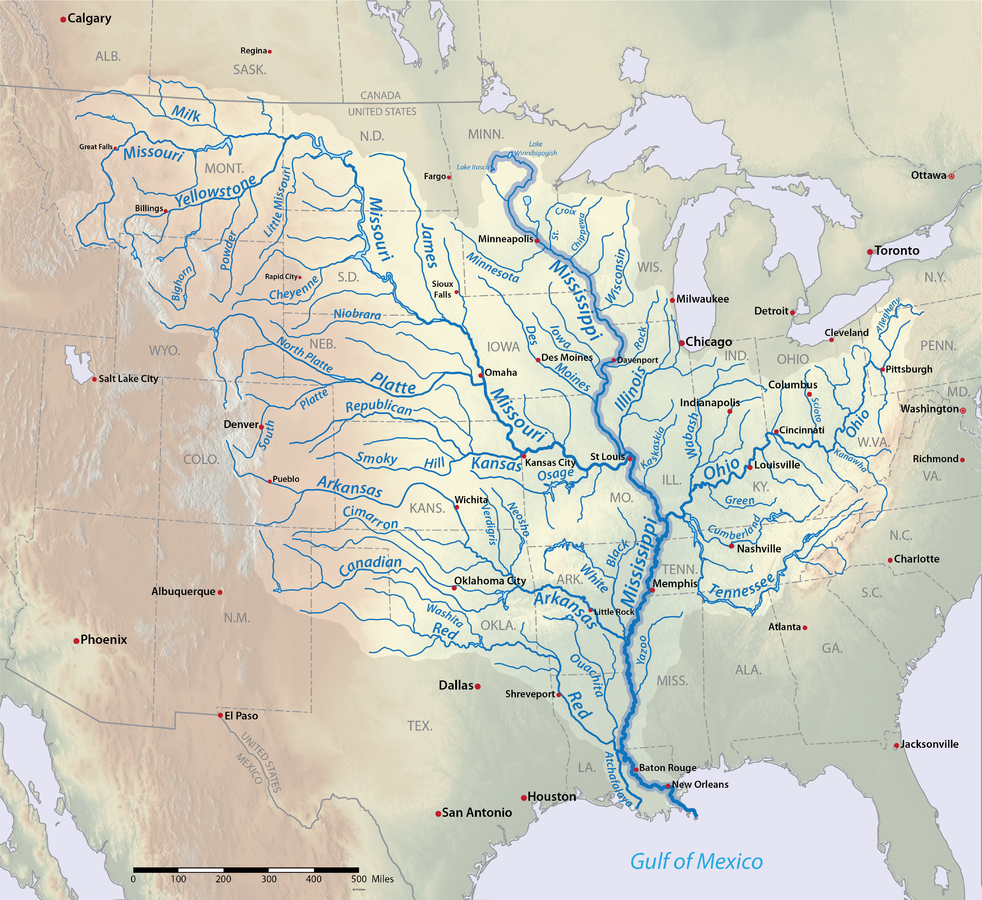
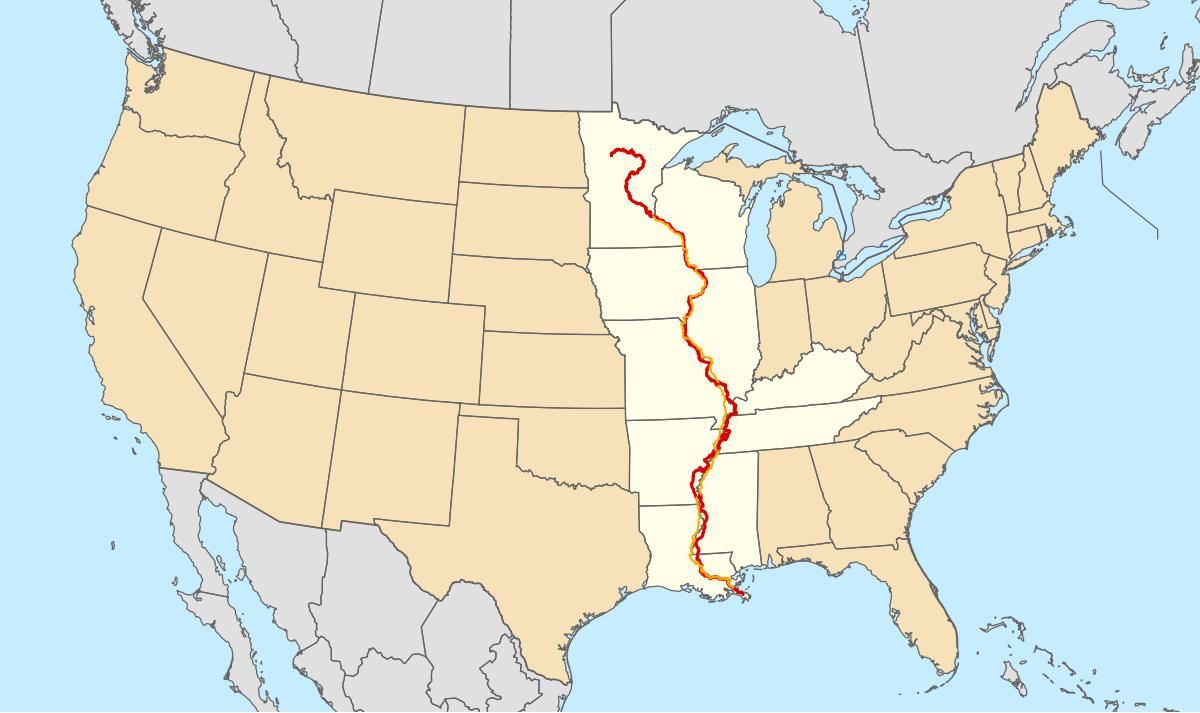
On a map, the Mississippi River appears as a colossal blue vein, beginning subtly in the northern wilderness of Minnesota and steadily growing in width and power as it snakes its way south, ultimately emptying into the Gulf of Mexico. Its immense length—approximately 2,340 miles (3,766 kilometers)—makes it the second-longest river in the United States and the fourth-longest in the world. Its journey connects ten diverse states, offering an incredible mosaic of travel experiences, from pristine natural beauty and bustling urban centers to deep historical roots and unique regional cuisines.
Tracing the Mighty Mississippi: From Source to Sea
To truly appreciate the Mississippi River, one must embark on a mental journey along its entire length, understanding how its character transforms from a humble stream to a majestic waterway. This geographical understanding is key to planning any exploration of its banks, whether you’re seeking a quiet natural escape or a vibrant city adventure.
The Northern Headwaters: Minnesota’s Pristine Wilderness
The Mississippi River’s origin is one of its most captivating features. It begins its epic voyage as a shallow, crystal-clear stream bubbling out of Lake Itasca in Itasca State Park, located in northwestern Minnesota. Here, travelers can literally walk across the river’s nascent flow, a truly unique experience. The surrounding park offers abundant opportunities for outdoor activities, including hiking, camping, and birdwatching, making it a prime destination for nature lovers and those interested in understanding the river’s humble beginnings.
As the river leaves Lake Itasca, it meanders northwards briefly before turning south, flowing through dense pine forests and past charming small towns. In this upper segment, the river is relatively narrow and wild, eventually passing through major cities like Minneapolis and St. Paul in Minnesota. Further south, it forms the border between Minnesota and Wisconsin, Iowa and Illinois, showcasing a transition from forested landscapes to rolling farmlands and dramatic bluffs. The Upper Mississippi is characterized by its locks and dams, which facilitate navigation and create picturesque pools popular for fishing and boating. Many state parks and wildlife refuges dot these northern banks, providing ample opportunities for family trips focused on nature and outdoor recreation.
The Heartland’s Lifeline: A Journey Through America’s Core
As the Mississippi River travels further south, its character deepens, both literally and figuratively. It becomes a major shipping route and a cultural backbone for the heartland states it touches. From its confluence with the Missouri River just north of St. Louis, the Mississippi dramatically increases in volume and breadth, reflecting the immense watershed it drains.
It forms the eastern border of Missouri, a portion rich in early American history and folklore. Further south, the river separates Kentucky and Tennessee from Arkansas and Missouri. This stretch of the river is often associated with the classic American narratives of steamboat travel, westward expansion, and the beginnings of distinct Southern culture. Here, the river’s path is flanked by vast agricultural lands, particularly cotton fields, which speak to a deep agricultural heritage. Charming river towns, often with well-preserved historic districts, invite travelers to step back in time and explore local museums, antique shops, and traditional eateries. Accommodation options in these areas range from cozy bed-and-breakfasts to boutique hotels, offering an intimate glimpse into regional life.
The Southern Embrace: Delta Rhythms and Gulf Waters
The lower Mississippi River flows through the heart of the American South, defining the western border of Mississippi and then slicing through Louisiana before its grand finale. This is the region of the Mississippi River Delta, a landscape shaped by the river’s sediment, rich with fertility and brimming with unique cultural expressions. The river widens dramatically here, becoming a powerful, majestic force.
This segment of the river is synonymous with vibrant music, distinctive culinary traditions, and a captivating blend of influences from French, African, and Native American cultures. Cities like Memphis and New Orleans are epicenters of this cultural richness. The journey culminates as the mighty river fans out into a vast delta, depositing its sediment into the Gulf of Mexico southeast of New Orleans. This final leg of the river’s journey is a sensory overload, where the air is thick with humidity, the sounds of jazz float through historic streets, and the aromas of Creole and Cajun spices entice every palate. For luxury travelers, this region offers opulent resorts and historic hotels, while budget travelers can find charming guesthouses and apartments, particularly in New Orleans, to use as a base for exploration.
Major Destinations and Iconic Landmarks Along the River
Exploring the Mississippi River often means stopping at its celebrated cities, each offering a distinct flavor of American history, culture, and entertainment. These urban hubs are not just places to visit; they are experiences in themselves, offering world-class hotels, exquisite dining, and a plethora of attractions.
Twin Cities Charms: Minneapolis and St. Paul
At the northern end of the navigable Mississippi, Minneapolis and St. Paul, collectively known as the Twin Cities, offer a blend of urban sophistication and natural beauty. The river dramatically carves through the heart of these cities, providing stunning vistas and opportunities for recreation. In Minneapolis, the historic Stone Arch Bridge, a former railway bridge now a pedestrian and cycling path, offers panoramic views of the city skyline and the St. Anthony Falls, the only major waterfall on the Mississippi. The nearby Mill City Museum, housed in the ruins of a historic flour mill, tells the story of the city’s industrial past and its reliance on the river.
The Twin Cities boast a thriving arts scene, diverse culinary offerings, and a wide range of accommodations from luxury hotels to more budget-friendly options, catering to all travel lifestyles. For business stays, these cities offer state-of-the-art facilities, while family trips can enjoy numerous parks, museums, and attractions like the Mall of America.
Gateway to the West: St. Louis
Further south, where the Missouri River merges with the Mississippi, lies St. Louis, Missouri, famously known as the “Gateway to the West.” This iconic city is dominated by the majestic Gateway Arch, an architectural marvel symbolizing America’s westward expansion. A trip to the top of the Arch provides breathtaking views of the river and the city.
St. Louis also offers a rich cultural tapestry. Visitors can tour the historic Anheuser-Busch Brewery, explore world-class museums, or immerse themselves in the city’s vibrant blues music scene. The city’s culinary offerings are equally diverse, from famous St. Louis BBQ to Italian fare on The Hill. Accommodation options are plentiful, ranging from grand historic hotels in downtown to modern resorts, suitable for various travel preferences and group sizes.
Rhythms of the South: Memphis and New Orleans
As the river flows into the deep South, it carries with it the soulful sounds of American music and the flavors of unique regional cuisines. Memphis, Tennessee, sits proudly on the Mississippi’s eastern bank, a city steeped in music history. It’s the home of the blues and the birthplace of rock ‘n’ roll. No visit to Memphis is complete without a pilgrimage to Graceland, Elvis Presley’s iconic estate, or a stroll down Beale Street, where live music pours from every doorway. The National Civil Rights Museum at the Lorraine Motel also offers a profound and moving historical experience. Memphis provides a range of hotels, from luxury properties to more affordable, music-themed accommodations.
Further south, at the river’s delta, lies the crown jewel of Mississippi River tourism: New Orleans, Louisiana. This city is a world unto itself, famous for its French Quarter, vibrant Mardi Gras celebrations, distinctive Creole and Cajun cuisine, and the ever-present sounds of jazz. Visitors can wander through historic streets, take a steamboat cruise on the Mississippi, or indulge in some of the finest food in the United States. New Orleans offers an array of accommodation choices, from historic luxury hotels like The Roosevelt New Orleans, A Waldorf Astoria Hotel and Hotel Monteleone to charming boutique hotels and guesthouses. For those seeking long-term stays or unique experiences, there are also various apartments and villas available, perfect for immersing oneself in the local culture. The city caters to every type of traveler, from those on a budget to those seeking the ultimate luxury travel experience.
Immersive Travel Experiences on the Mississippi
The Mississippi River isn’t just a geographical feature; it’s a conduit for unique travel experiences and a lifestyle shaped by its powerful flow. Whether you prefer luxury cruises, adventurous road trips, or deep dives into local culture, the river offers something for everyone.
River Cruises: A Journey Through Time
One of the most iconic ways to experience the Mississippi River is by embarking on a river cruise. Companies like the American Queen Steamboat Company and Viking River Cruises offer luxurious journeys aboard modern paddlewheelers and riverboats. These cruises provide a comfortable and insightful way to travel between major cities, stopping at historic river towns and offering guided excursions. Onboard amenities often include fine dining, entertainment, and educational programs, making it a perfect option for travelers seeking a relaxed yet immersive historical experience. Guests can enjoy the ever-changing riverside scenery from their private suites or the deck, combining the elegance of a bygone era with contemporary comfort. Many travelers choose to combine these cruises with pre- or post-cruise stays at upscale hotels in cities like New Orleans or Memphis, enhancing their overall travel experience.
Scenic Drives and Outdoor Adventures
For those who prefer to explore at their own pace, the Great River Road offers an unparalleled road trip adventure. This designated National Scenic Byway stretches for over 3,000 miles, following the Mississippi River through all ten states. It’s an ideal way to discover charming small towns, historic sites, and breathtaking natural vistas. Along the Great River Road, travelers can find numerous opportunities for outdoor activities such as hiking, biking, fishing, and kayaking in the river’s tributaries and backwaters. State parks and national wildlife refuges abound, offering birdwatching and photography opportunities. This mode of travel allows for flexibility, catering to both budget travel, with numerous campgrounds and roadside motels, and more luxurious journeys, with stays at unique inns and resorts along the route.
A Culinary and Cultural Tapestry
The Mississippi River has fostered a remarkably diverse culinary landscape. From the wild rice and walleye of Minnesota to the BBQ of St. Louis and Memphis, and the iconic Creole and Cajun dishes of Louisiana, a culinary journey along the river is a feast for the senses. Each region boasts unique flavors, ingredients, and cooking traditions, reflecting its history and local culture.
Beyond food, the river’s influence on music, art, and storytelling is profound. It’s the cradle of the blues, jazz, and rock ‘n’ roll, and its folklore has inspired countless authors and artists. Travelers can immerse themselves in local festivals, visit music halls, or simply enjoy impromptu performances in historic squares. The richness of local culture is experienced not just in grand attractions but also in everyday interactions, from conversations with local shopkeepers to enjoying a meal at a family-run restaurant. This cultural immersion is a core aspect of tourism along the Mississippi.

Planning Your Mississippi River Exploration
Embarking on a Mississippi River adventure requires some planning, but the rewards are immeasurable. First, consider the season: spring and fall offer pleasant weather for outdoor activities and fewer crowds, while summer is ideal for water sports but can be hot, especially in the South. Winter brings unique charm to the northern states, with opportunities for snow sports, but some attractions may have limited hours.
Decide on your preferred mode of travel: a luxurious river cruise, an independent road trip along the Great River Road, or a combination of air travel and local exploration in key cities. Research accommodation options in advance, especially during peak seasons or major events like Mardi Gras in New Orleans. You’ll find a spectrum from budget-friendly motels and campgrounds to luxury resorts and historic hotels, fitting every budget and lifestyle. Many online platforms allow for easy booking, reviews, and comparison of hotels, apartments, and even long-term stay options.
Guided tours are available for specific attractions or entire segments of the river, offering expert insights into history and local life. Consider incorporating local experiences such as cooking classes, swamp tours in Louisiana, or visits to historic plantations. Whether you’re drawn to the tranquil headwaters of Minnesota or the vibrant delta of Louisiana, the Mississippi River promises a journey through the heart and soul of America, making it a top destination for travelers worldwide.
LifeOutOfTheBox is a participant in the Amazon Services LLC Associates Program, an affiliate advertising program designed to provide a means for sites to earn advertising fees by advertising and linking to Amazon.com. Amazon, the Amazon logo, AmazonSupply, and the AmazonSupply logo are trademarks of Amazon.com, Inc. or its affiliates. As an Amazon Associate we earn affiliate commissions from qualifying purchases.