
Mississippi often finds itself at the forefront of discussions concerning poverty within the United States. This beautiful Southern state, rich in culture, history, and natural landscapes, presents a paradox: immense charm and untapped potential coexisting with persistent economic challenges. For travelers, understanding the root causes of this economic struggle enriches the journey, offering a deeper appreciation of the destinations, the resilience of its people, and the ongoing efforts to foster growth. On a website dedicated to travel, hotels, and lifestyle, exploring this topic isn’t just about statistics; it’s about understanding how poverty impacts the tourism landscape, accommodation choices, local culture, and ultimately, the experiences of those who visit and live in the state. From majestic Mississippi River towns to vibrant musical heritage, Mississippi holds a wealth of experiences, yet its economic hurdles shape much of its present and future.

A Tapestry Woven with History and Hardship
To truly grasp the economic realities of Mississippi today, one must first delve into its deep and often difficult past. History here is not merely relegated to textbooks; it is etched into the landscape, the architecture, and the very fabric of its society, profoundly influencing its present-day economic structure and, by extension, its tourism potential.
The Enduring Shadows of the Past
Mississippi’s economic trajectory was fundamentally shaped by the institution of slavery and the subsequent Civil War. As a state built on a plantation economy, primarily cotton, its wealth was concentrated in the hands of a few, while the vast majority, particularly enslaved people and later sharecroppers, lived in profound poverty. The abolition of slavery, while a moral imperative, led to significant economic disruption without adequate support systems for the newly freed population. The ensuing period of Reconstruction and the subsequent era of Jim Crow laws perpetuated systemic racial inequality, denying large segments of the population access to education, land ownership, and economic opportunities. This historical legacy created a deeply entrenched class system and an economic model that struggled to adapt to industrialization, leading to a long-term economic disadvantage.
For visitors, exploring this complex history is an integral part of a trip to Mississippi. Landmarks like Vicksburg National Military Park offer solemn reflections on the Civil War, while preserved antebellum homes in cities like Natchez tell stories of opulence built on labor and suffering. Cultural tourism in Mississippi isn’t just about beautiful sights; it’s about confronting a challenging past. Many of these sites, while significant attractions, often operate within communities that still bear the economic scars of these historical periods. Understanding this context enriches the travel experience, allowing for a more nuanced appreciation of the local communities, their struggles, and their remarkable resilience.
Economic Foundations: From Agriculture to Aspiration
Following the Civil War, Mississippi’s economy remained heavily reliant on agriculture. The mechanization of farming in the 20th century further reduced the need for manual labor, leading to mass migrations out of the state, a phenomenon often referred to as the “Great Migration.” This exodus of human capital, particularly educated and skilled workers, significantly hampered the state’s ability to diversify its economy and build a robust industrial base. Unlike other Southern states that successfully attracted manufacturing industries, Mississippi lagged, struggling to transition from its agrarian roots.
Today, while agriculture remains important, the state grapples with a lack of high-paying jobs, limited industrial diversification beyond a few sectors like automotive manufacturing and gaming, and a predominant small business landscape that often provides lower wages. This economic reality means that per capita income remains low, and a significant portion of the population lives below the poverty line.
However, there’s a growing aspiration to change this narrative. Cities like Jackson, the state capital, are working to foster innovation and attract new businesses. The Gulf Coast region, with its casinos and tourism infrastructure, provides a significant economic engine, offering employment in the hospitality sector. Hotels and resorts like the Beau Rivage Resort & Casino and IP Casino Resort Spa in Biloxi are major employers and contributors to the tax base. The challenge lies in expanding these successes statewide and creating more diverse, high-value employment opportunities that can lift more families out of poverty. For tourists, recognizing these economic undercurrents allows for a more engaged and responsible travel approach, understanding that their spending can directly support local livelihoods and contribute to the state’s economic upliftment.
The Landscape of Opportunity: Education, Infrastructure, and Innovation
Beyond historical legacies, contemporary factors like educational attainment and infrastructure development play a critical role in perpetuating or alleviating poverty. These elements directly impact the quality of life for residents and influence the attractiveness of the state for tourism and investment.
Bridging the Educational Divide
One of the most significant barriers to economic progress in Mississippi is its educational system. The state consistently ranks low in educational attainment and public school funding, which directly impacts the workforce’s skill level and attractiveness to modern industries. A less educated workforce tends to be concentrated in lower-wage jobs, perpetuating the cycle of poverty across generations. This challenge also contributes to the “brain drain” phenomenon, where many of the state’s brightest young minds leave for opportunities in other states with more robust economies and diverse job markets.
For a travel and lifestyle website, the connection might seem indirect, but it is profound. A strong educational system fosters innovation, entrepreneurship, and a skilled labor pool crucial for developing and managing high-quality tourism infrastructure, from boutique hotels to innovative culinary experiences. It impacts the availability of trained hospitality staff and the overall vibrancy of local communities that travelers experience. Imagine the impact of more well-trained tour guides, skilled artisans producing local crafts for sale, or entrepreneurs creating unique accommodation concepts. Efforts to improve education, from early childhood programs to vocational training and university-level research, are not just about academics; they are about building the human capital necessary to diversify the economy and support a thriving tourism sector. Towns like Oxford, home to the University of Mississippi, demonstrate how a strong educational institution can anchor a vibrant, culturally rich community that naturally attracts visitors.
Infrastructure: The Unseen Tourist Barrier
Modern infrastructure is the backbone of any thriving economy and a prerequisite for a robust tourism industry. Unfortunately, Mississippi faces significant challenges in this area. Roads and bridges often require substantial investment, and access to reliable broadband internet, particularly in rural areas, remains limited. These infrastructure deficits directly impact economic development, making it harder for businesses to operate, attract talent, and connect with markets.
For travelers, poor infrastructure can translate into longer travel times, less comfortable journeys, and limited access to off-the-beaten-path attractions that could otherwise draw visitors. Imagine trying to book a remote cabin or a unique farm stay if internet access is unreliable, or reaching a beautiful natural landmark on poorly maintained roads. While cities like Jackson and the Gulf Coast have relatively better infrastructure, vast swathes of the state struggle. Investment in modern infrastructure, including transportation networks and digital connectivity, is not merely about convenience; it’s about unlocking new travel destinations, improving the efficiency of existing tourism operations, and enhancing the overall visitor experience. It also means improved access for residents to essential services and economic opportunities, directly addressing poverty. A traveler’s journey through Mississippi can become smoother, more enjoyable, and reveal more hidden gems when the underlying infrastructure supports it. This is where the state can truly leverage its natural beauty and cultural assets more effectively.
Lifestyle and Livelihoods: The Human Cost and Potential
The economic conditions in Mississippi profoundly affect the daily lives and long-term well-being of its residents. These impacts ripple through health, community vitality, and the very perception of the state as a destination for both living and visiting. Yet, amidst these challenges, lies a rich cultural tapestry and a deep well of resilience that offers immense potential for sustainable development, particularly through tourism.
Health Disparities and Quality of Life
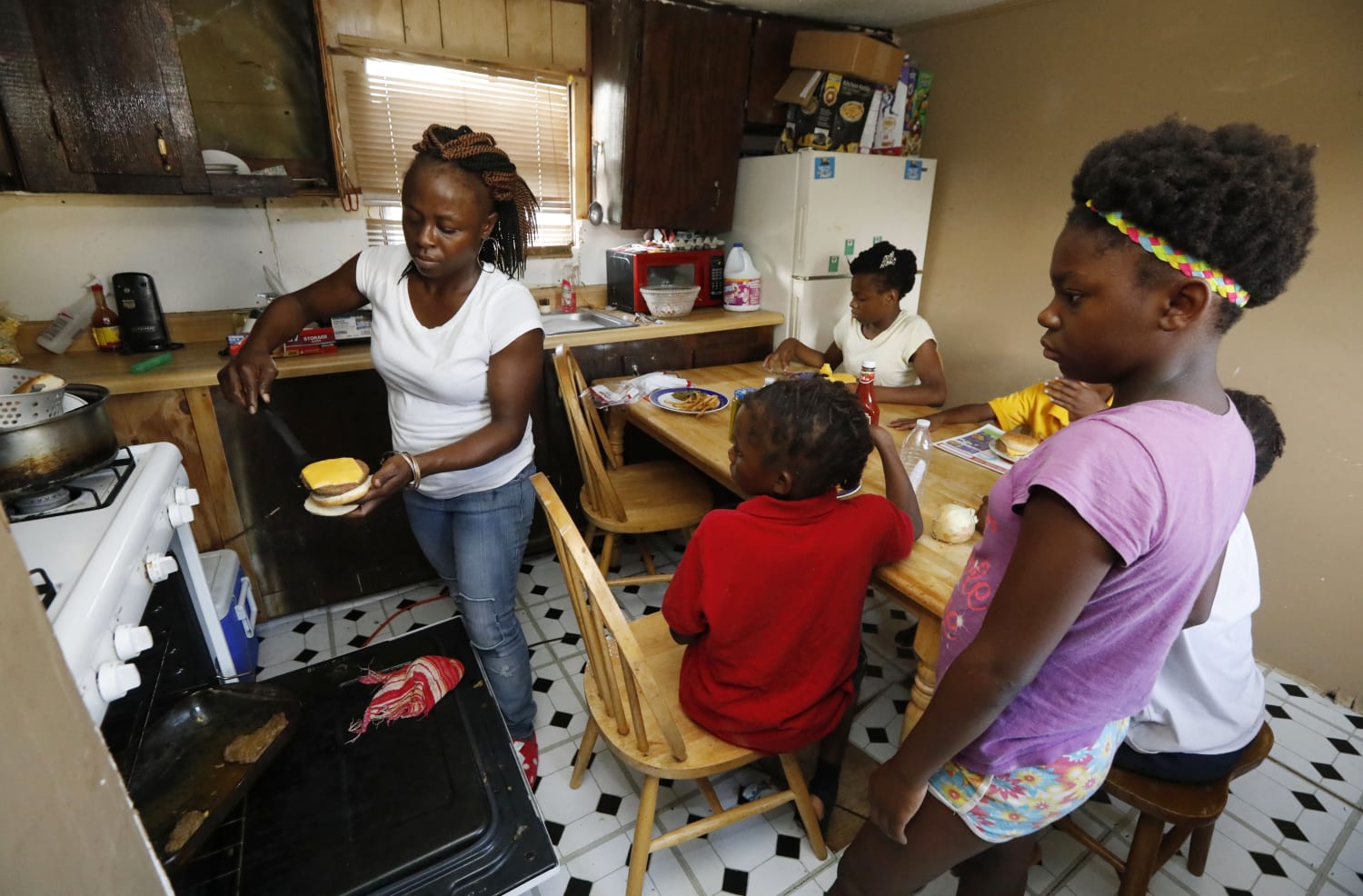
Poverty is inextricably linked to health outcomes. In Mississippi, high rates of poverty contribute to significant health disparities, including higher incidences of chronic diseases, limited access to quality healthcare, and lower life expectancies. These issues create a cycle: poor health can prevent individuals from working consistently or pursuing educational opportunities, thereby perpetuating poverty. From a lifestyle perspective, this impacts the overall quality of life for residents and can indirectly influence how the state is perceived by potential visitors or those considering relocation. While tourists may not directly experience these health challenges, the general well-being of a community contributes to its vibrancy and appeal. A healthy community is a productive community, capable of innovation, providing excellent service in the hospitality sector, and maintaining the cultural assets that draw visitors. Addressing health disparities through improved access to healthcare, education on healthy living, and poverty alleviation programs is a crucial step in enhancing the overall lifestyle for all Mississippians.
The Resilient Spirit: Local Culture and Tourism’s Promise
Despite the economic hardships, Mississippi possesses an incredibly rich and resilient cultural spirit that is a major draw for travelers. It is the birthplace of the Blues, a culinary haven for Southern food, and a state where genuine hospitality is a way of life. This cultural wealth represents a powerful, yet often underutilized, asset in the fight against poverty.
The Mississippi Blues Trail, with markers across the state, guides visitors to legendary juke joints, musicians’ birthplaces, and historical sites in towns like Clarksdale, the “Crossroads of the Blues.” These musical landmarks, combined with vibrant live music venues, offer authentic experiences that draw enthusiasts from around the globe. Similarly, the state’s culinary traditions, from Gulf seafood to soul food, offer unique gastronomic adventures. Ecotourism along the Mississippi River and in its vast state parks, and historical tours exploring the Natchez Trace Parkway, further diversify the tourism offering.
These forms of niche tourism have the potential to directly benefit local economies by creating jobs for guides, restaurateurs, artisans, and small hotel owners. When travelers seek out local, authentic experiences, their money circulates within the community, supporting livelihoods and fostering pride. Encouraging visitors to explore beyond the well-trodden paths, stay in locally-owned accommodations, and engage with community-based tourism initiatives can transform cultural assets into sustainable economic drivers, providing meaningful employment and improving the overall lifestyle for residents. The challenge lies in developing these assets responsibly and ensuring that the benefits of tourism are broadly distributed among the local population.
Charting a Path Forward: Tourism as a Catalyst for Change
Recognizing the multifaceted nature of poverty in Mississippi also illuminates the diverse pathways to improvement. Among these, a strategic and sustainable approach to tourism stands out as a powerful catalyst for economic development, job creation, and cultural preservation, aligning perfectly with the core themes of a travel and lifestyle platform.
Investing in Attractions and Accommodation
For tourism to effectively drive economic growth, continuous investment in both attractions and accommodation infrastructure is essential. While Mississippi boasts unique historical sites and natural beauty, diversifying and upgrading its offerings can significantly increase visitor numbers and encourage longer stays. This includes developing new, innovative attractions that appeal to a broader demographic, such as interactive museums, adventure tourism experiences, or specialized cultural festivals beyond the existing strongholds like the Blues Trail.
Equally important is the quality and variety of accommodation. Beyond the major casino resorts on the Gulf Coast in cities like Biloxi and Tunica, there’s a need for more boutique hotels, charming bed and breakfasts, and unique long-term stay options across the state. These establishments not only provide comfort for travelers but also create direct jobs in hospitality, housekeeping, and local services. Investing in modern amenities, sustainable practices, and distinctive local character for hotels can transform a simple overnight stay into a memorable experience, prompting travelers to spend more locally and recommend Mississippi to others. For instance, the revitalization of historic buildings into charming hotels or the development of eco-lodges in natural areas could attract specific traveler segments seeking authentic and responsible experiences. The Elvis Presley Birthplace in Tupelo, while a major attraction, also benefits from quality nearby accommodation and dining to enhance the visitor’s overall trip.

Empowering Local Communities Through Travel
Perhaps the most potent aspect of tourism as a poverty alleviation tool is its ability to empower local communities directly. Community-based tourism initiatives ensure that the economic benefits of travel directly reach the people who need it most, rather than primarily flowing to external corporations. This involves promoting local artisans, encouraging the patronage of small, locally-owned restaurants, hiring local guides for tours, and developing authentic cultural experiences led by community members.
When travelers choose to stay in a family-run guesthouse, buy handmade crafts from a local market, or dine at a neighborhood eatery, they are directly contributing to the livelihoods of Mississippians. This approach fosters a sense of ownership and pride within communities, encouraging them to preserve their unique cultural heritage and natural environments, as these become valuable assets for tourism. Educational initiatives, supported by tourism revenue, can also lead to skill development within the local population, further empowering them to participate in and benefit from the growing travel sector. For instance, workshops for locals on hospitality management, marketing for small businesses, or English language proficiency can directly translate into better job opportunities. By consciously choosing responsible tourism practices, visitors to Mississippi can play an active role in supporting the state’s journey towards economic resilience and a brighter future for its residents.
The question “Why is Mississippi so poor?” demands a complex, multi-faceted answer rooted in history, economics, education, and infrastructure. However, it is equally important to acknowledge the immense potential that exists within the state’s rich culture, breathtaking landscapes, and the indomitable spirit of its people. By strategically developing its tourism sector—investing in diverse attractions and quality accommodation, empowering local communities, and promoting its unique cultural identity—Mississippi can leverage travel as a powerful engine for sustainable economic growth. For the discerning traveler, a journey through Mississippi offers more than just scenic beauty or historical lessons; it provides an opportunity to engage with a state actively working to shape its destiny, where every visit can contribute to a more prosperous and vibrant future.
LifeOutOfTheBox is a participant in the Amazon Services LLC Associates Program, an affiliate advertising program designed to provide a means for sites to earn advertising fees by advertising and linking to Amazon.com. Amazon, the Amazon logo, AmazonSupply, and the AmazonSupply logo are trademarks of Amazon.com, Inc. or its affiliates. As an Amazon Associate we earn affiliate commissions from qualifying purchases.