
Nebraska, often dubbed the “Cornhusker State,” is a land of vast open spaces, fertile farmlands, and a surprisingly diverse tapestry of urban centers and quaint rural communities. When considering travel, tourism, and lifestyle within any destination, one of the fundamental questions that often arises pertains to its population. The number of people residing in a state profoundly shapes its culture, economic landscape, infrastructure, and ultimately, the experiences it offers to visitors and residents alike. So, how many people live in [Nebraska]?
According to the latest estimates from the U.S. Census Bureau, the population of [Nebraska] is approximately 1.98 million people. While this figure places it among the less populous states in the nation, it belies the dynamic growth and unique character found within its borders. This relatively modest population, spread across a significant land area, contributes to a distinct sense of tranquility and an emphasis on community that defines much of the Midwest. For travelers, this often translates into less crowded attractions, genuine hospitality, and an opportunity to explore destinations without the hustle and bustle of more densely populated regions. Understanding the distribution and dynamics of this population is key to unlocking the full potential of a [Nebraska] experience, from bustling city breaks to serene rural retreats.

A Snapshot of Nebraska’s Population Landscape
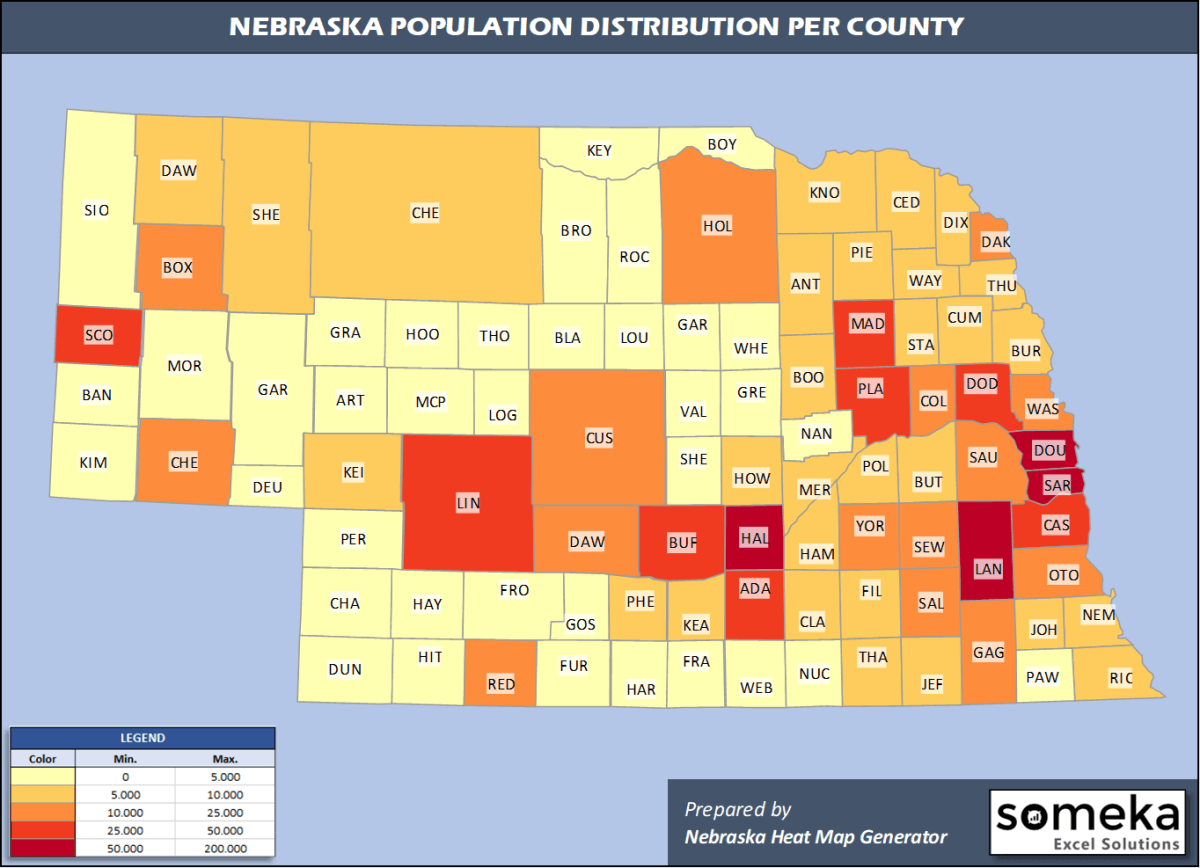
The population of [Nebraska] is not uniformly distributed across its expansive plains. Instead, it concentrates in distinct urban centers, leaving vast stretches of the state sparsely populated. This geographical distribution significantly influences the types of travel experiences available, the local culture one encounters, and the range of accommodations on offer.
Urban Hubs: Where the Majority Resides
The lion’s share of [Nebraska]’s population resides in its two largest metropolitan areas: Omaha and Lincoln. [Omaha], the state’s largest city, boasts a metropolitan population exceeding 950,000, making it a vibrant economic and cultural powerhouse. This thriving urban center is a hub for finance, technology, and insurance, giving it a sophisticated edge often unexpected in a [Midwest] state. Visitors to [Omaha] can explore the historic Old Market, a revitalized district teeming with art galleries, boutiques, and award-winning restaurants. The city is also home to world-class attractions such as the Henry Doorly Zoo and Aquarium, consistently ranked among the best zoos globally, and the Strategic Air Command & Aerospace Museum, offering fascinating insights into aviation history.
Just a short drive southwest, [Lincoln] serves as the state capital and the second-largest city, with a metropolitan population nearing 350,000. [Lincoln] exudes a lively university town atmosphere, largely due to the presence of the University of Nebraska-Lincoln. Its Haymarket District echoes [Omaha]’s [Old Market] with its historic buildings, unique shops, and diverse dining options. The towering State Capitol Building, an architectural marvel, stands proudly as a testament to the state’s history and governance. Both [Omaha] and [Lincoln] offer a comprehensive range of hotels, from luxury high-rises to comfortable budget-friendly options, catering to business travelers, families, and those seeking an urban escape. The density of population in these cities ensures a vibrant nightlife, a diverse culinary scene, and a plethora of cultural activities, making them prime destinations for those who appreciate city amenities within a friendly, accessible environment.
Beyond these two major cities, other significant population centers like Grand Island, Kearney, Bellevue, Papillion, and Fremont also play crucial roles. These communities, while smaller, act as regional hubs, offering services, employment, and local attractions that draw people from surrounding rural areas. They provide a glimpse into the everyday [Nebraska] lifestyle, often featuring charming downtowns, local eateries, and community events that showcase the state’s welcoming spirit.
The Vastness of Rural Nebraska
While the cities hold the majority of residents, a significant portion of [Nebraska]’s landmass is sparsely populated, home to small towns, agricultural communities, and breathtaking natural landscapes. The state’s rural areas are where the true essence of the Great Plains comes alive. From the undulating beauty of the Sandhills in the north-central part of the state to the rugged bluffs along the Missouri River to the east, these regions offer an entirely different kind of experience.
Here, travelers can find unparalleled solitude and a deep connection with nature. This low population density means fewer crowds at natural wonders like Scotts Bluff National Monument, a landmark along the Oregon Trail, or Chimney Rock National Historic Site, another iconic pioneer waypoint. Indian Cave State Park offers stunning autumn foliage and ancient petroglyphs, while the Niobrara River provides opportunities for canoeing and kayaking through a pristine wilderness. The Platte River is world-renowned for its sandhill crane migration, an awe-inspiring natural spectacle that draws birdwatchers from across the globe.
In these rural areas, accommodation options might shift from large hotels to charming bed and breakfasts, unique farm stays, or rustic cabins in state parks. The lifestyle here is characterized by a slower pace, a strong sense of community, and a profound appreciation for the land. Visitors seeking an escape from urban life, an authentic taste of agricultural America, or adventurous outdoor activities will find the rural stretches of [Nebraska] incredibly rewarding. Places like Ashfall Fossil Beds State Historical Park or the quirky art installation Carhenge offer unique diversions that speak to the ingenuity and history found off the beaten path. This demographic distribution ensures that [Nebraska] can cater to a wide array of preferences, whether one seeks the energy of a city or the profound calm of the countryside.
Population Dynamics and Their Influence on Travel & Tourism
The population of [Nebraska], its density, and its demographic makeup are not merely statistics; they are living elements that shape the state’s tourism appeal and the experiences visitors can expect. From the atmosphere of its attractions to the flavors of its food, the human element is ever-present, defining what makes [Nebraska] a distinctive travel destination.
Experiencing Uncrowded Wonders
One of the most significant advantages of [Nebraska]’s relatively small and concentrated population is the opportunity to experience its wonders without the overwhelming crowds often found in more populous states. This lack of congestion extends beyond just natural landmarks; even major city attractions rarely feel overly packed. For travelers prioritizing tranquility and a more personal connection with their surroundings, this is an invaluable asset. Imagine exploring the vast exhibits of the Museum of American Speed in [Lincoln] or strolling through Pioneer Courage Park in [Omaha] with ample space and time to truly absorb the details.
This uncrowded environment fosters a relaxed pace of travel, allowing for spontaneous detours and a genuine immersion in the local scene. Whether it’s birdwatching during the crane migration along the [Platte River], exploring the rugged trails of Fort Robinson State Park, or simply enjoying a quiet moment in one of the state’s many charming small towns, the absence of dense crowds enhances the quality of the experience. It supports a type of tourism focused on authentic engagement, where visitors aren’t just ticking off sights but truly living the moment. This makes [Nebraska] an ideal destination for those seeking refuge from the fast-paced, overcrowded travel experiences that have become common elsewhere, offering a refreshing sense of space and freedom.
The Heart of Local Culture and Cuisine
The close-knit communities, particularly in rural [Nebraska], foster a strong sense of local identity and tradition, which is a treasure for cultural tourism. With fewer external influences from massive population influxes, many towns retain their unique character, local festivals, and generational customs. This authenticity is reflected in [Nebraska]’s culinary scene as well. While [Omaha] and [Lincoln] boast diverse fine dining and international cuisine, the true heart of [Nebraska] food often lies in its local specialties, heavily influenced by agriculture and heritage. Think of the famous Runza sandwich, a savory pastry filled with beef, cabbage, or onions, which is a staple across the state. The quality of [Nebraska] beef is world-renowned, and experiencing a steakhouse meal in a small-town setting, often with meat sourced from nearby ranches, is an experience unto itself.
Local farmers’ markets flourish, offering fresh produce and handcrafted goods, providing a direct connection to the state’s agricultural roots. Events like county fairs and small-town celebrations are not just tourist attractions; they are genuine expressions of community life, welcoming visitors to participate and observe. From the historical significance of Arbor Day Farm in Nebraska City to the vibrant arts scene in [Kearney], [Nebraska]’s population, despite its size, cultivates a rich tapestry of local culture. It’s a culture built on resilience, hard work, and hospitality, inviting travelers to delve deeper than surface-level attractions and connect with the genuine spirit of the [Midwest].
Accommodation and Lifestyle Choices Across Nebraska’s Demographics
The interplay between [Nebraska]’s population distribution and its tourism offerings is perhaps most evident in the variety of accommodation and lifestyle experiences available. From the bustling metropolitan areas to the serene countryside, the state caters to a broad spectrum of travelers, each seeking a particular kind of stay and a specific pace of life.
Diverse Stays for Every Traveler
The concentration of people in [Omaha] and [Lincoln] naturally leads to a robust hotel sector, offering everything from luxury hotels to extended-stay apartments. In [Omaha], visitors can choose from upscale options like the historic Magnolia Hotel Omaha or modern downtown establishments. [Lincoln], too, provides a range of accommodations, including boutique hotels in the [Haymarket District] and contemporary hotels near the [University of Nebraska-Lincoln] campus, such as The Scarlet Hotel. These urban centers are ideal for business travelers, those attending events, or tourists who prefer the convenience of city amenities, including diverse dining, cultural venues, and entertainment options within easy reach. The population density here supports a vibrant nightlife and a variety of services designed for both short-term and long-term stays.
As one ventures into the less populated areas, the accommodation landscape shifts, reflecting the rural lifestyle and the emphasis on nature. Charming bed and breakfasts, often housed in historic homes, offer personalized service and a taste of local hospitality. For those seeking a deeper connection with the land, unique ranch stays provide an immersive experience, allowing guests to participate in daily ranch life or simply enjoy the peace of the vast prairies. State parks and national monuments offer camping and cabin rentals, catering to outdoor enthusiasts. The small towns across [Nebraska] also feature local motels and independent inns, providing comfortable and affordable bases for exploring regional attractions. This diversity in accommodation, directly influenced by population distribution, ensures that whether a traveler desires the urban comforts of a high-end resort or the rustic charm of a remote cabin, [Nebraska] has an option to suit their preference.

Lifestyle Appeals: From Urban Sophistication to Rural Retreats
[Nebraska]’s population spread allows it to offer distinct lifestyle experiences, appealing to different segments of travelers and residents. For those drawn to the dynamism of city life, [Omaha] and [Lincoln] provide a sophisticated urban experience. Here, one can enjoy world-class dining, attend concerts and theatrical performances, explore museums, and partake in a bustling nightlife. The presence of major corporations and educational institutions fosters a vibrant, educated populace, contributing to a diverse and cosmopolitan atmosphere. The Bob Kerrey Pedestrian Bridge, connecting [Omaha] to Iowa, symbolizes this outward-looking, connected urban lifestyle.Conversely, the vast rural areas of [Nebraska] cater to a lifestyle centered on peace, nature, and community. For travelers, this translates into opportunities for quiet contemplation, outdoor adventures, and a chance to unplug from the demands of modern life. Families often find these areas ideal for trips focused on nature, wildlife viewing, and educational experiences related to agriculture and pioneer history. The pace is slower, interactions are more personal, and the emphasis is on the natural beauty and rugged spirit of the [Great Plains]. Whether seeking a luxurious stay in a downtown [Omaha] hotel or a rustic escape on a working ranch in the [Sandhills], [Nebraska]’s population dynamics create a spectrum of lifestyle choices, each offering a unique window into the heart of America.
In conclusion, the question “How many people live in [Nebraska]?” reveals more than just a demographic figure; it uncovers the very essence of the state’s appeal. With just under two million residents, [Nebraska] strikes a balance between vibrant urban development and expansive natural beauty. This population distribution fosters uncrowded attractions, preserves genuine local culture, and ensures a diverse range of accommodation and lifestyle experiences. For those looking to explore the heartland of America, [Nebraska] offers a refreshing journey where genuine hospitality and authentic experiences are as vast as its wide-open skies.
LifeOutOfTheBox is a participant in the Amazon Services LLC Associates Program, an affiliate advertising program designed to provide a means for sites to earn advertising fees by advertising and linking to Amazon.com. Amazon, the Amazon logo, AmazonSupply, and the AmazonSupply logo are trademarks of Amazon.com, Inc. or its affiliates. As an Amazon Associate we earn affiliate commissions from qualifying purchases.