
Nebraska, often celebrated for its vast prairies, rich agricultural heritage, and the heartwarming hospitality of its residents, holds a unique distinction on the American map beyond its scenic landscapes: it’s one of a handful of U.S. states divided across two different time zones. For travelers, business professionals, or even those considering a relocation to the Cornhusker State, understanding this geographical quirk is essential for seamless planning and an enjoyable experience. Far from being a mere logistical detail, Nebraska’s dual time zone status weaves into the fabric of daily life, influencing everything from travel itineraries and hotel bookings to local events and business operations.
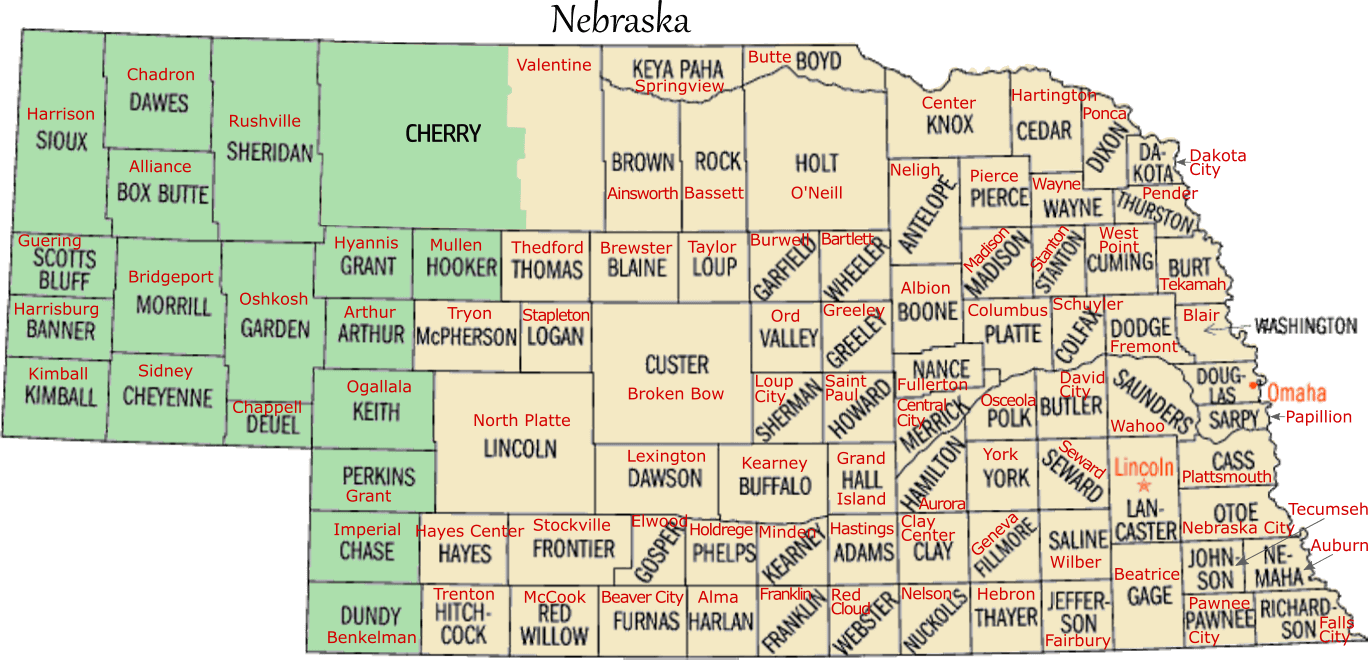
This dual-time arrangement primarily splits the state between the Central Time Zone (CT) and the Mountain Time Zone (MT). While the majority of Nebraska observes Central Time, a significant portion of its western counties operates on Mountain Time. This division is not arbitrary but historically rooted, reflecting the state’s westward expansion and its alignment with neighboring territories. Navigating this time zone split is key to unlocking the best of what Nebraska has to offer, ensuring that your journey, whether for leisure or business, flows without a hitch.
The Dual Rhythms of Nebraska: Central and Mountain Time
To truly grasp the dynamics of Nebraska’s time zones, it’s crucial to identify which areas fall under which system. The vast majority of the state, including major metropolitan areas and popular tourist destinations, adheres to Central Time (CT). This means that cities like Omaha, Lincoln, and Grand Island, along with their surrounding counties, observe CT, which is UTC-6 during standard time and UTC-5 during Daylight Saving Time. This alignment puts them in sync with much of the Midwest, making travel and communication relatively straightforward for those arriving from states like Iowa or Missouri.
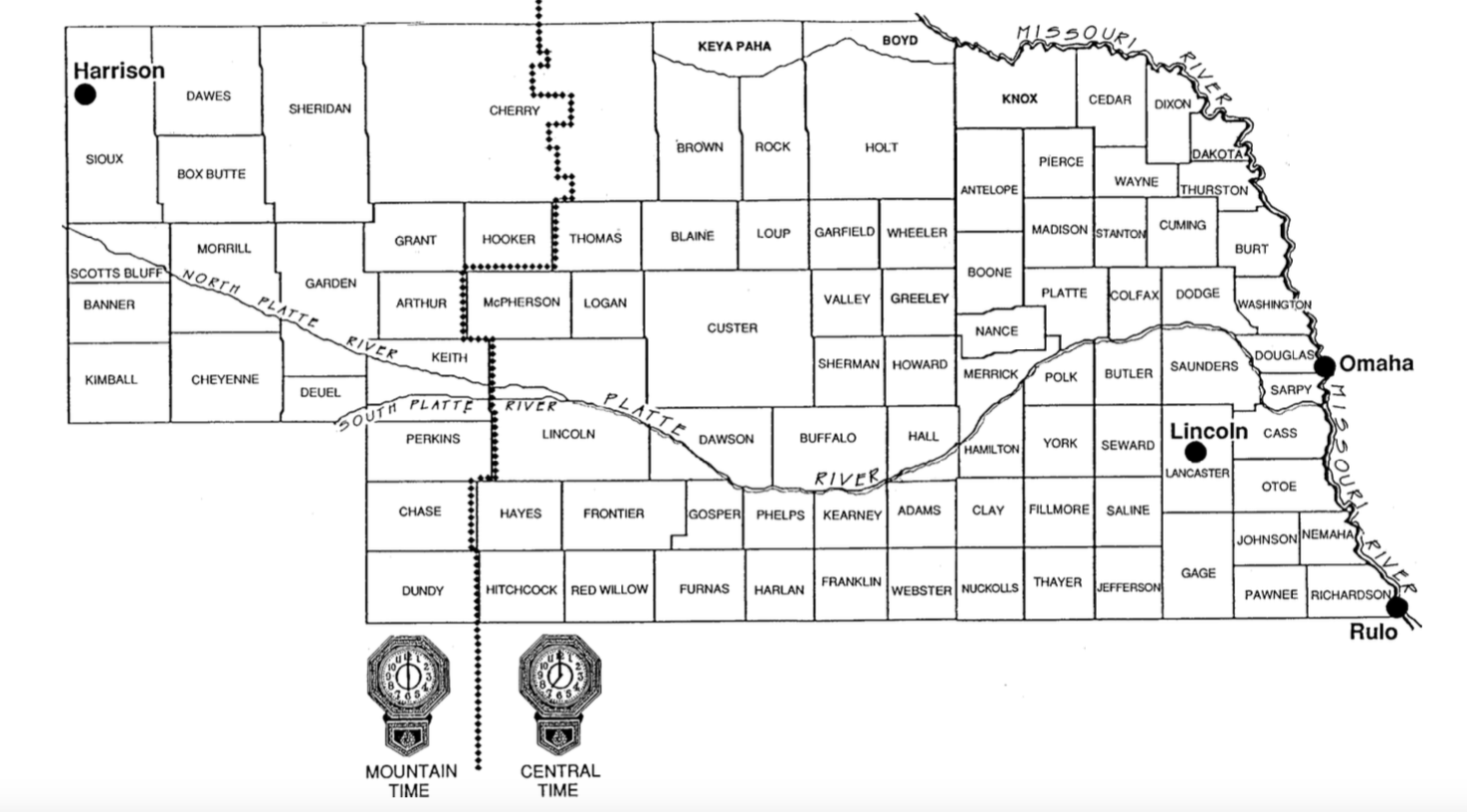
However, as one travels west, the landscape, and indeed the time, begins to shift. The westernmost counties of Nebraska operate on Mountain Time (MT), which is UTC-7 during standard time and UTC-6 during Daylight Saving Time. This time zone is primarily observed by counties bordering Colorado and Wyoming, reflecting a more natural alignment with their western neighbors. Key cities and regions in this zone include Scottsbluff, North Platte, and the entire Nebraska Panhandle. For example, if you’re planning to visit the majestic Scotts Bluff National Monument or the iconic Chimney Rock National Historic Site, you’ll need to adjust your watch to Mountain Time.
The dividing line isn’t perfectly straight, but generally, counties west of the 100th meridian or thereabouts fall into the Mountain Time Zone. This includes counties such as Banner, Box Butte, Cheyenne, Dawes, Deuel, Garden, Kimball, Morrill, Scotts Bluff, Sheridan, and Sioux. Some counties like Cherry, Hooker, and Thomas are almost entirely in Mountain Time, while others like Arthur, Grant, and McPherson are fully within Central Time. The specifics can be intricate, so always double-check the time zone for your precise destination, especially when dealing with crucial appointments or travel connections.
This historical demarcation reflects the practicalities of the era when time zones were standardized. As the transcontinental railroad expanded westward, there was a clear need for a consistent time system to manage schedules and avoid chaos. The existing time zones were often drawn to align with the needs of rail companies and local communities, sometimes following natural geographical features or established county lines to minimize disruption. In Nebraska’s case, its position as a transitional state between the Great Plains and the Rocky Mountains naturally lent itself to incorporating both time zones, linking its western reaches more closely to mountain states.
Navigating Nebraska’s Time Zones: A Traveler’s Guide
For anyone planning a trip through the diverse landscapes of Nebraska, understanding its time zone division is paramount. From booking your accommodation to planning your daily itinerary and ensuring smooth travel, a little foresight goes a long way.
Planning Your Journey and Itinerary
When mapping out your Nebraska adventure, whether it’s a family road trip, a business excursion, or a solo exploration, the time zone split impacts every aspect of your schedule. If your journey takes you from the bustling streets of Omaha (Central Time) to the scenic vistas of Scottsbluff (Mountain Time), you’ll experience a one-hour shift. This means you gain an hour traveling west and lose an hour traveling east.
- Arrival Times: Be mindful of flight or bus arrival times, particularly if your destination airport or station is near the time zone boundary. For instance, if you’re flying into Omaha’s Eppley Airfield and then driving west, factor in the time change for any subsequent appointments.
- Driving Distances: While driving distances remain the same, the perceived “time spent” traveling might feel different. A three-hour drive across the time zone line could effectively mean you arrive at what feels like two hours later or four hours earlier, depending on your direction.
- Attraction Timings: Always double-check the operating hours for attractions, museums, and natural landmarks based on their local time zone. A museum in Lincoln might close at 5 PM CT, while a historical site near Chadron might close at 5 PM MT, which would be 6 PM CT. Popular sites like the Strategic Air Command & Aerospace Museum near Ashland (CT) or the Carhenge monument near Alliance (MT) will operate strictly on their local time.

Accommodation and Booking Considerations
The impact of time zones extends directly to your accommodation choices, from check-in and check-out times to reservation confirmations. Hotels, resorts, apartments, and villas all operate on local time.
- Check-in/Check-out: When booking a hotel in North Platte (MT) after a long drive from Kearney (CT), remember that your scheduled 3 PM check-in will be 4 PM back in Kearney. Missing this detail can lead to confusion or even late arrival fees, especially if you’re driving long distances. Reputable chains like the Courtyard by Marriott North Platte or local gems like the Historic Plains Hotel will adhere to Mountain Time.
- Restaurant Reservations: If you’re planning a dinner reservation at a popular local eatery, ensure you’re setting your time correctly. A 7 PM reservation in Scottsbluff is 8 PM in Grand Island.
- Long-Term Stays: For those considering extended accommodation in Nebraska, perhaps in an apartment or villa, understanding the local time zone is crucial for daily routines, utility scheduling, and coordinating with local services.
- Business Stays: Business travelers frequently cross time zones. Scheduling virtual meetings, coordinating with local partners, and adhering to deadlines require an accurate awareness of the local time. For example, a conference starting at 9 AM in Lincoln will require participants from Gering to log on at 8 AM their local time. Many hotels geared towards business, such as the Embassy Suites by Hilton Omaha Downtown Old Market or the Hyatt Place Lincoln / Downtown-Haymarket, will provide clear clock settings, but personal vigilance is key.
Lifestyle and Local Culture Implications
The time zone split isn’t just about practicalities; it also subtly influences local lifestyle and tourism.
- Local Events: From county fairs and rodeos to music festivals and farmers’ markets, local events in Nebraska are scheduled according to their specific time zone. If you’re attending the Nebraska State Fair in Grand Island (CT) and have friends coming from Sidney (MT), they’ll need to leave an hour earlier to arrive on time.
- Food and Dining: While not directly affected by time zones, the rhythm of daily meals can subtly shift. A typical dinner time in Omaha might feel an hour later or earlier to someone accustomed to Mountain Time, influencing when restaurants see their peak crowds. Exploring Nebraska’s local cuisine, from its famous Runza to its prime steaks, is always a treat, regardless of the hour, but knowing the local time can help you catch happy hour deals or avoid busy periods.
- Outdoor Activities: Many of Nebraska’s natural attractions, such as the Platte River State Park or the Indian Cave State Park, are enjoyed during daylight hours. While sunrise and sunset times differ naturally across the longitude, the official “start” and “end” of the day for park services will follow local time. This can influence when you plan your hiking, fishing, or stargazing activities.
Tips for a Smooth Nebraska Experience
To ensure your visit or stay in Nebraska is as smooth as its rolling hills, keep these practical tips in mind, especially concerning the time zone transition:
Practical Time Zone Management
- Set Your Devices to Automatic: Most smartphones, tablets, and smartwatches will automatically adjust to the local time zone when you cross the boundary, thanks to cellular network data or GPS. However, always manually verify for crucial appointments.
- Double-Check All Bookings: When making reservations for hotels, flights, rental cars, tours, or events, confirm the time zone specified for the booking. Websites or apps may sometimes default to your current location’s time zone, leading to errors.
- Use a Dual-Time Watch: For those who prefer analog solutions or want an easy reference, a dual-time watch allows you to keep track of both CT and MT simultaneously.
- Communicate Clearly: If you’re coordinating with locals or others who are in a different time zone within Nebraska, explicitly state the time zone (e.g., “3 PM CT” or “2 PM MT”) to avoid any confusion. This is particularly important for business communications or family meet-ups.
Enhancing Your Nebraska Exploration
- Embrace the Journey: Nebraska is a state rich in landmarks, history, and natural beauty. Take your time traversing the state. The drive from Omaha to Scottsbluff offers a fantastic opportunity to see the diverse landscapes change, from the urban vibrancy of the east to the rugged beauty of the west.
- Explore Local Culture: Engage with the local culture. Whether it’s attending a minor league baseball game in Lincoln, exploring the Old Market in Omaha, or discovering the cowboy heritage in the Panhandle, each region offers unique experiences.
- Flexibility is Key: While planning is essential, maintain a degree of flexibility in your schedule. Travel is often about unexpected discoveries, and being able to adapt to a slight time adjustment will only enhance your adventure. For budget travelers, this flexibility might mean taking advantage of off-peak hours at certain attractions, while luxury travelers might appreciate the extra hour to savor a fine dining experience.
In conclusion, Nebraska’s division into Central and Mountain Time Zones is a distinctive feature that, once understood, adds another layer of intrigue to this Midwestern gem. Far from being a hindrance, it’s a characteristic that reflects the state’s vastness and its connection to both the heartland and the western frontier. By being mindful of this temporal split, travelers can seamlessly navigate their journey, ensuring that every booking, every meeting, and every memorable moment in Nebraska unfolds precisely as planned. Whether you’re admiring historical landmarks, enjoying the comfort of a local resort, or conducting business, knowing “What Is Nebraska Time Zone?” is your first step to a truly fulfilling Nebraska experience.
LifeOutOfTheBox is a participant in the Amazon Services LLC Associates Program, an affiliate advertising program designed to provide a means for sites to earn advertising fees by advertising and linking to Amazon.com. Amazon, the Amazon logo, AmazonSupply, and the AmazonSupply logo are trademarks of Amazon.com, Inc. or its affiliates. As an Amazon Associate we earn affiliate commissions from qualifying purchases.