
For anyone planning a trip to the vibrant city of Reno Nevada, understanding its time zone is a crucial first step in seamless travel planning. Whether you’re coordinating flights, booking a hotel, or scheduling your sightseeing adventures, knowing the local time can significantly enhance your experience. Reno, often dubbed the “Biggest Little City in the World,” operates within the Pacific Time Zone, adhering to Daylight Saving Time during the warmer months. This means that for a significant portion of the year, visitors and residents alike will observe Pacific Daylight Time (PDT), which is UTC-7, before shifting back to Pacific Standard Time (PST), UTC-8, in the fall.
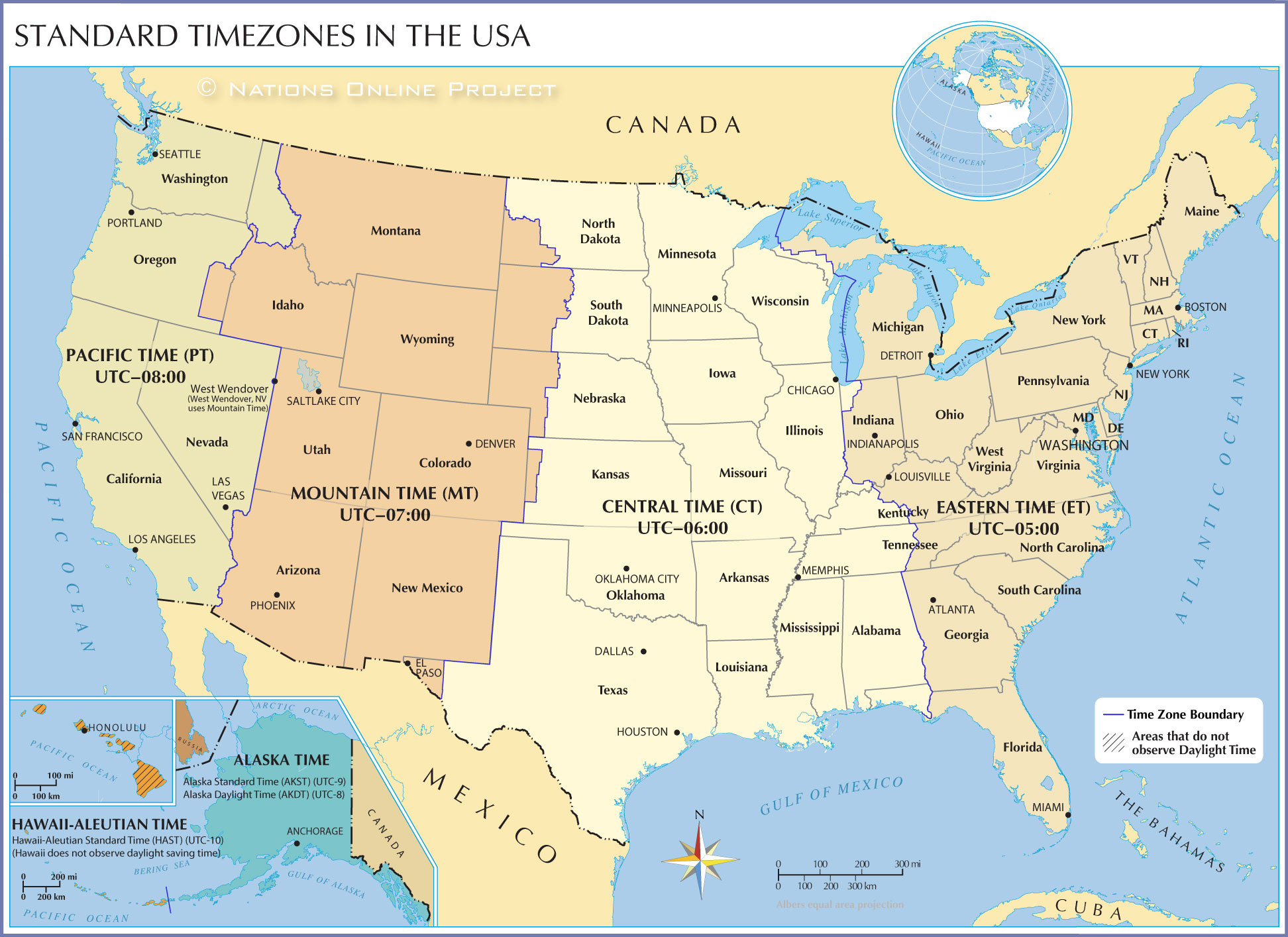
Located in the western part of Nevada, nestled at the foot of the majestic Sierra Nevada mountain range and just a stone’s throw from the pristine waters of Lake Tahoe, Reno’s time zone alignment with California makes it a convenient destination for travelers from the west coast of the United States. However, for those arriving from further east or internationally, this time difference becomes a key consideration for managing jet lag and maximizing their stay. Beyond the practicalities of time, Reno offers a unique blend of gaming, outdoor adventure, arts, and a burgeoning culinary scene, making it a compelling destination for diverse travel styles and interests.
Understanding Reno’s Time Zone: Pacific Time Explained
The Pacific Time Zone encompasses the westernmost states of the continental United States and parts of Canada and Mexico. For Reno, this means its clocks follow the same rhythm as major cities like Los Angeles, San Francisco, and Seattle. This consistency across a broad, populous region simplifies coordination for business, tourism, and travel within the western United States. For visitors to Reno, particularly those arriving from outside the Pacific Time Zone, understanding this local standard is paramount. It’s not just about knowing what time it is, but also about appreciating the geographical and seasonal factors that dictate its observance.
Pacific Standard Time (PST) vs. Pacific Daylight Time (PDT)
The distinction between Pacific Standard Time (PST) and Pacific Daylight Time (PDT) is vital for anyone planning a visit to Reno. Pacific Standard Time (PST) is observed during the fall and winter months, from early November until mid-March, and is 8 hours behind Coordinated Universal Time (UTC-8). This period brings shorter daylight hours, which can influence outdoor activities and the timing of evening events.
Conversely, Pacific Daylight Time (PDT) takes effect in the spring and summer, beginning on the second Sunday in March and ending on the first Sunday in November. During this period, clocks are moved forward by one hour, making Reno 7 hours behind Coordinated Universal Time (UTC-7). The shift to PDT means longer evenings, providing ample opportunity for visitors to enjoy Reno’s outdoor attractions, vibrant nightlife, and extended dining experiences. Travelers should always verify the current time observance, especially when planning around the transition dates, to avoid any scheduling mishaps with flights, tours, or resort check-ins.
Geographical Context and Time Zone Neighbors
Reno’s location within the Pacific Time Zone is a direct result of its geography. Positioned in western Nevada, it shares its time zone with its western neighbor, California, which is a major source of tourism and business for Reno. This shared time zone greatly simplifies cross-border interactions, making day trips from California to Reno or vice versa completely seamless in terms of scheduling.
However, Nevada is a large state, and while Reno and the bustling metropolis of Las Vegas both observe Pacific Time, the eastern parts of Nevada border states that are in the Mountain Time Zone, such as Utah and Arizona (though Arizona largely does not observe Daylight Saving Time). This means that travelers heading east from Reno will typically gain an hour as they cross into the Mountain Time Zone. Conversely, those traveling from the Mountain Time Zone into Reno will lose an hour, an important detail for scheduling meetings, transportation, or just making it to dinner reservations on time. Awareness of these time zone boundaries is crucial for any extended road trip through the western United States.
Navigating Time Differences for Travelers to Reno
Traveling across time zones can present unique challenges, particularly the physiological effects of jet lag. For visitors arriving in Reno from time zones significantly different from Pacific Time, proactive planning is key to ensuring a smooth and enjoyable trip. The appeal of Reno – from its dynamic casino floors to its serene mountain backdrops – demands an alert and well-rested traveler. Understanding how to mitigate the impact of time shifts and strategically planning your itinerary around the local time can make all the difference, transforming potential fatigue into a vibrant exploration of this diverse destination.
Beating Jet Lag and Optimizing Your Arrival
For travelers arriving in Reno from the East Coast of the United States or international destinations, the time difference can be substantial. For example, the three-hour difference from the Eastern Time Zone means that an early morning flight from New York landing in Reno might feel like a much later arrival to your internal clock. To combat jet lag, experts recommend gradually adjusting your sleep schedule a few days before your trip by going to bed and waking up earlier or later, depending on your direction of travel.
Upon arrival, exposing yourself to natural light can help reset your circadian rhythm. Try to schedule outdoor activities or simply spend time walking around the Riverwalk District in the afternoon. Staying hydrated is also crucial; drink plenty of water and limit caffeine and alcohol. Plan a lighter schedule for your first day, allowing for flexibility and perhaps an early night. Many hotels in Reno, from the Grand Sierra Resort to the Peppermill Resort Spa Casino, offer comfortable amenities designed for relaxation, which can be invaluable for settling into the new time zone. Prioritizing rest upon arrival will enable you to fully embrace all that Reno has to offer.
Planning Your Itinerary: Activities and Event Scheduling
Knowing Reno’s time zone is not just about avoiding jet lag; it’s also fundamental for effective itinerary planning. The city’s bustling schedule of events, from live shows and concerts at resort casinos to sporting events and festivals, is all timed to Pacific Time. If you’re planning to catch a concert at the Grand Theatre at the Grand Sierra Resort or explore the exhibits at the Nevada Museum of Art, it’s essential to confirm the start times in local Reno hours.
Restaurant reservations, especially for popular dining spots along the Truckee River, should also be made with the local time in mind. For outdoor enthusiasts, scheduling activities like hiking in the Sierra Nevada or water sports on Lake Tahoe requires consideration of daylight hours, which vary significantly between Pacific Standard Time and Pacific Daylight Time. During PDT, longer evenings allow for extended outdoor enjoyment, while PST brings earlier sunsets, necessitating earlier starts for certain adventures. Always double-check operating hours for attractions and transportation schedules to ensure a seamless and stress-free travel experience.

Reno: More Than Just a Time Zone – A Thriving Destination
While its time zone is a practical consideration for travelers, Reno truly shines as a destination brimming with diverse attractions, vibrant culture, and unparalleled hospitality. The city has expertly cultivated an image that blends its gaming heritage with a modern focus on outdoor recreation, arts, and a booming tech scene. This transformation makes Reno appealing to a wide spectrum of visitors, from those seeking the thrill of the casinos to adventurers eager to explore the natural beauty of the surrounding region. The city’s identity as the “Biggest Little City” perfectly encapsulates its ability to offer big-city amenities and entertainment with a friendly, accessible charm.
Iconic Landmarks and Attractions in Reno
Reno is rich with landmarks and attractions that cater to every interest. No visit is complete without a photo op beneath the iconic Reno Arch, a dazzling symbol that welcomes visitors to the “Biggest Little City in the World.” For automobile enthusiasts, the National Automobile Museum (The Harrah Collection) is a must-see, showcasing a stunning array of vintage, classic, and unique vehicles that tell a captivating story of automotive history.
The Riverwalk District, stretching along the picturesque Truckee River, is the cultural heart of Reno. Here, visitors can explore art galleries, boutique shops, and a diverse range of restaurants and cafes. The Wingfield Park within the district hosts numerous events and concerts, especially during the warmer months when Pacific Daylight Time allows for longer evening enjoyment. Additionally, the Nevada Museum of Art offers an impressive collection of contemporary and historical art, often featuring exhibitions with a strong regional focus. These landmarks, among others, contribute to Reno’s unique character and appeal.
Where to Stay: Hotels and Accommodation for Every Lifestyle
Reno offers an extensive range of accommodation options, ensuring that every traveler can find a perfect fit for their budget, style, and travel needs. From luxurious resorts brimming with amenities to cozy boutique hotels and convenient vacation rentals, the city caters to a diverse clientele. For those seeking a full-service experience, major casino resorts like the Grand Sierra Resort, Peppermill Resort Spa Casino, and Atlantis Casino Resort Spa provide everything under one roof: opulent suites, world-class dining, live entertainment, rejuvenating spas, and extensive gaming floors. These resorts are ideal for luxury travel, family trips with varied interests, or even business stays where convenience and comprehensive facilities are paramount.
Budget-conscious travelers will find numerous mid-range and economy hotels throughout the city, offering comfortable stays without breaking the bank. Many of these provide easy access to downtown attractions and public transportation. For longer stays or those preferring a more home-like environment, apartments and villas are available through various booking platforms, often equipped with kitchens and separate living areas. When choosing accommodation, consider its proximity to the attractions on your itinerary and whether you prefer the bustling energy of downtown or a quieter retreat closer to the Sierra Nevada foothills. Booking in advance, especially during peak seasons like summer or major events, is highly recommended to secure the best rates and preferred locations.
Experiencing Local Culture and Tourism in the “Biggest Little City”
Reno’s culture is a vibrant mosaic of its pioneering past, its gaming legacy, and its modern embrace of arts and outdoor living. The city’s tourism offerings extend far beyond the casino floors, inviting visitors to delve into its unique character. Foodies will delight in Reno’s burgeoning culinary scene, which ranges from upscale gourmet experiences to casual eateries and innovative food trucks, often featuring farm-to-table ingredients from the surrounding region. The Riverwalk District is particularly known for its diverse dining options and lively atmosphere.
Throughout the year, Reno hosts a calendar full of exciting events that showcase its local flavor. Iconic gatherings like Hot August Nights, a classic car and nostalgia festival, and the Reno Rodeo, one of the biggest rodeos in the United States, draw massive crowds and embody the city’s lively spirit. For art lovers, the annual Artown festival transforms the city into a month-long celebration of arts and culture, with hundreds of events across various venues. Beyond structured events, simply strolling through downtown, engaging with local artists, or enjoying a craft beer at one of the city’s breweries provides an authentic taste of Reno’s hospitable and dynamic community.
Lifestyle and Leisure in the Pacific Time Zone
The Pacific Time Zone setting for Reno significantly influences the lifestyle of its residents and the leisure options available to visitors. Its strategic location not only connects it seamlessly with the economic powerhouse of California but also positions it as a gateway to some of the most stunning natural landscapes in the United States. This combination creates a unique environment where the fast pace of urban entertainment harmonizes with the relaxed rhythm of mountain living, offering a balanced lifestyle for those who call Reno home and an enticing proposition for travelers.
Business and Leisure: The Appeal of Reno’s Location
Reno’s position within the Pacific Time Zone makes it an attractive hub for both business and leisure. For business travelers, being in the same time zone as California’s major tech and economic centers facilitates seamless communication and collaboration, making Reno an accessible location for conferences, meetings, and corporate retreats. The city’s growing tech industry and entrepreneurial spirit also benefit from this alignment, fostering strong regional connections.
From a leisure perspective, this time zone allows for effortless integration into broader western United States travel itineraries. Visitors can easily combine a stay in Reno with trips to Lake Tahoe, Sacramento, or even the San Francisco Bay Area without the hassle of constantly adjusting their watches. The convenience of a shared time zone encourages cross-state travel, allowing for richer, more extended explorations of the region’s diverse offerings, from skiing and hiking in the Sierra Nevada to exploring urban attractions.
Seasonal Experiences and Time Zone Considerations
The shift between Pacific Standard Time and Pacific Daylight Time in Reno plays a significant role in shaping seasonal experiences. During the Pacific Daylight Time months (spring and summer), the longer daylight hours are perfect for Reno’s outdoor-centric lifestyle. This is prime time for hiking, mountain biking, paddleboarding on the Truckee River, or enjoying a round of golf under extended evening sunlight. Festivals and outdoor concerts thrive during this period, leveraging the pleasant weather and abundant daylight.
Conversely, the shorter days of Pacific Standard Time (fall and winter) usher in a different set of attractions. This is the season for winter sports, with world-class ski resorts like Palisades Tahoe and Mount Rose Ski Tahoe just a short drive away. The earlier sunsets mean that evenings shift towards indoor entertainment, with the city’s casinos, theaters, and fine dining establishments taking center stage. Travelers should consider the time of year and the corresponding time zone observance when planning their trip to Reno, as it directly impacts the availability and enjoyment of seasonal activities and events.
In conclusion, Reno Nevada resides firmly within the Pacific Time Zone, observing Pacific Daylight Time in the warmer months and Pacific Standard Time during fall and winter. This essential piece of information is the foundation for any well-planned visit to this captivating city. Beyond the practicalities of setting your watch, understanding Reno’s time zone allows travelers to better plan their activities, mitigate travel fatigue, and fully immerse themselves in the diverse offerings of the “Biggest Little City.” From its iconic landmarks and world-class accommodations to its vibrant cultural scene and easy access to stunning natural landscapes, Reno promises an unforgettable experience, timed perfectly for your next adventure.
LifeOutOfTheBox is a participant in the Amazon Services LLC Associates Program, an affiliate advertising program designed to provide a means for sites to earn advertising fees by advertising and linking to Amazon.com. Amazon, the Amazon logo, AmazonSupply, and the AmazonSupply logo are trademarks of Amazon.com, Inc. or its affiliates. As an Amazon Associate we earn affiliate commissions from qualifying purchases.