
For any traveler planning an adventure to the Land of Enchantment, knowing the local time is far more than a simple fact; it’s a foundational element for a seamless and enriching journey. Whether coordinating flight arrivals, booking dinner reservations, or simply knowing when the sun will rise over ancient Pueblo ruins, understanding the clock in New Mexico is your first step to unlocking its magic. So, to answer the immediate question: New Mexico operates on Mountain Time Zone (MT), observing Mountain Standard Time (MST) during the winter months and shifting to Mountain Daylight Time (MDT) from early March to early November.

This seemingly straightforward detail opens the door to a world of planning opportunities, affecting everything from your travel itinerary and accommodation bookings to your exploration of New Mexico’s vibrant culture, breathtaking landmarks, and unique lifestyle experiences. From the bustling art markets of Santa Fe to the epic hot air balloon launches in Albuquerque, every moment in this captivating state is influenced by the rhythms of the sun and the local clock. Let’s delve deeper into how this time zone impacts your visit and how you can make the most of every precious moment in one of the most culturally rich and visually stunning regions of the United States.
Understanding New Mexico’s Time Zone: A Traveler’s Guide
Traveling across time zones can often be a source of minor confusion or major inconvenience if not properly prepared for. For New Mexico, its position within the Mountain Time Zone means it’s generally two hours behind the Eastern Time Zone, one hour behind the Central Time Zone, and one hour ahead of the Pacific Time Zone. This central location within the United States makes it accessible for many, but adjusting your internal clock is still key to a smooth trip.
Mountain Time Zone Explained
The Mountain Time Zone encompasses several United States states, including Arizona (which largely does not observe Daylight Saving Time, a unique exception), Colorado, Utah, Wyoming, Montana, and parts of Idaho and Nevada. For New Mexico, this means observing Mountain Standard Time (MST), which is UTC-7, during the colder months, and Mountain Daylight Time (MDT), UTC-6, during the warmer months when daylight saving is in effect. This shift, typically occurring on the second Sunday in March and the first Sunday in November, means you’ll either “spring forward” or “fall back” by an hour. Always double-check the exact dates for your travel period to avoid any scheduling mishaps.
The practical implications for travelers are significant. For example, if you’re flying into Albuquerque International Sunport from the East Coast, your arrival time will effectively be two hours earlier than what your body might be expecting. This time difference affects everything from airport transfers and hotel check-ins to scheduled tours and dining reservations. Knowing the time zone ahead of time allows you to adjust your internal clock gradually or plan activities that are less time-sensitive for your first day. It also ensures you don’t miss that crucial early morning hot air balloon ride or the sunset viewing from a picturesque vantage point.
Planning Your Itinerary Around the Clock
When crafting your New Mexico itinerary, consider how the time of day can enhance or detract from certain experiences. New Mexico’s majestic landscapes, from the shimmering gypsum dunes of White Sands National Park to the dramatic canyons of the Gila Wilderness, are often best experienced during specific hours.
- Early Mornings: These are ideal for outdoor activities before the desert sun becomes too intense. Hiking at Bandelier National Monument or exploring the ancient ruins of Chaco Culture National Historical Park are far more pleasant in the cool morning air. Similarly, some of the most iconic natural sights, like the sun rising over the Sangre de Cristo Mountains near Santa Fe or the surreal glow at White Sands National Park, offer unparalleled photographic opportunities at dawn.
- Daytime: Museums, art galleries, and cultural centers, such as the Georgia O’Keeffe Museum in Santa Fe or the various historic sites in Old Town Albuquerque, typically operate during standard business hours. Planning these activities during the hotter parts of the day allows you to escape the sun while immersing yourself in New Mexico’s rich history and vibrant art scene.
- Evenings: Sunsets in New Mexico are legendary. Whether it’s watching the sky explode with color from the Sandia Peak Tramway overlooking Albuquerque or enjoying a twilight stroll along Canyon Road in Santa Fe, the golden hour and dusk offer magical experiences. Dinner reservations, live music, and stargazing at places like Chaco Culture National Historical Park also factor into your evening plans.
For those arriving from distant time zones, particularly the East Coast or international destinations, managing potential jet lag is crucial. Hydration, light exercise, and gradually adjusting your sleep schedule before departure can help. Upon arrival, try to get immediate exposure to natural light and adhere to the local time for meals and sleep as much as possible to quickly acclimate.
Immersing Yourself in New Mexico’s Unique Culture and Landscapes
Beyond the practicalities of time zones, New Mexico offers a deeply enriching travel experience rooted in its ancient history, diverse cultures, and awe-inspiring natural beauty. With your clock set to local time, you’re ready to dive into the heart of what makes this state so enchanting.
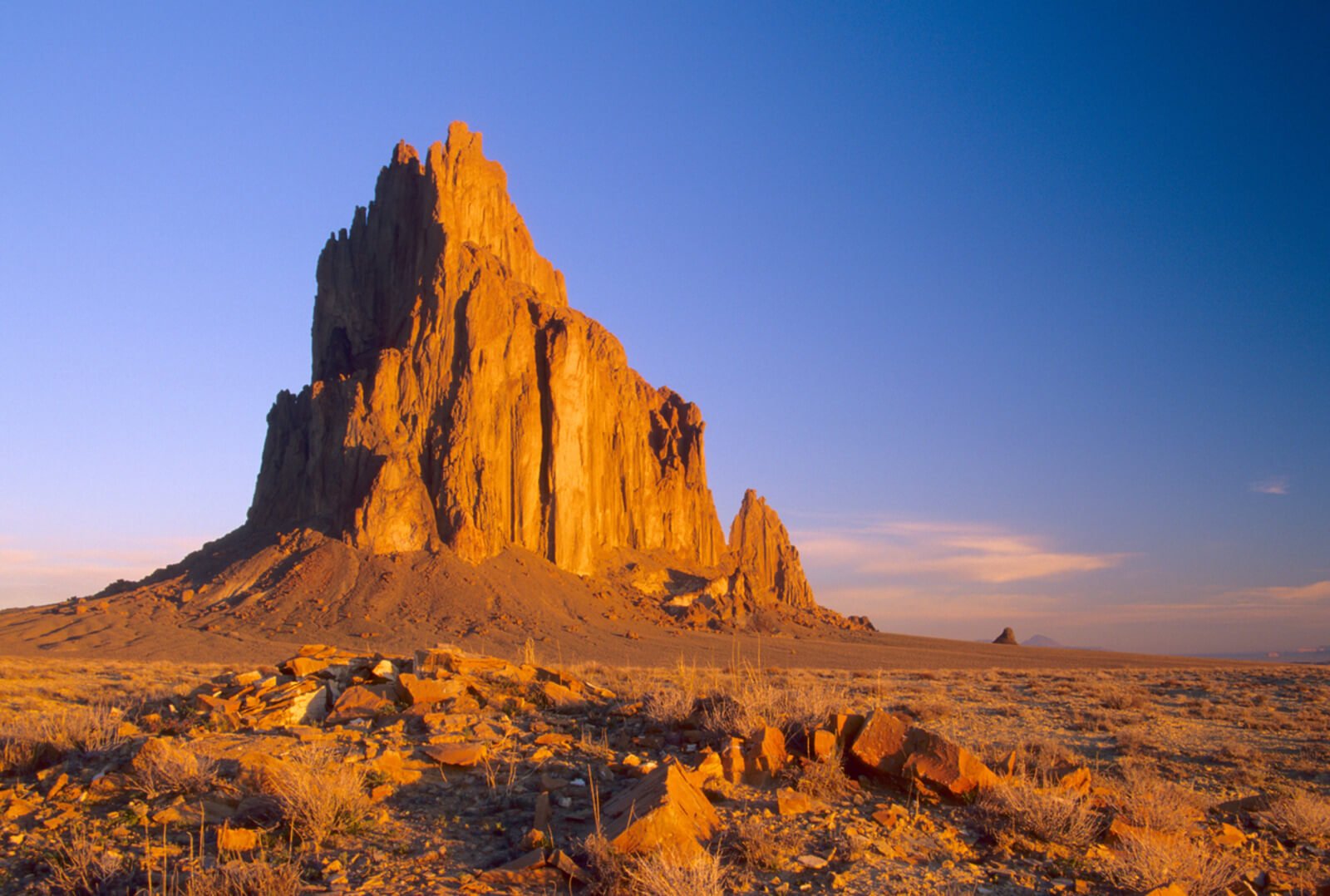
Iconic Destinations and Timeless Experiences
New Mexico is a tapestry of vivid landscapes and cultural heritage, offering something for every type of traveler.
- Santa Fe: The state capital, Santa Fe, is a historic gem, renowned for its Pueblo-style architecture, thriving art scene, and rich Spanish colonial history. Wander down Canyon Road, home to hundreds of art galleries, or visit the historic Palace of the Governors, the oldest continuously occupied public building in the United States. Don’t miss the Georgia O’Keeffe Museum and the immersive art experience of Meow Wolf Santa Fe for a truly unique cultural encounter.
- Albuquerque: As New Mexico’s largest city, Albuquerque blends modern urban life with deep historical roots. Explore Old Town Albuquerque, a charming district with adobe buildings, quaint shops, and authentic New Mexican cuisine. For breathtaking panoramic views, take the Sandia Peak Tramway, one of the longest aerial trams in the world. If your visit aligns with October, the Albuquerque International Balloon Fiesta is an absolute must-see, a spectacle of hundreds of hot air balloons filling the morning sky.
- Taos: Nestled in the Sangre de Cristo Mountains, Taos is another artistic and cultural hub. It’s home to Taos Pueblo, a UNESCO World Heritage Site and a living Native American community that has been continuously inhabited for over 1,000 years. Art galleries abound, reflecting the town’s long history as an artists’ colony. In winter, the Taos Ski Valley offers fantastic skiing and snowboarding opportunities.
- Natural Wonders: New Mexico’s natural landmarks are as diverse as they are stunning. Marvel at the otherworldly white dunes of White Sands National Park, explore the subterranean marvels of Carlsbad Caverns National Park, or hike among the ancient cliff dwellings at Bandelier National Monument. For a profound connection to ancient civilizations, visit Chaco Culture National Historical Park, a monumental center of Ancestral Puebloans that offers incredible stargazing due to its remote location. The vast, unspoiled Gila Wilderness provides rugged opportunities for hiking, fishing, and communing with nature.
Culinary Delights and Local Traditions
No trip to New Mexico is complete without indulging in its distinctive cuisine, heavily influenced by Native American and Spanish Colonial traditions. The undisputed star ingredient is the chile pepper, particularly the Hatch green chile. Whether you order your dish “Christmas” (with both red and green chile) or stick to your preference, the flavors are unforgettable. From hearty breakfast burritos smothered in green chile to savory posole and sopapillas with honey, dining here is an integral part of the experience.
Beyond food, New Mexico is rich in traditions and vibrant community events. Throughout the year, various festivals celebrate everything from Native American dances and Spanish market artistry to cowboy poetry and UFO sightings in Roswell. Artisan markets, especially around Santa Fe and Taos, offer handcrafted jewelry, pottery, and textiles, providing perfect souvenirs and a glimpse into local craftsmanship. Traveling along historic Route 66 through Albuquerque also offers a nostalgic journey through quintessential Americana.
Where to Stay: Accommodations for Every Traveler
Matching your accommodation to your travel style is crucial for a fulfilling New Mexico experience. The state offers a wide spectrum of lodging options, from historic hotels steeped in tradition to luxurious resorts and charming boutique inns.
From Historic Haciendas to Modern Resorts
New Mexico’s accommodations often reflect its unique cultural heritage, providing more than just a place to sleep.
- Historic Hotels and Haciendas: In cities like Santa Fe and Albuquerque, you’ll find beautifully preserved historic hotels that blend modern amenities with authentic New Mexico charm. Imagine staying in a centuries-old adobe hacienda, complete with kiva fireplaces and carved wooden beams. The Inn of the Five Graces in Santa Fe exemplifies luxury with an old-world feel, while Hotel Andaluz in Albuquerque offers a taste of Spanish elegance and history.
- Luxury Resorts and Spas: For those seeking indulgence, New Mexico boasts world-class resorts and spas, particularly around Santa Fe and Taos, offering amenities like gourmet dining, full-service spas, and stunning mountain views. El Monte Sagrado Living Resort & Spa in Taos is a prime example of a serene retreat focused on wellness and natural beauty. Many properties incorporate sustainable practices and celebrate the surrounding landscape.
- Boutique Hotels and Unique Stays: Beyond the larger establishments, numerous boutique hotels and charming bed and breakfasts offer personalized service and a more intimate connection to the local culture. You can find unique casitas (small houses) or guesthouses on working ranches, providing a truly immersive New Mexico experience.
- Vacation Rentals and Long-term Stays: For families, groups, or those planning an extended visit, vacation rentals, including apartments, villas, and cabins, are an excellent option. Platforms offer a wide range of choices, allowing you to experience life like a local, especially in popular destinations like Santa Fe or Taos, or near attractions like the Rio Grande.
Booking Tips and Lifestyle Choices
When planning your accommodations, consider the type of trip you envision and the time of year.
- Luxury Travel: If you’re seeking a luxurious escape, focus on resorts with comprehensive amenities, fine dining, and spa services. These often provide curated experiences and personalized excursions.
- Budget Travel: New Mexico can also be explored on a budget. Look for smaller motels, guesthouses, or consider camping in one of the state’s many beautiful national forests or state parks, especially during the shoulder seasons.
- Family Trips: For families, consider hotels with pools, kid-friendly activities, or vacation rentals with kitchens and multiple bedrooms for comfort and convenience. Proximity to parks and attractions is also a key factor.
- Business Stays: For business travelers, major cities like Albuquerque and Santa Fe offer hotels with business centers, meeting facilities, and reliable Wi-Fi, often close to convention centers and corporate offices.
It’s highly recommended to book your accommodations well in advance, especially if you’re traveling during peak seasons, major holidays, or popular events like the Albuquerque International Balloon Fiesta. Early booking often secures better rates and ensures availability, giving you peace of mind as you prepare for your adventure. Always check reviews and compare options to find the perfect fit for your needs and preferences, ensuring your stay complements your exploration of New Mexico’s diverse offerings.
In conclusion, while “What time is it in New Mexico now?” is a simple question, its answer is the starting point for an incredible journey. Understanding the Mountain Time Zone is fundamental to planning, but the true essence of New Mexico lies in its ability to transport you to a place where ancient traditions meet vibrant modern culture amidst some of the most stunning natural scenery in the United States. From exploring historical landmarks and indulging in unique culinary experiences to finding the perfect accommodation that speaks to your soul, every moment spent here promises enchantment. So, set your clock, embrace the rhythm of the Land of Enchantment, and prepare to make timeless memories.
LifeOutOfTheBox is a participant in the Amazon Services LLC Associates Program, an affiliate advertising program designed to provide a means for sites to earn advertising fees by advertising and linking to Amazon.com. Amazon, the Amazon logo, AmazonSupply, and the AmazonSupply logo are trademarks of Amazon.com, Inc. or its affiliates. As an Amazon Associate we earn affiliate commissions from qualifying purchases.