
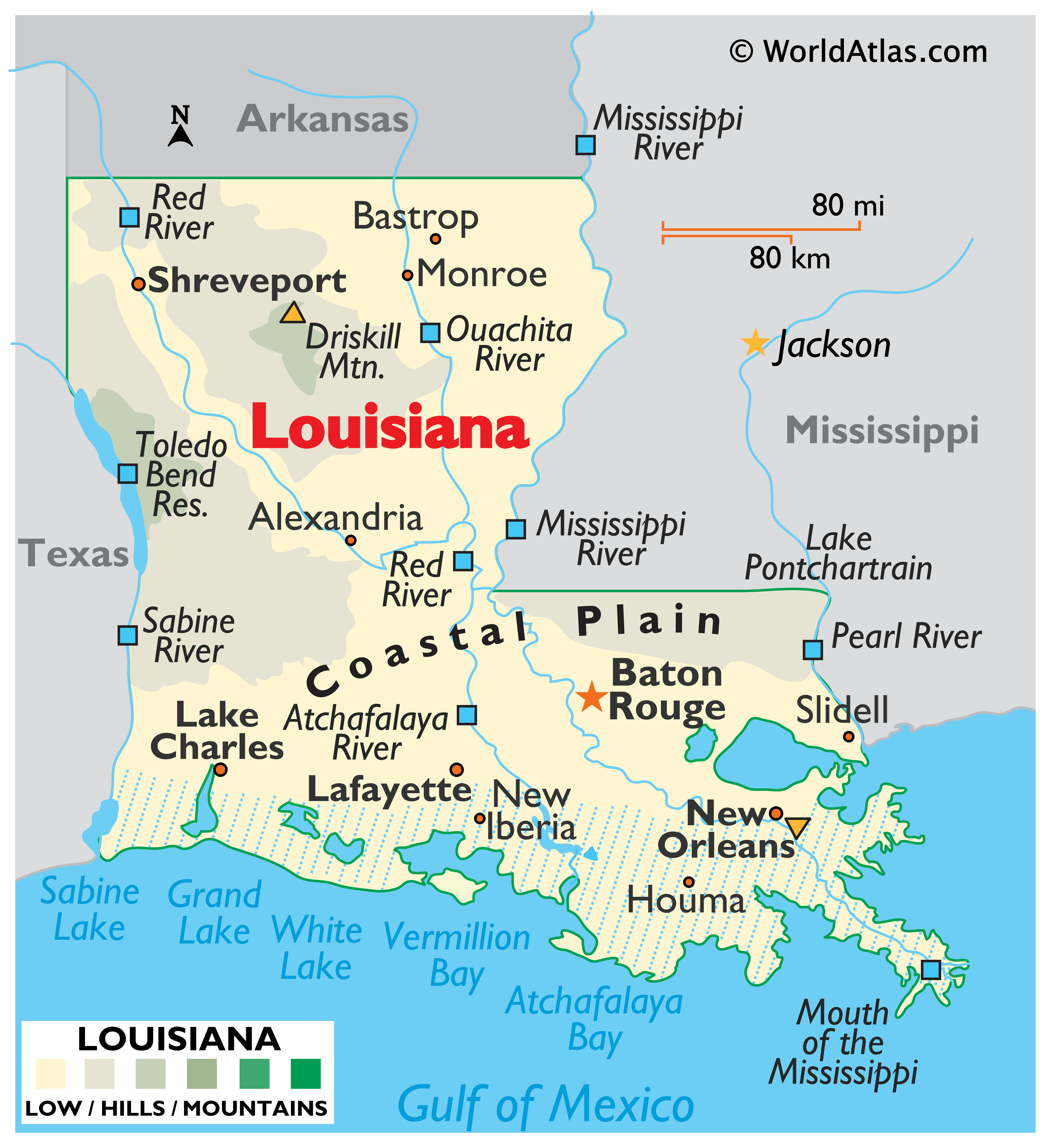
The quintessential Louisiana journey from the vibrant streets of New Orleans to the capital city of Baton Rouge is more than just a drive; it’s an immersive experience into the heart of the state’s culture, history, and breathtaking landscapes. For travelers planning a trip, understanding the distance and travel options is just the starting point. This route offers a fascinating blend of urban excitement, historical plantations, and scenic beauty, making it an ideal segment for a broader Louisiana adventure. Whether you’re seeking to explore renowned landmarks, indulge in local cuisine, or simply soak in the unique atmosphere, the journey between these two iconic cities provides a rich tapestry of experiences.

The Journey: Distance, Driving, and Delight
Embarking on a road trip from New Orleans to Baton Rouge is a relatively short and straightforward endeavor, yet it’s packed with opportunities for exploration. The primary route offers efficiency, while alternative paths promise historical insights and picturesque views, catering to different travel styles and preferences.
The Straight Shot: Distance and Driving Time
The most direct and commonly used route connecting New Orleans and Baton Rouge is via Interstate 10 West. This major highway ensures a smooth and largely uncongested drive, making it a popular choice for both tourists and locals.
- Distance: The approximate driving distance between New Orleans and Baton Rouge is around 80 to 85 miles (129 to 137 kilometers), depending on your exact starting and ending points within each city.
- Driving Time: Under normal traffic conditions, the journey typically takes 1 hour and 15 minutes to 1 hour and 45 minutes. However, it’s always wise to factor in potential delays, especially during peak travel times or around major holidays, particularly when crossing the Horace Wilkinson Bridge over the Mississippi River in Baton Rouge, which can experience congestion.
This direct route is ideal for those who prioritize efficiency, perhaps on a business trip or with limited time, allowing them to quickly transition between the distinct atmospheres of these two important Louisiana cities.
Beyond the Highway: Alternative Routes and Scenic Drives
For travelers who prefer to savor the journey rather than rush through it, alternative routes offer a more leisurely and scenic experience, delving deeper into the region’s rich heritage.
One of the most popular scenic alternatives is taking the historic River Road, which meanders along the banks of the Mississippi River. While this route adds significant time to the drive—potentially doubling it to 2.5 to 3 hours or more, depending on stops—it transforms the trip into an unforgettable journey through “Plantation Alley.” This path allows visitors to immerse themselves in the antebellum history of the region, passing by magnificent plantation homes, charming small towns, and picturesque rural landscapes. It’s a journey best undertaken with ample time set aside for exploration, photography, and perhaps even a guided tour of one or more of these historic estates.
Choosing between the speedy I-10 and the scenic River Road truly depends on your travel goals. For those seeking cultural immersion and historical exploration, the longer, more winding River Road is an absolute must, offering a profound glimpse into Louisiana’s past.
Unveiling the Charms: What to See Along the Way
The stretch between New Orleans and Baton Rouge is arguably one of the most culturally rich corridors in the United States. It’s an area where history comes alive, and the natural beauty of the Mississippi River delta is on full display.
Plantation Alley: A Glimpse into History
Driving along the River Road or even taking slight detours from I-10 offers access to the famed “Plantation Alley,” a collection of some of the South’s most impressive and historically significant plantation homes. These estates provide a poignant look into antebellum life, the complex history of slavery, and the architectural grandeur of a bygone era.
- Oak Alley Plantation: Famous for its stunning quarter-mile canopy of 300-year-old live oaks leading to the mansion, Oak Alley Plantation is an iconic photo opportunity and a deeply immersive historical experience. Tours explore the grand house, slave quarters, and grounds.
- Laura Plantation: Offering a contrasting but equally vital perspective, Laura Plantation is known for its focus on the lives of the Creoles who owned it and the enslaved people who worked there. Its acclaimed tour is based on detailed plantation journals, providing a vivid and often sobering narrative.
- Houmas House Plantation and Gardens: Once the largest sugar producer in the country, Houmas House Plantation and Gardens is surrounded by magnificent gardens and boasts an impressive collection of period furnishings. Visitors can enjoy a meal at one of its acclaimed restaurants, making it a perfect lunch stop.
- Whitney Plantation: Unique in its mission, Whitney Plantation is the only plantation museum in Louisiana dedicated solely to the history of slavery in the United States. Its powerful exhibits and memorials offer an indispensable, educational, and deeply moving experience.
Visiting these plantations provides not just architectural appreciation but also a crucial historical context, allowing travelers to connect with the past on a profound level. Each offers a different narrative, contributing to a holistic understanding of Louisiana’s multifaceted history.

Small Town Stops and Local Flavor
Beyond the grand plantations, the towns dotted along the Mississippi River offer their own unique charm. Places like Donaldsonville and Reserve provide glimpses into local Louisiana life, with quaint historical districts, local eateries serving authentic Cajun or Creole dishes, and opportunities to interact with friendly locals. These small stops can break up the drive pleasantly, offering a chance to stretch your legs, grab a snack, or simply observe the slower pace of life outside the major cities.
Destination Deep Dive: New Orleans and Baton Rouge
While the journey between them is captivating, the destinations themselves are the stars of any Louisiana itinerary. Both New Orleans and Baton Rouge offer distinct personalities, rich histories, and a plethora of attractions, catering to diverse interests from nightlife to historical exploration.
New Orleans: The Crescent City’s Allure
New Orleans is a city unlike any other, a captivating blend of cultures, music, food, and history. Known as the Crescent City, it draws millions of visitors each year with its infectious energy and unique charm.
- Landmarks and Attractions: The iconic French Quarter is the heart of New Orleans, with its distinctive ironwork balconies, historic buildings, and vibrant street life. Here, you’ll find Jackson Square, a historic landmark overlooked by St. Louis Cathedral. A short stroll leads to the infamous Bourbon Street, known for its lively bars and jazz clubs. Beyond the French Quarter, the elegant Garden District showcases stunning antebellum mansions and lush gardens. Other must-see attractions include the National WWII Museum, the Audubon Zoo, and a scenic ride on a streetcar.
- Local Culture and Food: New Orleans is a culinary paradise, famous for its Creole and Cajun cuisine. Indulge in beignets at Café Du Monde, savor a bowl of gumbo or jambalaya, and explore the vibrant food scene from casual eateries to fine dining establishments. The city’s music scene, particularly jazz, is legendary, with live performances radiating from clubs on Frenchmen Street and beyond.
- Accommodation: New Orleans offers a diverse range of accommodation options. For luxury, consider the historic grandeur of The Roosevelt New Orleans, A Fairmont Hotel or the elegant charm of Hotel Monteleone in the French Quarter. Boutique hotels abound, offering unique stays with local character. Budget-friendly hotels and guesthouses are also available, ensuring options for every traveler.
Baton Rouge: Louisiana’s Capital Charm
Often overshadowed by its flamboyant neighbor, Baton Rouge holds its own as a significant cultural and political hub. As the state capital, it offers a distinct blend of history, education, and modern amenities.
- Landmarks and Attractions: The most prominent landmark is the towering Louisiana State Capitol, the tallest capitol building in the United States, offering panoramic views from its observation deck. History buffs will appreciate the Old State Capitol, a stunning Gothic Revival fortress often called the “Castle on the Mississippi“. The LSU Rural Life Museum provides insight into 19th-century Louisiana life, while the USS KIDD Veterans Museum offers a fascinating look at naval history. Nature lovers can explore the Bluebonnet Swamp Nature Center for hiking and wildlife viewing.
- Local Culture and Food: Baton Rouge’s culinary scene features excellent local restaurants offering Cajun and Creole fare, alongside diverse contemporary dining options. Being a college town, home to Louisiana State University (LSU), it has a youthful energy and a vibrant sports culture, especially around football season.
- Accommodation: Baton Rouge provides a range of hotels suitable for both business and leisure travelers. The Hilton Baton Rouge Capitol Center, situated downtown, offers convenient access to government buildings and attractions. There are also numerous chain hotels, boutique inns, and comfortable suites available throughout the city, catering to various budgets and preferences.
Planning Your Louisiana Adventure: Tips and Considerations
Making the most of your trip from New Orleans to Baton Rouge involves a bit of planning to align with your travel style and interests.
Choosing Your Travel Style: Luxury, Budget, or Family Fun
- Luxury Travel: If indulgence is your priority, both cities offer upscale hotels with premium amenities, fine dining experiences, and personalized tours. Consider private plantation tours or booking a suite with a view in a historic hotel. New Orleans especially shines in this category, with many resorts and high-end hotels offering opulent experiences.
- Budget Travel: For those mindful of costs, there are plenty of affordable options. Look for budget-friendly hotels or guesthouses, utilize public transportation where available (like the New Orleans streetcars), and explore free attractions such as wandering the French Quarter or visiting public parks. Many local eateries offer delicious and inexpensive meals.
- Family Trips: The route and destinations are fantastic for families. Many plantations offer kid-friendly tours and activities. In New Orleans, the Audubon Zoo and Aquarium of the Americas are big hits. Baton Rouge has the Bluebonnet Swamp Nature Center and the LSU Rural Life Museum, providing educational and engaging experiences for all ages. Look for accommodations with suites or apartments to better suit family needs.
Best Time to Visit and Local Events
The ideal time to visit Louisiana typically falls during the cooler, drier months of fall (October-November) and spring (March-May). During these seasons, the weather is pleasant, perfect for exploring outdoor attractions and enjoying festivals.
- Spring: March through May sees comfortable temperatures and is a prime time for festivals, including the world-famous New Orleans Jazz & Heritage Festival (or Jazz Fest) and various food festivals.
- Fall: October and November offer crisp, clear weather, ideal for touring plantations and enjoying outdoor activities.
- Winter: December through February brings cooler temperatures, making it a good time for those who prefer to avoid the heat. Of course, the pinnacle of winter celebration is Mardi Gras in New Orleans (late February or early March), an unforgettable experience but one that requires booking accommodation far in advance and expecting higher prices.
- Summer: June through September can be very hot and humid, with a higher chance of afternoon thunderstorms. While still viable for travel, it’s best to plan indoor activities or enjoy water-based excursions during this period.
Check local tourism calendars for events in both New Orleans and Baton Rouge. Baton Rouge hosts events like the Red Stick Farmers Market and various festivals, providing insights into local culture and community life.
In conclusion, the distance from New Orleans to Baton Rouge is easily conquerable, but the true measure of this journey lies not in miles, but in the wealth of experiences it offers. From the historical depths of Plantation Alley to the unique cultural tapestries of two of Louisiana’s most important cities, this route promises an unforgettable adventure for every traveler. Plan your stops, embrace the local flavors, and let the spirit of Louisiana enchant you.
LifeOutOfTheBox is a participant in the Amazon Services LLC Associates Program, an affiliate advertising program designed to provide a means for sites to earn advertising fees by advertising and linking to Amazon.com. Amazon, the Amazon logo, AmazonSupply, and the AmazonSupply logo are trademarks of Amazon.com, Inc. or its affiliates. As an Amazon Associate we earn affiliate commissions from qualifying purchases.