
To dream of a white Christmas in New Orleans is to dream a truly extraordinary dream. This vibrant, historic city, nestled comfortably along the Mississippi River in Louisiana, is famed for its sweltering summers, humid springs, and famously mild winters. When visitors plan their trips to the Crescent City, they typically envision lively jazz clubs, delectable Creole cuisine, and the colorful chaos of Mardi Gras – not snowflakes drifting gently over the French Quarter. The reality is that snow in New Orleans is an exceptionally rare phenomenon, an event so infrequent it becomes a magical, once-in-a-lifetime spectacle for those lucky enough to witness it. This article delves into the fascinating climate of this unique destination, explores its fleeting snowy past, and guides prospective travelers on what to truly expect from a New Orleans getaway, far beyond the fanciful notion of a winter wonderland.

Travelers considering New Orleans for their next adventure, whether seeking a romantic escape, a family vacation, or a solo exploration of rich culture, often inquire about its weather patterns. While the city’s tourism appeal spans year-round, its distinctive climate heavily influences the best times to visit and what experiences to anticipate. From luxurious suites in boutique hotels nestled in historic districts to cozy apartments offering a glimpse into local life, accommodation choices are abundant, each promising a gateway to the city’s heart. However, one consistent factor in planning any trip here is the near certainty of escaping truly cold, snowy weather. The charm of New Orleans lies in its perpetual warmth, both in temperature and spirit, making any hint of snow a captivating anomaly rather than a seasonal expectation.
The Subtropical Climate of the Crescent City
New Orleans boasts a humid subtropical climate, a classification that immediately sets it apart from many other major United States cities. This climate is characterized by hot, humid summers and mild winters, with precipitation distributed fairly evenly throughout the year. The pervasive humidity is a hallmark of the city’s weather, influenced heavily by its proximity to the Gulf of Mexico. This immense body of warm water acts as a natural heater, moderating temperatures and preventing the deep freezes that plague more northern regions. Understanding these fundamental climatic factors is crucial for appreciating just how extraordinary any snowfall event truly is in this vibrant southern metropolis.
Understanding New Orleans’ Unique Weather Patterns
Throughout the year, New Orleans experiences distinct, though not always dramatic, seasonal shifts. Summers are long and intense, with daily highs frequently soaring into the 90s Fahrenheit (32-35 Celsius) and oppressive humidity making the “feels like” temperature even higher. Thunderstorms are common during this season, providing brief, often heavy, downpours that clear the air momentarily. Fall brings a welcome reprieve, with cooler temperatures, lower humidity, and abundant sunshine, making it one of the most popular times for tourism. Winters are generally mild, with average daytime temperatures ranging from the low to mid-60s Fahrenheit (15-18 Celsius) and nighttime lows rarely dipping below freezing. Spring, much like fall, is characterized by pleasant temperatures and a profusion of blooming flora, though it also marks the beginning of the higher humidity and occasional heavy rain showers. These typical patterns highlight a climate that strongly favors warmth and moisture, conditions generally antithetical to significant snowfall.
The influence of the Gulf of Mexico cannot be overstated when discussing New Orleans’ climate. The warm waters of the Gulf release heat into the atmosphere, particularly during the cooler months, acting as a thermal blanket that keeps temperatures elevated. This maritime influence also contributes significantly to the city’s high humidity levels, as moisture from the Gulf is constantly evaporating into the air. This combination of warm air and high moisture is excellent for lush vegetation and comfortable winter days, but it presents a considerable barrier to snowfall. For snow to occur, temperatures at all atmospheric levels, from the cloud to the ground, must be at or below freezing, a condition that is exceptionally difficult to achieve in such a Gulf-moderated environment.
Why Snow Is a Rarity: Geographical Influences
The geographical coordinates of New Orleans play a fundamental role in its lack of snow. Situated at approximately 30 degrees north latitude, the city is firmly within the subtropical zone, far south of the typical tracks for major winter storm systems that bring snow to the northern United States. These northern storms often tap into cold Arctic air masses, but by the time they push south enough to reach New Orleans, the cold air has typically warmed considerably, or the storm has lost its moisture.
For snow to fall in New Orleans, a very specific and rare set of atmospheric conditions must align perfectly. First, an exceptionally cold air mass must penetrate deep into the Deep South, pushing far past its usual boundaries. Second, this cold air must coincide precisely with a moisture-laden weather system, often originating from the Gulf of Mexico. The challenge lies in the simultaneous occurrence: typically, when cold air arrives, it’s dry; and when moisture is present, the air is too warm. Furthermore, even if the surface temperature is freezing, the air temperature several thousand feet up might be above freezing, causing any falling snow to melt into rain before it reaches the ground. This meteorological tightrope walk is why snow in New Orleans remains a headline-grabbing rarity rather than a seasonal expectation, making any such event a truly memorable experience for locals and visitors alike.
A Glimpse into New Orleans’ Snowy Past
Given the city’s climate, a significant snowfall in New Orleans is not just rare; it’s practically legendary. Each instance becomes a treasured memory, etched into the collective consciousness of residents who rarely get to experience such a dramatic change to their familiar, mild winters. These fleeting moments of winter wonderland are often celebrated with an almost childlike wonder, transforming iconic landmarks into scenes from a different world, even if only for a few hours. For travelers, understanding this history underscores the unique character of New Orleans and sets realistic expectations for their visit.
Notable Snowfall Events Through History
While snow is scarce, New Orleans has indeed witnessed a handful of memorable snowfalls throughout its recorded history. Perhaps the most fabled event occurred on February 14th and 15th, 1895, during what became known as the “Great Arctic Outbreak” or the “Great Blizzard of 1895.” This historic storm dumped an estimated 8.2 inches of snow on the city, the largest accumulation ever recorded. The city was paralyzed, but the event created unforgettable images, with palm trees dusted in white and the usually bustling streets hushed under a blanket of snow. It remains the benchmark for all subsequent snow events.
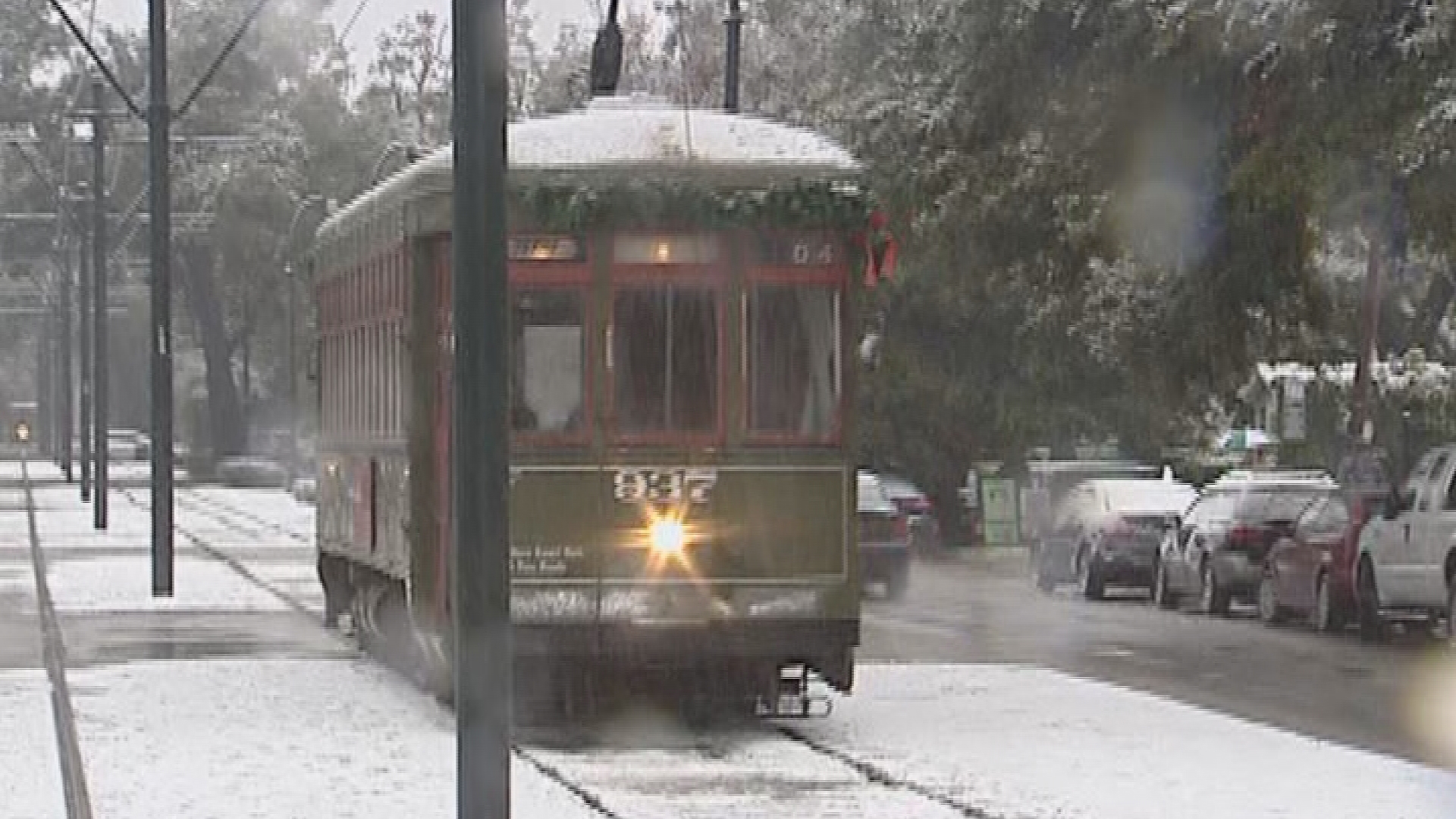
More recent generations fondly recall other instances. On New Year’s Eve, 1963, a memorable snow blanketed the city, surprising revelers and turning the holiday festivities into an even more magical affair. January 11, 1973, also saw a light snowfall, as did February 13, 1958. However, for many contemporary residents and frequent visitors, the most vivid memory of snow belongs to Christmas Eve of 2004. A truly special holiday surprise, a light dusting of snow began to fall, accumulating to about an inch in some areas. It was enough to cover rooftops, cars, and the ancient oaks of Audubon Park, creating a picturesque, if temporary, holiday postcard scene. Children, many seeing snow for the very first time, rushed outside to play, and adults reveled in the rare spectacle. The city’s vibrant life paused for a moment of collective awe. More recently, on December 8, 2017, a very light dusting was observed, again prompting excitement, though it melted quickly. These events, though few and far between, highlight the sheer unlikelihood and corresponding wonder of snow gracing the streets of New Orleans.
The Magic and Mayhem of a Rare Winter Wonderland
When snow does fall in New Orleans, it’s more than just a weather event; it’s a cultural happening. The city, unaccustomed to such conditions, often experiences a delightful mix of magic and minor mayhem. Schools might close, and traffic can become a comical crawl as residents, lacking experience with icy roads, navigate cautiously. Yet, this temporary disruption is almost always met with widespread joy and enthusiasm. Locals emerge from their homes, cameras in hand, eager to document the rare sight of snow-capped wrought-iron balconies and the pristine white covering of Jackson Square or the Garden District’s historic mansions.
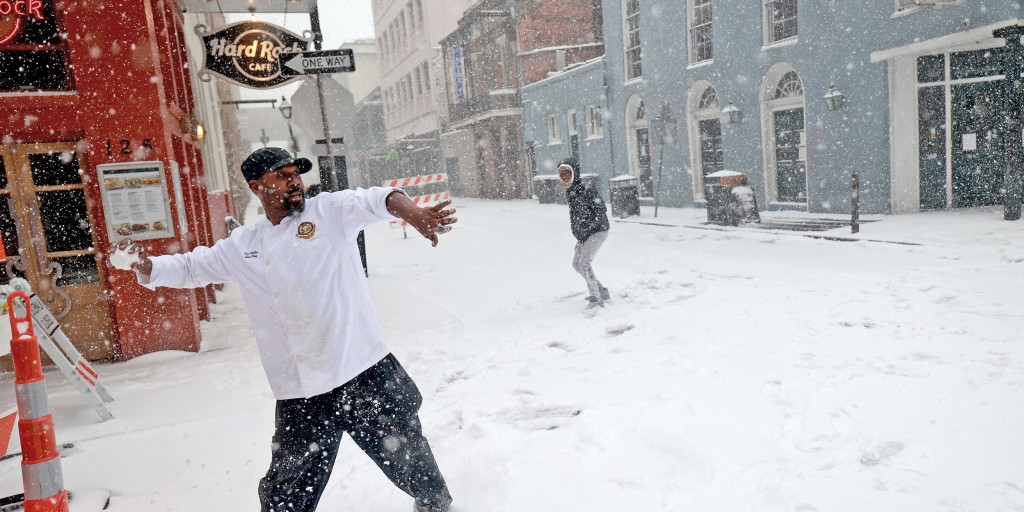
Children, often seeing snow for the first time, build tiny, quickly melting snowmen or attempt to catch flakes on their tongues. Adults gather for impromptu snowball fights, their laughter echoing through the usually temperate air. The typically bustling streets of the French Quarter might fall silent under the snow, creating a serene, almost ethereal atmosphere that starkly contrasts with the city’s usual boisterous energy. This transformation offers a unique perspective on New Orleans – a moment when its familiar tropical charm is briefly overlaid with an unexpected winter beauty. Such an event, while rare, offers a powerful reminder of the simple joys and universal wonder that a shared, unique experience can bring, making it a truly unforgettable aspect of the city’s story.
Planning Your Visit: What to Expect from New Orleans Weather
For travelers considering a trip to New Orleans, the expectation should almost always be for mild, pleasant weather, regardless of the season, with the notable exception of intense summer heat. Dispelling any notions of a snowy escape is crucial for practical planning, from booking the right accommodation to packing appropriate attire. Instead of bracing for blizzards, visitors should prepare for an immersive cultural experience that thrives under the warmth of the Southern sun and the city’s enduring festive spirit.
Best Seasons for Experiencing the Big Easy
While New Orleans is a year-round destination, certain seasons are decidedly more comfortable and popular for visitors. The absolute best times to visit are typically from February to May and from October to December.
- Spring (February – May): This period offers some of the most delightful weather, with comfortable temperatures, less humidity, and generally clear skies. It’s also the season for many of the city’s iconic festivals, including Mardi Gras, the French Quarter Festival, and the New Orleans Jazz & Heritage Festival. While hotel prices and crowds can be higher due to these events, the vibrant atmosphere and ideal weather make it incredibly appealing for those seeking an authentic New Orleans experience.
- Fall (October – December): Similar to spring, fall brings fantastic weather with comfortable temperatures and lower humidity after the summer heat subsides. This is an excellent time for exploring the city’s outdoor attractions, enjoying al fresco dining, and participating in other cultural events like Voodoo Fest or various food and wine festivals. The mild climate makes it perfect for leisurely strolls through historic neighborhoods or enjoying a riverboat cruise on the Mississippi.
- Winter (January – February): Even in the heart of winter, New Orleans is notably mild compared to much of the United States. Average daytime temperatures are pleasant, making it conducive for sightseeing without the summer’s oppressive heat. This season is also home to the final preparations and grand celebrations of Mardi Gras, which typically culminates in late February or early March. While a cold front might bring temperatures down to the 40s or 50s Fahrenheit (4-10 Celsius) for a few days, it’s very rare for sustained freezing weather, let alone snow.
- Summer (June – September): While hot and humid, summer in New Orleans can still be a rewarding experience for budget-conscious travelers or those who enjoy the heat. Indoor attractions like museums and air-conditioned restaurants provide refuge, and the city maintains its lively spirit. However, visitors should be prepared for intense heat and frequent afternoon thunderstorms, and it’s also the peak of hurricane season, though direct hits are infrequent.
Packing Essentials for a New Orleans Getaway
Given the prevailing climate, packing smart for New Orleans is key to a comfortable and enjoyable trip. Forget the heavy winter coats, snow boots, and thermal wear; instead, focus on layers and lightweight, breathable fabrics.
- Clothing: Even in winter, layers are your best friend. Days can be surprisingly warm, but evenings can bring a chill, especially near the Mississippi River. Pack light jackets, sweaters, and long-sleeved shirts alongside short-sleeved tops. For spring and fall, light dresses, shorts, and comfortable pants are ideal. Summer demands the lightest, most breathable fabrics – think linen, cotton, and moisture-wicking materials. A light rain jacket or a compact umbrella is a must-have year-round, as unexpected showers can occur.
- Footwear: Comfortable walking shoes are absolutely essential. New Orleans is best explored on foot, from the cobblestone streets of the French Quarter to the tree-lined avenues of the Garden District. Heels or uncomfortable shoes will quickly detract from your enjoyment.
- Accessories: Sunscreen, a hat, and sunglasses are recommended in all seasons due to the strong Southern sun. Insect repellent can be useful, especially during warmer months or if you plan to explore swamp tours or outdoor areas like City Park.
- Essentials for the Unexpected: While snow gear is unnecessary, having a small travel medical kit, reusable water bottle, and portable charger for your devices will always enhance your travel experience.
By aligning your packing with the city’s actual climate, you’ll be well-prepared to fully immerse yourself in all the wonders New Orleans has to offer, without worrying about the mythical snow.
Beyond the Flakes: The Enduring Allure of New Orleans
While the thought of snow in New Orleans captures the imagination due to its rarity, the city’s true magnetic pull lies in its unparalleled cultural richness, vibrant history, and unique lifestyle. Visitors don’t flock here for winter sports or snow-capped landscapes; they come for an experience unlike any other in the United States, a tapestry woven with music, food, architecture, and an indomitable spirit. This enduring allure is what places New Orleans at the top of many travel itineraries, offering an unforgettable journey through a destination steeped in tradition and brimming with contemporary life.
Iconic Landmarks and Cultural Delights
New Orleans is a city of distinct neighborhoods, each with its own story and charm. The French Quarter, with its wrought-iron balconies, historic buildings, and constant buzz, is arguably the most famous. Here, you can explore Jackson Square, dominated by the majestic St. Louis Cathedral, listen to street performers, and visit legendary music venues like Preservation Hall. A short streetcar ride away, the elegant Garden District showcases stunning antebellum mansions and lush gardens, offering a glimpse into the city’s more affluent past.
Beyond the aesthetics, New Orleans is a sensory feast. Its culinary scene is world-renowned, blending Creole, Cajun, and Southern influences into dishes like gumbo, jambalaya, beignets, and po’boys. Food tours and cooking classes are popular activities, allowing visitors to delve deeper into the flavors of the city. The city is also the birthplace of jazz, and live music is everywhere, from bustling Bourbon Street to more intimate venues on Frenchmen Street. Museums such as The National WWII Museum offer profound historical insights, while swamp tours provide thrilling encounters with Louisiana’s unique ecosystem. The sheer variety of attractions ensures that every traveler finds something to captivate their interest, making for a truly memorable tourism experience.
Accommodation and Lifestyle in the Heart of Louisiana
When it comes to accommodation, New Orleans offers a diverse array of options to suit every taste and budget. From luxurious resorts with rooftop pools to charming boutique hotels tucked away in renovated historic buildings, visitors can choose an experience that complements their travel style. The French Quarter and Central Business District offer proximity to major attractions and lively nightlife, while areas like the Garden District or Faubourg Marigny provide a more serene, local atmosphere with easy access to the city’s heart. Many hotels embrace the local aesthetic, featuring courtyards, period furniture, and balconies that immerse guests in the city’s architectural heritage.
The lifestyle in New Orleans is characterized by a unique blend of joyous celebration, deep tradition, and a resilient, artistic spirit. It’s a city that savors life, encourages spontaneity, and cherishes its rich cultural identity. Whether you’re indulging in a luxurious long-term stay in a well-appointed apartment, exploring the city on a budget, or bringing the whole family for an unforgettable trip, New Orleans accommodates every type of traveler. Its festivals, parades, and daily rhythms are a testament to a community that knows how to live fully, irrespective of the weather. So, while snow remains an enchanting dream, the vibrant reality of New Orleans offers an abundance of unforgettable experiences that truly define this extraordinary Louisiana gem. Come for the culture, the food, the music, and the history – but don’t hold your breath for snow!
LifeOutOfTheBox is a participant in the Amazon Services LLC Associates Program, an affiliate advertising program designed to provide a means for sites to earn advertising fees by advertising and linking to Amazon.com. Amazon, the Amazon logo, AmazonSupply, and the AmazonSupply logo are trademarks of Amazon.com, Inc. or its affiliates. As an Amazon Associate we earn affiliate commissions from qualifying purchases.