
New Orleans, Louisiana, is a city that dances to its own rhythm, a vibrant tapestry of history, culture, and unparalleled charm. Often called the “Big Easy,” it’s a destination that beckons travelers from around the globe, promising unforgettable experiences wrapped in Southern Hospitality. From the cobblestone streets of the French Quarter to the majestic oaks of the Garden District, every corner of this city tells a story. However, to truly unlock the magic of New Orleans and plan the perfect trip, understanding its unique climate is paramount. The weather here isn’t just a backdrop; it often dictates the pace of life, the types of activities you can enjoy, and even the flavor of your visit.

As a premier resource for travel, hotels, and tourism, we understand that an informed traveler is a happy traveler. This comprehensive guide delves into the intricate dance of temperatures and seasons in New Orleans, offering insights into what to expect and how to prepare. Whether you’re dreaming of a vibrant spring celebration, a sultry summer adventure, a festive fall getaway, or a cozy winter escape, knowing the local climate is your first step towards an extraordinary journey. We’ll explore everything from average temperatures and humidity levels to packing tips and recommendations for the best seasonal attractions and accommodation options.
Navigating New Orleans’ Distinct Seasons: A Climate Overview
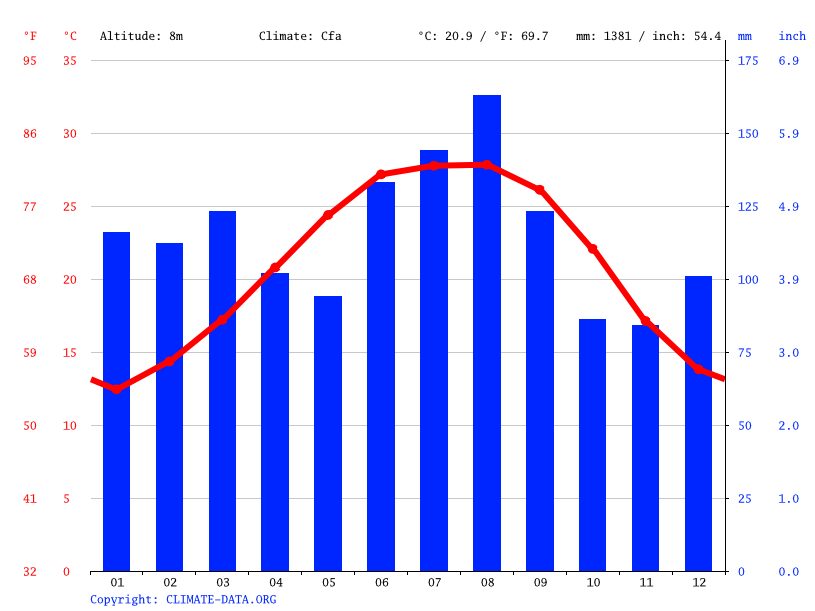
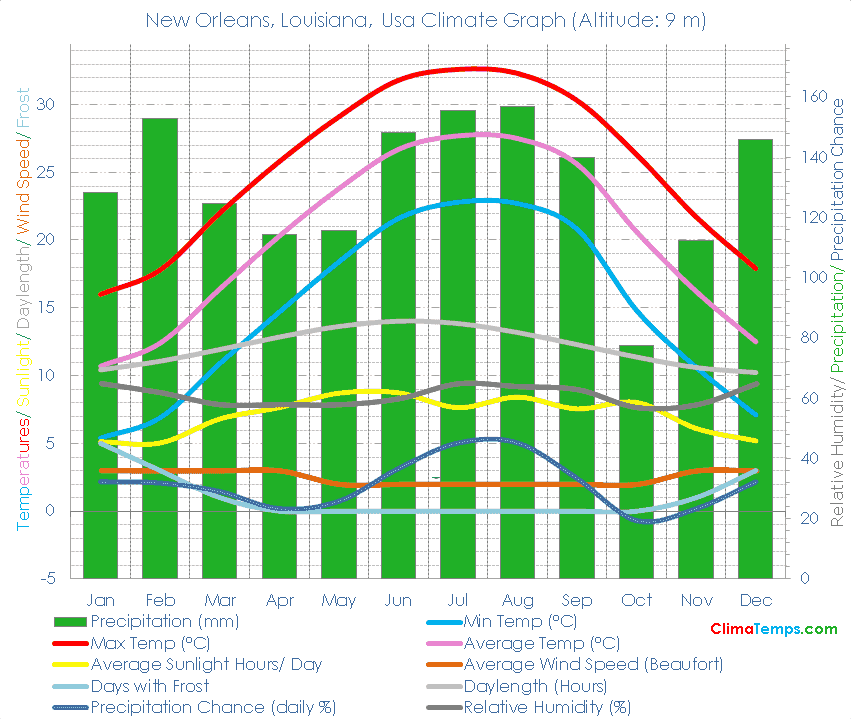
New Orleans’ climate is largely influenced by its proximity to the Gulf of Mexico, resulting in long, hot, and humid summers, mild winters, and pleasant, albeit brief, spring and autumn seasons. Unlike many other parts of the United States, the concept of four distinct seasons can feel a bit blurred here, with summer often extending its embrace well into fall, and winter making only a fleeting appearance.
Spring (March – May): The Sweet Spot for Exploration
Spring is arguably the most coveted time to visit New Orleans, and for good reason. The temperatures are generally mild and comfortable, making it ideal for strolling through historic neighborhoods and enjoying outdoor festivals.
- Average Temperatures: Daytime highs typically range from the low 70s°F (21-23°C) in March to the low 80s°F (27-29°C) by May. Nights remain pleasantly cool, usually in the 50s°F (10-15°C) to 60s°F (16-20°C).
- Humidity: While humidity starts to climb, it’s generally manageable compared to the summer months.
- Rainfall: Spring sees a moderate amount of rain, often in the form of brief afternoon showers that quickly pass, leaving fresh air in their wake.
- Why Visit: This season is synonymous with Mardi Gras (though it often falls in late winter), the New Orleans Jazz & Heritage Festival (or Jazz Fest), and a plethora of other outdoor activities. The weather is perfect for swamp tours, walking tours of the Garden District, or simply lingering in Jackson Square. Due to its popularity, expect higher prices for accommodation and flights, especially during major events. Early booking is highly recommended.
Summer (June – August): Embrace the Heat and Humidity
Summers in New Orleans are undeniably hot and humid, a true taste of the Caribbean climate without leaving the United States. While challenging for some, it offers a different kind of charm and experience.
- Average Temperatures: Daily highs consistently hover in the high 80s°F (31-32°C) to low 90s°F (33-34°C), often feeling even hotter due to the oppressive humidity. Nighttime lows rarely drop below the mid-70s°F (24-25°C).
- Humidity: Expect high humidity levels, often exceeding 70-80%. This is when the air feels thick and heavy.
- Rainfall: Summer is the wettest season, characterized by frequent afternoon thunderstorms that can be intense but usually short-lived. This period also marks the beginning of hurricane season (June 1 – November 30), so it’s wise to stay informed about weather forecasts.
- Why Visit: Despite the heat, summer offers advantages like fewer crowds (outside of specific events), lower hotel rates, and unique indoor attractions or early morning/late evening outdoor explorations. Many local festivals focus on indoor venues or nighttime festivities. It’s a great time to explore air-conditioned museums like the National WWII Museum or enjoy the city’s renowned food scene in comfortable indoor settings.
Fall (September – November): A Gradual Transition to Comfort
Autumn in New Orleans is a beautiful, slow transition from summer’s intensity to cooler, more pleasant weather. While September can still feel very much like summer, by October and November, the city breathes a sigh of relief.
- Average Temperatures: September sees highs in the mid-80s°F (29-30°C), cooling to the mid-70s°F (24-25°C) by November. Nights become increasingly comfortable, dropping into the 50s°F (10-15°C) to 60s°F (16-20°C).
- Humidity: Humidity levels gradually decrease, making the air feel much more pleasant by late fall.
- Rainfall: Rainfall decreases from summer highs, though occasional showers and the tail end of hurricane season can still occur in early fall.
- Why Visit: Fall offers a wonderful blend of good weather and a bustling festival calendar, including Voodoo Music + Arts Experience and various food and cultural events. The cooler temperatures are perfect for swamp tours, cemetery tours, and leisurely walks along Royal Street. It’s another popular time to visit, so securing your accommodation early is advisable.
Winter (December – February): Mild and Festive
Winter in New Orleans is a stark contrast to the frigid temperatures found in much of the northern United States. It’s generally mild, sunny, and delightful, making it a popular choice for those seeking a warmer escape.
- Average Temperatures: Daytime highs typically range from the low 60s°F (16-18°C) to the low 70s°F (21-23°C). Nights can get cool, sometimes dipping into the 40s°F (4-9°C), especially in January, but rarely below freezing.
- Humidity: Humidity is at its lowest during winter, making for crisp, enjoyable air.
- Rainfall: Winter is one of the drier seasons, though occasional cold fronts can bring rain.
- Why Visit: With pleasant temperatures and a festive atmosphere leading up to Mardi Gras (which can fall in late winter), this season is fantastic for exploring the city’s outdoor landmarks and enjoying cozy indoor venues. It’s an excellent time for riverboat cruises on the Mississippi River, visiting Oak Alley Plantation, or enjoying live jazz at Preservation Hall without the sweltering heat. Crowds swell around holidays and Mardi Gras, impacting accommodation availability and pricing.
Planning Your New Orleans Adventure: Practical Tips for Every Climate
Understanding the weather is just the first step. To ensure a seamless travel experience, consider these practical aspects of tourism and lifestyle planning.
Packing Smart for New Orleans Weather
No matter the season, layering is key. Even in summer, you’ll appreciate a light cardigan or scarf when stepping into air-conditioned restaurants or hotels.
- Spring & Fall: Pack light to medium layers. Comfortable walking shoes are a must for exploring. A light rain jacket or umbrella is advisable.
- Summer: Think light, breathable fabrics like cotton and linen. Sunscreen, a wide-brimmed hat, and sunglasses are essential. Hydration is critical, so always carry water. Embrace loose-fitting clothing.
- Winter: While mild, bring a medium-weight jacket, sweaters, and possibly a scarf for cooler evenings. You might not need heavy winter gear, but don’t underestimate the cool air after sunset.
Accommodation Strategies for Seasonal Comfort
Your choice of accommodation can significantly impact your comfort, especially during extreme temperatures.
- Air Conditioning: Absolutely non-negotiable for summer visits. Ensure your chosen hotel, resort, or apartment boasts robust AC.
- Pool Access: A pool can be a lifesaver during summer, offering a refreshing escape from the heat. Look for hotels with enticing pool amenities.
- Location: Staying in the French Quarter offers convenience for walking, but the Garden District might offer quieter suites and a more residential feel.
- Booking & Reviews: Always check recent reviews for feedback on hotel comfort and amenities. Peak seasons (spring, major festivals, holidays) demand early booking and a readiness for higher prices. Conversely, summer can offer excellent deals, making it ideal for budget travel or those seeking luxury travel at a slightly reduced cost. Consider a comparison of options if staying for a long-term stay.
Culinary and Cultural Experiences Aligned with the Climate
New Orleans’ food and local culture are year-round delights, but some experiences truly shine in specific temperatures.
- Summer: Embrace refreshing food like sno-balls, iced coffee, and lighter seafood dishes. Focus on indoor dining at acclaimed restaurants. Late evenings are perfect for experiencing the vibrant nightlife on Bourbon Street or enjoying a hurricane cocktail at Pat O’Brien’s.
- Spring & Fall: Enjoy outdoor patio dining, explore food festivals, and linger over beignets and café au lait at Cafe Du Monde in Jackson Square. These seasons are ideal for street food vendors and open-air markets.
- Winter: Indulge in hearty Creole and Cajun dishes like gumbo, jambalaya, and étouffée. Warm up with a potent cocktail in a cozy jazz club. It’s a great time to explore the city’s numerous indoor music venues.
Iconic Landmarks and Attractions for Every Climate
New Orleans is rich with famous places and architecture that can be enjoyed regardless of the season, but planning around the temperature will enhance your visit.
Outdoor Wonders: Best Explored in Mild Weather
- French Quarter: The historic heart of New Orleans, perfect for walking tours during spring, fall, and winter. Explore Jackson Square, marvel at St. Louis Cathedral, and browse shops on Royal Street. In summer, plan early morning or late evening strolls.
- Garden District: Known for its stunning mansions and lush greenery, best appreciated on foot when temperatures are comfortable. Consider a guided walking tour to learn about the intricate history and architecture.
- City Park & Audubon Park: These expansive parks offer serene escapes and outdoor activities. From renting paddle boats to enjoying nature trails, they are ideal for pleasant days. Even in summer, early mornings can be magical.
- Streetcar Rides: A quintessential New Orleans experience. The iconic streetcar is a great way to see the city’s different neighborhoods, and the open windows can offer a welcome breeze.
Indoor Sanctuaries: A Refuge from the Elements
- National WWII Museum: A world-class museum offering an immersive and educational experience. It’s a fantastic option for hot summer days or rainy afternoons. Allow several hours to fully explore its extensive exhibits.
- Preservation Hall: An intimate venue for authentic traditional [New Orleans](https://lifeoutofthebox.com/new orleans) jazz. A perfect evening activity, especially when seeking refuge from the summer heat or winter chill.
- Audubon Aquarium of the Americas & Zoo: Great for families and anyone looking for indoor engagement (aquarium) or shaded outdoor fun (zoo).
- Mardi Gras World: Learn about the artistry and creation of Mardi Gras floats in this fascinating indoor attraction, perfect for any weather.
Conclusion: Embrace New Orleans, Whatever the Thermometer Says
New Orleans is a city of unparalleled spirit and charm, where every season offers a unique lens through which to experience its magic. While understanding “what’s the temperature in New Orleans?” is crucial for planning, remember that the city’s vibrant culture, legendary food, and captivating history shine through year-round.
Whether you’re packing light for a sultry summer or layering up for a festive winter, armed with this knowledge, you can tailor your travel plans to maximize comfort and enjoyment. From securing the best accommodation with the right amenities to scheduling your attractions and activities to align with the daily forecast, a little preparation goes a long way. So, come prepared to immerse yourself in the rhythm of the Big Easy – because no matter the temperature, New Orleans is always ready to enchant.
LifeOutOfTheBox is a participant in the Amazon Services LLC Associates Program, an affiliate advertising program designed to provide a means for sites to earn advertising fees by advertising and linking to Amazon.com. Amazon, the Amazon logo, AmazonSupply, and the AmazonSupply logo are trademarks of Amazon.com, Inc. or its affiliates. As an Amazon Associate we earn affiliate commissions from qualifying purchases.